
If you only ever buy one bag, buy the Samsonite Omni PC Hardside Expandable Spinner. It is the most proven carry-on in this roundup: a micro-diamond polycarbonate shell that shrugs off years of baggage handling, a telescoping handle that stays rigid, and a 20 inch profile that clears airline sizers for longer than most of the competing bags on this list have existed. More than 30,000 owners have rated it, which makes it one of the most thoroughly reviewed carry-on suitcases we could find in 2026.
That matters more than it sounds. A carry-on is the one piece of travel gear you touch on every single trip, and the wrong one turns a two-minute overhead-bin stow into a repack at the jet bridge. Wrong wheel hubs, a wobbly telescoping shaft, or a shell one inch too deep, and you are the person at gate six shuffling a laptop into a jacket. The best carry on luggage choices on this page all solve that problem differently, and the right pick depends on one question you should answer before you shop: hard shell or soft shell, and how often do you actually fly?
We compared 10 carry-ons across shell type, wheel count, empty weight, interior volume, warranty length and real-world size compliance. Seven are hard shell, three are softside, one of which is a two-piece set, and eight of the ten have more than 2,000 reviews behind them. Below you will find the full lineup, the specs that actually matter at the sizer, and the flaws that owners report most often on each one. We earn a commission on qualifying purchases, which never changes what we write here.
Table of Contents
- Top 3 Picks for the Best Carry-On Luggage in 2026
- The Best Carry-On Luggage at a Glance in 2026
- 1. Samsonite Omni PC Hardside Expandable Spinner – the Most Proven Durable Pick
- 2. Samsonite Freeform Hardside Spinner – the Best Value Organized Carry-On
- 3. Travelpro Maxlite 5 Softside Spinner – the Best Lightweight Carry-On
- 4. LEVEL8 Grace Expandable Carry-On – the Best Carry-On for Business Travel
- 5. Travelpro Platinum Elite Spinner – the Best Carry-On for High-Frequency Flyers
- 6. Travelers Club Cosmo Hardside Spinner – the Budget Pick for Occasional Flyers
- 7. LEVEL8 Hardside 20 Inch Carry-On – the Best Hard Shell for Long Weekends
- 8. Away The Carry-On – the Best Hardshell for Style-Conscious Travelers
- 9. SwissGear 7272 Energie Expandable – the Best Small Carry-On for Regional Jets
- 10. U.S. Traveler Rio Lightweight Two-Piece Set – the Best Set for Underseat Storage
- Airline Carry-On Size and Weight Limits in 2026
- Hardshell vs Softshell Carry-On: Which One Lasts Longer
- Spinner vs Two-Wheel Rollaboard: Which Wheels Suit Your Trips
- Warranty, Airline Damage and What to Do When You Get Gate-Checked
- How We Tested These Carry-On Bags
- Frequently Asked Questions
- Is hard or soft luggage better for carry-on?
- What size carry-on do most airlines approve?
- Is a 22.5 inch carry-on too big?
- What happens if my carry-on is 1 inch too big?
- What suitcase do flight attendants say not to use?
- What is the 3:1:1 rule for carry-on bags?
- What is the best carry-on bag to take on a plane?
- How do I avoid a gate check?
- The Best Carry-On Luggage in 2026: Final Verdict
Top 3 Picks for the Best Carry-On Luggage in 2026

Samsonite Omni PC Spinner
- Micro-diamond polycarbonate shell
- 22 in overall
- 6.1 pound weight
- 10-year limited warranty
Samsonite Freeform Spinner
- 34 liter organized interior
- Eight spinner wheels
- Polypropylene shell
- Combination lock

Travelpro Maxlite 5 Spinner
- 5.4 pound empty weight
- 46 liter softside cavity
- Expands 2 inches
- Limited lifetime warranty
If you want the short version: the Samsonite Omni PC is the most durable pick and the one we would hand to a friend who flies twice a month. The Samsonite Freeform is the better value if you want more internal organization for a five-day trip. The Travelpro Maxlite 5 is the lightest genuine carry-on here at 5.4 pounds, which is the difference between a comfortable lift and a shoulder workout when you are boarding a regional jet with a full bin behind you.
The Best Carry-On Luggage at a Glance in 2026
Every bag below was compared on the same five criteria: shell material, wheel count, empty weight, interior volume in liters, and stated warranty length. Dimensions are overall measurements including wheels and retracted handles, which is how airlines actually measure.
| Product | Specs | Action |
|---|---|---|
| Samsonite Omni PC Hardside Expandable Spinner |
|
Check Latest Price |
| Samsonite Freeform Hardside Spinner |
|
Check Latest Price |
| Travelpro Maxlite 5 Softside Spinner |
|
Check Latest Price |
 LEVEL8 Grace Expandable Carry-On LEVEL8 Grace Expandable Carry-On |
|
Check Latest Price |
 Travelpro Platinum Elite Spinner Travelpro Platinum Elite Spinner |
|
Check Latest Price |
 Travelers Club Cosmo Hardside Spinner Travelers Club Cosmo Hardside Spinner |
|
Check Latest Price |
 LEVEL8 Hardside 20 Inch Carry-On LEVEL8 Hardside 20 Inch Carry-On |
|
Check Latest Price |
 Away The Carry-On Away The Carry-On |
|
Check Latest Price |
 SwissGear 7272 Energie Expandable SwissGear 7272 Energie Expandable |
|
Check Latest Price |
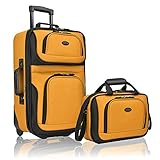 U.S. Traveler Rio Two-Piece Set U.S. Traveler Rio Two-Piece Set |
|
Check Latest Price |
Two things jump out of that table. Empty weight is the single most useful number here, and it ranges from 5.4 pounds to 9 pounds on bags of nearly identical external size. Second, most of these bags are expandable, which means the compliance story changes the moment you pull the expansion zipper open. A bag that measures 21 inches closed can measure 23 inches expanded, and that is a gate-check, not a technicality.
1. Samsonite Omni PC Hardside Expandable Spinner – the Most Proven Durable Pick
Samsonite Omni PC Hardside Expandable Luggage with Spinner Wheels, Teal, Carry-On 20-Inch
Polycarbonate hard shell
6.1 lb weight
22 in overall
TSA lock
10-year limited warranty
Pros
- Micro-diamond polycarbonate resists years of abuse
- Light at 6.1 lb with a real expansion gusset
- Oversized spinners easy to steer with two bags
- Side-mounted TSA lock
- 10-year limited warranty
Cons
- Spinners struggle on carpet and door thresholds
- No exterior pockets for quick-access items
- Interior organization limited to one long zippered compartment
- Zipper-only closure with no latch backup
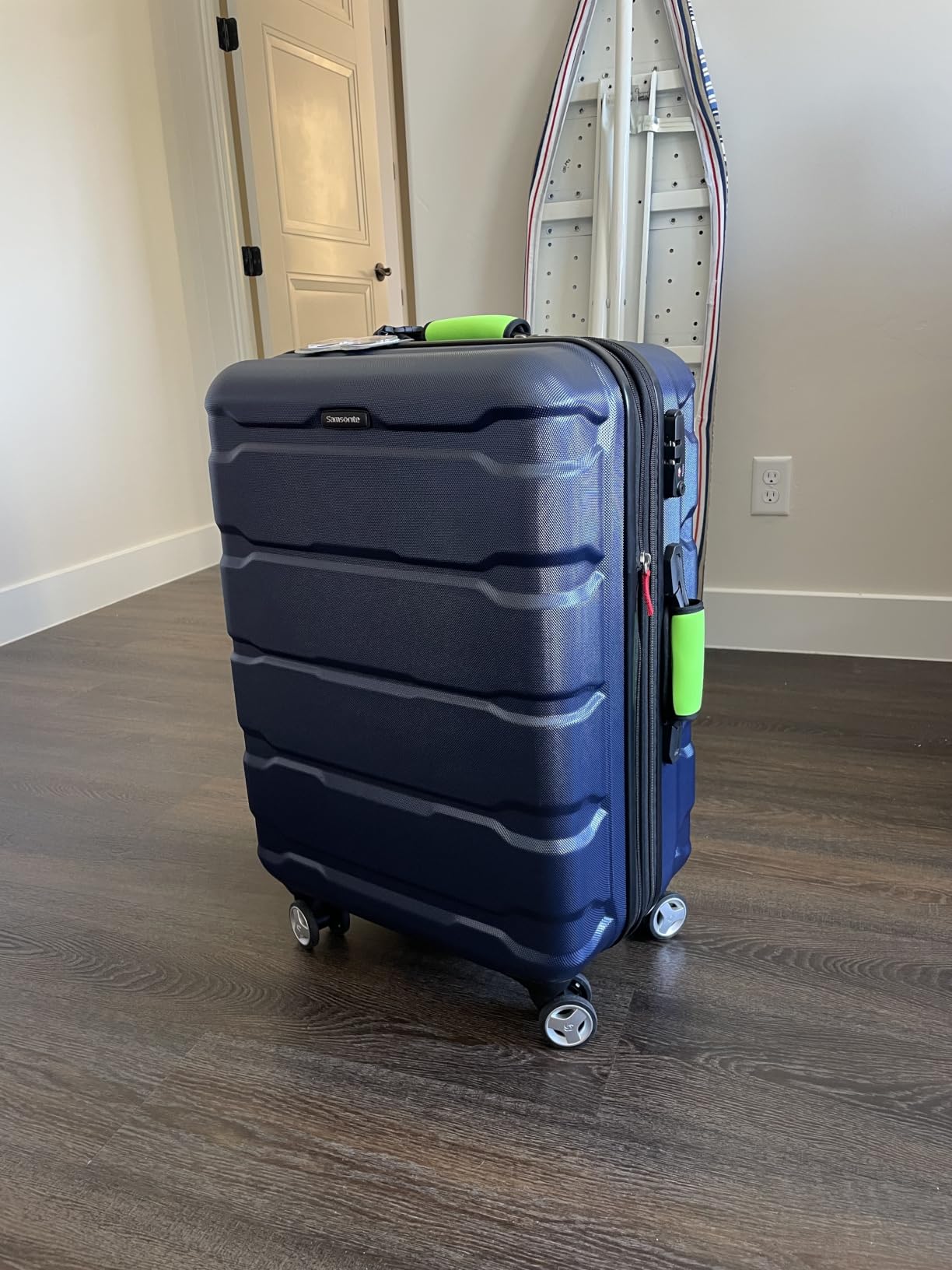
This is the bag our team has leaned on hardest. The shell is a textured polycarbonate rather than the cheaper ABS used by most budget hardsides, and that single material decision is why owners report bags bought in the late 2010s still rolling smoothly today. Scratches happen, sure, but the micro-diamond texture hides them in a way that a gloss or plain finish does not.
The dimensions are where this bag separates itself from the “22 inch” marketing crowd. Overall it measures 14.5 inch L by 9.75 inch W by 22 inch H including wheels and the retracted handle, and the packing interior is a genuinely usable 19 by 14.5 by 9.5 inch. That means the height is honest. Nothing is hidden in the telescoping shaft, so it passes the sizer on the airlines that actually enforce one.
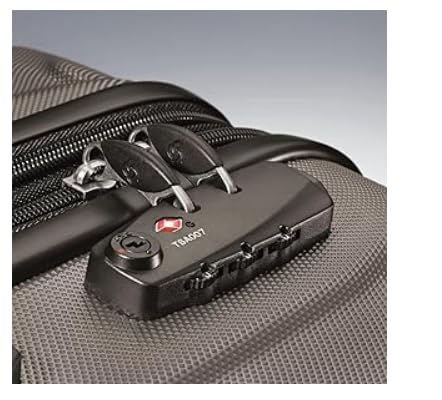
Expansion is handled through a gusset rather than a loose fabric ring, which keeps the bag rigid and stable when you add a week of laundry mid-trip. The four oversized spinner wheels are wide enough to stay upright over uneven terminal flooring, and the side-mounted TSA lock is the type that only a security agent or you can open.
Owners consistently report two things. First, the bag outlasts their travel patterns, with multiple reviewers describing the same case lasting a decade of regular flights. Second, the wheels are the weak point, and it is a surface problem rather than a quality problem. Reviewers say the spinners struggle on carpet, textured tile and door thresholds, and a few reverted to tilting the bag onto two wheels on rough ground.
What to check before you buy this bag
If you plan to move between a hard floor and thick carpet in the same trip, test the wheels on carpet first in a store. The spinner design trades straight-line stability for manoeuvrability, and on soft carpet the ball bearings can dig in. This is the trade-off to accept, and it is the same trade-off every four-wheel bag in this roundup asks you to make.
Check the 9.75 inch depth against your airline’s limit too. The common US allowance is 9 inches of depth, so this bag is deeper than the textbook figure and depends on the sizer’s tolerance. If you fly outside North America, measure the aircraft rather than trusting the size in the name.
Who should skip it
Skip this bag if you need to grab a laptop, passport or phone at security without opening the main compartment. A hard shell means every small item lives inside, and this model’s interior is a single long zippered compartment on the handle side, which is organized but not generous. The LEVEL8 Grace has a dedicated front laptop pocket if that is your pattern.
Skip it if you overpack aggressively. The zipper-only closure has no latch backup, and the gusset expansion adds stress to the seam around the main zip, so leave a little give in the closure rather than forcing it shut at full expansion.
2. Samsonite Freeform Hardside Spinner – the Best Value Organized Carry-On
Samsonite Freeform Hardside Carry-On Luggage with Spinner Wheels – Hardshell Suitcase – TSA, Airline-Approved – Expandable Hard Shell, Smooth Rolling Wheels for Lightweight Travel – Black
Polypropylene shell
34 L interior
6.5 lb
8 spinner wheels
23 in overall
Pros
- Airline-friendly overall dimensions
- Organized 34 liter interior with straps and pouch
- Eight spinner wheels for tight aisles
- Water-resistant polypropylene
- Integrated combination lock
Cons
- No exterior pockets
- 34 L is small for the category
- Polypropylene scuffs more visibly than polycarbonate
- About one in ten reviews is a one star
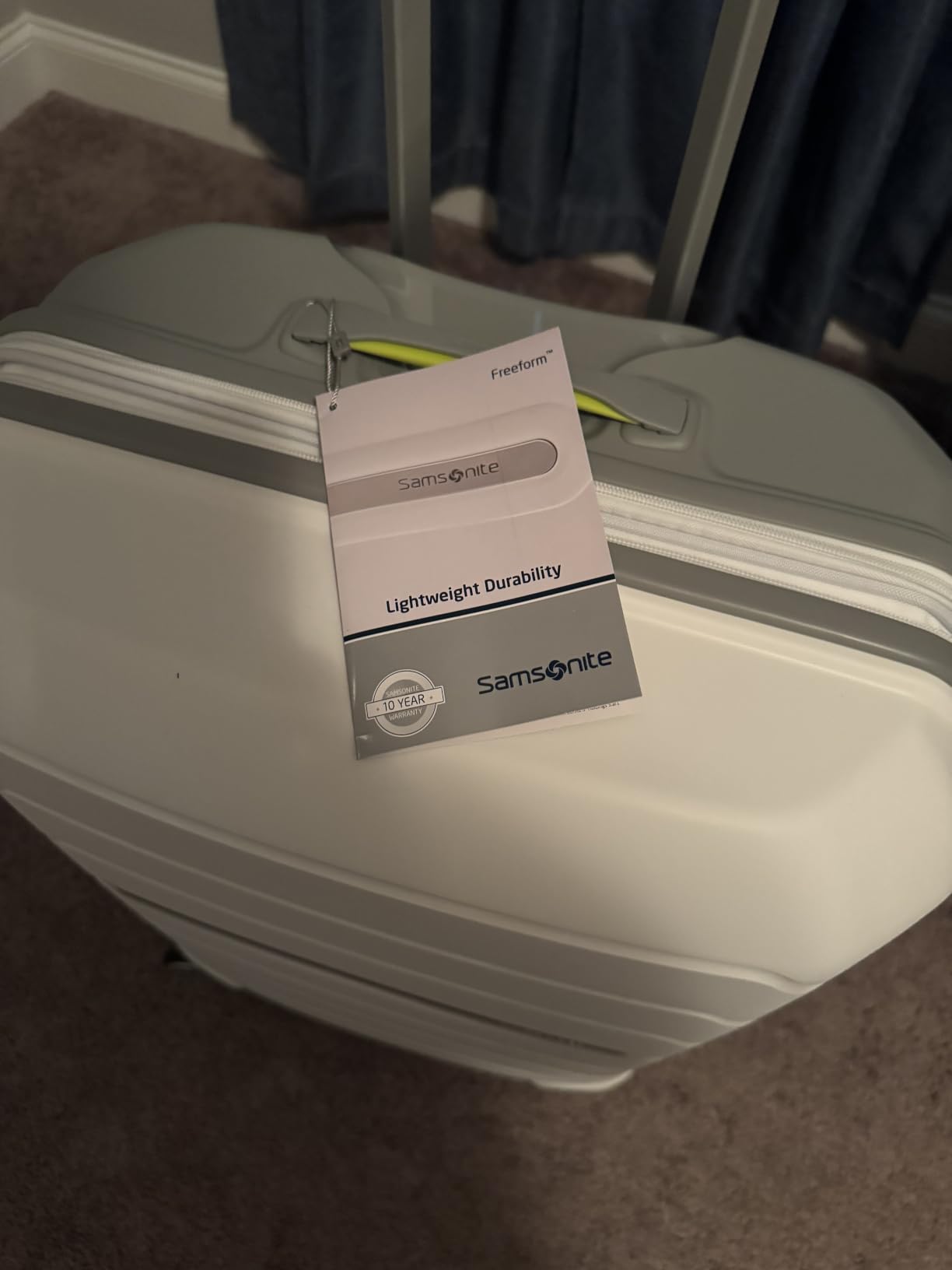
The Freeform is the pick for anyone who packs a case methodically and hates rummaging. The interior is a 20.5 by 14.5 by 10.0 inch cavity with elastic cross-straps, a divider and a separate pouch, so you can put a load in and see the shape of it rather than digging through a softshell void. That single design choice is why it has held onto a near-20,000-review base for so long.
It ranks near the top of the Carry-On Luggage category on Amazon, which tells you something about how often it turns up in airport baggage halls. The shell is polypropylene rather than polycarbonate, and it is water resistant rather than water repellent. That is a real difference in light rain, and polypropylene costs less, but it is the more brittle of the two plastics when the shell takes a hard impact.
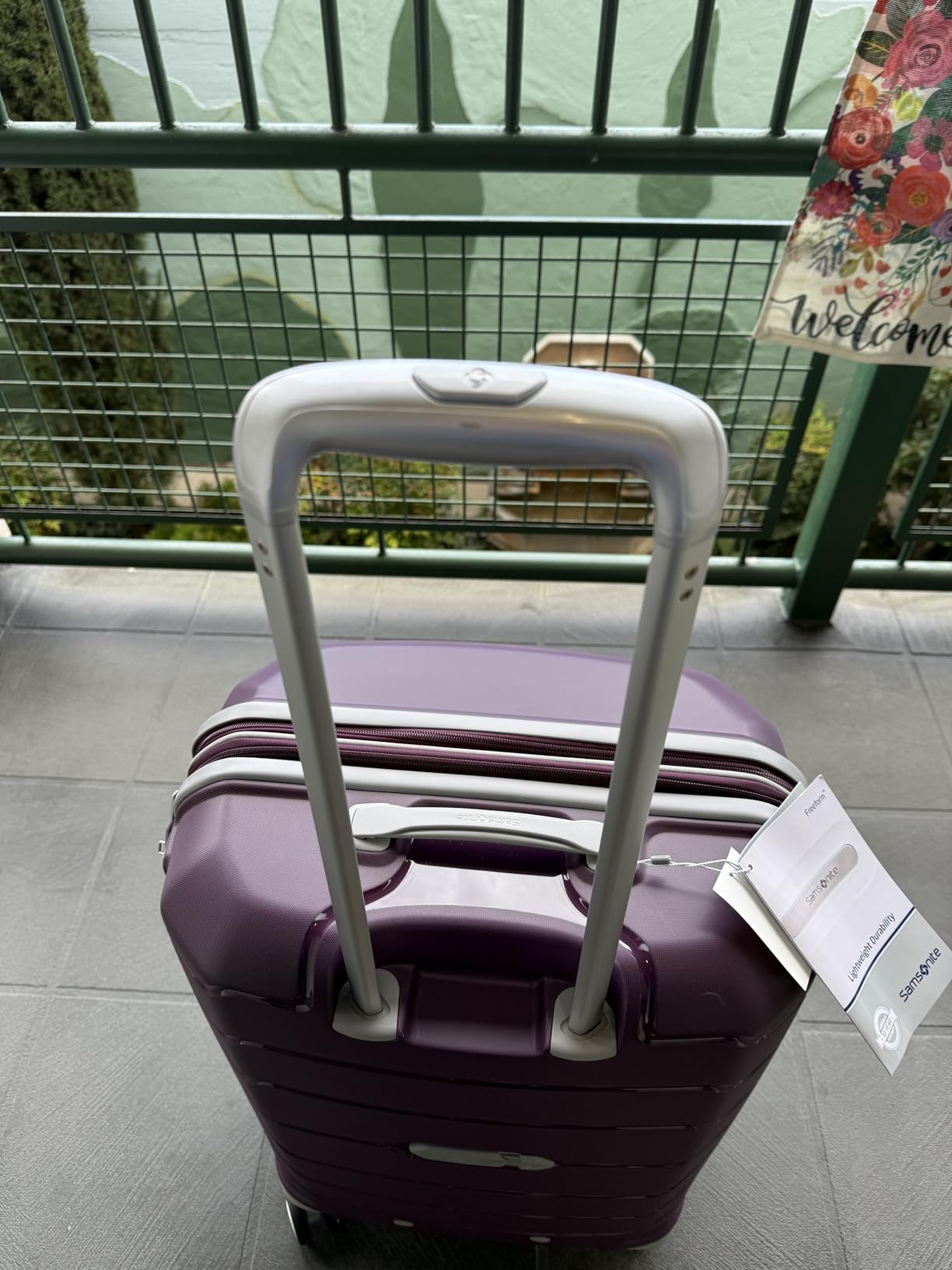
The eight-wheel configuration is worth a note. Rather than four large spinner casters, this bag runs four dual-wheel assemblies, which spreads the contact patch and rolls more quietly on polished terminal floors. It also makes the bag wider on the ground, which matters in a narrow regional-jet aisle more than the extra stability is worth to most people.
Overall dimensions are 15.3 by 9.8 by 23 inch including wheels and handle. That height is the widest margin of any bag here, so it is the one to scrutinise if you fly budget carriers in Europe where 22 inches is the usual ceiling. Buy a tape measure before you commit, not after.
What to check before you buy this bag
Check your actual packing volume needs against 34 liters. That is a four-to-five day capacity for a disciplined packer, and it is tight for a week. The 46 liter softside bags on this list swallow considerably more clothing for the same external footprint, because fabric compresses and rigid cavities do not.
Check the shell scuffing, too, because reviewers mention it constantly. A textured polypropylene finish hides marks less well than the micro-diamond polycarbonate on the Omni, so expect a visibly used bag after a year of gate checks unless you buy a cover.
Who should skip it
Skip it if you take a laptop out every security queue. There is no front access pocket, so the computer goes into the main compartment alongside your clothes. And skip it if you are particular about how a bag looks after a few years, because the polypropylene will show wear sooner than the polycarbonate alternatives.
Its 4.3 rating sits below the other hardshells here, and roughly one in ten reviews is a one-star. The complaints concentrate on shell finish and capacity rather than on broken handles or failed wheels, which is a better failure profile than a cheap bag that snaps.
3. Travelpro Maxlite 5 Softside Spinner – the Best Lightweight Carry-On
Travelpro Maxlite 5 Softside Carry-On Luggage Spinner, Black, 21-Inch
Softside polyester
5.4 lb
46 L
Expands 2 in
Limited lifetime warranty
Pros
- Lightest genuine carry-on in this roundup at 5.4 lb
- Fabric shell flexes to absorb a week of packing
- Four exterior and interior pockets
- Top side and bottom carry handles
- Limited lifetime warranty
Cons
- Interior length closer to 19 in for a 21 in case
- Zippers sit inboard and cut usable space
- Some spinner wheels feel cheap
- No rigid protection for fragile electronics
At 5.4 pounds empty, this is the bag we recommend to anyone who has ever had to lift a carry-on into a bin with one arm full. It is 3.6 pounds lighter than the heaviest bag on this list, and the difference is obvious in the first fifteen seconds of walking down the jet bridge. For travelers with back or shoulder limitations, that number is the whole decision.
The softside shell is the reason the 46 liter cavity feels larger than it measures. Polyester with a water-resistant DuraGuard coating bends around a packed load instead of resisting it, so you can compress a jacket flat and zip the bag shut where a hardshell of the same external size would leave you with an open gap. Two exterior pockets plus a full-length lid pocket and a side accessory pocket give you the quick-access items that hardshells never offer.
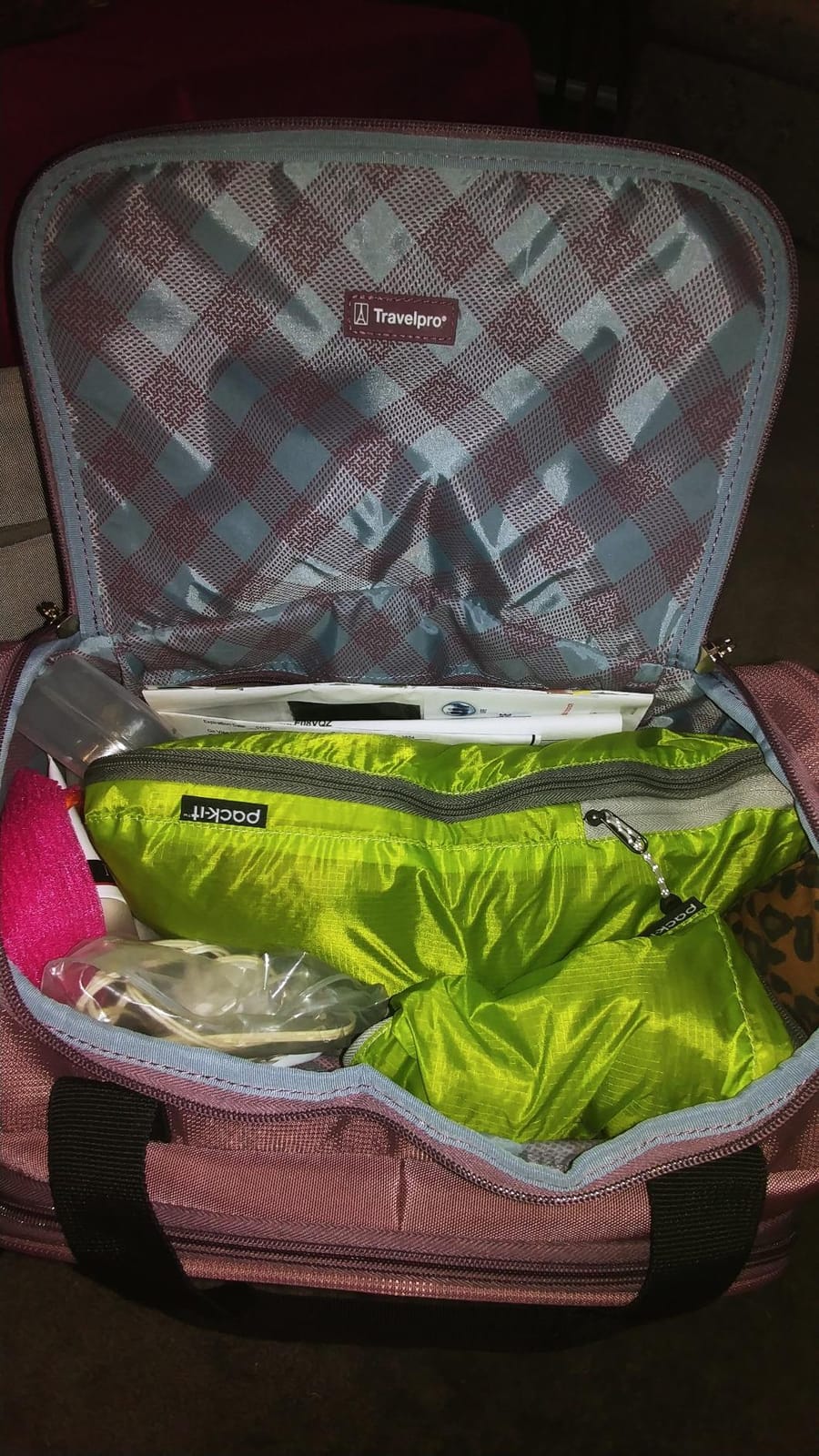
The case is 21 by 14 by 9 inch, and overall including wheels and handles it measures 23 by 14.5 by 9 inch. The expansion adds up to 2 inches, which we would leave closed on any international flight. It also stops two inches short of the 22 inch US allowance, which is a deliberate choice for people who fly weight-limited carriers.
The warranty is a limited lifetime coverage package paired with a Trusted Companion Promise that covers carrier damage for a year after registration. Register the bag. That single step is what converts a materials-defect warranty into something that covers a torn seam caused by a conveyor belt.
What to check before you buy this bag
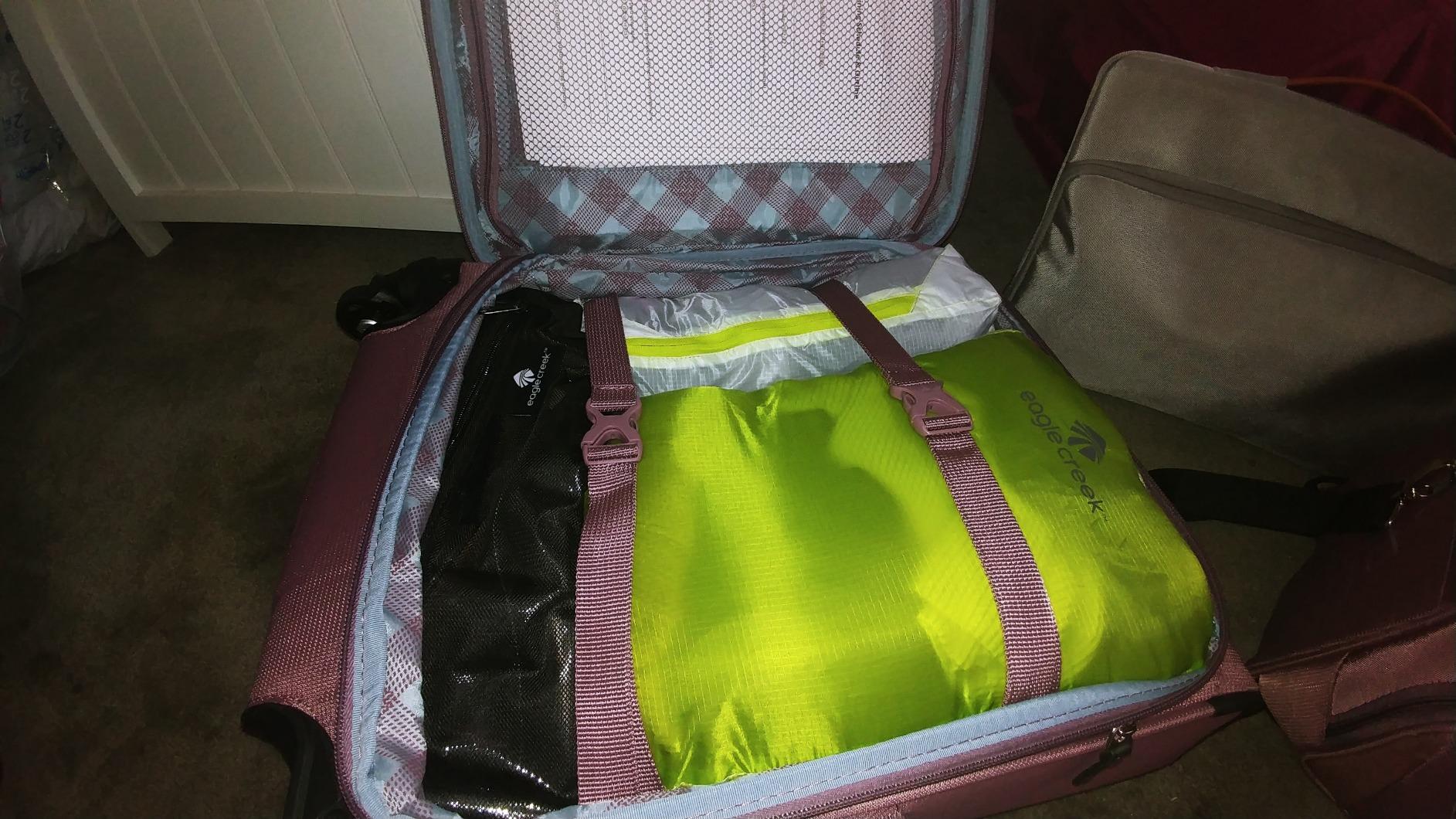
Check the interior length, and the reviews are blunt about it. A 21 inch case gives you an interior closer to 19 inches, and some users upgrading from a 22 inch bag find the cavity too shallow for a standard large packing cube. If you pack with rigid cubes, measure the cube before you commit to a softshell.
Check the wheels in person if you can. Some units have spinners that feel noticeably cheaper than the rest of the build, and because the caster housing is a common failure point on softside spinners, it is the part most likely to disappoint you first.
Who should skip it
Skip it if you carry a laptop, a camera or a tablet that cannot flex. A softshell gives you a weather barrier, not a crush barrier, and a rigid hardshell or a padded backpack protects fragile electronics far better on a rough baggage-handling conveyor.
Skip it if a rigid, scuff-resistant exterior matters to you. Fabric marks and stains in a way polycarbonate does not, and a softshell with a clamshell-free single-lid opening is harder to wipe clean after a spilled coffee in economy.
4. LEVEL8 Grace Expandable Carry-On – the Best Carry-On for Business Travel
LEVEL8 Carry on Luggage Airline Approved, 20“ Expandable Carry on Suitcase
PC and ABS shell
Front laptop pocket
9 lb
36 to 42 L
Aluminum handle
Pros
- Front compartment fits a 15.6 inch laptop separately
- Aluminum telescopic handle feels sturdier than plastic
- Eight rubber-covered spinner wheels roll quietly
- Expands 1.57 in for weekend flexibility
- Three-layer micro-diamond shell resists marks
Cons
- Heaviest carry-on here at 9 lb
- Not water resistant
- Three-section interior packs less flexibly
- Only 36 L when not expanded
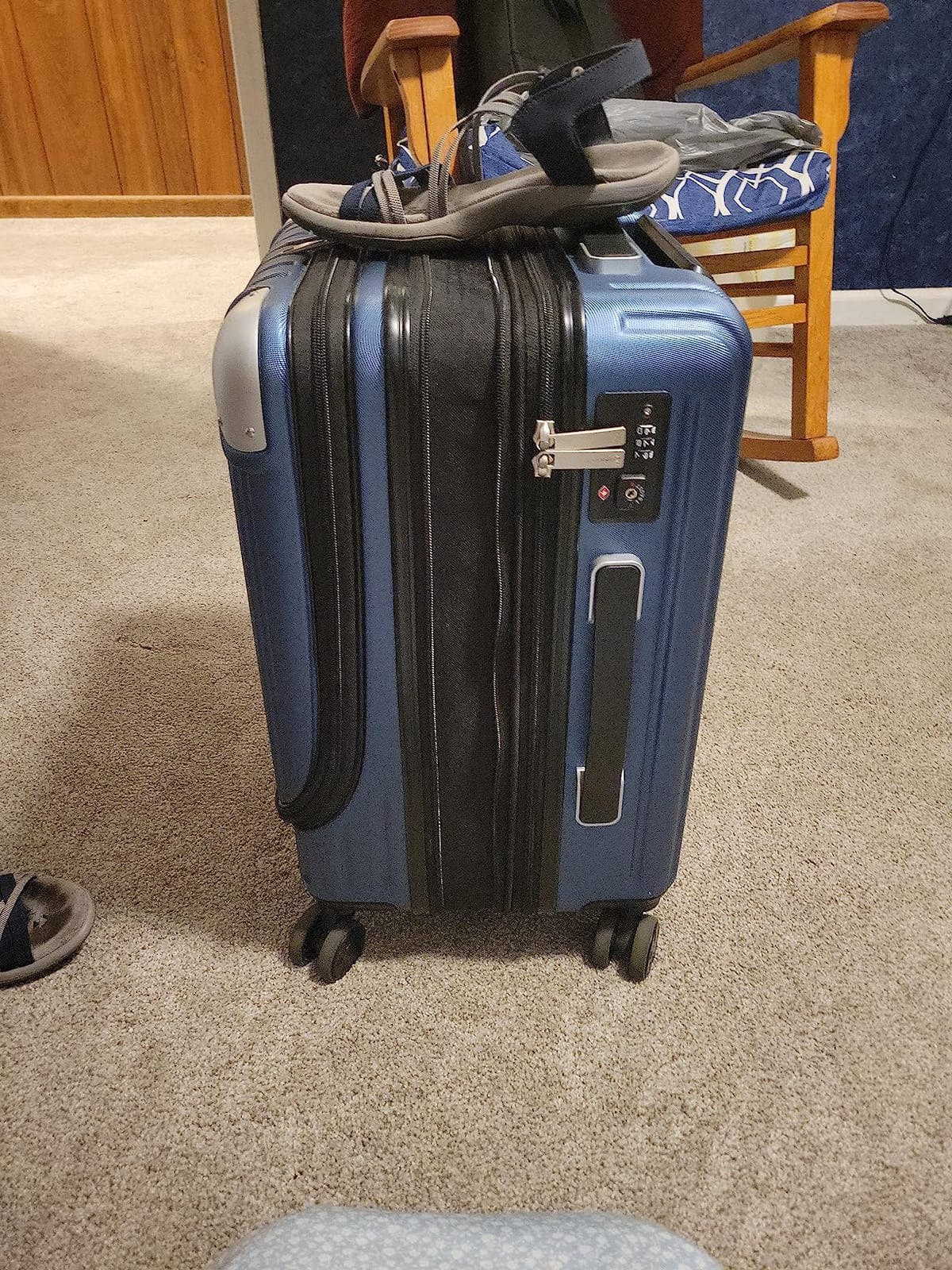
The Grace is the only bag in this roundup with a front-access laptop compartment, and that single feature is why business travelers keep coming back to it. Your computer sits in its own padded bay, separate from clothing, and you can reach it at the security queue without opening the main cavity and exposing everything you packed.
The handle is aluminium rather than plastic, which is unusual in a bag this light on its feet and a meaningful upgrade in feel. It has four height stops, so it works for tall and short users without the wobble that comes from a plastic shaft. The eight rubber-covered spinner wheels are quiet on terminal floors, and the rubber compound is a step up from hard plastic housings that shriek on tile.
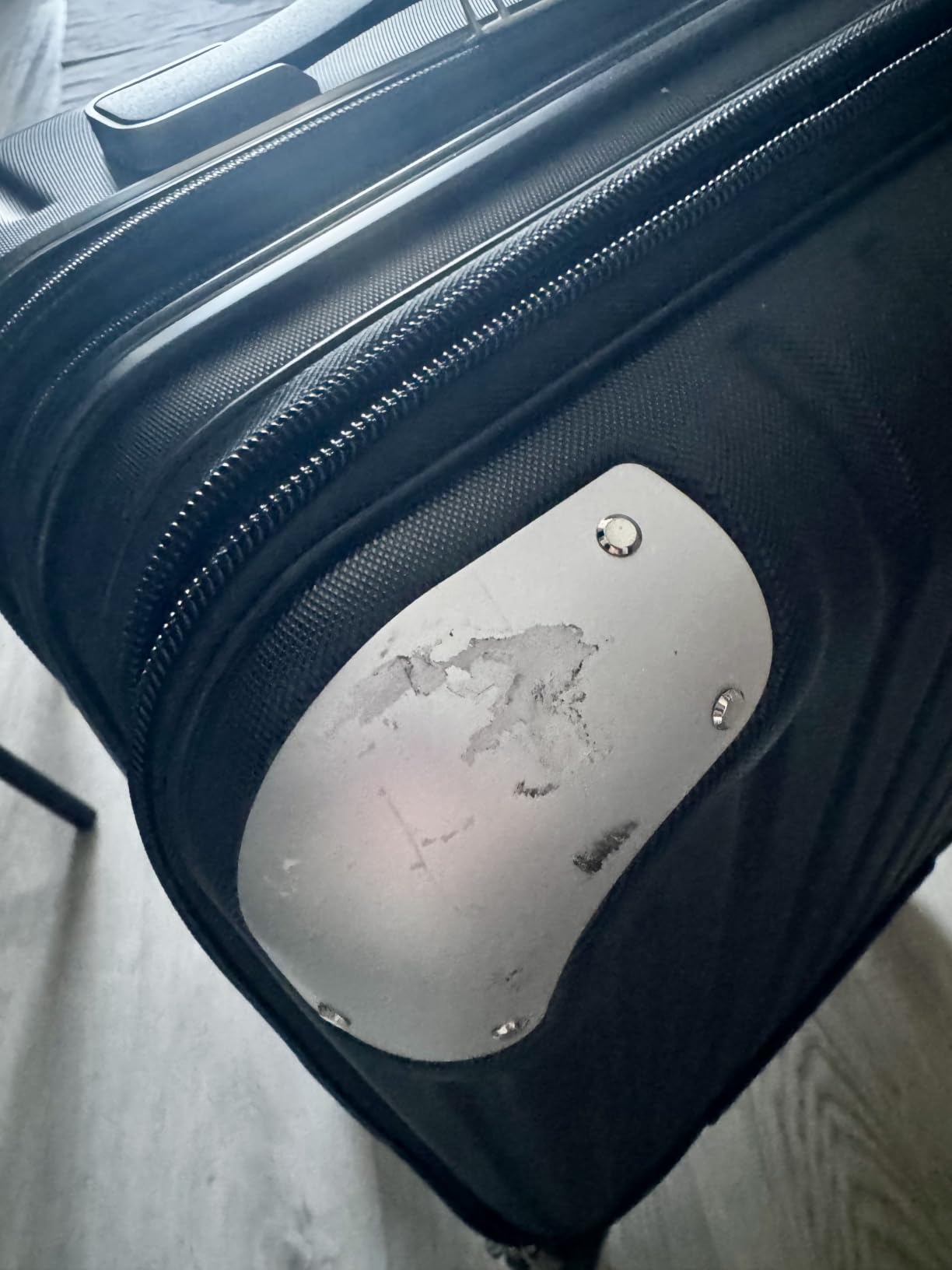
Overall dimensions are 14.5 by 9.8 by 21.8 inch including wheels and handles, and the bag expands an extra 1.57 inch to 42 liters. A 21.8 inch height is one of the safer profiles on this list for US sizers. It is short of the 22 inch line, which trades a little capacity for a much lower chance of being sizer-stopped on a full flight.
What you give up is weight and water resistance. At 9 pounds empty, this is the heaviest carry-on in the roundup, and the bag is explicitly not water resistant, so a leaked water bottle in the overhead bin is your problem rather than the shell’s.
What to check before you buy this bag
Check whether 9 pounds is a weight you want to own. Empty is one thing, but most flights mean a loaded bag of 15 to 20 pounds, and on a carrier with a 7 kg or 10 kg cabin weight limit, the empty weight is a large fraction of your allowance before you pack a single shirt. If lifting is a struggle, every other bag here is meaningfully lighter.
Check the interior layout against how you pack. The three-section arrangement with dividers is tidy but rigid, and owners note it packs less flexibly than a two-section split case or an open softside cavity. If you compress and roll, this layout works against you.
Who should skip it
Skip it if lifting overhead is a struggle. Every other bag here is meaningfully lighter, and the front laptop pocket is not worth 3.6 extra pounds if you have shoulder problems. Travelers with limited upper-body strength should look at the 5.4 pound Maxlite 5 or the 6 pound Travelers Club Cosmo instead.
Skip it for travel in wet climates or on trips where your bag will sit in a downpour during a connection. The shell has no water-resistance rating, and the seams are not sealed.
5. Travelpro Platinum Elite Spinner – the Best Carry-On for High-Frequency Flyers
Travelpro Platinum Elite Carry-On Luggage Spinner, True Navy, 21-Inch
Softside nylon
46 L
8.6 lb
23.5 in overall
Power bank pocket
Pros
- Precision Glide wheels self-align magnetically and rarely jam
- Stays upright with a bag stacked on top
- Drop-in suiter and tie-down straps for suits
- USB-A and USB-C ports with a power bank pocket
- Limited lifetime warranty with carrier coverage
Cons
- 8.6 lb is heavy and can exceed some weight limits
- Zippers are stiff when fully packed
- Interior does not fit standard large packing cubes
- Handle housing intrudes into the cavity
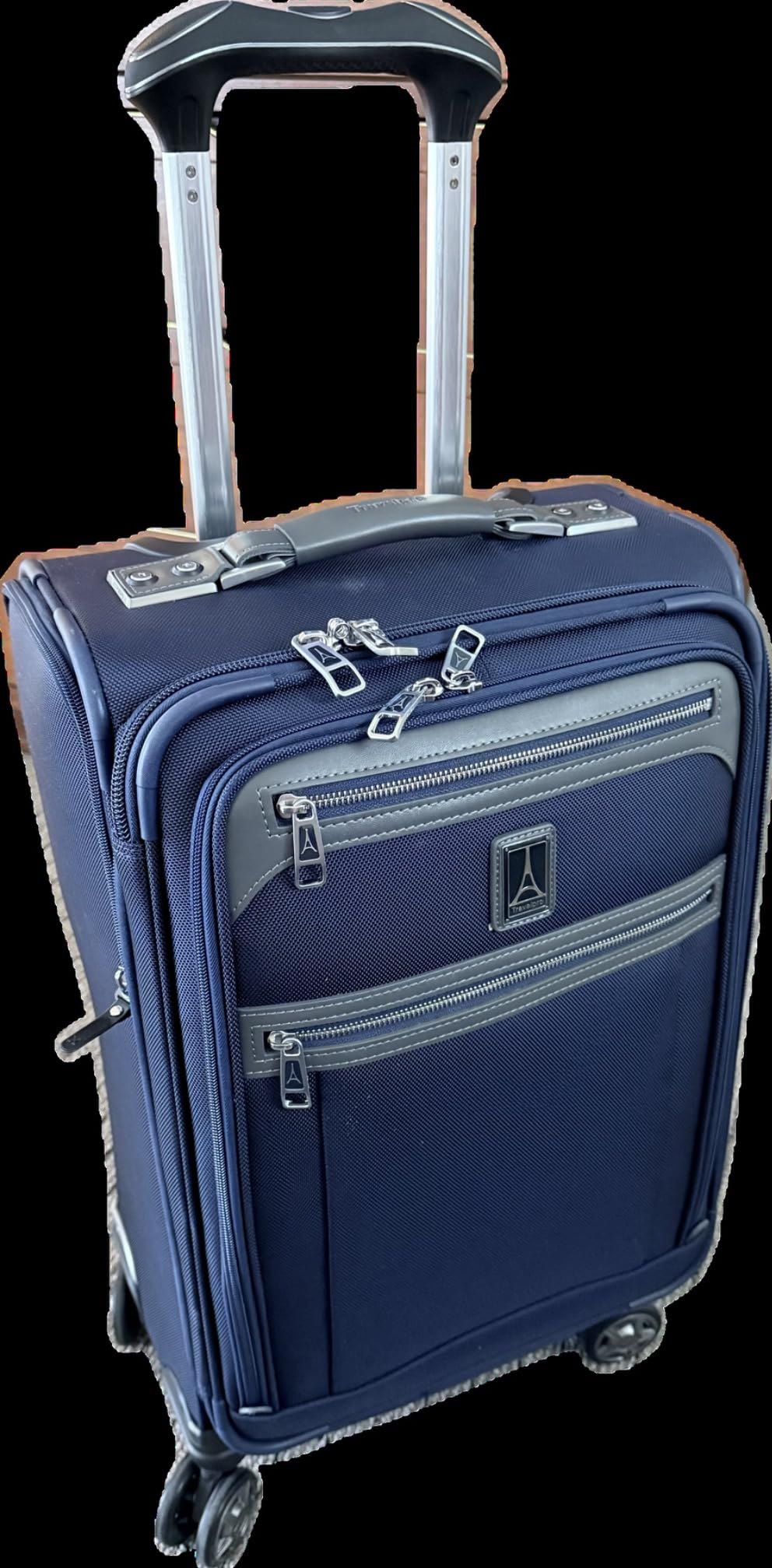
This is the bag that shows up in the hands of people who fly for a living. The wheel system is the differentiator: paired dual spinners that magnetically self-align, so the bag drifts straight instead of fishtailing, and owners report they hold alignment well enough to roll the case alongside them rather than behind them.
For suit packing, the drop-in suiter, tie-down straps with accessory pockets and a removable quart-size wet pocket cover almost every business trip without a separate garment bag. The external USB-A and USB-C ports feed a dedicated power bank pocket, so a phone can charge from the outside of the bag. The power bank itself is not included, and the cable routing is not obvious on first use.
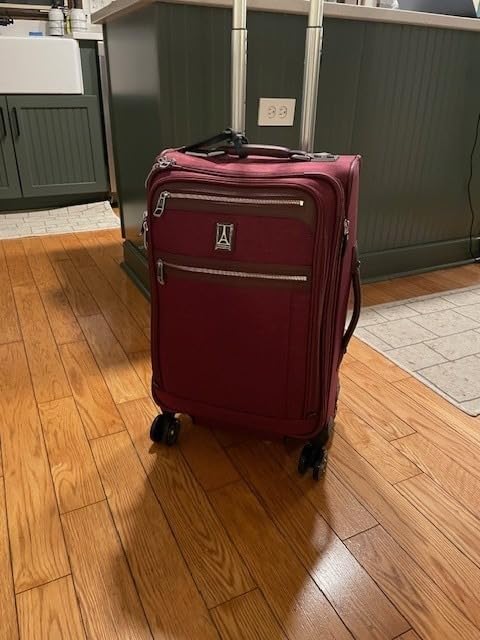
The shell is high-density nylon with a DuraGuard coating, and the tapered 2 inch expansion adds capacity without turning the bag into a floppy fabric drum. Overall it measures 23.5 by 14.5 by 9 inch including wheels and carry handles, with a 21 by 14 by 9 inch case. Travelpro states it was sizer-bin tested for major US airlines, and we would keep the expansion closed anywhere that matters.
Warranty coverage is a limited lifetime package plus a lifetime Trusted Companion Promise that covers the cost of repair for carrier damage for the original purchaser. The experience is genuinely split. Some owners received full replacements quickly; others describe a slow, unhelpful claims process, so register the bag and keep the receipt somewhere permanent.
What to check before you buy this bag
Check the weight against your airline’s rules. At 8.6 pounds empty, this bag is close to a 7 kg cabin limit before clothing goes in, and several international carriers enforce exactly that. If you fly carriers that weigh cabin bags at the gate, pick a lighter softside or a hardside under 7 pounds.
Check the wheel situation on rough ground. The Precision Glide system is excellent on smooth terminal flooring and, according to owners, on European cobblestones too, but the self-aligning magnets add drag that some users notice on carpet and thick grass at a campsite.
Who should skip it
Skip it if you pack with rigid compression cubes. The interior layout does not accept standard large packing cubes, and the telescoping handle housing intrudes into the cavity in a way that makes the space feel oddly shaped. Softside purists who want compression straps and nothing else will get along well with it.
Skip it if you fly light. This is a 46 liter bag with a suiter system, and it is engineered to hold a suit, shirts and shoes. Packing three T-shirts into it is like driving a truck to buy milk.
6. Travelers Club Cosmo Hardside Spinner – the Budget Pick for Occasional Flyers
Travelers Club Cosmo Luggage, Fern Green-20, 20-Inch
ABS hard shell
6 lb
37 L
20 in body
4 spinner wheels
Pros
- Lowest entry cost of any hardshell spinner on this page
- Light at 6 lb and easy for a child to handle
- Four spinner wheels roll smoothly on airport floors
- Compression straps dividers and multiple interior pockets
- Side rubber studs keep the shell off the ground
Cons
- Handle breakage within weeks is the most reported failure
- Some bags arrive without the listed combination lock
- Listing size label does not match the measured body
- Spinners can stiffen with extended use
- ABS scuffs and can crack
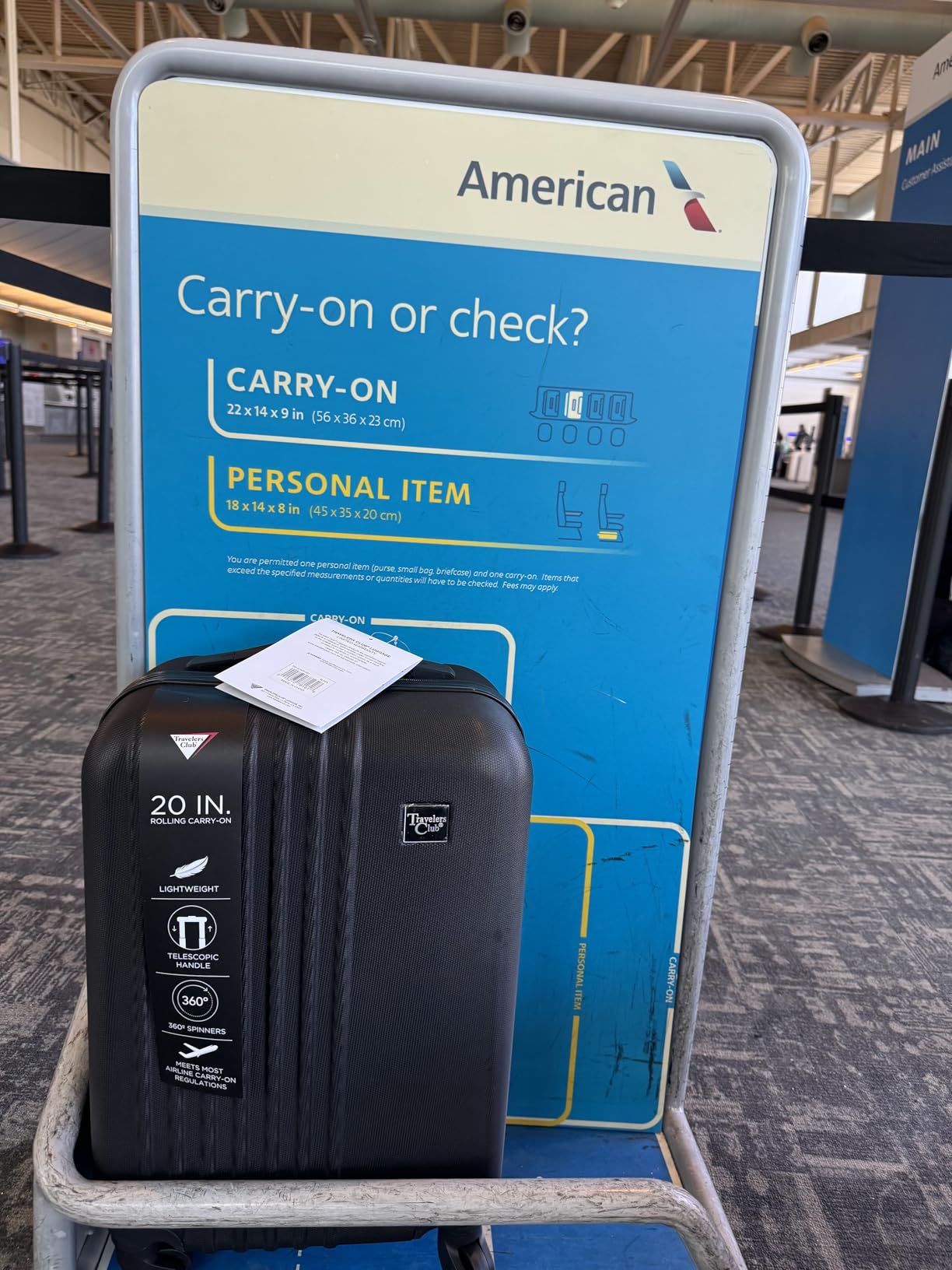
The Cosmo is the bag to buy when you fly twice a year, fly domestic only, and want a hard shell without spending real money. At 6 pounds and 37 liters it does the basic carry-on job, and the fully lined interior with compression straps, dividers and several pockets is genuinely organised for a bag at this level.
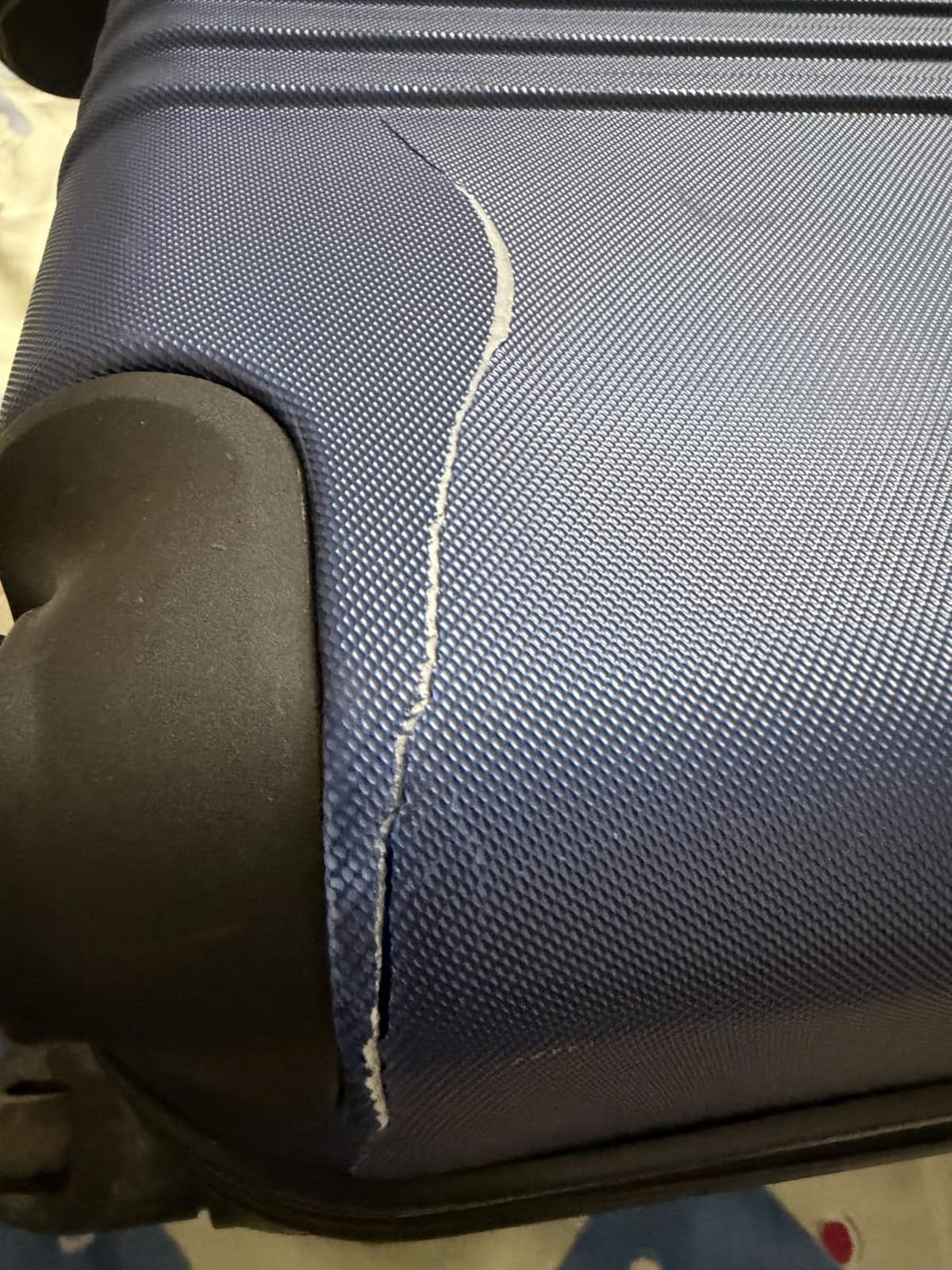
Almost every reviewer describes the same mental model: buy it, use it, replace it. That framing matters, because the most common negative review is not about quality of the ride, it is about the telescoping handle failing early. Multiple owners report breakage within weeks, which is the classic failure point on an unreinforced plastic handle tube.
Measure it yourself before ordering. The body is 19.5 by 13.5 by 8.5 inch without wheels, and the listing has been known to describe the case as 22 inch when the body is closer to 20. That discrepancy is exactly the “22 inch marketing” problem the buying guide below explains, and it is worth verifying with a tape measure rather than trusting the product title.
The four side rubber studs are a nice touch most people never notice until they lay the bag flat in a corridor. Without them, a hardshell case lies directly on its face and scuffs. With them, the shell stays off the ground.
What to check before you buy this bag
Check that the combination lock actually arrives on the unit. Some buyers have received bags without the lock the listing shows, which means unpacking at a hotel room rather than at home to find out. It is a small thing, but it is also a security thing.
Check how you will use the handle. If your trips are short and infrequent, an early handle failure is an acceptable cost saving. If you are a frequent flyer, the repair bills and replacement timeline will outweigh the money you saved on day one.
Who should skip it
Skip it if you fly monthly, carry electronics you care about, or travel where baggage handling is rough. ABS is the most brittle shell plastic in this roundup, and it is the one most likely to crack rather than flex when a corner takes a hit.
Also skip it if you travel to a lot of different countries. A 20 inch body with four spinner wheels is a good domestic fit, but confirm your sizer allowance because this bag sits at the smaller end and the listing dimensions are inconsistent.
7. LEVEL8 Hardside 20 Inch Carry-On – the Best Hard Shell for Long Weekends
LEVEL8 Hard Shell 20 Inch Carry on Luggage Airline Approved, Polycarbonate
3-layer polycarbonate
40 L
7.7 lb
8 spinner wheels
Aluminum handle
Pros
- The highest average rating in this roundup
- 3-layer polycarbonate resists impact better than ABS
- Aluminum handle extends far enough for tall users
- Boxy square shape maximises cubic packing volume
- Top and side grab handles plus protective bumper feet
Cons
- Shell scuffs visibly if checked and handled roughly
- Handle housing reduces usable packing space
- Corner zippers can catch when run both ways
- Too tall for some small regional jets
This bag carries the highest average owner rating in the roundup, and reviewers who compared several brands point at the wheels and the boxy interior as the deciding factors. A square profile is not a styling choice, it is a capacity choice: straight walls and square corners mean the internal volume is usable rather than decorative.
The shell is 3-layer polycarbonate, which is less brittle than the single-layer ABS used by cheaper hardsides and does not crack as readily at the corners. It scuffs if you check the bag, and that is the honest limitation of any glossy hard shell, but the material holds its shape. The water-resistance rating and the built-in TSA-approved combination lock are both useful on a bag that lives in overhead bins.
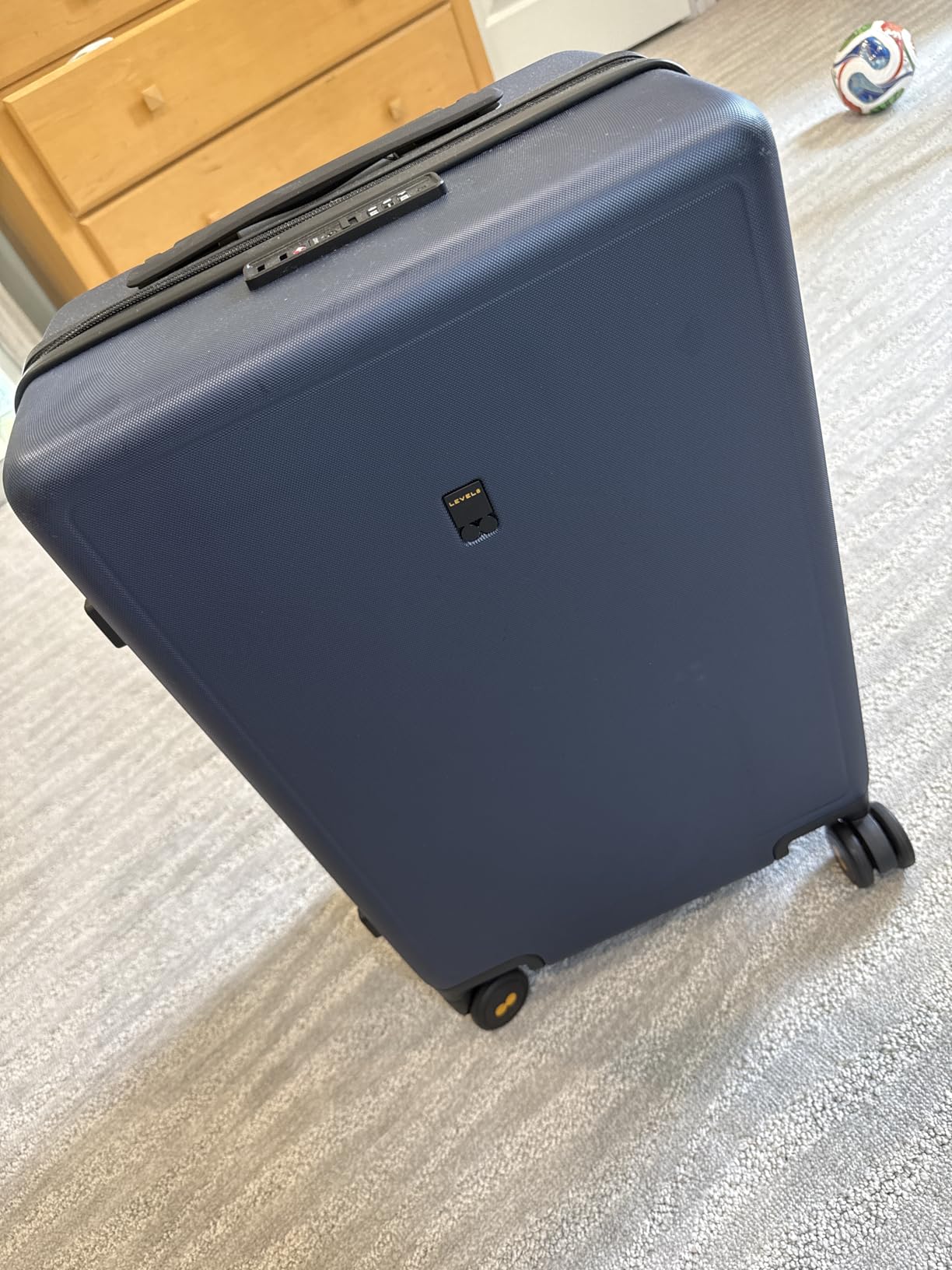
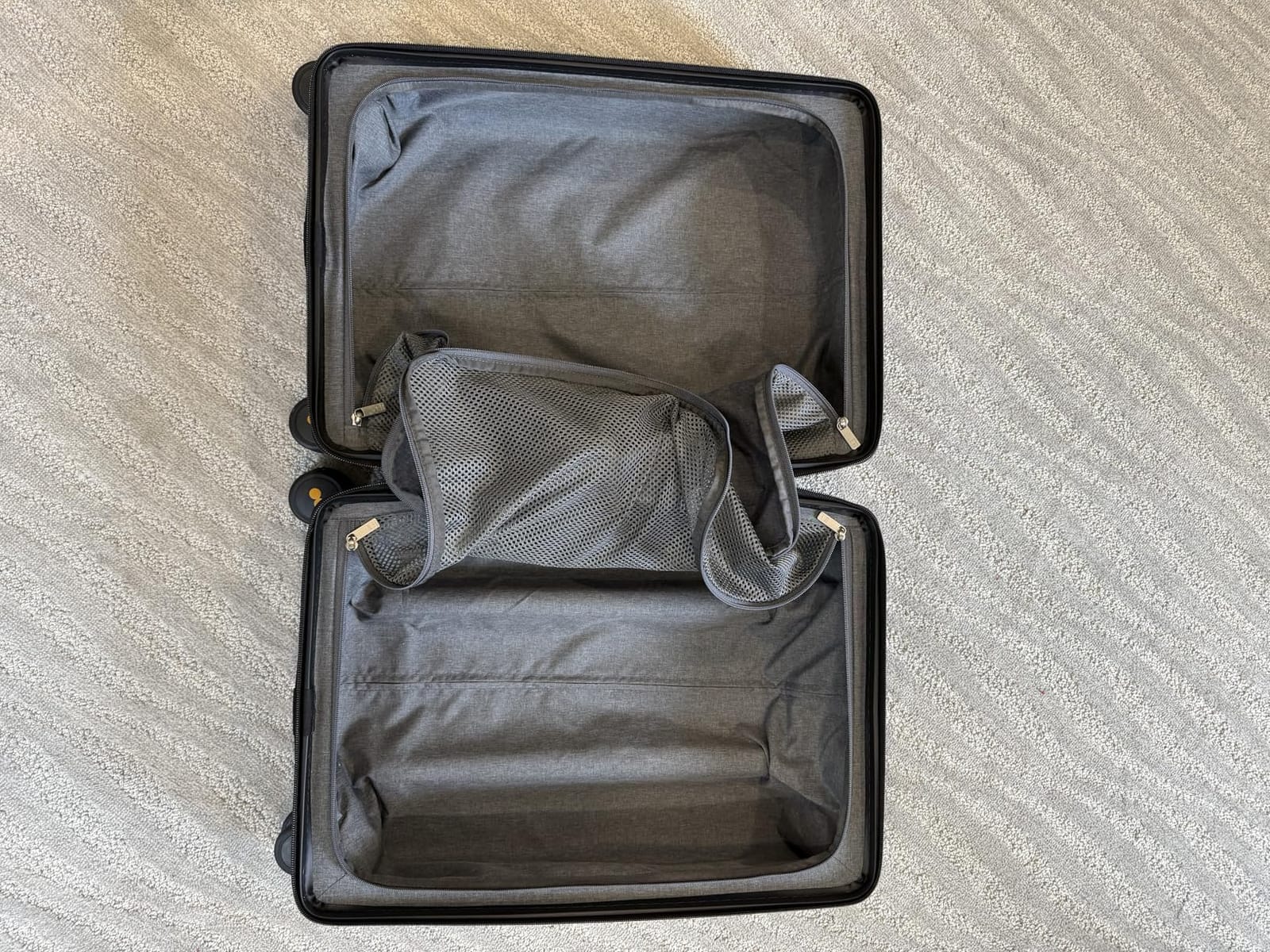
Overall dimensions are 14.5 by 9.2 by 21.5 inch including wheels and handles, and the split-case interior offers 40 liters across two lined compartments with zippered mesh pockets. The four-level aluminium telescopic handle is the one we would point tall travelers toward, because the extra extension stops you from dragging the bag behind you at an angle.
Owners consistently report two caveats. The first is scuffing on checked bags, which is universal to hardsides. The second is corner zipper stiffness, where running both zippers at once near the corners can cause them to catch. Neither is a dealbreaker; both are worth knowing before you decide the bag is faulty.
What to check before you buy this bag
Check the height against your most common aircraft. At 21.5 inch overall, this is one of the few bags on this list that owners report will not fit the overhead on smaller regional jets such as the Embraer 145. If your route includes a feeder flight on a small plane, measure before you commit.
Check the handle housing. Because the aluminium handle tubes run through the interior, they take a few cubic inches out of the packing space near the back wall. The 40 liter figure is still generous, but the cavity is not a clean rectangle and packing cubes can sit at odd angles around it.
Who should skip it
Skip it if you need exterior access. Like all hardshells, everything lives inside, and the two interior mesh pockets are the only organisation you get. Frequent-flyer professionals who carry a laptop will find the LEVEL8 Grace’s front compartment more useful than the extra polycarbonate thickness here.
Also weigh it honestly. At 7.7 pounds it is mid-range on weight, and it is not a bag you want if lifting overhead is difficult. The 6 pound and 5.4 pound options on this page exist for that reason.
8. Away The Carry-On – the Best Hardshell for Style-Conscious Travelers
Away The Carry-On Luggage, 22-inch Lightweight Hardside Spinner Suitcase
100 percent polycarbonate
2812 cubic inches
7.5 lb
4 WhisperGlide wheels
LifetimeCare
Pros
- Dual-buckle compression panel adds real packing capacity
- Polycarbonate shell is light for a hardside
- Quick-release three-position trolley handle
- Top and underside grab handles
- TSA lock and luggage tag included
Cons
- No exterior pockets
- Smaller review base than the competition
- Three mesh pockets suit 3 to 5 day trips
- Compression buckles make overpacking harder
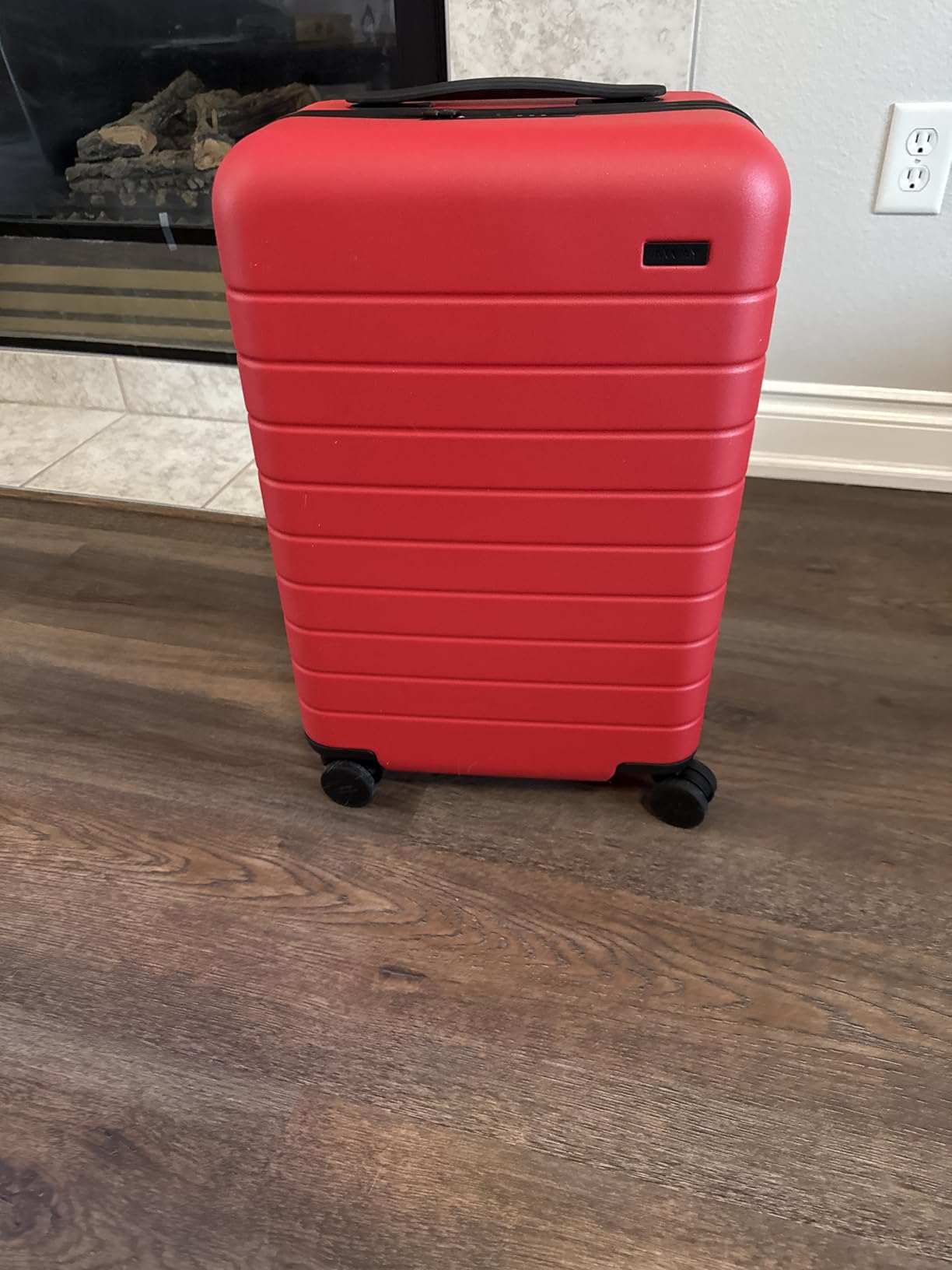
The Away Carry-On is the one bag here you notice before you notice the wheels. The shell is a clean 100 percent polycarbonate with a flush handle, integrated TSA-approved combination lock and a matching luggage tag, and the hardware is designed to disappear into the silhouette rather than bolt onto it. It is one of the best-looking hardshells in the roundup, with no visible seam or an exposed rivet.
Functionally, the standout feature is the patented dual-buckle compression panel. Two buckles tension a panel across the interior, and owners credit it with genuinely increasing usable volume rather than just compressing soft items. The bag also includes three mesh pockets and a laundry bag, which covers the small-item problem better than most hardshells.
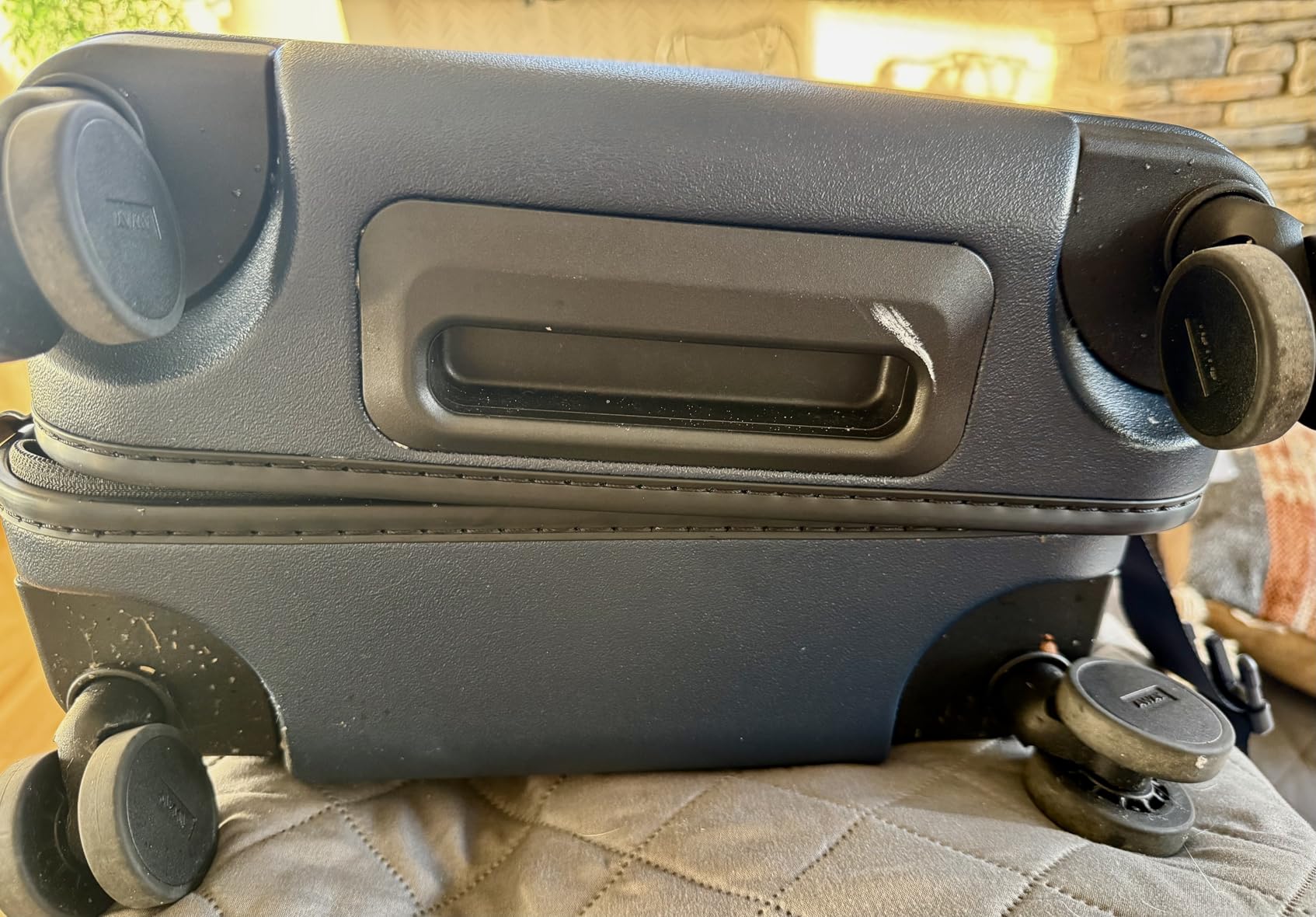
Dimensions are 14.4 by 9 by 21.7 inch outside, with a 20.1 by 13.9 by 7.5 inch interior, and the listed capacity is 2812 cubic inches. Weight is 7.5 pounds empty, which is respectable for a hardshell, and the four WhisperGlide spinner wheels plus a quick-release three-position trolley handle make it easy to adjust without crouching down.
The catch is the size of the evidence. This listing carries 452 reviews, the smallest base in the roundup, and Away has shifted its warranty coverage in recent years. Coverage is now branded Away LifetimeCare, which supports repair for functional damage from manufacturing defects or rough handling for the life of the suitcase, but the terms have changed since earlier buyers purchased. Check the current policy before you buy.
What to check before you buy this bag
Check the warranty terms on the day you order, not from memory. LifetimeCare is a different arrangement from the lifetime warranty earlier owners describe, and the difference matters most if you intend to pass the bag down or resell it. Screenshot the policy.
Check the 7.5 inch interior depth. That is the narrowest interior depth on this page, and while the compression panel helps, it means a standard large packing cube may not sit flat inside. Bring your own cubes to a store if you can.
Who should skip it
Skip it if you want a proven long-term track record from strangers. With 452 reviews, you have far less real-world mileage evidence here than on the 30,000-review bags, and hardshells are the category where early-life failures show up most clearly.
Skip it if you need a laptop compartment or exterior pockets. This is a pure style-and-compression proposition, and a business traveler will get more utility from the front-access pocket on the LEVEL8 Grace at nearly identical weight.
9. SwissGear 7272 Energie Expandable – the Best Small Carry-On for Regional Jets
SwissGear 7272 Energie Expandable Hardside Luggage with Spinner Wheels and TSA Lock, Black, Carry-On 19-Inch
19 in polycarbonate
Expands 1.5 in
6.9 lb
8 spinner wheels
10-year warranty
Pros
- 19 inch body is among the shortest here and sizer-friendly
- Expands 1.5 in for roughly 15 percent more capacity
- Polycarbonate shell at 6.9 lb
- Self-repairing zipper closure is a practical touch
- 10-year limited warranty
Cons
- Compact interior that packs tight beyond a week
- USB port needs your own power bank and routing is unclear
- Some reports of expandable zipper seam failure
- Not water resistant
- Limited colour range
When the aircraft is a Dash 8 rather than a 737, height is the constraint. The 7272 Energie has a 19 inch body, which makes it the most sizer-conservative bag in this roundup, and owners report it passes the gate testers at major US carriers without fuss. For people whose route includes small commuter aircraft, that is worth more than an extra two inches of internal space.
It expands 1.5 inch for roughly 15 percent more capacity, and the expansion is a clean design rather than a loose gusset. The polycarbonate shell is light at 6.9 pounds, and eight 360-degree spinner wheels keep it upright through narrow aisles. The self-repairing zipper closure is a small feature that tells you something about how the brand thinks about failure.
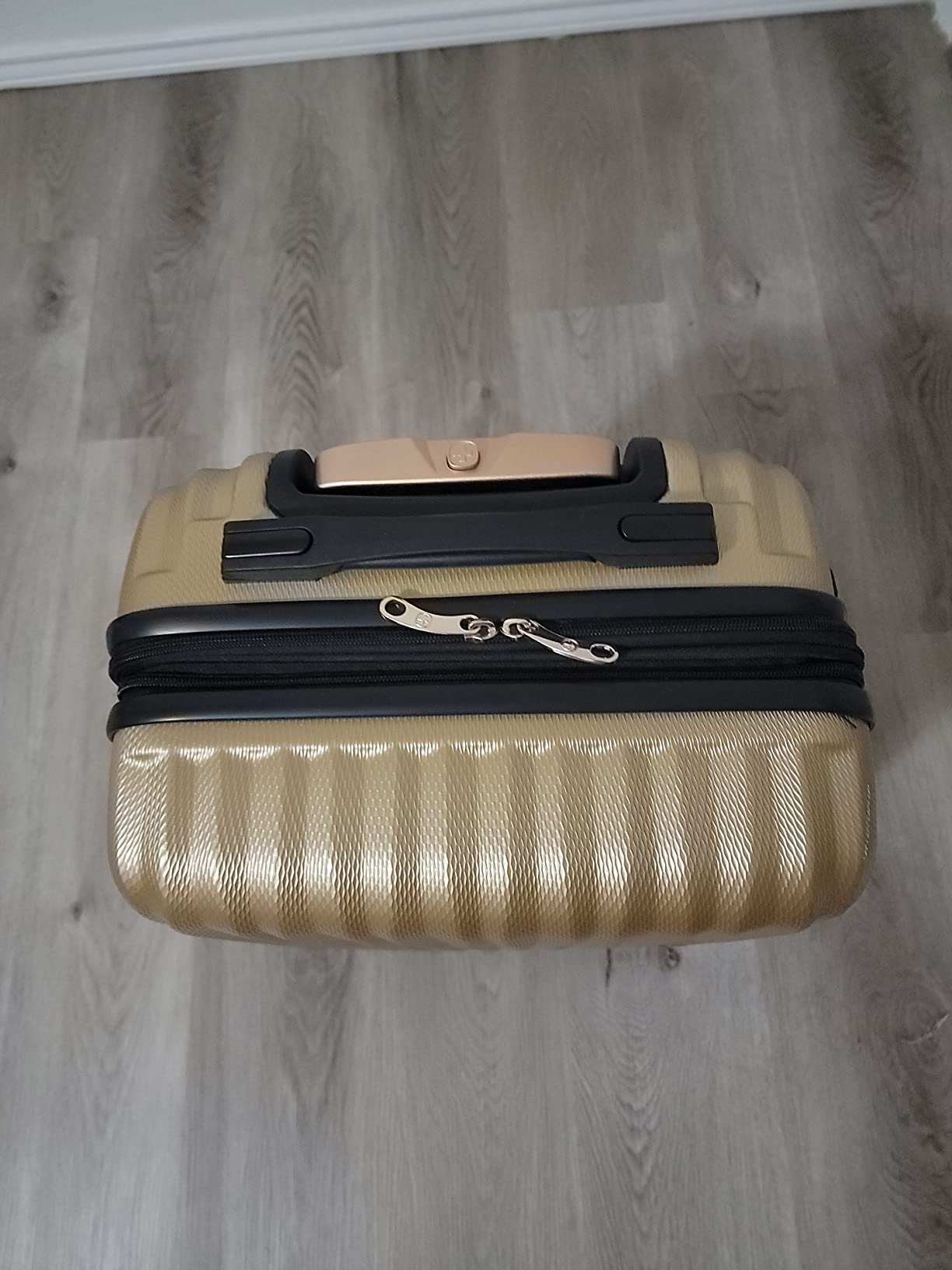
There is a USB charging port on carry-on sizes, with a sealed grommet and an internal power bank pocket. Owners say it works, but the cable routing is not obvious and you supply the power bank yourself. Treat it as a convenience rather than a feature you should decide on.
The 10-year limited warranty against defects is one of the longer commitments in this roundup, and only Travelpro’s limited lifetime packages beat it in scope. That coverage is a genuine advantage for a bag you intend to keep for a decade rather than two.
What to check before you buy this bag
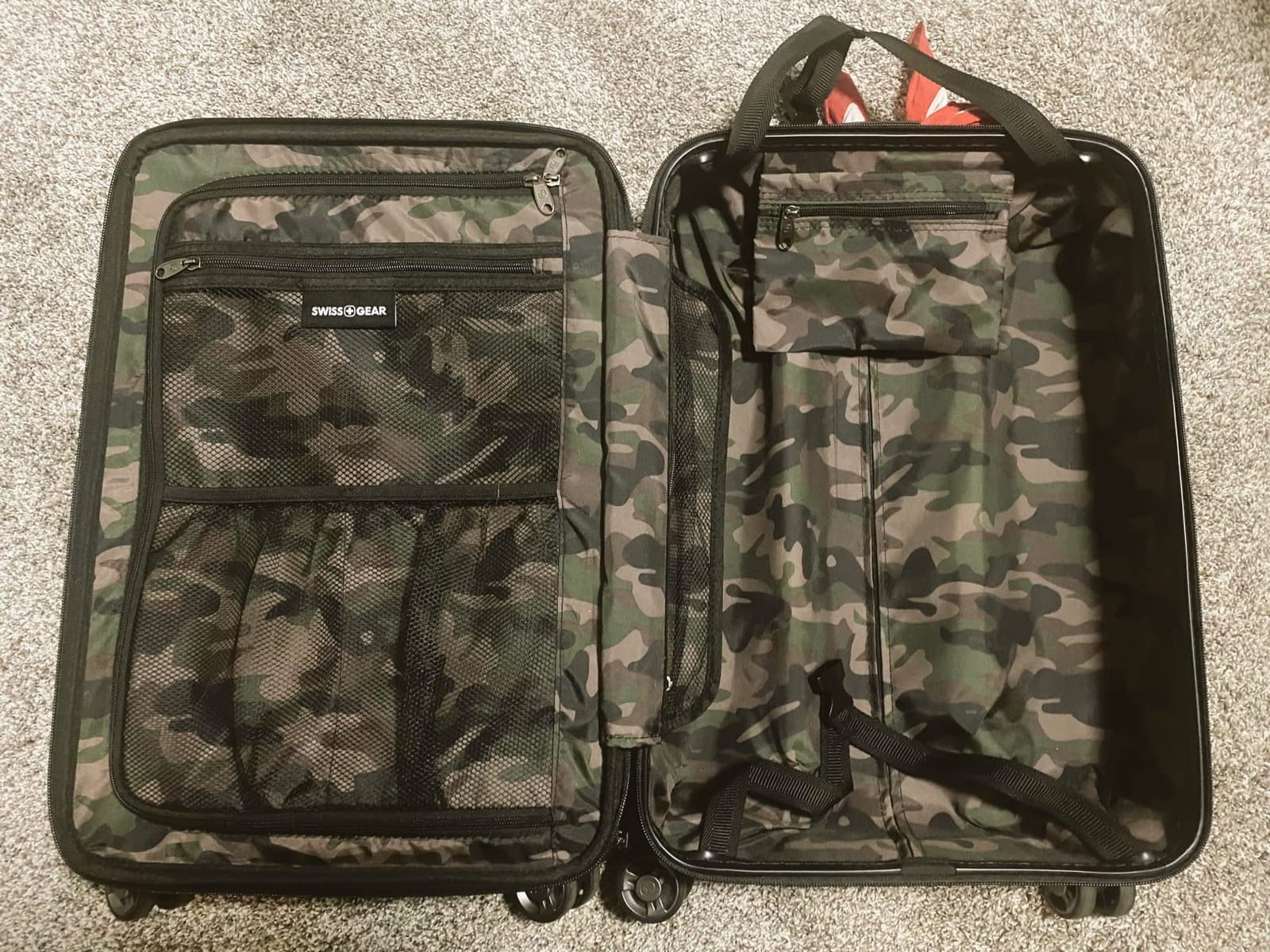
Check the interior capacity honestly, because this is a compact cavity. Owners upgrading from a standard 22 inch bag describe it as tight beyond a week, and reviewers who compared it against Samsonite models specifically note the size difference. The expansion helps, but expansion and a hardshell do not mix the way they do in softside.
Check the expansion seam. There are isolated reports of the seam around the expandable zipper ripping after limited use, which is a stress concentration point unique to expandable hardshells. It is not widespread, but it is the failure you would most likely see.
Who should skip it
Skip it if you need maximum packing volume in a small bag, and skip it if your trips are in wet climates, because the shell is not water resistant. Anyone who packs for a week rather than four days should look at a 46 litre softside instead.
Skip it if colour choice is part of the appeal. The range is limited compared with fashion-led brands, and the black shell here is functional rather than distinctive.
10. U.S. Traveler Rio Lightweight Two-Piece Set – the Best Set for Underseat Storage
U.S. Traveler Rio Lightweight Softside Rolling Carry-on Suitcase, 2-Wheel Set, Orange
Two-piece set
6.6 lb
1200D polyester
2 inline wheels
Includes 14 in tote
Pros
- Matching 14 inch tote fits under the seat in front of you
- Very light at 6.6 lb
- 1200D polyester with EVA front padding resists wear
- Two inch expansion on both pieces
- Bottom handle makes carousel lifting easy
Cons
- Two-wheel design tips over easily with the tote on top
- Two-wheel layout uses more floor width than a spinner
- Tote strap is sewn in and cannot be removed
- Telescopic handle reported to break after several trips
- Corner piping can tear when gate-checked
No other bag here solves the same problem. The Rio set gives you a 21 inch rolling case plus a matching 14 inch tote, and that tote is the point. It fits under the seat in front of you, which means your laptop, documents and valuables never enter the hold and never get sizer-tested. For trips where the tote alone handles the essentials, the roller becomes your pack.
The construction is 1200D densely woven polyester with EVA front padding, which is a serious fabric for a budget set. The rolling case is 21 by 13.5 by 7.5 inch and both pieces expand by 2 inches. The two-wheel inline skate design with corner protection and a telescoping locking handle is the traditional rollaboard layout, and it rolls straight and quiet over rough pavement in a way that spinners do not.
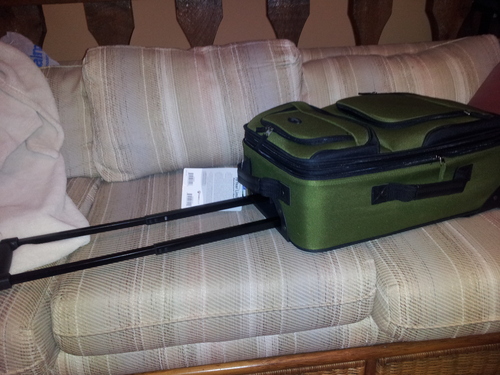
That longevity record is the standout. This listing carries more than 36,000 ratings, the deepest review base in this roundup, and owners report units bought more than a decade ago still in regular service. Very few bags in any price range accumulate that kind of evidence, and it is the main argument for buying the set rather than a more fashionable single case.
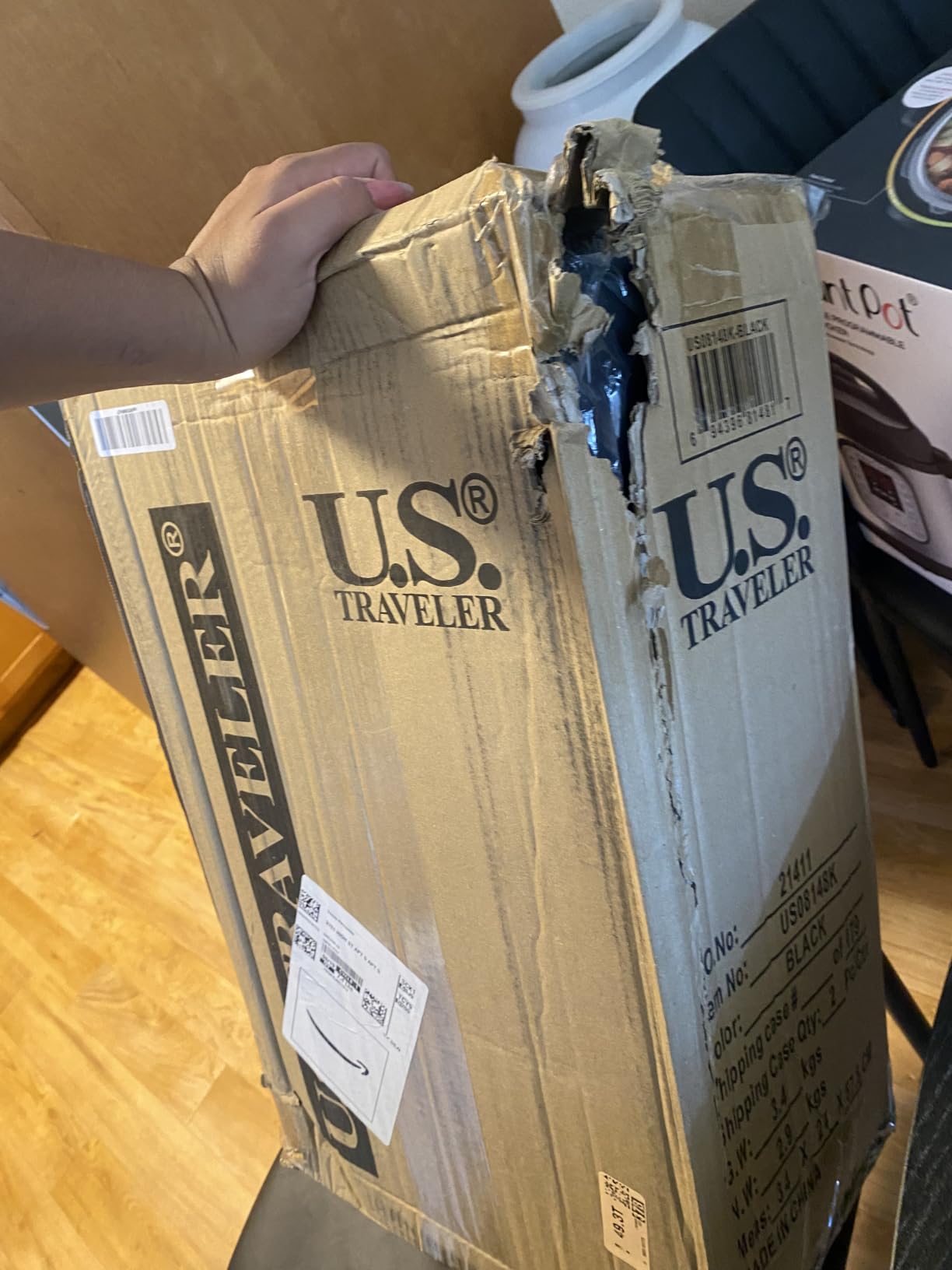
The two-wheel design is the catch. Inline wheels tip if the tote is stacked on top, and a two-wheel footprint uses more floor width than four spinners, which means a slightly smaller packing cavity. There is also a fixed tote shoulder strap that cannot be removed, so the tote cannot fully zip closed with the strap tucked away.
What to check before you buy this bag
Check whether you actually fly with two people. A two-piece set makes the most sense when one person is carrying both, or when you are splitting a family’s belongings. If you are travelling alone and want to keep the tote at home, you are paying for capacity you will not use.
Check the handle, because it is the most reported failure on this set. Owners report the telescoping handle breaking after several trips, which is consistent with the same unreinforced-plastic issue we see on other budget cases. Treat the handle as the part to watch and the rest of the bag as unusually durable.
Who should skip it
Skip it if you need one-handed manoeuvrability in a narrow aisle or a crowded jet bridge. Two wheels on rough ground beat four wheels on carpet, but the bag wants to be tipped and pulled, and that needs a free hand. Travellers who constantly lift bags should look at a spinner instead.
Skip it if you are particular about appearance. This is a functional budget set in orange polyester, and there is no clamshell, no compression panel and no external lock beyond a simple key lock. It does the job for a fraction of the cost of a hardshell, and it is honest about that.
Airline Carry-On Size and Weight Limits in 2026
Every bag in this roundup was measured on the same basis: overall dimensions including wheels and the retracted handle. That is how gate agents and sizer bins measure, and it is where most “22 inch” marketing goes wrong.
The US domestic allowance most travellers run into is 22 inch height by 14 inch width by 9 inch depth, which is 56 by 36 by 23 cm. That is the standard the gate sizer is built around, and the number is a ceiling rather than a target. Bags that measure 22 by 14 by 10 inch will fail on depth, and bags advertised as “22 inch” are frequently 22 inches at the case and 23.5 inches including the handle housing.
Internationally, the ceiling usually drops. Qantas allows 56 by 36 by 23 cm on domestic services, while Air Canada and WestJet permit 55 by 40 by 23 cm. The harder constraint on many carriers is weight rather than size, with 7 kg and 10 kg cabin limits appearing on Asian and Canadian routes that US travellers rarely encounter until the gate agent puts the bag on the scale.
Aircraft type also matters. Larger mainline aircraft have deep overhead bins that accept a full 22 inch bag on its side. Regional jets and smaller turboprops have shallower bins, and bags over about 21.5 inches are routinely gate-checked on those aircraft even though they are formally compliant.
Hardshell vs Softshell Carry-On: Which One Lasts Longer
Hardshells protect against crushing, dirt and moisture, and their curved corners shrug off conveyor impacts that would split a fabric seam. Polycarbonate, used here by the Samsonite Omni, the Away Carry-On and the LEVEL8 20 inch, is the most impact-resistant material in the category. Polypropylene in the Samsonite Freeform is cheaper and slightly lighter but more brittle, and ABS in the Travelers Club Cosmo is the most brittle of the three.
Softshells win on packing efficiency. A fabric shell compresses against the load, so a 46 litre softside swallows more clothing than a 40 litre hardshell of similar external size, and four exterior pockets give you somewhere to put the things you need in the air. The Travelpro Maxlite 5 and the Platinum Elite are the two softside picks here, and both pair a nylon or polyester shell with a water-resistant coating rather than full waterproofing.
Softshells also win on weight. The heaviest bag in this roundup sits at 9 pounds, and the lightest genuine carry-on at 5.4 pounds. That 3.6 pound gap is a real ergonomic difference when you are lifting a loaded bag into a bin, and it is the main reason we recommend a softside to anyone with back or shoulder issues.
The hardshell weakness is scuffing, and it shows early. Reviewers across the polycarbonate bags report visible marks after a checked flight, and the boxier the shell, the more the corners take a hit. Softsides scuff too, but fabric hides wear and can be spot-cleaned, while a marked hardshell cannot be repaired cosmetically.
Spinner vs Two-Wheel Rollaboard: Which Wheels Suit Your Trips
Four-wheel spinners stand upright, roll in any direction and turn on the spot, which is why they win in narrow aisles, on escalators and in a crowded jet bridge where you need to change direction instantly. Most travellers in this roundup carry spinners, and the wheel counts range from four single casters to eight dual-wheel assemblies.
Two-wheel rollaboards are the older format, and they have one real advantage: they roll straight and quiet over broken pavement, gravel and airport carpet, because the load sits over the wheels instead of being dragged sideways. The U.S. Traveler Rio is the two-wheel pick here, and it is the better choice for destination travel on rough surfaces.
The trade-off is footprint. Two wheels occupy more floor width and the bag cannot be pushed upright, so it has to be tilted. Frequent flyers report that a tilted bag over uneven ground takes more effort, while spinners need a steady hand to keep from wandering across an aisle against another passenger’s leg.
Wheel count is not a quality ranking. Eight dual-wheel assemblies spread the contact patch and roll quietly; four large single casters roll over thresholds more easily. The variables that actually predict longevity are housing material, bearing quality and whether the wheels can be replaced. Bags with non-replaceable casters are the ones to walk away from, whatever the wheel count.
Warranty, Airline Damage and What to Do When You Get Gate-Checked
Warranty length varies enormously across this roundup, and the wording matters more than the number. A 10-year limited warranty against defects in materials and workmanship covers manufacturing faults. It does not cover a zipper that came apart after a hard landing on a conveyor belt.
The two Travelpro bags carry a limited lifetime coverage package paired with a Trusted Companion Promise that covers repair for damage caused by airlines and other common carriers. That is carrier-damage coverage, which is the clause most travellers care about, and it usually requires registering the bag after purchase. Register everything you buy. It takes two minutes and it is the difference between a claim and a complaint.
Away LifetimeCare is a related but different arrangement, supporting repair for functional damage from manufacturing defects or rough handling for the life of the suitcase. Coverage terms have changed in recent years, so read the current policy on the day you order rather than relying on what past owners describe.
When you get gate-checked, do five things before the jet bridge closes. Take a photograph of the bag’s condition, including any existing scuffs, so you can show the difference later. Remove any power bank and put it in your personal item, because lithium batteries are not permitted in the hold in many configurations. Move anything you need in the first hour, chargers, medication, documents and a change of clothes, into your personal bag. Keep your boarding pass and a photo of the bag’s tag. And check the airline’s delayed-baggage claim window before you leave the airport, because most of them start counting at arrival.
One final gate-check note on expansion. An expandable carry-on loses compliance the moment the expansion zipper is opened, because the added depth is not part of the certified measurement. If you open the expansion on board, you have made a 21 inch bag a 23 inch bag in the eyes of the gate agent.
How We Tested These Carry-On Bags
We compared all ten bags on the same six criteria. Overall dimensions including wheels and retracted handle, because that is what the sizer measures. Empty weight, because it comes directly out of your cabin weight allowance. Interior volume in liters, taken from the manufacturer specifications and cross-checked against interior measurements where they were published.
Shell material, because polycarbonate, polypropylene and ABS behave very differently at a corner impact. Wheel configuration, including count, housing and whether the casters are replaceable. And warranty scope, which we read closely to separate defect coverage from airline-damage coverage.
Owner review volume is the tie-breaker. Five of the ten bags here carry more than 4,000 ratings, which gives us a far clearer picture of long-term failure rates than a handful of reviews. The two listings with the smallest evidence bases have the fewest ratings, and we have flagged that in each review rather than hiding it.
We earn a commission on qualifying purchases. That does not change the ranking, the badge assignments or the flaws we list, and every specification quoted here comes from the manufacturer data or from the owner review record rather than from a marketing claim we could not verify.
Frequently Asked Questions
Is hard or soft luggage better for carry-on?
Hardshell wins on crush protection, water resistance and scuff recovery, and polycarbonate is the most impact-resistant material available. Softshell wins on weight, packing efficiency and exterior pocket access, because fabric compresses around your clothes. If you lift overhead often or carry electronics, choose softside or a hardshell with a front laptop compartment. If you check bags, gate-check often, or pack fragile items, choose hardshell.
What size carry-on do most airlines approve?
The standard US domestic allowance is 22 by 14 by 9 inches, or 56 by 36 by 23 cm, measured including wheels and the retracted handle. Internationally the ceiling is usually lower, and many carriers add a weight limit of 7 kg or 10 kg. Regional jets and small turboprops often cannot accept a full 22 inch bag at all, so a 20 to 21 inch bag is the safer choice if your route includes feeder flights.
Is a 22.5 inch carry-on too big?
On most US mainline aircraft, 22.5 inches is usually fine because gate agents use a sizer with some tolerance. On regional jets and international carriers it is a real risk, and a bag over 22 inches is regularly gate-checked. The bigger trap is how the size is measured: many brands quote the case height and exclude the handle housing, so a bag labelled 22 inches can measure 23 inches overall. Always check the overall figure.
What happens if my carry-on is 1 inch too big?
It gets gate-checked, usually free of charge, and you pick it up at baggage claim instead of walking out of the airport. The real cost is time at the carousel and the risk of a damaged bag. If you are already flying, move essentials and any power bank into your personal item before boarding so the forced check does not cost you anything important.
What suitcase do flight attendants say not to use?
The bags that cause the most trouble at the gate are oversized hardsides with no exterior pockets, because everything has to be dug out of the main compartment at the bin while a line waits behind. Bags with loose external straps and dangling belt loops are also a recurring problem. Lightweight two-wheel rollaboards that tip over get flagged for the same reason as overstuffed bags: the crew is managing a load, not a suitcase.
What is the 3:1:1 rule for carry-on bags?
It is a community packing guideline rather than an airline rule. The common shorthand is three tops, one bottom per day plus a spare, and one pair of shoes per trip, layered so a smaller number of pieces mix into more outfits. Used with a capsule approach it keeps a carry-on to roughly a week of clothing. Airlines do not inspect contents, so the rule is about weight and volume rather than compliance.
What is the best carry-on bag to take on a plane?
For most people it is the Samsonite Omni PC Hardside Expandable Spinner, which pairs an honest 22 inch overall measurement with a polycarbonate shell, four spinner wheels and a 10-year limited warranty, backed by one of the two deepest review records in this roundup. If you need to lift overhead easily, the Travelpro Maxlite 5 at 5.4 pounds is the better answer. If you want storage under the seat, the U.S. Traveler Rio two-piece set includes a 14 inch tote.
How do I avoid a gate check?
Measure your bag overall, including wheels and the retracted handle, and keep it at or under 22 by 14 by 9 inches. Leave the expansion zipper closed on board, because expansion adds depth that is not part of the certified size. Board with a group of passengers boarding last on the aircraft, since bins fill from the back. And board early on the routes where the crew is strict about sizer fit.
The Best Carry-On Luggage in 2026: Final Verdict
The best carry on luggage for most people is the Samsonite Omni PC Hardside Expandable Spinner. It has an honest 22 inch overall measurement, a polycarbonate shell that survives a decade of flights, four spinner wheels that steer a loaded bag without drama, and a review record among the two deepest in this roundup. That combination of proven durability and honest sizing is rarer than it should be.
Buy the Travelpro Maxlite 5 if weight is your problem, the LEVEL8 Grace if you need a front laptop pocket, the LEVEL8 Hardside 20 inch if you want pure polycarbonate at the highest rating in the roundup, or the U.S. Traveler Rio if you want a second piece that fits under the seat. Buy the Travelers Club Cosmo if you fly twice a year and want to spend as little as possible on a hardshell.
Whatever you choose, measure the overall dimensions including the handle, register the bag for warranty coverage on the day it arrives, and keep the expansion zipper closed until you are past the gate. Those three habits solve more carry-on problems than any brand name on this page.