
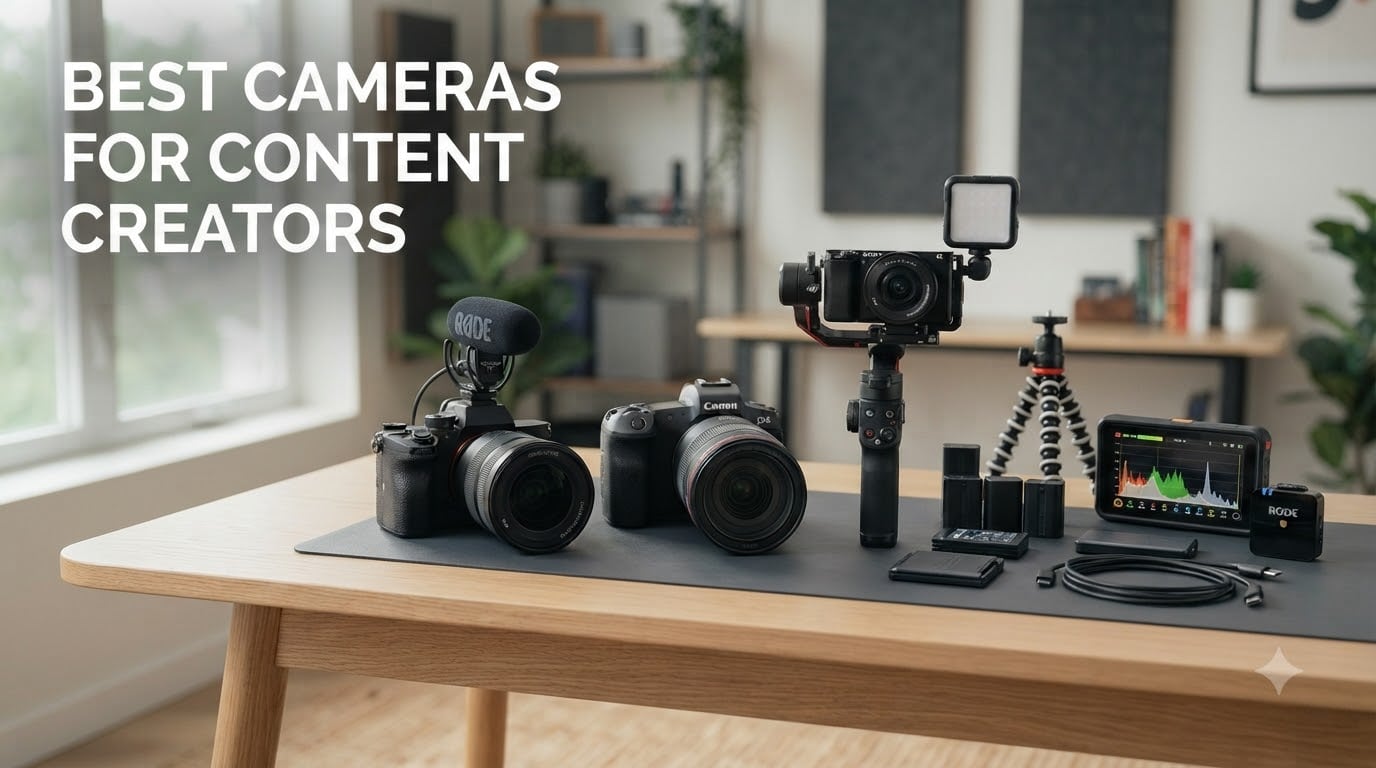
If you make videos for YouTube, Instagram, TikTok, or live streams, the right camera can make your workflow feel much easier. Our roundup of the best cameras for content creators compares eight real options for travel vlogging, hybrid photo and video work, beginner channels, and more ambitious productions.
Most creators do not need the most expensive body on the shelf. They need dependable autofocus, a screen that works while they film themselves, clean audio options, and stabilization that suits the way they shoot. We also considered sensor size, lens flexibility, vertical video support, heat behavior, and the accessories included in each package.
The best camera for content creation is the one you can carry consistently and operate without fighting. A phone is a sensible way to test your format first, but a dedicated content creation camera gives you better handling, microphone control, and room to grow.
Table of Contents
- Top 3 Picks for Content Creators (August 2026)
- Best Cameras for Content Creators in 2026
- 1. DJI Osmo Pocket 3 Creator Combo — Best Overall for Travel Vlogging
- 2. DJI Osmo Pocket 3 — Best Pocket Camera for Everyday Vlogging
- 3. Sony ZV-E10 — Best Hybrid Mirrorless Value
- 4. Canon EOS R100 — Best Budget Camera for Learning
- 5. Canon EOS R8 Content Creator Kit — Best Full-Frame Upgrade
- 6. Canon EOS R50 V — Best Creator-Focused Social Video Kit
- 7. Canon PowerShot V10 — Best Simple Pocket Vlogging Camera
- 8. Insta360 Luna Ultra Creator Bundle — Best Premium Pocket Gimbal System
- Insta360 Luna Ultra Creator Bundle – 8K Vlogging Camera with Dual Leica Lenses, 12× Zoom, 1″ Sensor, Detachable 2″ Touchscreen, Triple AI Chip, Pocket Gimbal Camera for Vlog Photography, Cosmic Black
- Who should buy the Insta360 Luna Ultra Creator Bundle?
- Who should skip the Insta360 Luna Ultra Creator Bundle?
- How to Choose the Best Camera for Content Creation?
- Frequently Asked Questions
- Final Recommendation
Top 3 Picks for Content Creators (August 2026)


Best Cameras for Content Creators in 2026
| Product | Specs | Action |
|---|---|---|
| DJI Osmo Pocket 3 Creator Combo |
|
Check Latest Price |
 DJI Osmo Pocket 3 DJI Osmo Pocket 3 |
|
Check Latest Price |
| Sony ZV-E10 |
|
Check Latest Price |
 Canon EOS R100 Canon EOS R100 |
|
Check Latest Price |
 Canon EOS R8 Content Creator Kit Canon EOS R8 Content Creator Kit |
|
Check Latest Price |
| Canon EOS R50 V bundle |
|
Check Latest Price |
 Canon PowerShot V10 Canon PowerShot V10 |
|
Check Latest Price |
 Insta360 Luna Ultra Creator Bundle Insta360 Luna Ultra Creator Bundle |
|
Check Latest Price |
1. DJI Osmo Pocket 3 Creator Combo — Best Overall for Travel Vlogging
DJI Osmo Pocket 3 Creator Combo, Vlogging Camera with 1” CMOS & 4K/120fps
1-inch CMOS
4K/120fps
3-axis gimbal
DJI Mic 2 included
Pros
- Compact body
- Excellent stabilization
- Strong low-light performance
- Creator audio included
- ActiveTrack 6.0
Cons
- Not water resistant
- Can run hot in 4K/120fps
- App registration is required
I would choose the Creator Combo for a travel-heavy channel or a creator who shoots alone. The 1-inch sensor gives the Osmo Pocket 3 more latitude indoors than a typical phone-sized camera, while the three-axis gimbal keeps walking footage smooth without making the setup feel bulky.
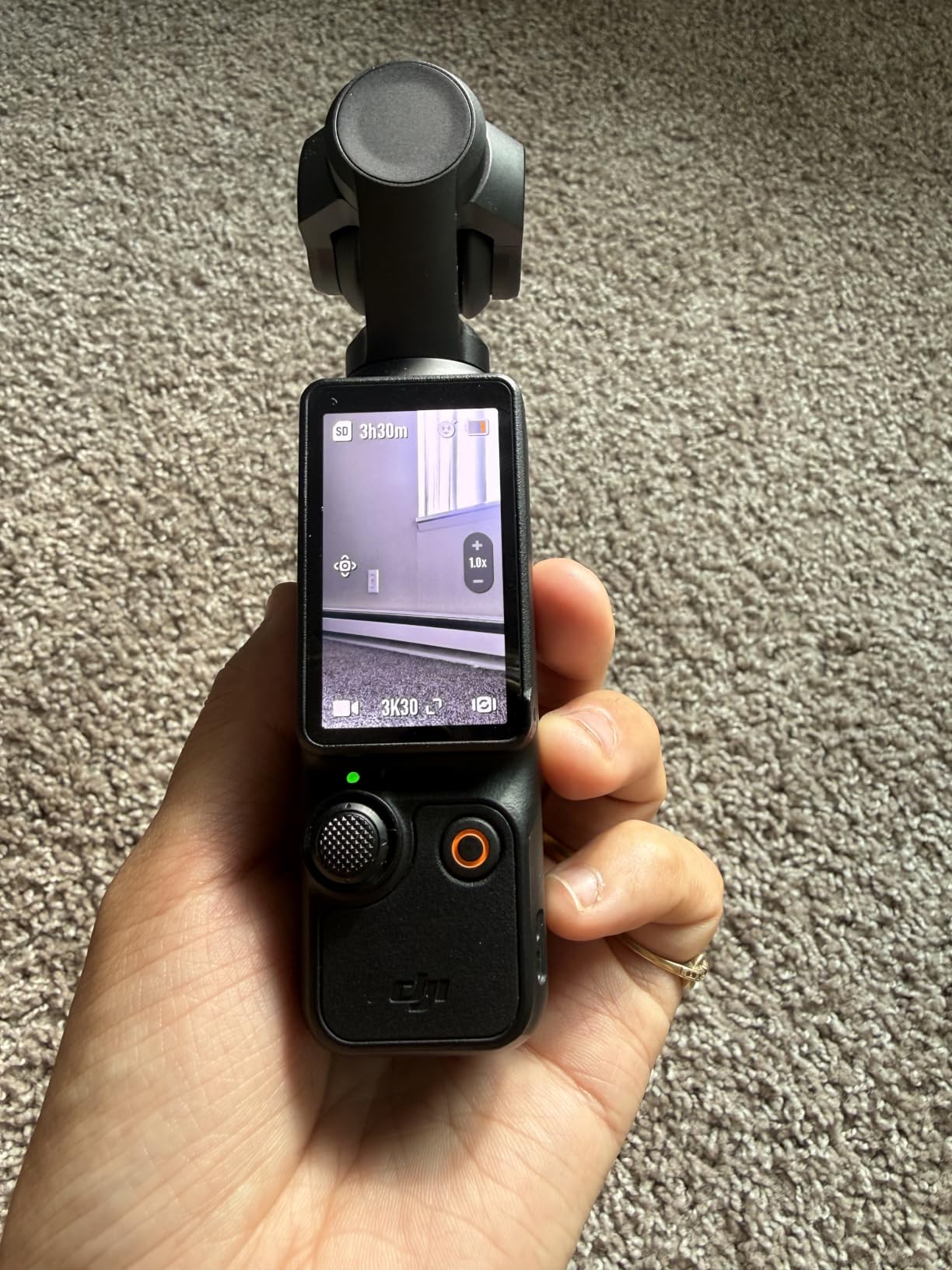
The package is unusually useful because it includes a DJI Mic 2 transmitter, so you can record a voice farther from the camera. I like the rotatable two-inch touchscreen for switching between self-facing and forward-facing shots, and ActiveTrack 6.0 helps when you cannot stand behind a tripod.
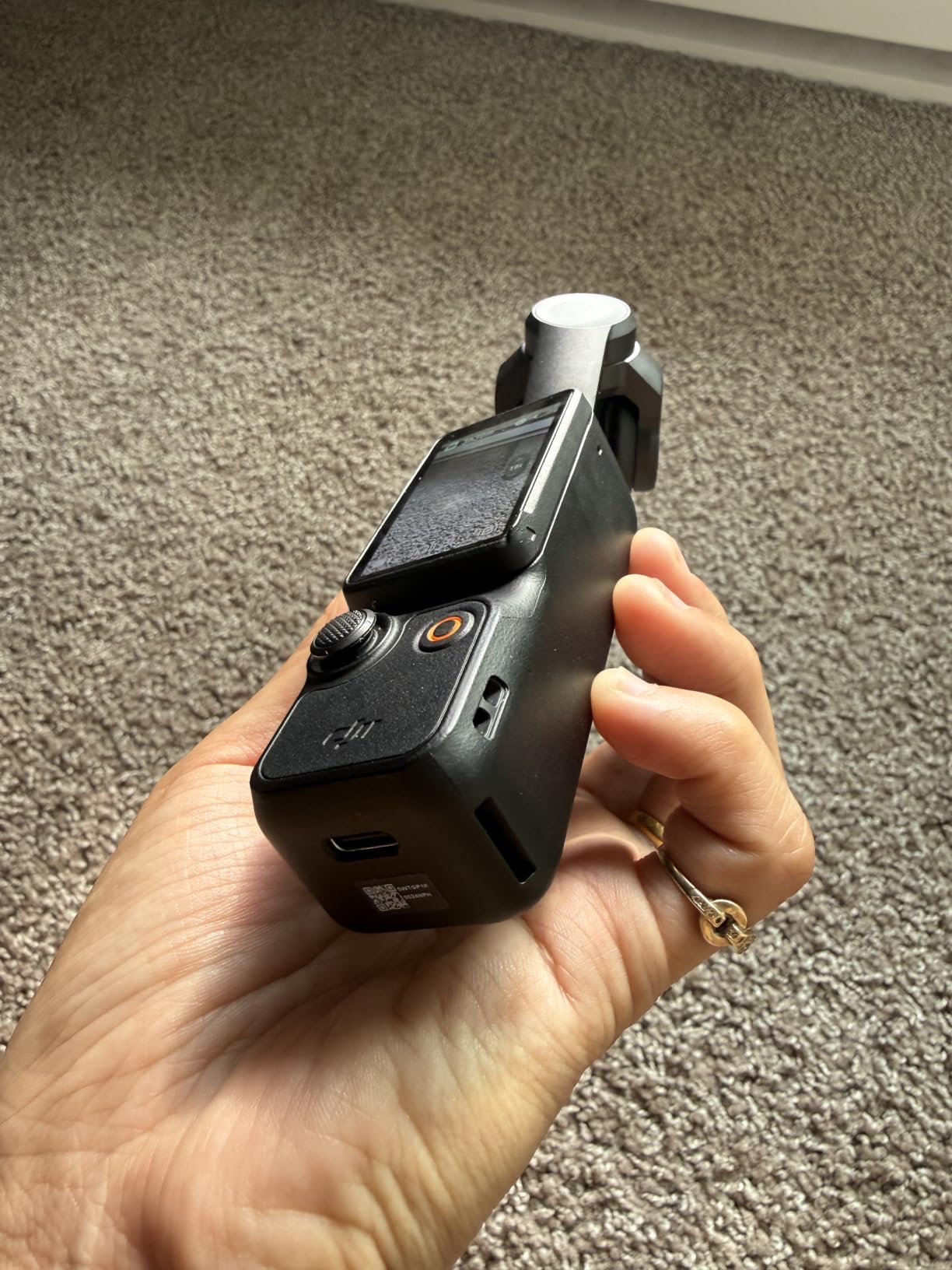
The main trade-off is durability and recording behavior. It is not water resistant, and the supplied data warns that extended 4K/120fps recording can produce heat, so I would use a lower frame rate for long outdoor sessions and carry spare power.
For creators who want one compact device for daily vlogs, short films, and vertical clips, this is the most balanced pick in the group.
Who should buy the DJI Osmo Pocket 3 Creator Combo?
Buy it if you travel, film yourself while moving, or want a camera that fits in a small bag. It is especially good for creators who value stabilization and audio more than interchangeable lenses.
Who should skip the DJI Osmo Pocket 3 Creator Combo?
Skip it if you need weather sealing, long unrestricted 4K/120fps takes, or the freedom to change lenses. A mirrorless body is a better fit for studio work with controlled lighting and a larger lens collection.
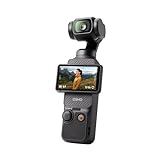
2. DJI Osmo Pocket 3 — Best Pocket Camera for Everyday Vlogging
DJI Osmo Pocket 3 Vlogging Camera with 1” CMOS & 4K/120fps Video
1-inch CMOS
4K/120fps
3-axis gimbal
179 g
Pros
- Pocketable design
- Strong stabilization
- Fast autofocus
- Good low-light footage
- Rotatable screen
Cons
- No waterproofing
- Shorter practical battery life
- App activation is required
The standard Osmo Pocket 3 keeps the core experience that makes the series popular: a 1-inch sensor, 4K/120fps recording, and mechanical stabilization in a camera weighing 179 grams. I would pick it over a phone when I need consistently smooth footage from a city walk or a crowded event.
The fast autofocus is important when you move between a face, a product, and the scene behind you. Its two-inch rotatable screen also makes selfie framing easy, although the small display is less comfortable for checking fine focus than a larger mirrorless screen.
You give up the Creator Combo’s included DJI Mic 2 transmitter and some of the kit’s convenience. That makes this a better choice for someone who already owns a wireless microphone or wants to build a more customized kit.
It is not water resistant, so I would not treat it as an all-weather action camera. Keep it protected around rain, pools, and dusty locations.
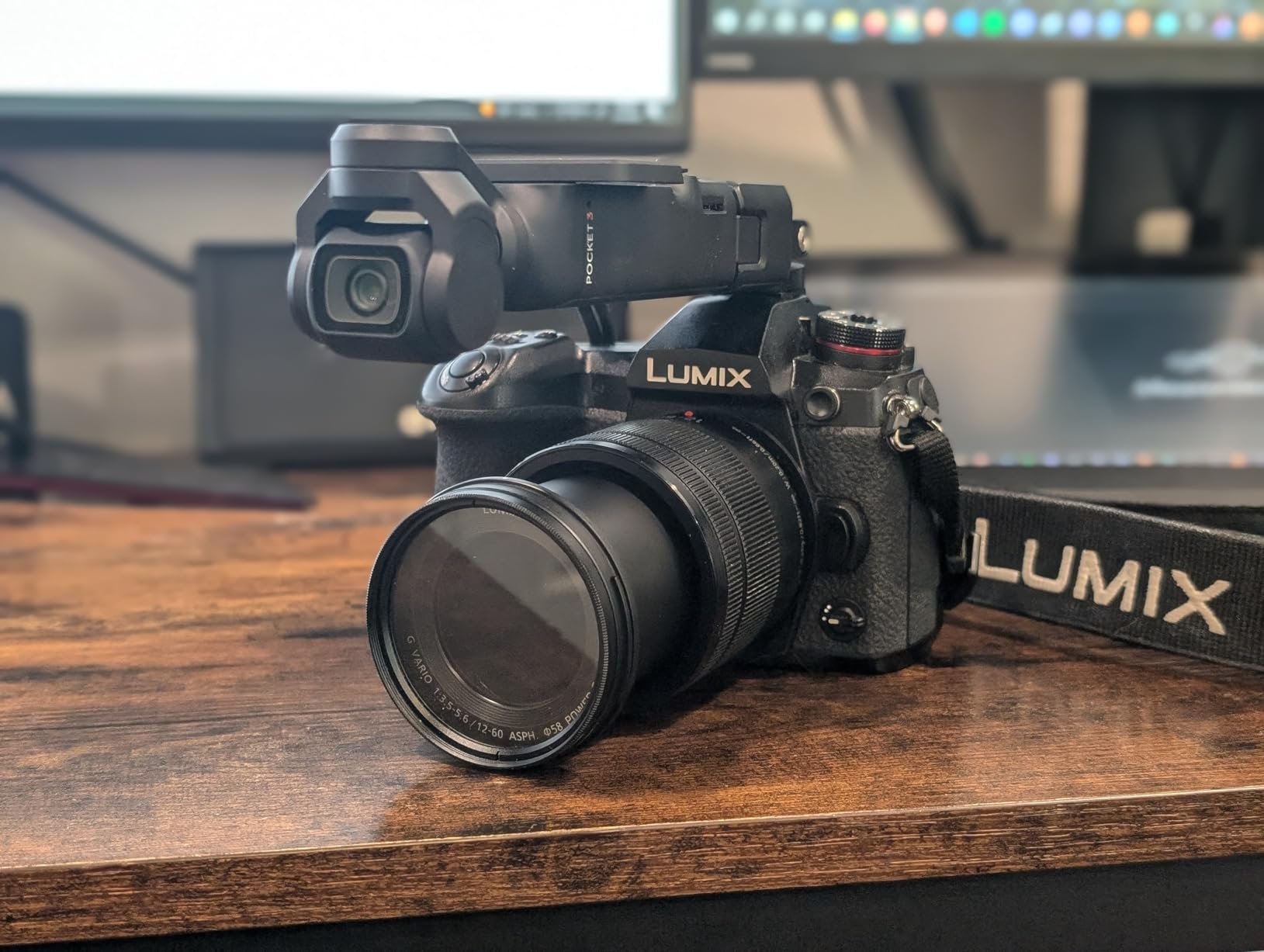
Who should buy the standard Osmo Pocket 3?
Choose it if portability is your first priority and you already have a mic or tripod. It is a strong portable vlogging camera for travel, events, and quick social updates.
Who should skip the standard Osmo Pocket 3?
Choose another model if you need optical zoom, interchangeable lenses, or a larger screen for technical demonstrations. The fixed-lens design is less flexible for product close-ups and shallow-focus portraits.
3. Sony ZV-E10 — Best Hybrid Mirrorless Value
Sony ZV-E10 APS-C Mirrorless Camera with 16-50mm Lens Black
24.2MP APS-C
4K/30p
Flip-out screen
16-50mm kit lens
Pros
- Interchangeable lenses
- Reliable autofocus
- Good stills and video
- Product Showcase mode
- Directional mic
Cons
- No viewfinder
- Used-unit quality reports
- Kit lens may need upgrading
The Sony ZV-E10 is the strongest value for a creator who wants one camera for YouTube videos, photography, and future lens upgrades. Its 24.2MP APS-C sensor and 4K video oversampled from 6K give you more room to crop and reframe than a basic compact camera.
I find the side-flip-out touchscreen more useful than a fixed screen for talking-head videos and product demonstrations. The 425-point Fast Hybrid AF, real-time Eye AF, and tracking help keep a face sharp when the camera is on a tripod and the subject moves.
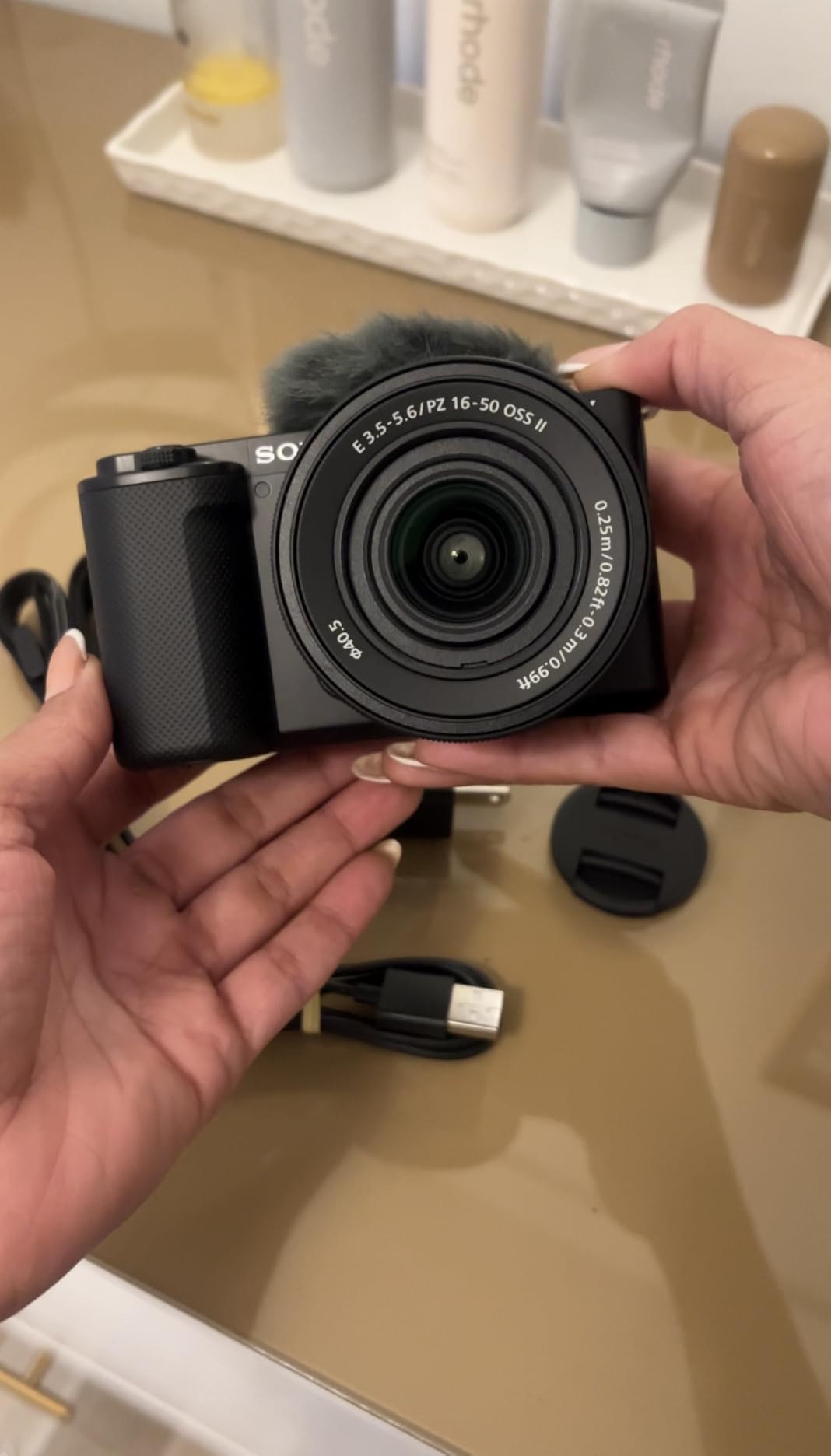
The body does not include a viewfinder, which is less important when filming yourself but can feel limiting for street photography. The kit lens is a starting point rather than a final answer, so factor a better lens into the total cost if you care about edge-to-edge sharpness or low-light performance.
For a creator who is ready to learn interchangeable lenses, this is a sensible bridge between beginner simplicity and a larger hybrid kit.
Who should buy the Sony ZV-E10?
Buy it for a YouTube channel, a photo-and-video portfolio, or a creator who expects to change lenses. It gives you more creative control than a fixed-lens vlogging camera without moving to a full-frame kit.
Who should skip the Sony ZV-E10?
Skip it if you want a tiny all-in-one setup or need a viewfinder for photography. A gimbal camera will be simpler to carry, while a newer creator-focused body may give you longer recording features.
4. Canon EOS R100 — Best Budget Camera for Learning
Canon EOS R100 Mirrorless Camera RF-S18-45mm F4.5-6.3 is STM Lens Kit, 24.1 Megapixel CMOS (APS-C) Sensor, 4K Video, Wi-Fi & Bluetooth, Beginner Photographers and Creators, Digital Camera, Black
24.1MP APS-C
4K video
Dual Pixel AF
18-45mm lens
Pros
- Easy to learn
- Compact body
- Reliable autofocus
- Wi-Fi and Bluetooth
- Good photo quality
Cons
- No in-body stabilization
- Limited kit zoom
- Weaker low-light performance
The EOS R100 is a good first camera for someone who wants to move beyond a phone without learning a complicated control system. Its 24.1MP APS-C sensor produces detailed stills, and Canon’s Dual Pixel AF makes simple talking-head recording approachable.
Wi-Fi and Bluetooth help move photos and clips to a phone, which matters when your editing workflow starts on mobile. The 18-45mm kit lens is enough to learn framing, but its limited range and lack of in-body stabilization mean you should plan for a tripod, a wider lens, or both.
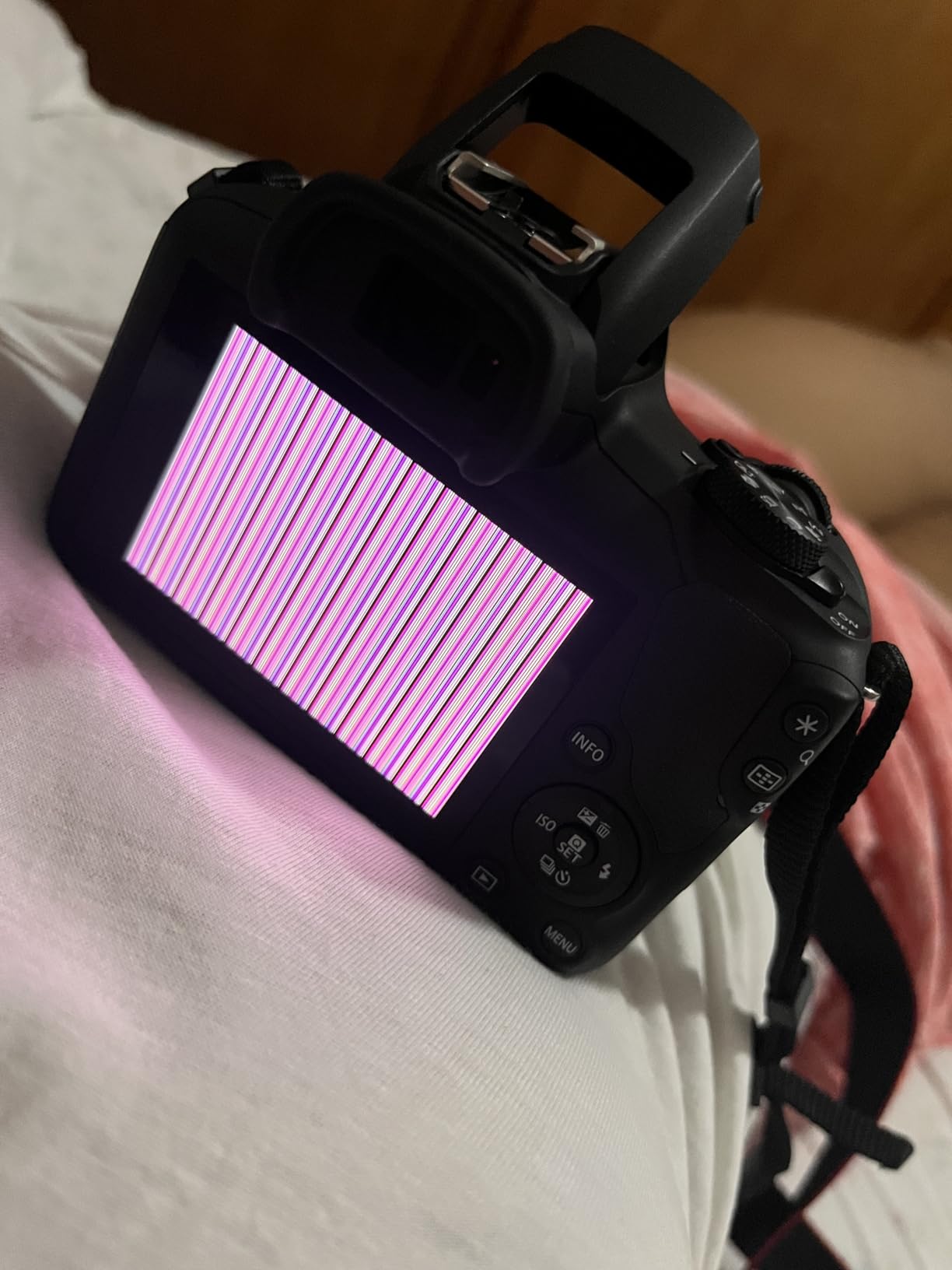
This is not my first choice for handheld 4K vlogging. Without stabilization in the body, smooth walking shots depend on a gimbal or careful post-production, and the small kit lens will be limiting when you move indoors.
Think of it as a learning tool with an upgrade path. If you later add a stabilized lens or a better lens for your subject, the camera can grow with you.

Who should buy the Canon EOS R100?
Buy it for a beginner who prioritizes photography, simple autofocus, and low setup friction. It is a good camera for learning composition and transferring files to a phone.
Who should skip the Canon EOS R100?
Skip it for frequent walking vlogs or low-light video without accessories. A camera with a flip-forward design and stronger stabilization will save more effort after the initial purchase.
5. Canon EOS R8 Content Creator Kit — Best Full-Frame Upgrade
Canon EOS R8 Content Creator Kit, Full-Frame Hybrid Mirrorless Camera with Tripod & Stereo Microphone, 24.2 Megapixel CMOS Image Sensor, 4K Video, RF Mount, Vlogging Camera, Black
24.2MP full-frame
4K/60p
Dual Pixel AF II
Creator kit
Pros
- Full-frame image quality
- 4K/60p recording
- Fast subject AF
- Lightweight body
- Mic and tripod included
Cons
- Limited stock
- No in-body stabilization
- Shorter battery life
The EOS R8 kit is the most ambitious full-frame option here, pairing a 24.2MP full-frame sensor with 6K-oversampled 4K at up to 60fps. I would consider it for polished YouTube productions, interviews, and creators who want strong low-light images and the Canon RF lens ecosystem.
Dual Pixel CMOS AF II with 1,053 zones is a meaningful advantage when recording people in changing positions. The included stereo microphone and tripod make the kit more useful on arrival, although you may still want a wireless mic for interviews and a headphone monitoring solution.
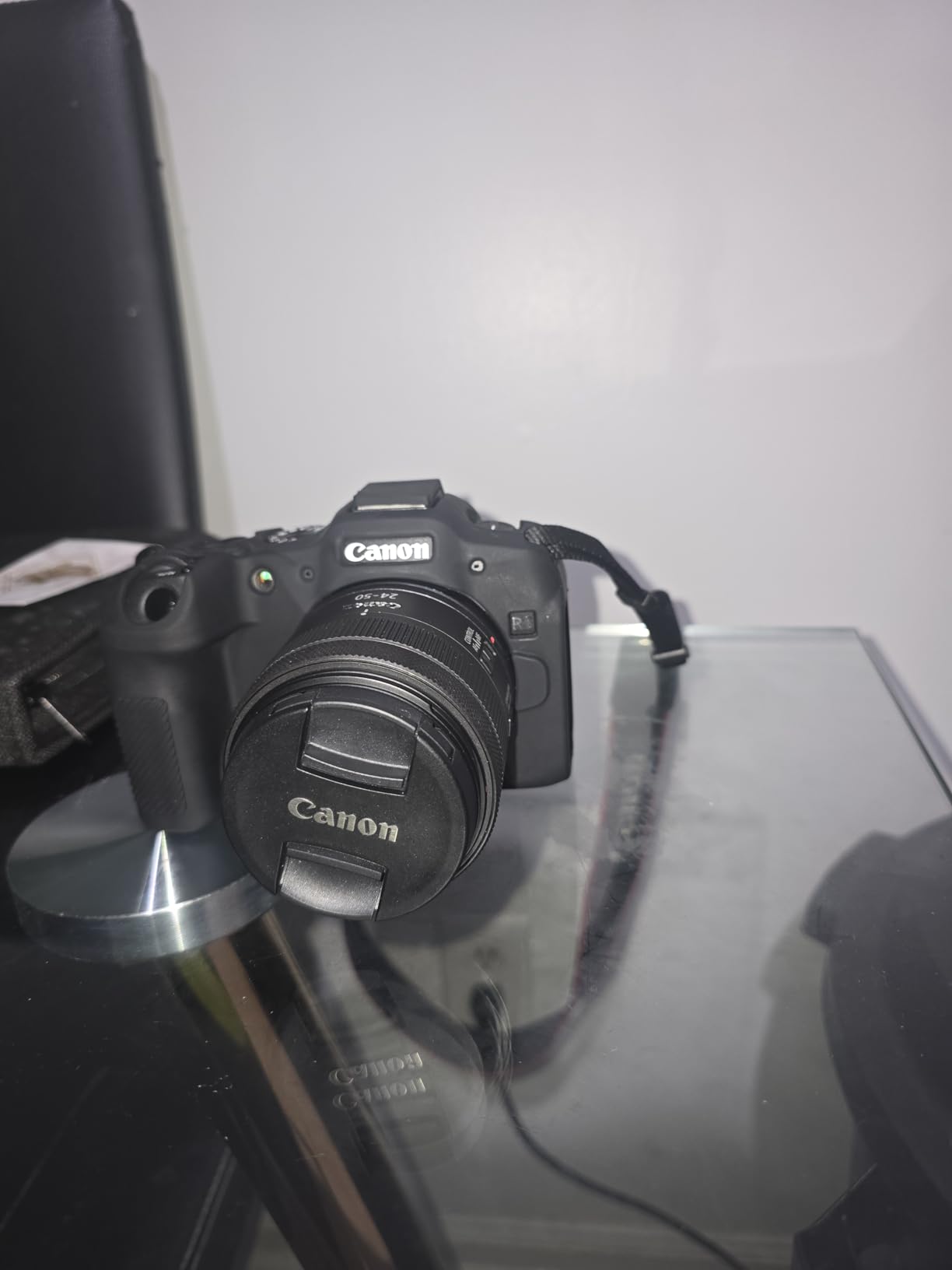
The absence of in-body stabilization is important for handheld work. I would use a stabilized lens, a gimbal, or locked-off framing rather than relying on electronic correction for every moving shot.
It is also listed with limited stock, and the supplied data records only 24 reviews. That makes careful checking of return terms and long-term support especially sensible.

Who should buy the Canon EOS R8 Creator Kit?
Buy it for a creator who is ready for full-frame image quality and wants a starter set of useful accessories. It suits controlled studio work, interviews, and hybrid photo/video projects.
Who should skip the Canon EOS R8 Creator Kit?
Skip it if you need long handheld recording without additional support gear. A compact camera or a body with in-body stabilization will be less demanding for travel and run-and-gun work.
6. Canon EOS R50 V — Best Creator-Focused Social Video Kit
Canon EOS R50 V Mirrorless Camera with 14-30mm Lens Bundle
24.2MP APS-C
Uncropped 4K
Vertical video
14-30mm bundle
Pros
- Creator-oriented controls
- 4K uncropped video
- Flip screen
- Vertical video
- Useful bundle
Cons
- No water resistance
- Small grip
- Short battery life
- Heavy listed bundle
The R50 V is built around the way social video is made. It records uncropped 4K at 30fps, supports vertical video, has a fully articulating screen, and includes a 14-30mm lens, 64GB memory card, and camera bag in the bundle.
Canon’s Dual Pixel AF with eye tracking helps when you move between your face and a product. USB-C connectivity also makes the camera a practical option for livestreaming when you want a dedicated setup instead of relying only on a phone.
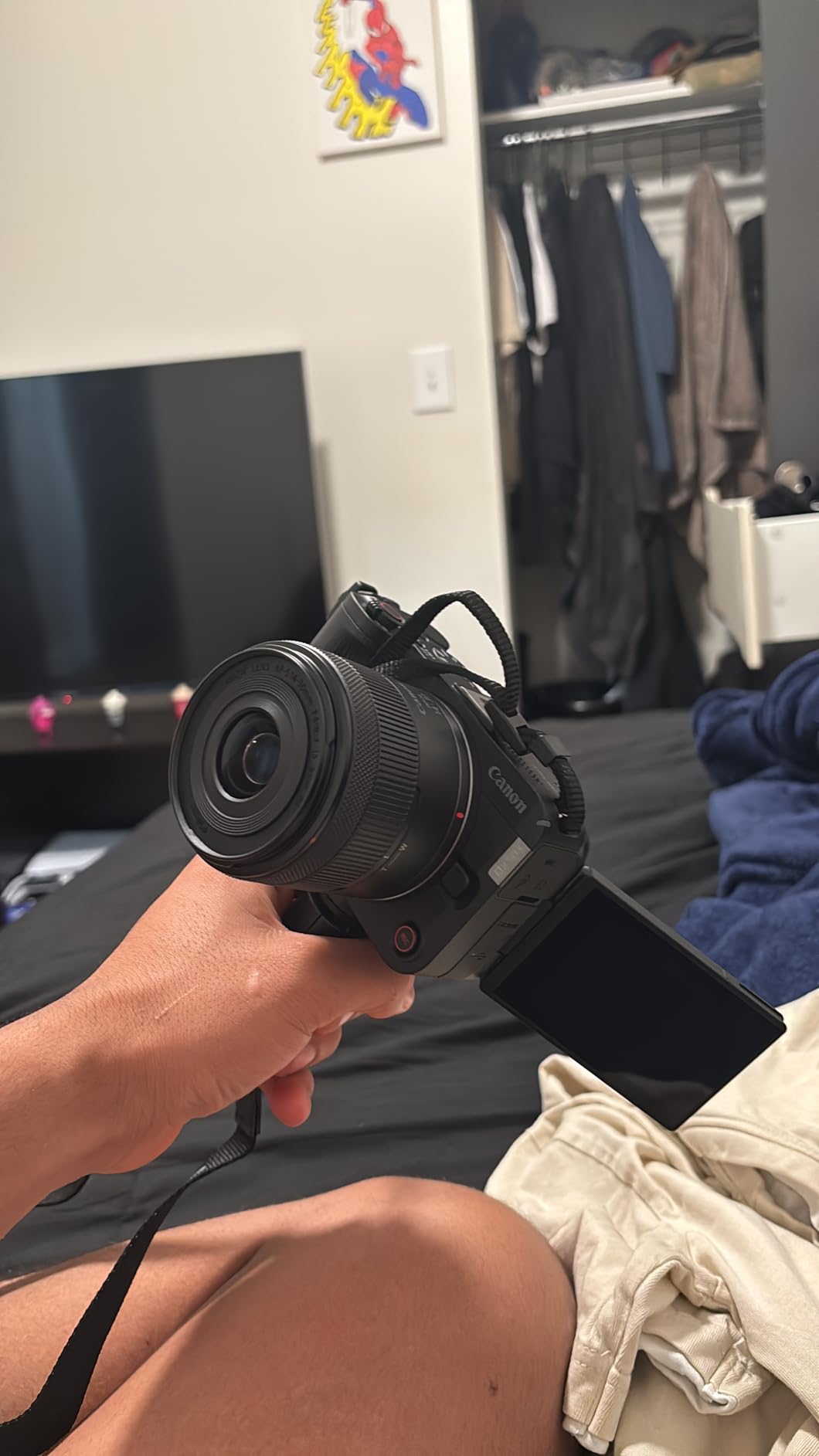
The small grip may not suit every hand, and the supplied review data flags limited battery life. I would carry spare batteries for a full day and use the included stabilization and a support accessory when filming handheld.
The listed bundle weight is 4.4 pounds, so treat that figure as the complete package rather than the camera body alone. It is a complete starter kit, but not the lightest option for travel.

Who should buy the Canon EOS R50 V bundle?
Buy it for a creator who wants vertical video, a flip screen, and accessories in one purchase. It fits social-first channels and beginners who want fewer decisions at setup time.
Who should skip the Canon EOS R50 V bundle?
Skip it if you need weather resistance, an extensive battery day, or the smallest possible kit. A pocket gimbal camera is easier to carry, while a larger body may offer more physical controls.
7. Canon PowerShot V10 — Best Simple Pocket Vlogging Camera
Canon PowerShot V10 Compact Vlogging Camera, 1″ CMOS Sensor, 4K Video Streaming, Built‑in Wide‑Angle Zoom Lens, Flip‑LCD & Stereo Mic, Image Stabilization, Creator Studio in Your Pocket, Black
1-inch CMOS
4K/30fps
Built-in stand
External mic port
Pros
- Very compact
- Built-in stand
- Front-facing screen
- External mic port
- Good built-in audio
Cons
- No optical zoom
- Short battery life
- Can overheat
- No lens cover
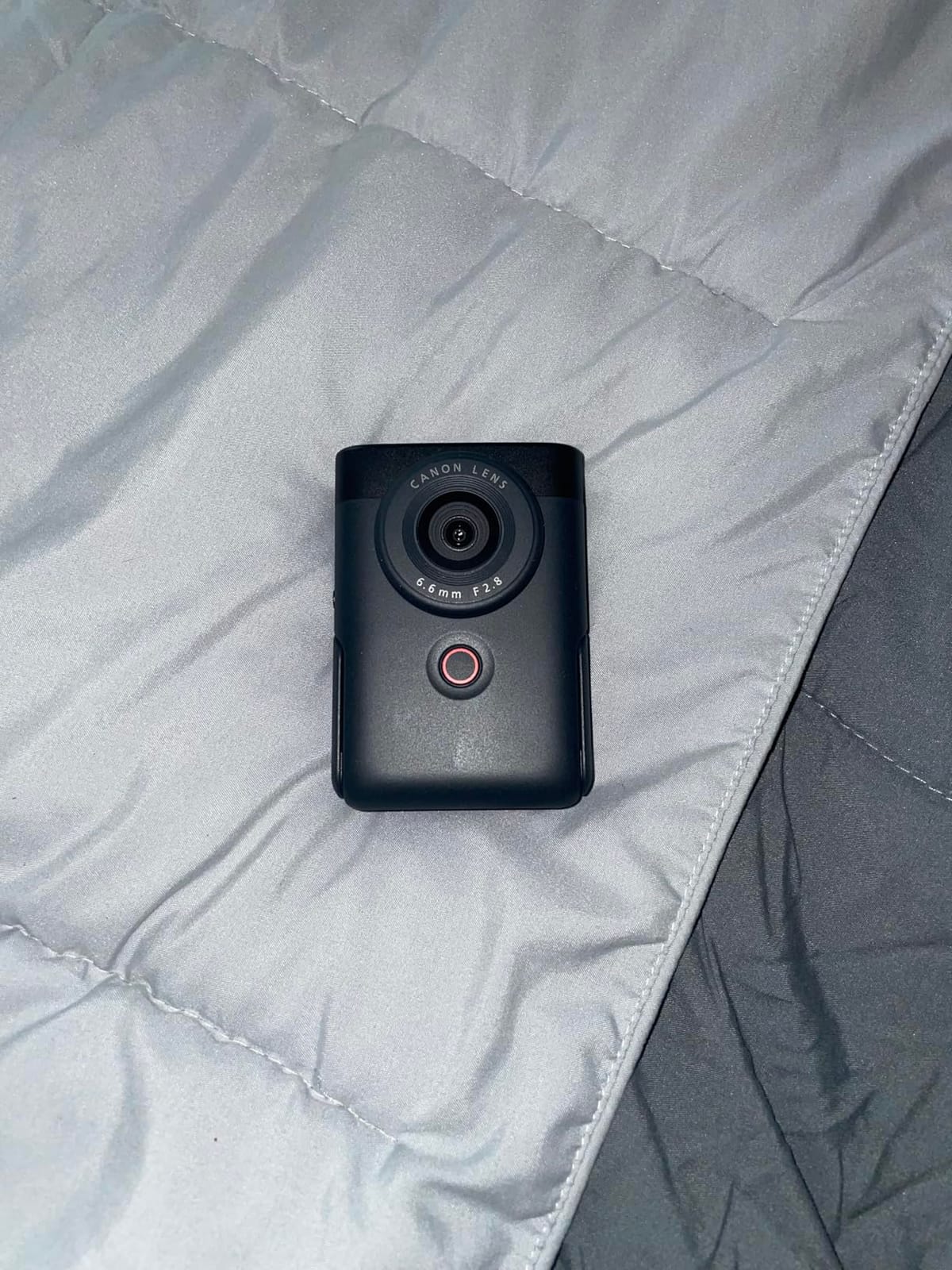
The PowerShot V10 is the simplest dedicated option for a creator who wants a camera that is ready to record almost anywhere. Its built-in stand, front-facing screen, 1-inch sensor, and stereo microphones make it easy to start a talking-head clip on a desk or table.
I like that it includes an external microphone auxiliary port and USB-C charging, because those features keep the camera useful when you move beyond casual clips. The fixed 19mm-equivalent wide lens is also sensible for handheld selfie footage.

There is no zoom while filming, so reframing requires moving the camera. The supplied review data notes short battery life, overheating during extended use, and no lens cover, so a case and spare power belong in the bag.
This is a good choice for a beginner who values simplicity over lens choices, not for someone who wants a single body to cover every type of production.
Who should buy the Canon PowerShot V10?
Buy it for quick tutorials, desk setups, travel diaries, and creators who want an easy camera with a built-in stand. It is especially approachable for someone graduating from phone video.
Who should skip the Canon PowerShot V10?
Skip it if you need zoom, all-day recording, or interchangeable lenses. A mirrorless or gimbal camera offers more flexibility when your production becomes more complex.
8. Insta360 Luna Ultra Creator Bundle — Best Premium Pocket Gimbal System
Insta360 Luna Ultra Creator Bundle – 8K Vlogging Camera with Dual Leica Lenses, 12× Zoom, 1″ Sensor, Detachable 2″ Touchscreen, Triple AI Chip, Pocket Gimbal Camera for Vlog Photography, Cosmic Black
Dual Leica lenses
8K/30fps
1-inch main sensor
4-hour battery claim
Pros
- Dual-lens versatility
- 8K recording
- Mechanical stabilization
- Detachable touchscreen
- AI tracking
Cons
- High price
- Limited stock
- Controller contact concerns
- Screen glitch reports
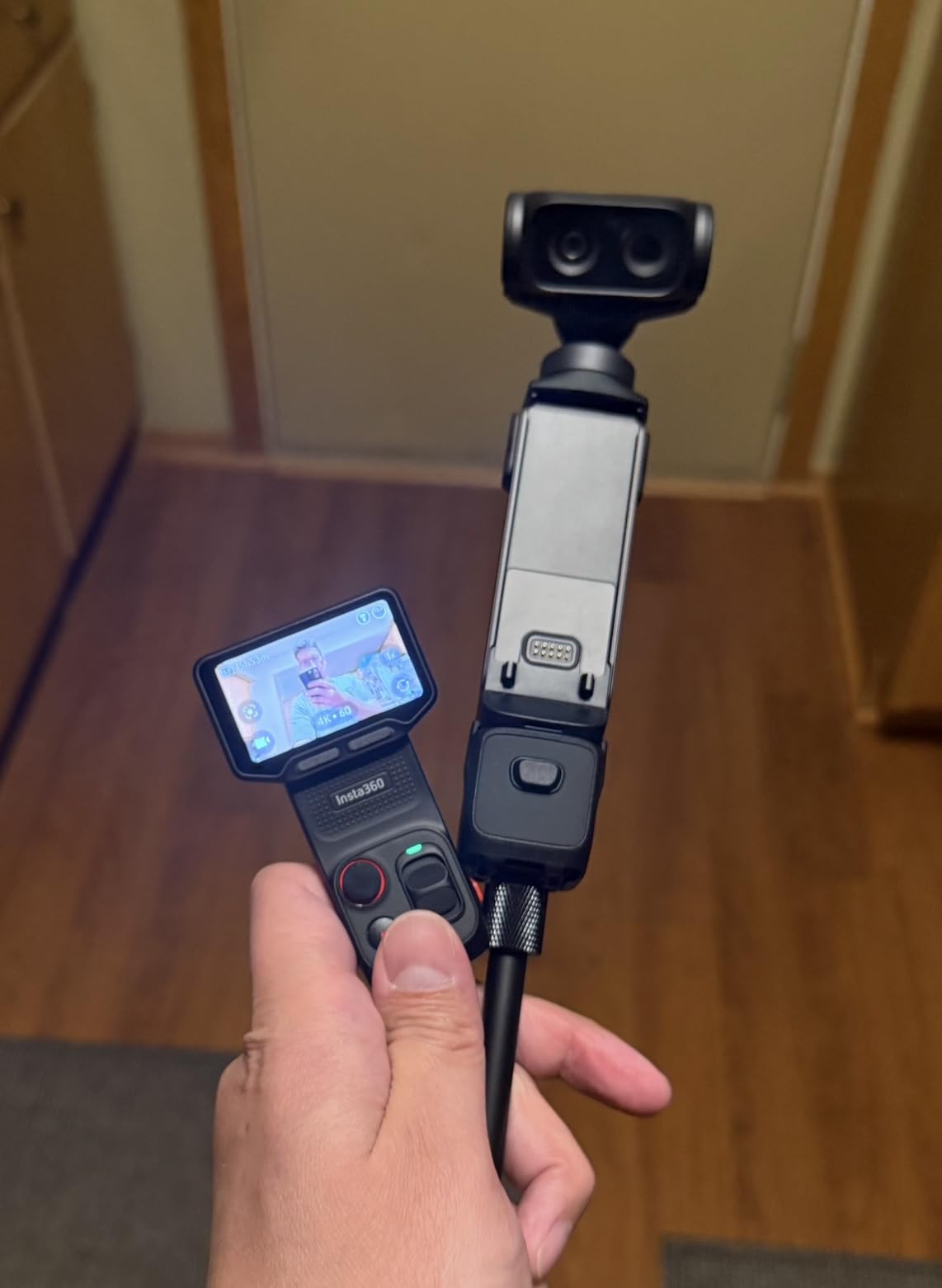
The Luna Ultra is the most specialized premium pick in this roundup. Its dual Leica lens system combines a 1-inch main sensor with a 1/1.3-inch telephoto sensor, giving you wide and zoomed perspectives without carrying interchangeable lenses.
I see the appeal for a creator who wants 8K30fps, 6x lossless zoom, 10-bit I-Log, and a detachable two-inch touchscreen that can work as a remote control. The three-axis mechanical gimbal and AI tracking also suit dynamic travel and lifestyle footage.
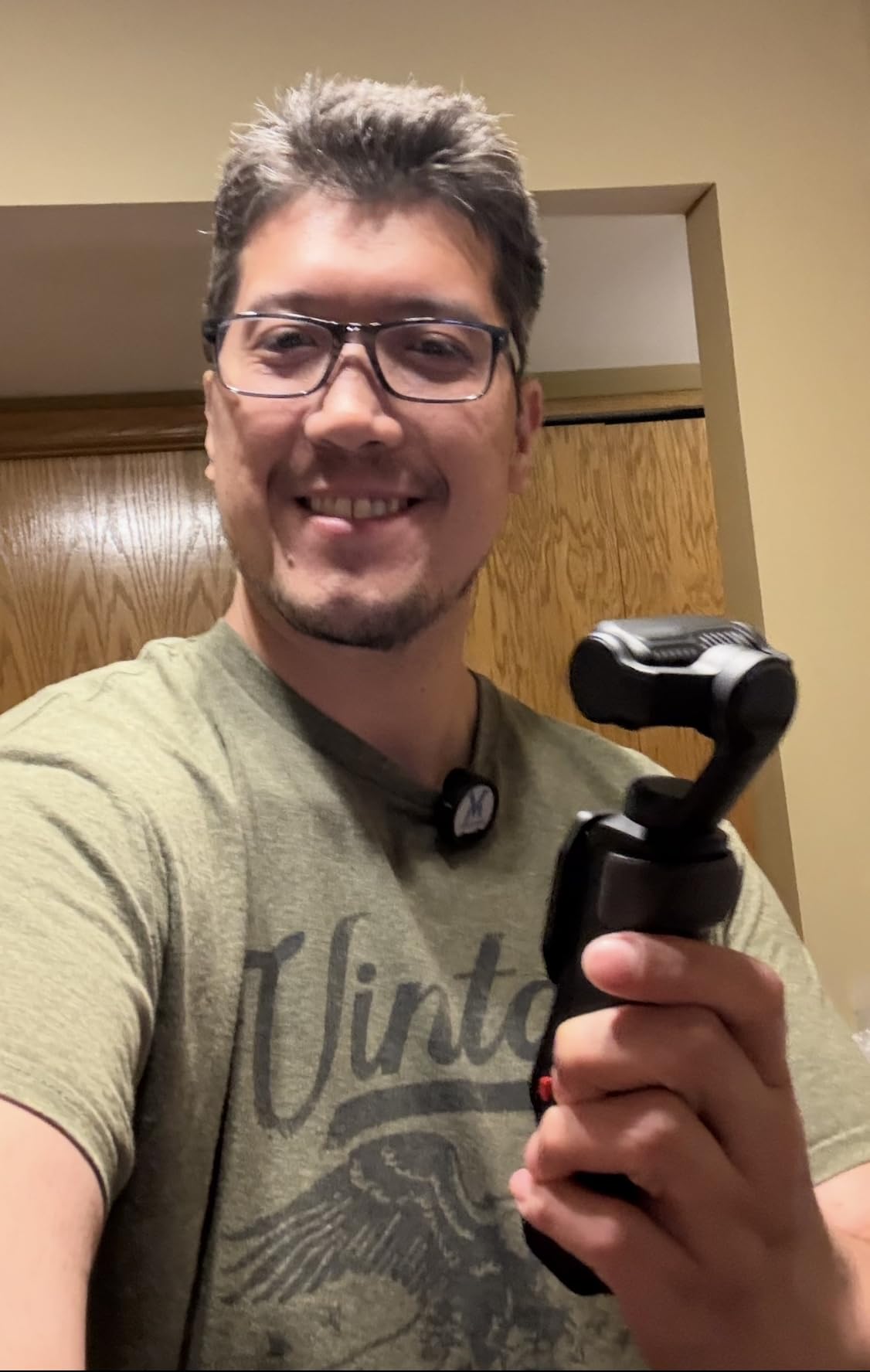
The trade-offs are practical. The review data records limited stock and reports about dirty contacts on the removable controller, plus occasional screen artifacts. Those are the exact kinds of issues I would test immediately and document during the return window.
It is also the most expensive camera in this set. I would choose it for a specific dual-lens or 8K workflow, not simply because more resolution sounds better.
Who should buy the Insta360 Luna Ultra Creator Bundle?
Buy it for premium travel video, fast reframing, and creators who want a wide-to-telephoto system in a pocketable body. It is a strong fit when AI tracking and mechanical stabilization are central to your style.
Who should skip the Insta360 Luna Ultra Creator Bundle?
Skip it if you want a proven, widely supported lens system or are sensitive to early hardware issues. A conventional mirrorless kit is easier to service and expand for many production setups.
How to Choose the Best Camera for Content Creation?
Choose by shooting style first, then by sensor size and video mode. A pocket gimbal camera wins for travel, an interchangeable-lens mirrorless camera wins for production flexibility, and a simple compact wins for quick, low-friction recording.
Match stabilization to your movement
Mechanical gimbal stabilization is best for walking and run-and-gun footage, while optical or in-body stabilization helps with slower movement and locked-off shots. If a camera has no stabilization, plan for a tripod, gimbal, or a stabilized lens.
Prioritize autofocus and framing
Look for reliable subject tracking, eye detection, and a flip-out or fully articulating screen. Those features matter more than a small resolution bump when you film yourself or demonstrate products.
Budget for audio and lighting
The community advice is consistent: audio and lighting often improve a video more than moving up one camera tier. Use a wireless microphone when possible, monitor levels, and add a small diffused light before spending on a more expensive body.
Think about your future lens system
Interchangeable lenses give you more control over background blur, wide-angle framing, and low light, but they add cost and weight. Fixed-lens cameras are easier to pack and operate, which can be the better decision for a creator who travels light.
Check recording limits and heat
Long-form creators should test 4K recording time, battery duration, and USB-C behavior before committing. Forum users commonly report overheating and short battery life, especially with older compact models.
Build a practical creator kit
Start with the camera, one good microphone, a stable support, spare batteries, and a memory card. Add a light and a second lens only after you know the kinds of videos you actually publish.
Frequently Asked Questions
Which camera do most content creators use?
Many creators use interchangeable-lens mirrorless cameras because they offer strong autofocus, 4K video, and room to change lenses. Pocket gimbal cameras are also common among travel vloggers who value portability and built-in stabilization.
What is the best camera for content creation?
The best camera for content creation depends on the workflow. The DJI Osmo Pocket 3 Creator Combo is a strong all-around travel choice, while the Sony ZV-E10 is better for creators who want interchangeable lenses and hybrid photo-video flexibility.
Is mirrorless or DSLR better for vlogging?
Mirrorless is usually better for vlogging because it is easier to pair a flip-out screen, live subject tracking, and compact video features with a lightweight body. A DSLR can still work, but its fixed screen and older video systems often make self-filming less convenient.
Do I need a 4K camera for YouTube?
4K is useful for YouTube when you want cropping flexibility, sharper large displays, or room to edit, but it is not required for every channel. Good lighting, clean audio, stable footage, and clear editing can make a 1080p video look excellent on typical viewing devices.
Final Recommendation
For most creators, the DJI Osmo Pocket 3 Creator Combo is the easiest recommendation: it is compact, stabilized, records detailed 4K, and includes a wireless microphone. The Sony ZV-E10 is the better choice when interchangeable lenses and hybrid photography matter, while the Canon EOS R50 V bundle is a strong social-video package for creators who want vertical recording and useful accessories from day one.
Choose the camera that matches the videos you can repeat, not the longest feature list. Test your real recording setup, audio, lighting, and editing workflow before you buy, and use the return period to confirm comfort, heat behavior, and battery life.