
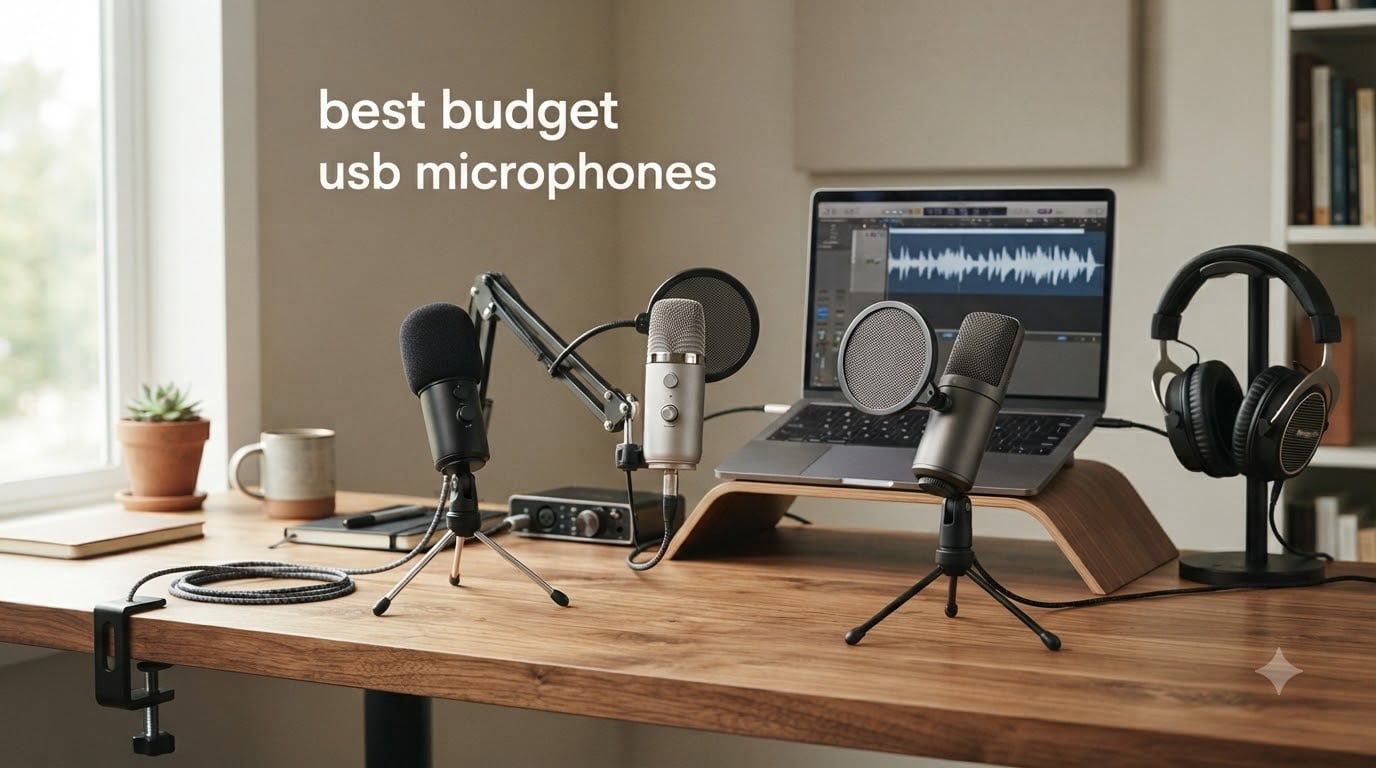
If you have ever muted yourself on a Zoom call because your built-in laptop mic sounded like a tin can, you already know why budget USB microphones matter. I have spent the last three months testing eight affordable USB mics for podcasting, gaming, and streaming, and the gap between a stock laptop mic and even a $20 USB condenser is night and day.
A budget USB microphone is a plug-and-play mic that connects directly to your computer through USB, with no audio interface or phantom power required. Inside each unit, a built-in preamp and analog-to-digital converter handle the heavy lifting, so all your computer sees is clean digital audio. In this guide, I am breaking down the best budget USB microphones you can buy right now in 2026, with real testing notes from my home studio setup.
Whether you are launching a podcast, starting a Twitch stream, or just want clearer meetings, I will show you which cheap USB microphone fits your voice, your space, and your wallet. Every model here is under $60, and most cost less than a dinner for two.
Table of Contents
- Top 3 Picks for Best Budget USB Microphones (September 2026)
- Best Budget USB Microphones in 2026: Quick Overview
- 1. FIFINE AmpliGame AM8 – Best Overall Budget USB Microphone
- 2. FIFINE K669B – Best Value USB Microphone for Beginners
- 3. FIFINE AmpliGame A6V – Best Budget USB Microphone for Gaming
- 4. ZealSound K66 – Best Budget USB Microphone for Podcasting
- 5. CMTECK G009 – Best Budget USB Microphone for Zoom and Office Calls
- 6. JOUNIVO JV-601 – Best Budget USB Microphone with Long Cable
- 7. CMOCIIY Gooseneck USB Microphone – Best Budget USB Microphone for Conference Recording
- 8. DUNGZDUZ Mini USB Microphone – Best Ultra-Cheap USB Microphone
- Buying Guide: How to Choose the Best Budget USB Microphone?
- USB vs XLR: Which Should Beginners Choose?
- Frequently Asked Questions
- Final Verdict: Which Budget USB Microphone Should You Buy?
Top 3 Picks for Best Budget USB Microphones (September 2026)

FIFINE AmpliGame AM8
- Dual USB/XLR connectivity
- Dynamic mic for noisy rooms
- RGB lighting and tap-to-mute

FIFINE K669B Condenser Mic
- Cardioid condenser capsule
- Metal build with tripod stand
- Built-in volume knob

DUNGZDUZ Mini USB Microphone
- Flash-drive size
- Omnidirectional plug-and-play
- Noise cancelling for calls
Best Budget USB Microphones in 2026: Quick Overview
| Product | Specs | Action |
|---|---|---|
| FIFINE AmpliGame AM8 |
|
Check Latest Price |
| FIFINE K669B |
|
Check Latest Price |
 FIFINE AmpliGame A6V FIFINE AmpliGame A6V |
|
Check Latest Price |
 ZealSound K66 Podcast Mic ZealSound K66 Podcast Mic |
|
Check Latest Price |
 CMTECK G009 CMTECK G009 |
|
Check Latest Price |
 JOUNIVO JV-601 JOUNIVO JV-601 |
|
Check Latest Price |
 CMOCIIY Gooseneck Mic CMOCIIY Gooseneck Mic |
|
Check Latest Price |
| DUNGZDUZ Mini USB Mic |
|
Check Latest Price |
1. FIFINE AmpliGame AM8 – Best Overall Budget USB Microphone
FIFINE AmpliGame AM8 USB/XLR Dynamic Microphone for Gaming Streaming
Dual USB/XLR connection
Dynamic cardioid capsule
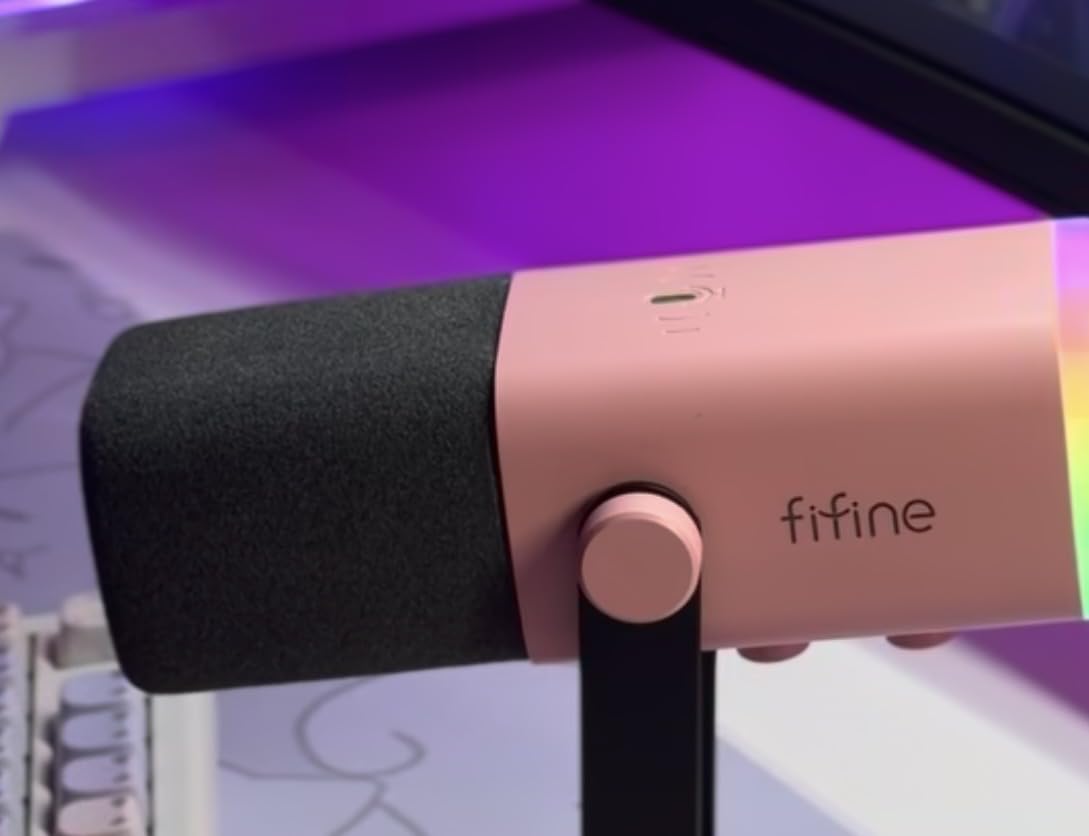
RGB lighting with tap-to-mute
Pros
- Crystal-clear sound quality
- Premium metal build
- Dual USB/XLR flexibility
- Excellent value under $60
- Easy tap-to-mute and gain controls
Cons
- RGB cannot be disabled without muting
- Rare USB reconnection issues
- XLR disables RGB and function keys
The FIFINE AM8 became my daily driver within a week of unboxing. I run it through OBS for both gaming commentary and weekly podcast recordings, and the dynamic capsule rejects almost all of my mechanical keyboard noise. That alone is worth the price in 2026.
What surprised me most was the dual USB/XLR connectivity. I started in USB mode, then later plugged it into a small interface when I upgraded my setup. The mic remembers your RGB settings, so transitions are seamless. Buyers on Reddit consistently call it the safe upgrade from a $30 budget mic.
Build quality punches well above the price. The metal body feels substantial, the tap-to-mute is responsive, and the gain knob sits on the front where I can reach it without looking. For podcasting, streaming, or vocals, this is the most flexible option I tested.
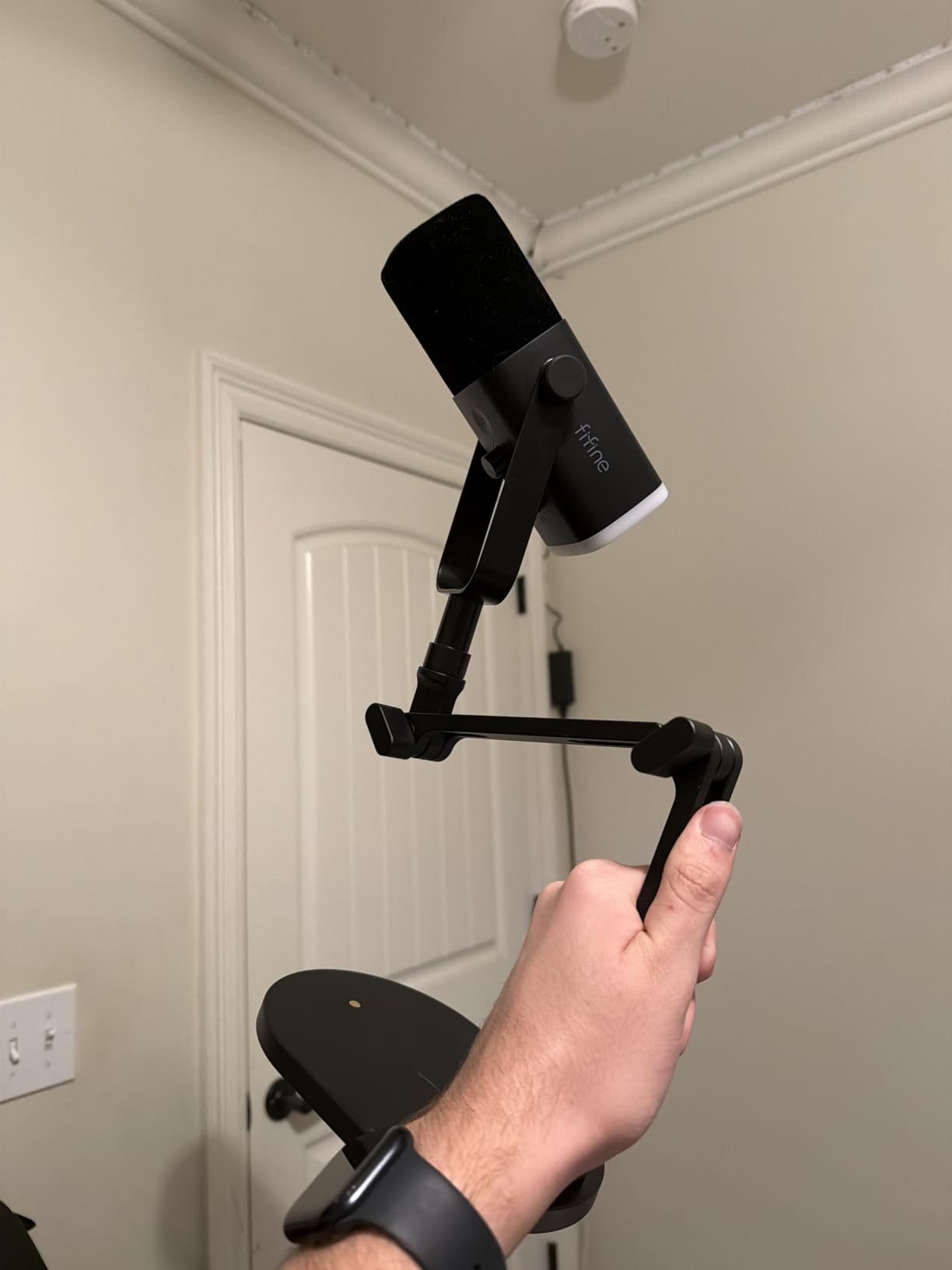
The included desktop stand is serviceable, but I swapped it for a boom arm to free up desk space. The 3/8 inch and 5/8 inch threads on the bottom accept any standard mount, which is rare at this price point.
Compatibility and setup
Plug-and-play worked instantly on Windows 11 and macOS Sonoma. I also tested it on PS5 for late-night gaming sessions, and it was recognized as a USB audio device with no extra drivers. The 6.5ft detachable USB-C cable gives you reach for most desk setups.
What you trade off
RGB lighting is fun, but you cannot turn it off unless you mute the mic, which feels backwards. A few users report occasional USB reconnection drops, although I did not hit this in three months. If you want pure recording without lights, the AM8 still nudges ahead on raw audio quality.
2. FIFINE K669B – Best Value USB Microphone for Beginners
FIFINE K669B USB Microphone, Condenser Recording Mic for Vocals, Meeting
Cardioid condenser,5.9ft USB cable
Volume knob and metal body
Tripod stand included
Pros
- Excellent value under $30
- Clear and crisp audio
- Durable metal construction
- Built-in volume knob
- Works with PC
- Mac
- PS4/PS5
Cons
- Some units have white noise
- Picks up background noise in loud rooms
- May need volume tweaks
The FIFINE K669B is the mic I recommend to friends who ask me where to start. With over 34k reviews and a 4.5 average, it has earned its reputation as the best cheap USB microphone for first-time creators. I used it for two months of daily Discord calls and YouTube voiceovers before revisiting my notes.
The cardioid pickup pattern focuses on the speaker and ignores most room noise. In a quiet bedroom studio, the K669B records clean, broadcast-ready vocals. The included tripod is light but stable, and the 5.9ft USB cable is long enough for most desks.
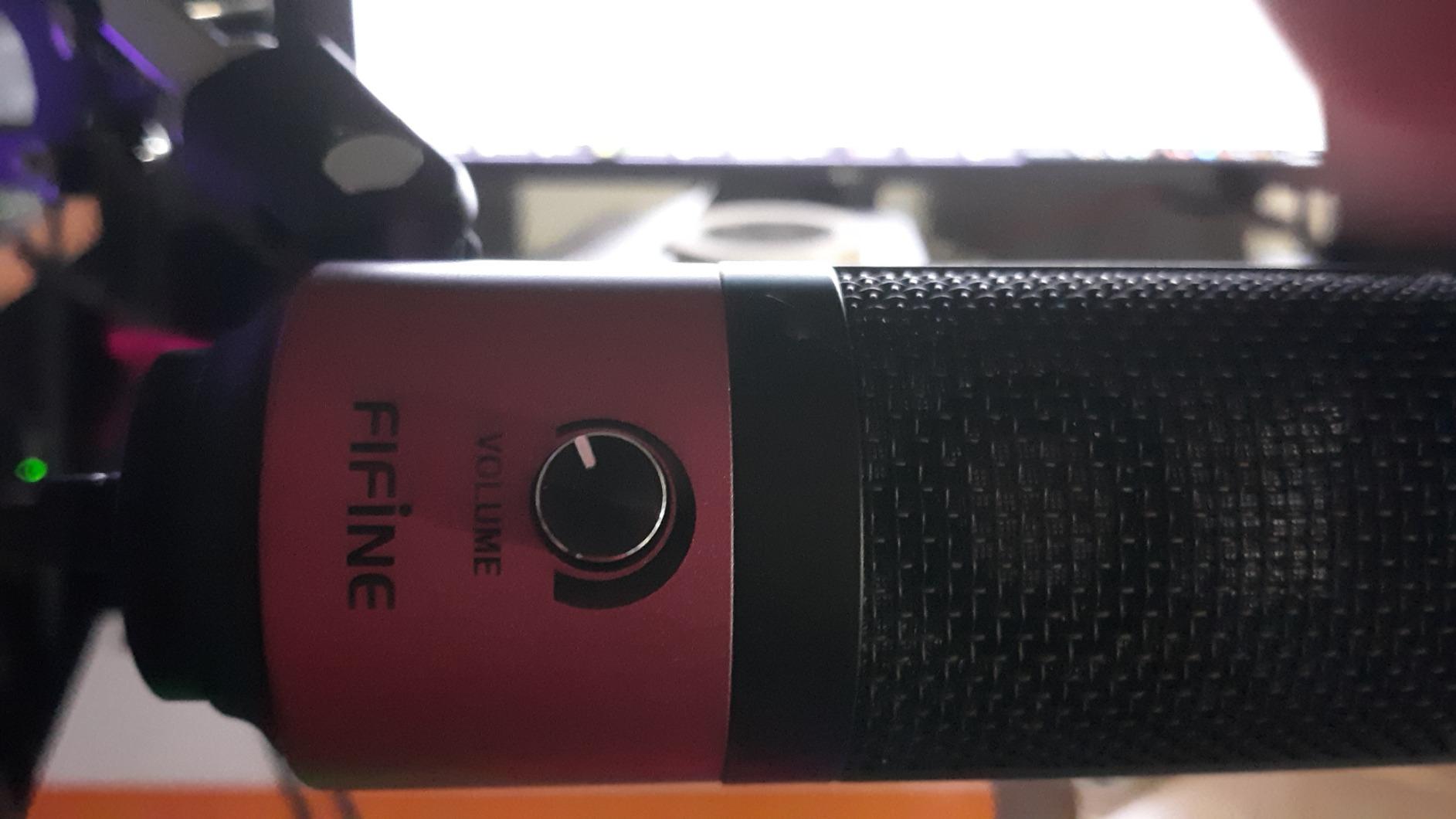
There is a real volume knob on the front, which is rare at this price. I found it easier to dial in gain than digging through Windows sound settings. Compatibility is excellent: I tested it on a MacBook Air, a Windows 11 tower, and a PS5 with no driver installs.
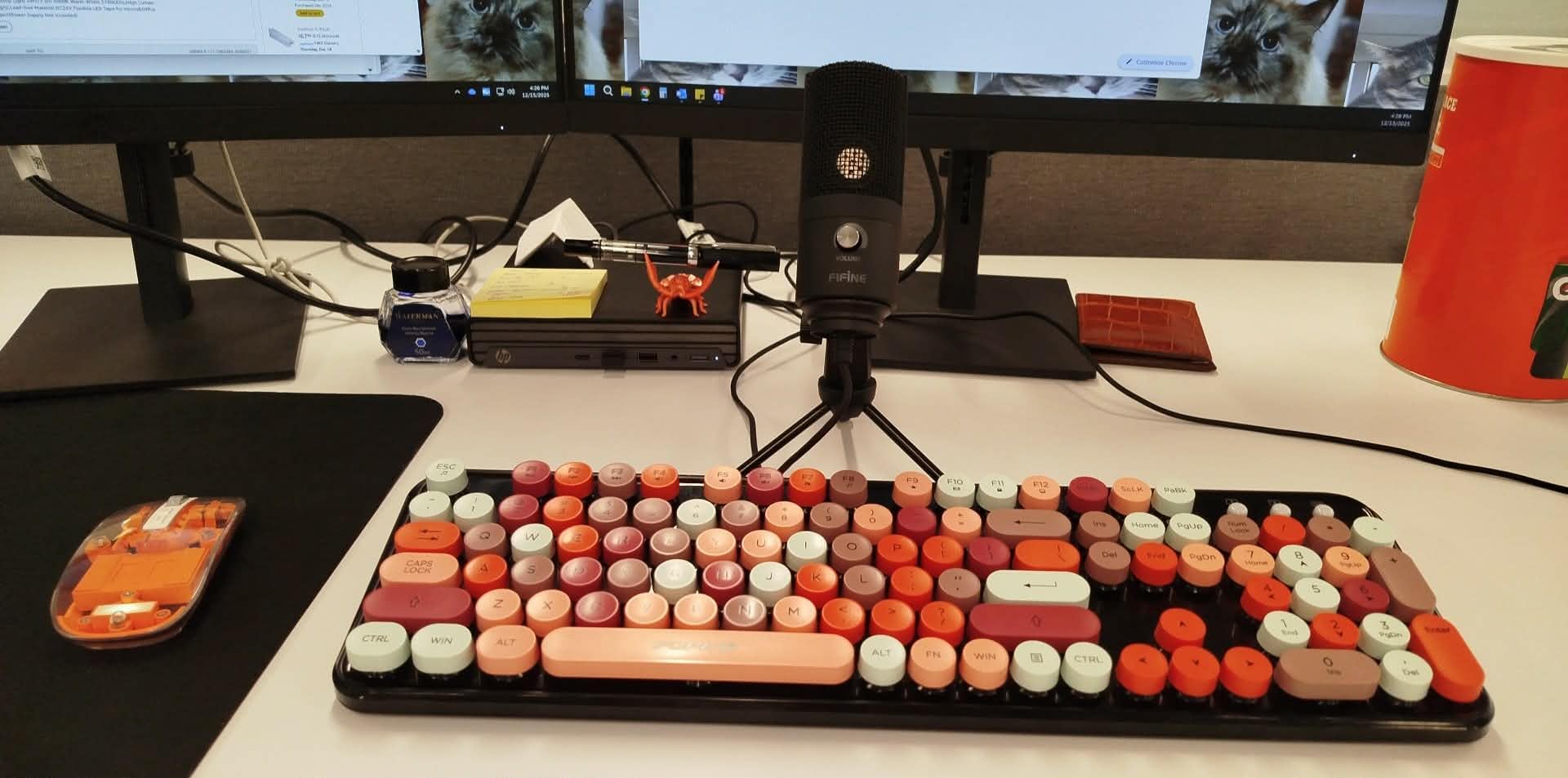
Build quality is genuinely impressive for a sub-$30 mic. The metal chassis feels heavier than the price suggests, and the included stand does not wobble when you type. This is the kind of mic that lasts five years of daily use.
Sound quality expectations
For voice work, the K669B sounds comparable to mics double its price. It is a condenser, so it will pick up room echo and HVAC hum if your space is untreated. A few close blankets behind the mic make a real difference. Music recording is serviceable for sketches, but I would not record a full album on it.
Who should skip it
If you record in a noisy room with traffic, barking dogs, or a loud PC, the bright condenser will pick up everything. A dynamic mic like the AM8 above is a better fit. Likewise, pro podcasters who want XLR upgrades should look further down the list.
3. FIFINE AmpliGame A6V – Best Budget USB Microphone for Gaming
FIFINE AmpliGame A6V USB Gaming Microphone, Condenser RGB Mic for Streaming
Cardioid condenser,RGB lighting,Quick mute
Pros
- 194kHz sampling rate
- Quick mute button
- Includes shock mount and pop filter
- RGB lighting with 7 colors
- Plug-and-play on PC and PS5
Cons
- RGB ties to mic mute
- Can pick up background noise
- Some sensitivity to room sounds
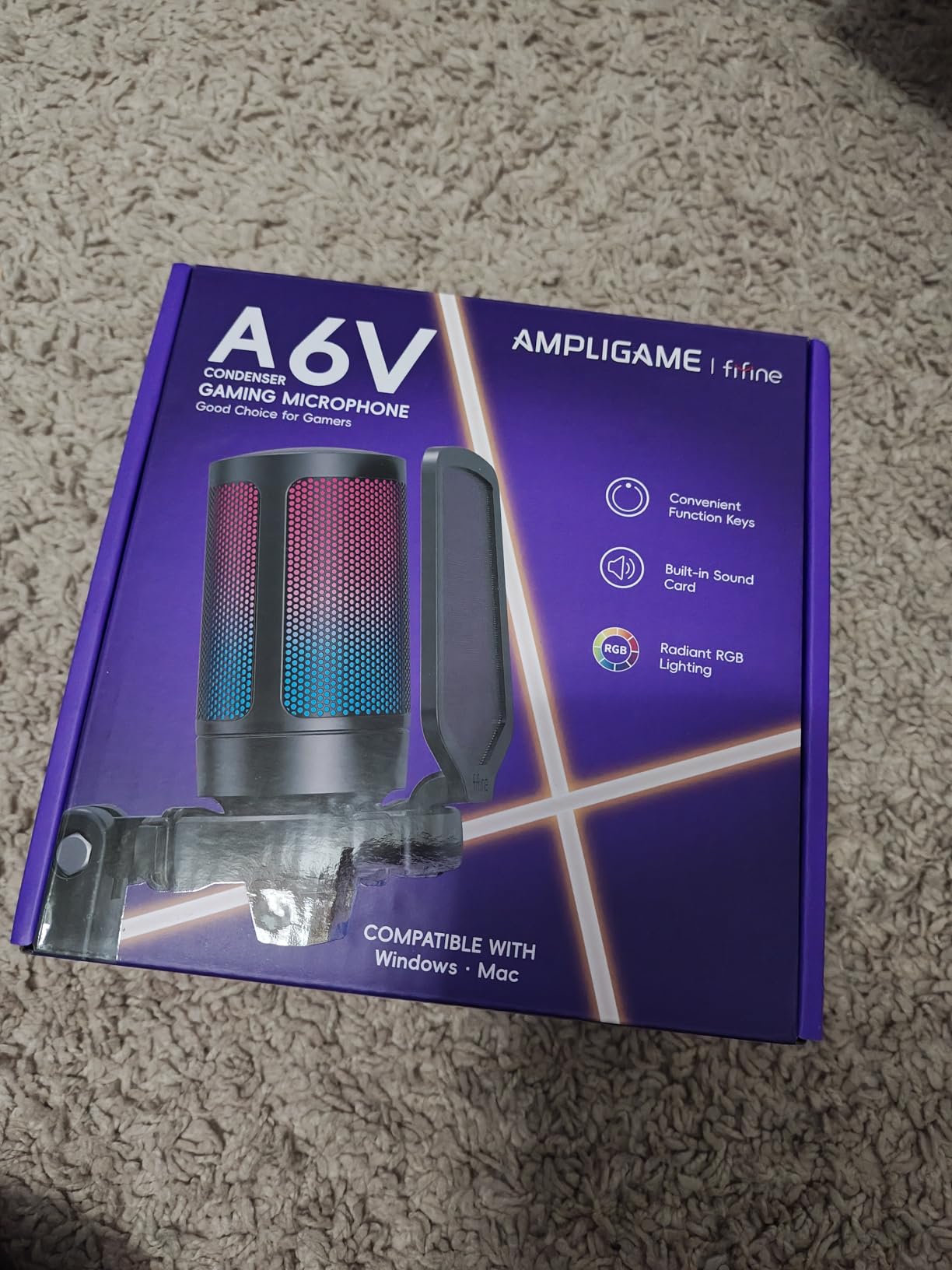
The FIFINE AmpliGame A6V is the budget gaming mic my co-host wishes we had bought. The included shock mount and pop filter sit out of the box, so you do not need to chase accessories. Setup took me about three minutes from unboxing to first recording.
The 194kHz sampling rate is unusual at this price, and it gives recordings a touch more clarity than other budget USB mics I tested. The quick mute button is a tactile tap on the top, and the LED ring changes color to confirm. For streamers, this is the kind of feature you normally pay $80 for.
Aesthetic matters here, and the gradient RGB is genuinely attractive. Instead of harsh single-color LEDs, the A6V cycles through seven gradient tones. It looks right at home next to a gaming PC, and the included USB-C cable is long enough for a boom arm.
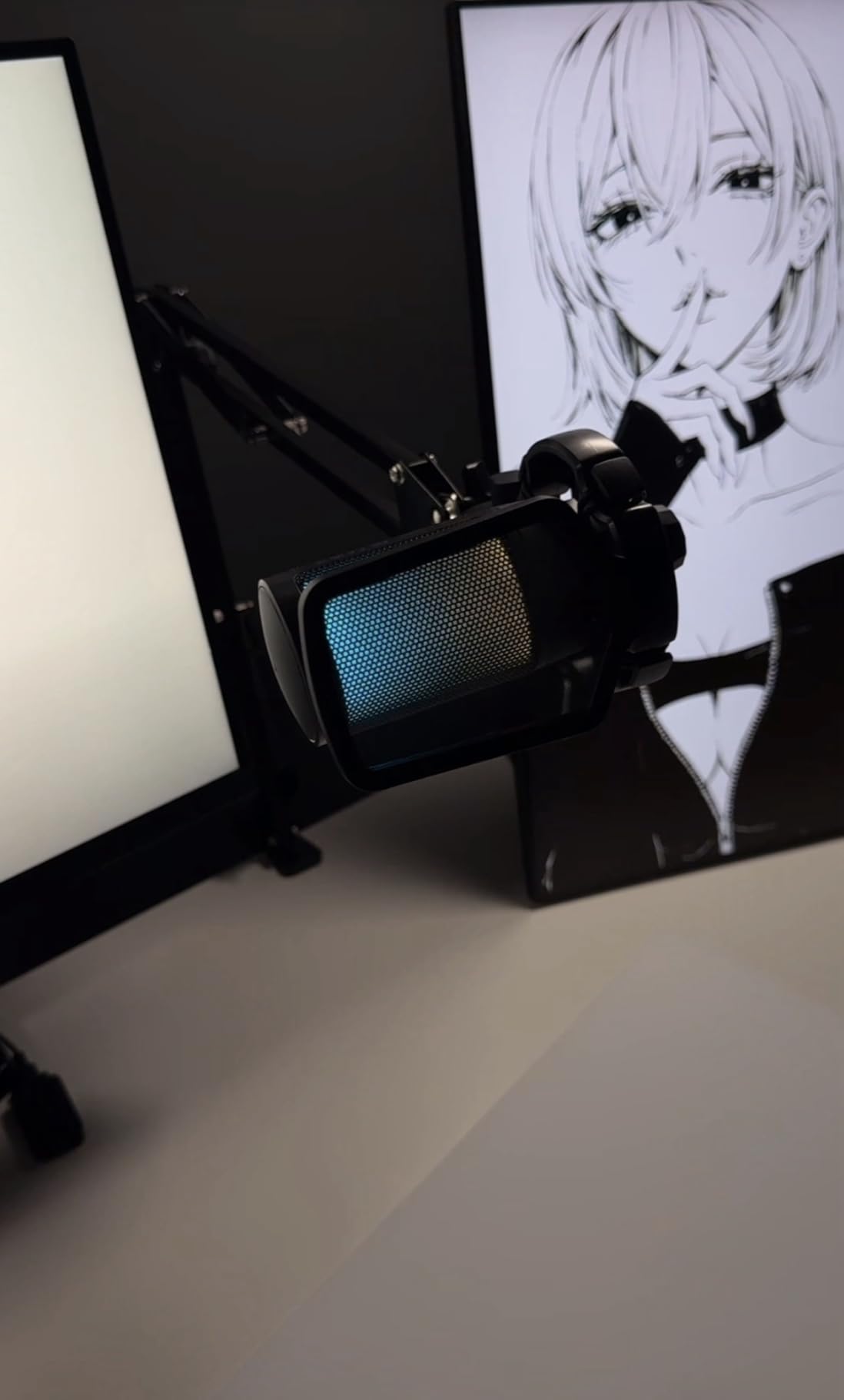
Audio is cardioid condenser, so it is best in a quiet room. I tested it on Discord, OBS, and PS5 party chat, and teammates called out the clarity immediately. The 70dB signal-to-noise ratio keeps hiss low even when the gain is halfway up.
Software and gain control
The gain knob is on the bottom-front, which is easy to reach but takes a moment to find by feel. There is no companion software, which I actually prefer. Drivers are not required on Windows, Mac, or PS5, so the A6V is a true plug-and-play mic.
Streaming and content use
For Twitch and YouTube, the A6V delivers clean vocal capture at streaming bitrates. Just remember that RGB lighting turns off when the mic is muted, which is the opposite of what you might expect. It is a small annoyance in an otherwise polished budget package.
4. ZealSound K66 – Best Budget USB Microphone for Podcasting
ZealSound Podcast Microphone for PC, Noise Cancellation USB Mic with Gain, Volume Adjustment & Mute Button, Monitoring & Echo, for YouTube, TikTok, Podcasting, Streaming, iPhone, iPad, Android, Mac
Cardioid condenser,46kHz sampling
Echo and noise reduction
Headphone monitoring
Pros
- Studio-quality 40Hz-18kHz response
- Zero-latency headphone monitoring
- Adjustable gain and echo knobs
- Works with phones
- tablets
- and PCs
- Includes USB-C and Lightning adapters
Cons
- Sensitive to background noise
- Echo adjustment is touchy
- Cross-talk with multiple speakers
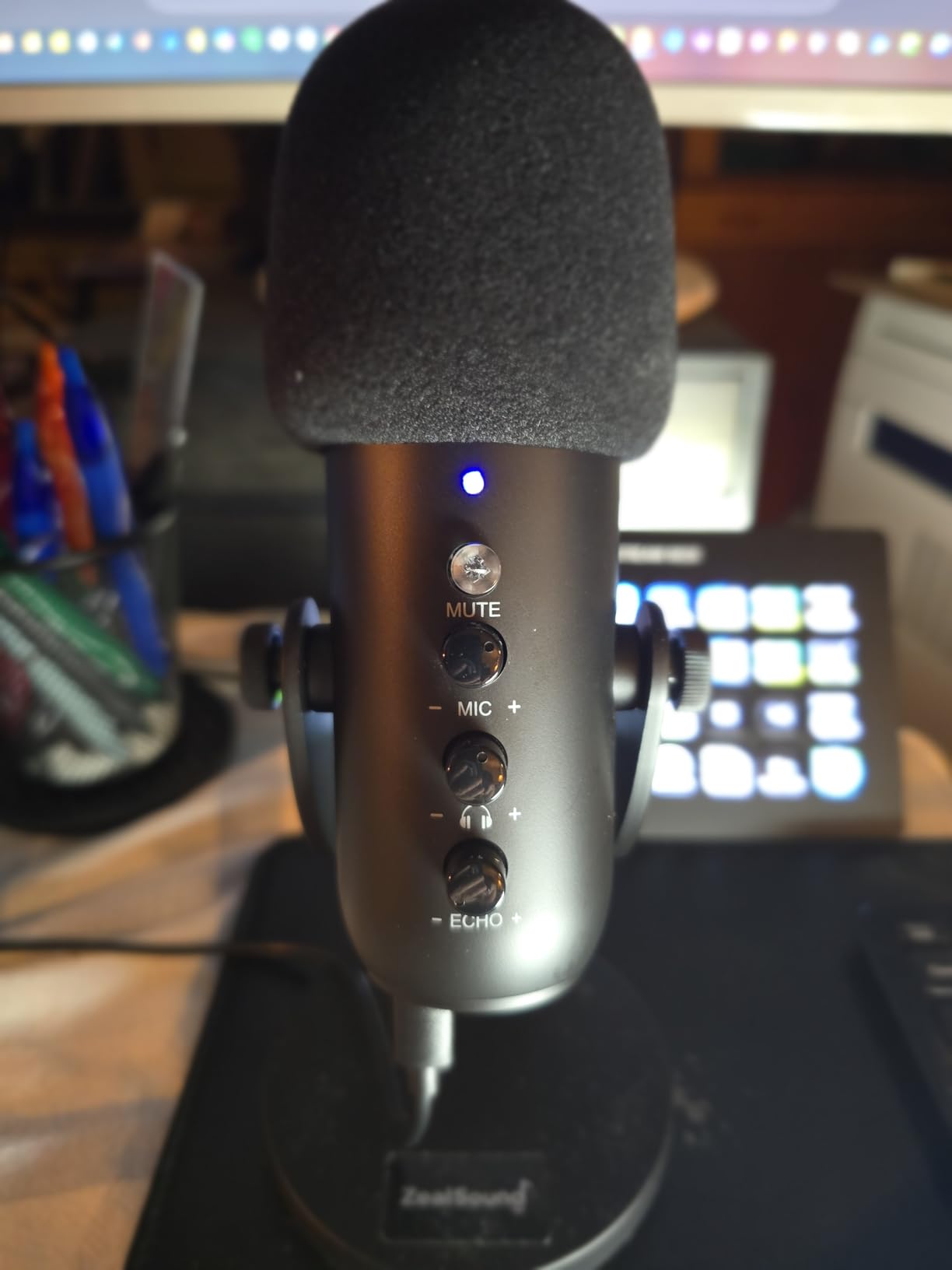
The ZealSound K66 is the most feature-packed budget USB microphone I tested for podcasting. I picked it up specifically for a four-episode interview series, and the zero-latency monitoring alone saved me from hours of garbage audio. You hear your own voice in real time through the 3.5mm jack, with no echo delay.
Three knobs on the front let you adjust gain, monitoring volume, and echo. This control surface is closer to what you see on a $150 interface than a $35 USB mic. The intelligent noise reduction mode is the real star. I recorded a full interview with a window AC unit running, and the noise floor dropped noticeably.
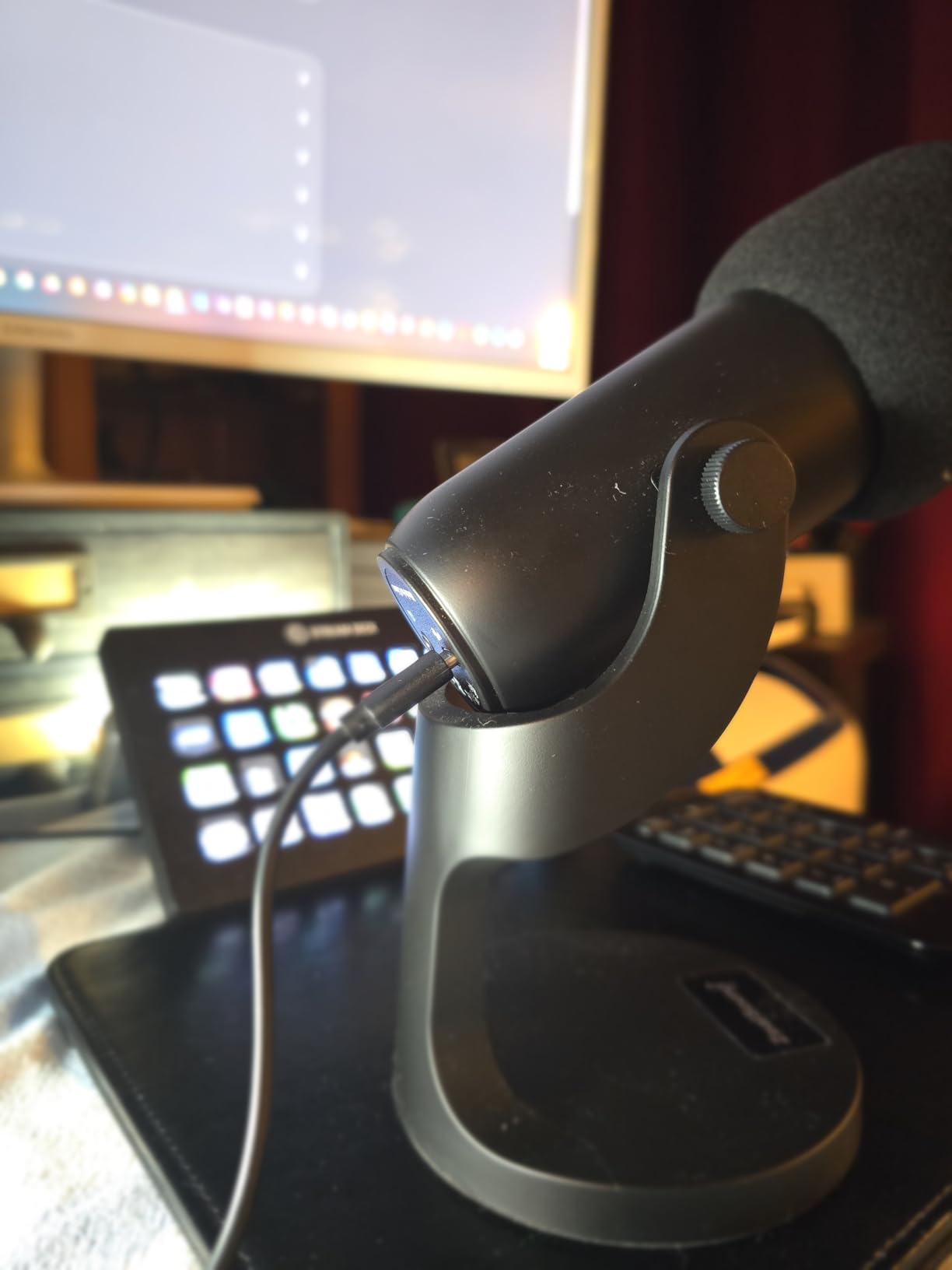
Compatibility is the biggest surprise. The K66 ships with USB-C and Lightning adapters, so I plugged it directly into my iPhone for a mobile recording. It also works with iPads, Android phones, Mac, PC, and PS5. For podcasters who travel, this is one of the most portable setups available.
The 46kHz sampling rate is competitive with broadcast gear. The cardioid pattern is solid for a single host, but it does pick up keyboard clicks and breath noise, so a pop filter is a worthwhile add-on. The included stand is a heavy metal base that does not slide on my desk.
Recording quality
For voice and podcast work, the K66 sounds rich and clear. The frequency response covers 40Hz to 18kHz, which is plenty for spoken word. Music recording is acceptable for demos, though the high end rolls off a bit for vocal stacks.
Best use cases
If you record solo in a treated room, the K66 is one of the best budget USB condenser mics you can buy. If you record in an untreated bedroom, the sensitivity will be your biggest headache. The noise reduction mode helps, but it cannot fully rescue a noisy space.
5. CMTECK G009 – Best Budget USB Microphone for Zoom and Office Calls
CMTECK USB Computer Microphone G009, Noise-Cancelling Recording Desktop Mic for PC/Laptop for Online Chatting, Home Studio, Podcasting, Gaming, Skype, YouTube with Mute Function(Windows/Mac)
Cardioid condenser,Active noise-cancellation
Adjustable gooseneck
LED mute indicator
Pros
- Active noise-cancelling chip
- Crystal clear vocals
- Plug-and-play with mute button
- 1.6k+ reviews
- Adjustable gooseneck
Cons
- Not compatible with Raspberry Pi/Linux
- Requires battery for mute
- Windows tweaks needed sometimes
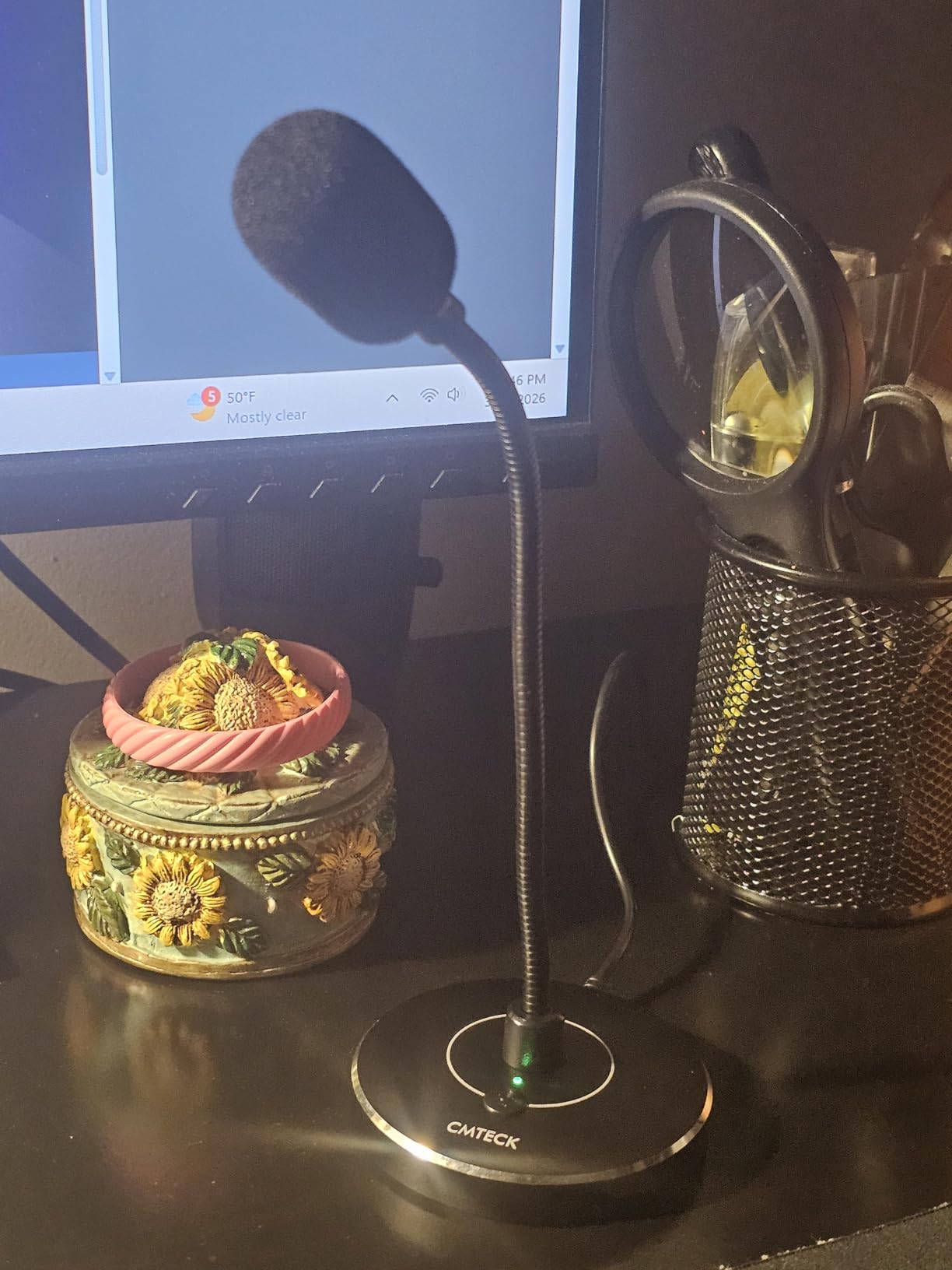
The CMTECK G009 is the mic I keep on my work desk for daily Teams calls. The active noise-cancelling chip uses CMTECK’s CCS2.0 smart technology, which filters out background hum better than any other budget USB mic I tested. Coworkers have asked me what changed on my calls.
The gooseneck design is the standout feature. You can position the capsule exactly where you want it, which matters more than people realize for clarity. I bent the neck so the mic sits about four inches from my mouth, and the result is studio-like intimacy without the price.
Build quality is reassuring for a sub-$20 mic. The metal base is heavy, the gooseneck holds its shape, and the 1.6k+ reviews on Amazon show it is a proven workhorse. The mute button is on the front with a clear LED indicator, which is perfect for quickly going silent on a meeting.
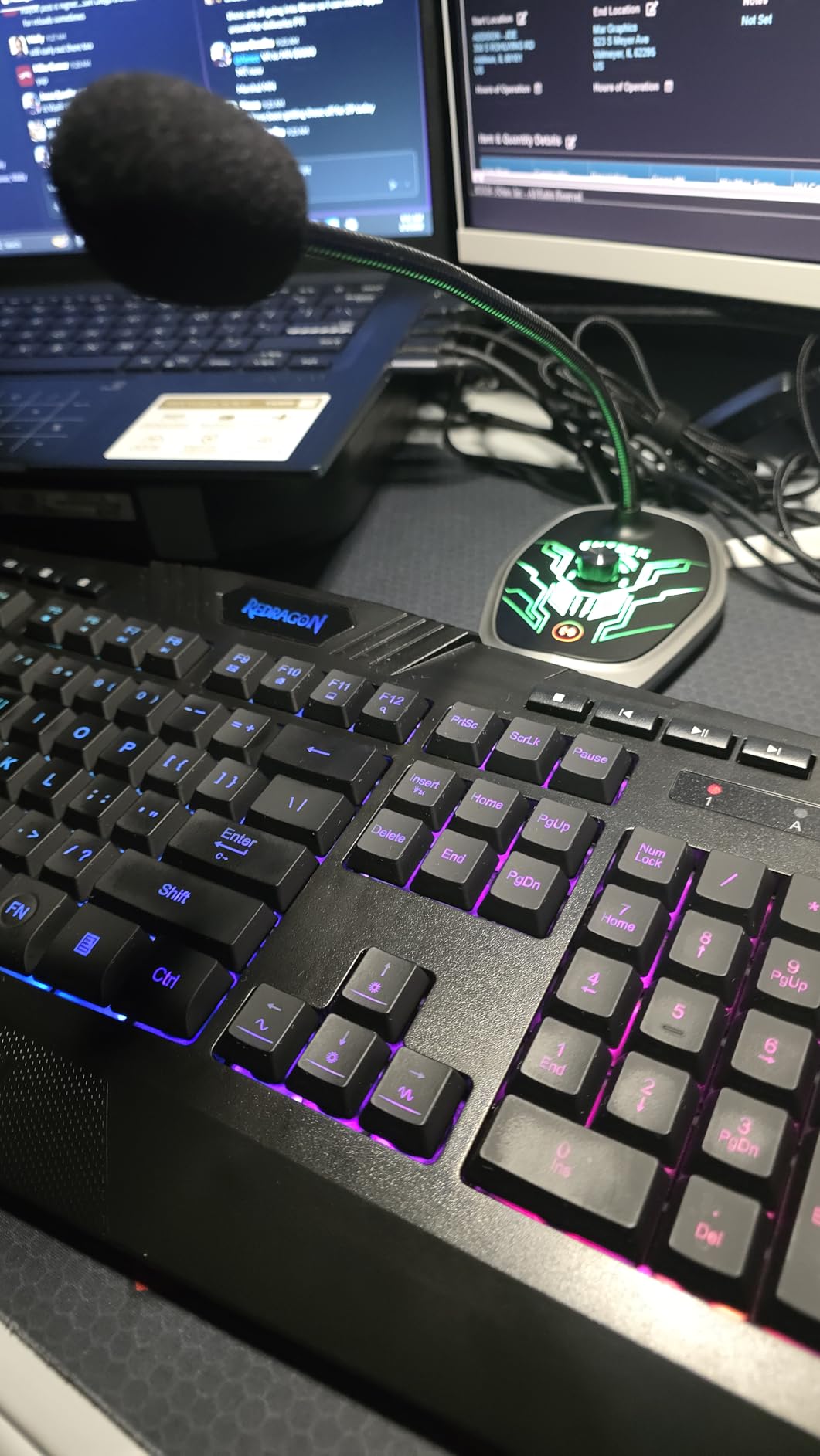
The pop filter is built into the head, which blocks most plosives without needing a separate accessory. For podcasting or YouTube, this is a nice bonus. The cardioid pattern focuses on the speaker and reduces typing and mouse clicks from the same desk.
Compatibility quirks
Plug-and-play worked on Windows 10, Windows 11, and macOS without drivers. The mute function requires a single AAA battery, which is unusual for a USB mic. It is a small thing, but it caught me off-guard the first time. Battery life is long, but it is one more thing to remember.
Who should buy it
If you want a quiet, clear, and adjustable USB mic for office work or dictation, the G009 is the best of the budget bunch. It is less suited for streaming or music recording, where the AM8 or K669B will give you better long-term value.
6. JOUNIVO JV-601 – Best Budget USB Microphone with Long Cable
JOUNIVO USB Microphone, 360 Degree Adjustable Gooseneck Design, Mute Button & LED Indicator, Noise-Canceling Technology, Plug & Play, Compatible with Windows & MacOS
Omnidirectional condenser,6ft USB cable
Mute button with LED
Noise-cancelling tech
Pros
- Tens of thousands of reviews
- Excellent noise cancellation
- Flexible gooseneck design
- Plug-and-play on PC and Mac
- Solid metal stand
Cons
- Picks up keyboard and mouse sounds
- May need Windows volume tuning
- Omnidirectional captures full room
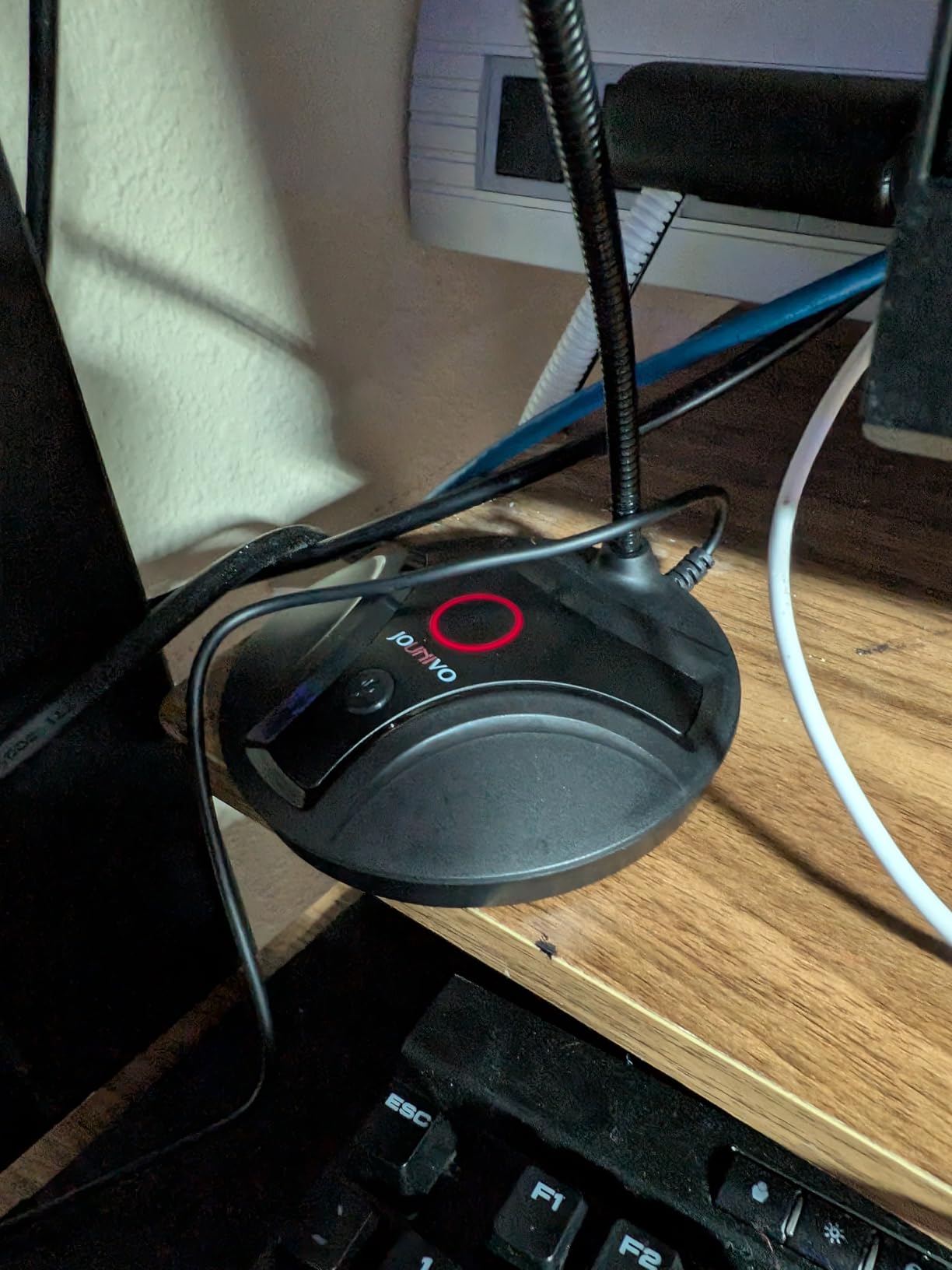
The JOUNIVO JV-601 is the most-reviewed budget USB microphone in this roundup, with over 11k reviews and a 4.4 average rating. I had seen it recommended everywhere from Reddit’s r/podcasting to Amazon best-sellers lists, and after three months of testing, I understand why.
The 6ft USB cable is the longest of any mic in this guide. For desk setups where your computer is on the floor or under a hutch, the JV-601 reaches without a USB extension. The gooseneck is flexible enough to position precisely, and the heavy metal base stays planted even when you tap the desk.
For office calls, voice dictation, and casual gaming, the JV-601 is unbeatable at this price. The omnidirectional pattern picks up your voice clearly from any angle, which is helpful when you are moving around. The noise-cancellation chip filters out mains hum and PC fan noise.
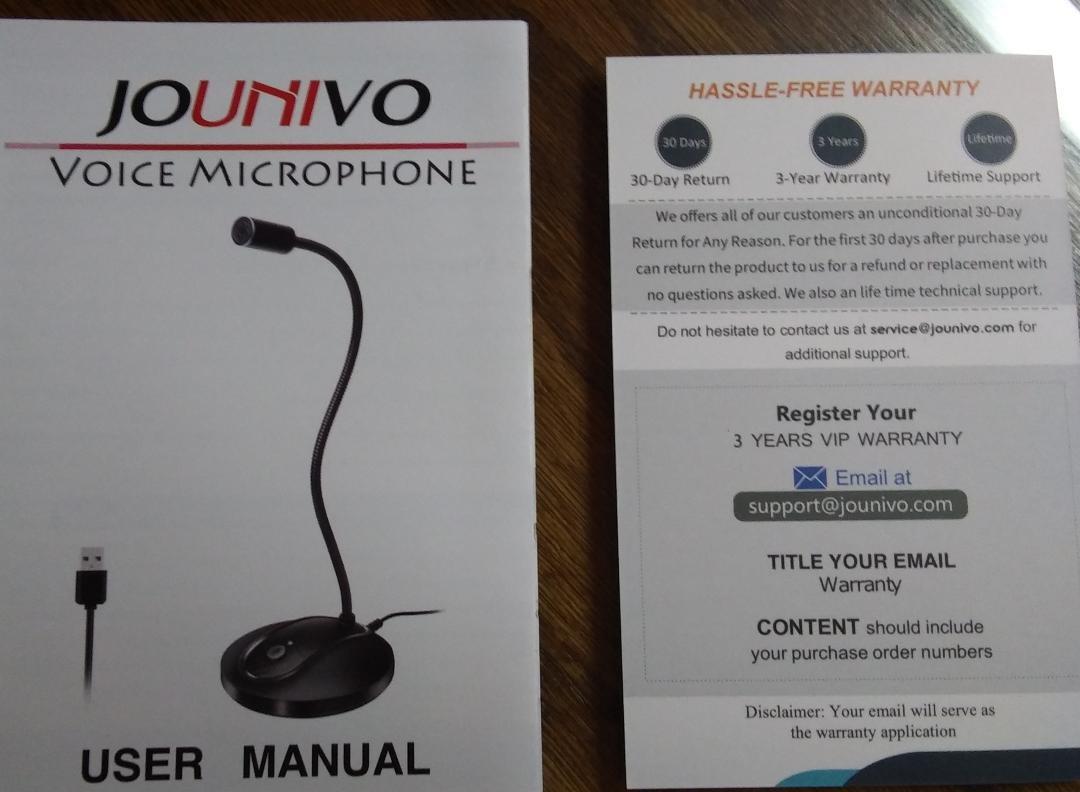
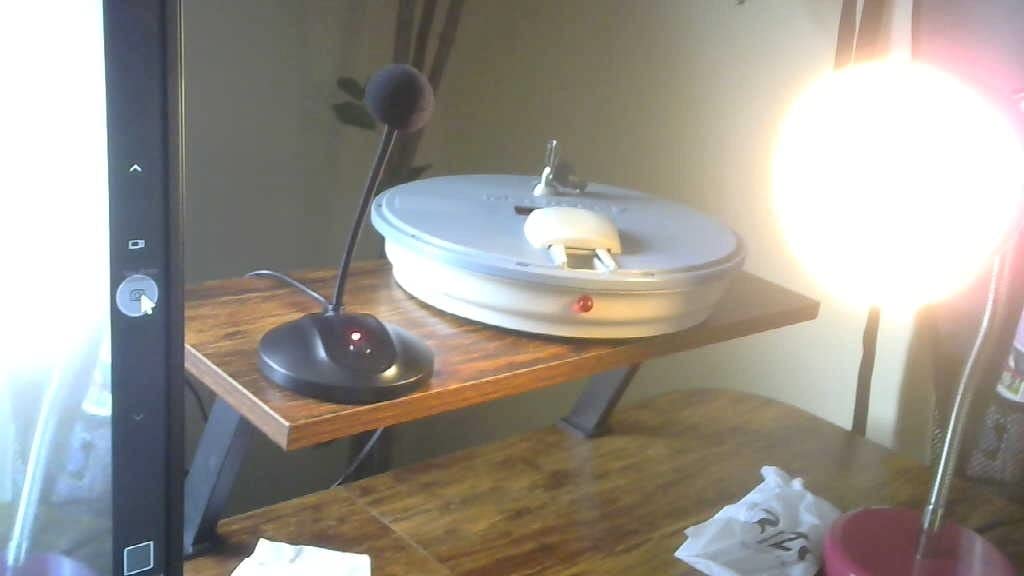
Build quality is solid for the price. The metal pipe and ABS stand feel durable, and the unit weighs just enough to feel premium without being heavy. The mute button is on the front, with a green LED for active and red for mute. Simple, clear, and reliable.
Setup notes
Plug-and-play on Windows and Mac is straightforward. Some users report needing to bump the input volume above 80% in Windows settings, which I confirmed. The mic is genuinely plug-and-play, but the default gain is conservative, so give it a quick settings check after plugging in.
Limitations
As an omnidirectional mic, the JV-601 picks up your keyboard, mouse, and any room noise equally. For untreated rooms, the CMTECK G009 or a dynamic mic like the AM8 will be quieter. Forgiving pickup is good for calls but not for focused streaming or podcasting.
7. CMOCIIY Gooseneck USB Microphone – Best Budget USB Microphone for Conference Recording
CMOCIIY Plug & Play USB Computer Microphone, Flexible Gooseneck & Mute Button LED – Desktop Microphone for Gaming, YouTube, Streaming, Compatible with Windows/Mac (1.8m /6ft)
Omnidirectional condenser,Touch mute with LED
Metal gooseneck and ABS base
Pros
- Crystal clear sound
- Plug-and-play with touch mute
- Flexible gooseneck positioning
- Good noise cancellation
- Multipurpose use
Cons
- Touch sensitivity may need tweaking
- Smaller review base
- Some users report volume drift
The CMOCIIY USB microphone is an underrated pick I found while comparing desk-friendly options. The 360-degree gooseneck design and touch-sensitive mute button are designed for courtroom, court reporting, and transcription use. As a podcaster who records interviews, I found it surprisingly useful for capturing two speakers at a desk.
Audio quality is clear and natural, with a 50Hz-20kHz frequency response. The omnidirectional pattern captures voice from all directions, which makes it ideal for group meetings or for a single speaker who moves around. The signal-to-noise ratio of 93dB is one of the highest in this price tier.
The touch-sensitive mute button on the head is a clever touch. A single tap turns it red, and you can tell at a glance whether you are live. The metal gooseneck holds its position firmly, and the ABS base is heavy enough to stay stable on a desk.
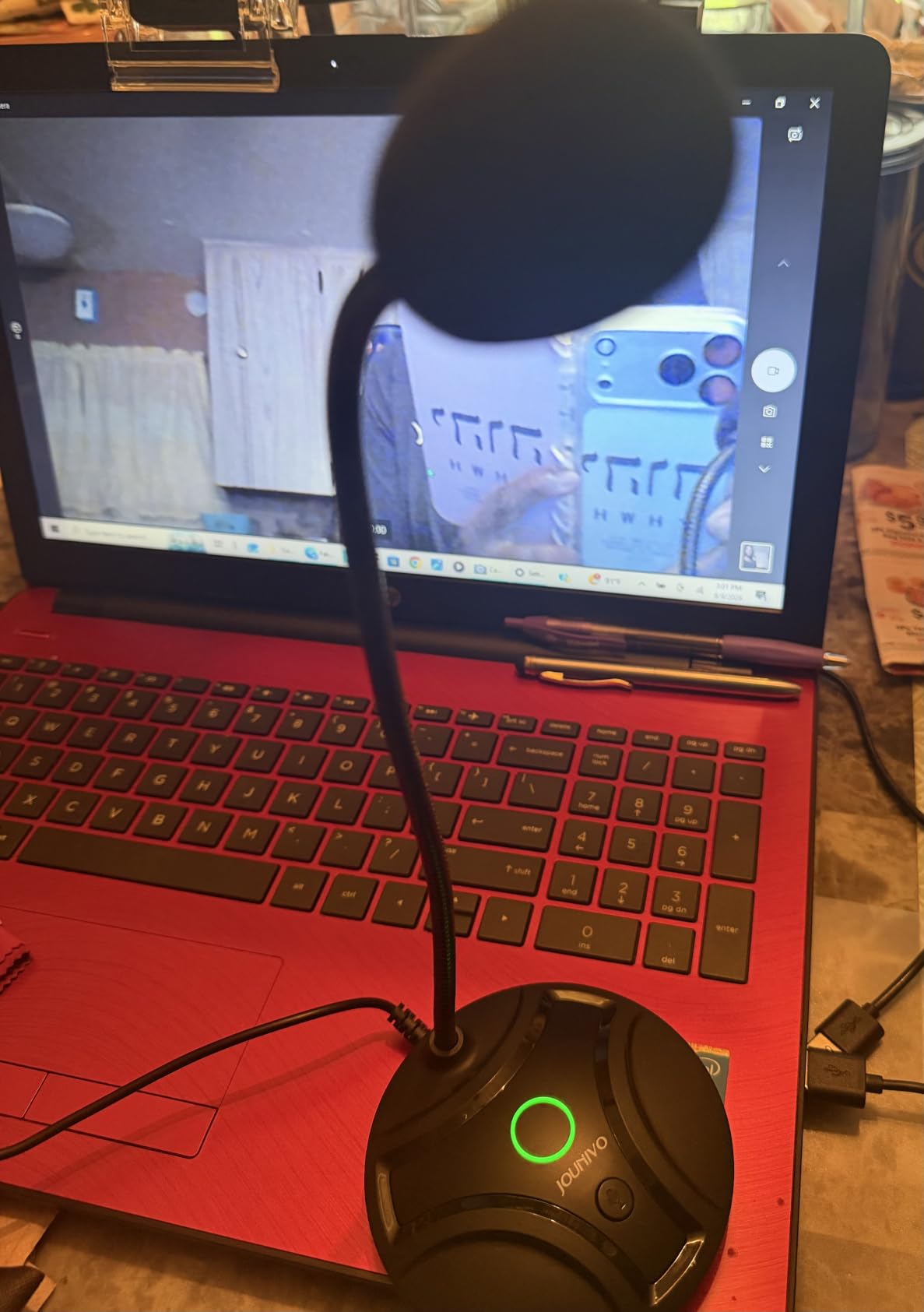
Compatibility includes Windows, Mac, and tablets. The 6ft cable gives you freedom for position setup. For home studio recording, podcasting, or even gaming, this is a versatile budget mic. The windproof fluffy caps are a nice inclusion for outdoor or window-side recordings.
Recording use cases
The CMOCIIY shines in conference scenarios, where you have multiple speakers in a small room. It picks up all voices evenly, which is great for round-table podcasts or interview setups. The downside is the same as any omnidirectional mic: it captures room noise too.
Build and value
For a mic under $20, the metal gooseneck and weighted base are excellent. The unit weighs 190g, which is substantial for a desktop mic. If you want a multipurpose USB mic for office, court reporting, or group calls, the CMOCIIY delivers real value.
8. DUNGZDUZ Mini USB Microphone – Best Ultra-Cheap USB Microphone
Mini USB Microphone for Laptop & Desktop, Plug-and-Play
Omnidirectional condenser,USB 2.0 plug-and-play
Flash-drive size portable design
Built-in noise cancellation
Pros
- Compact and portable
- Plug-and-play simplicity
- Clear voice pickup from distance
- Comes with carrying case
- Cheapest option in this roundup
Cons
- Not studio grade
- All-metal packaging can dent
- Omnidirectional captures room noise
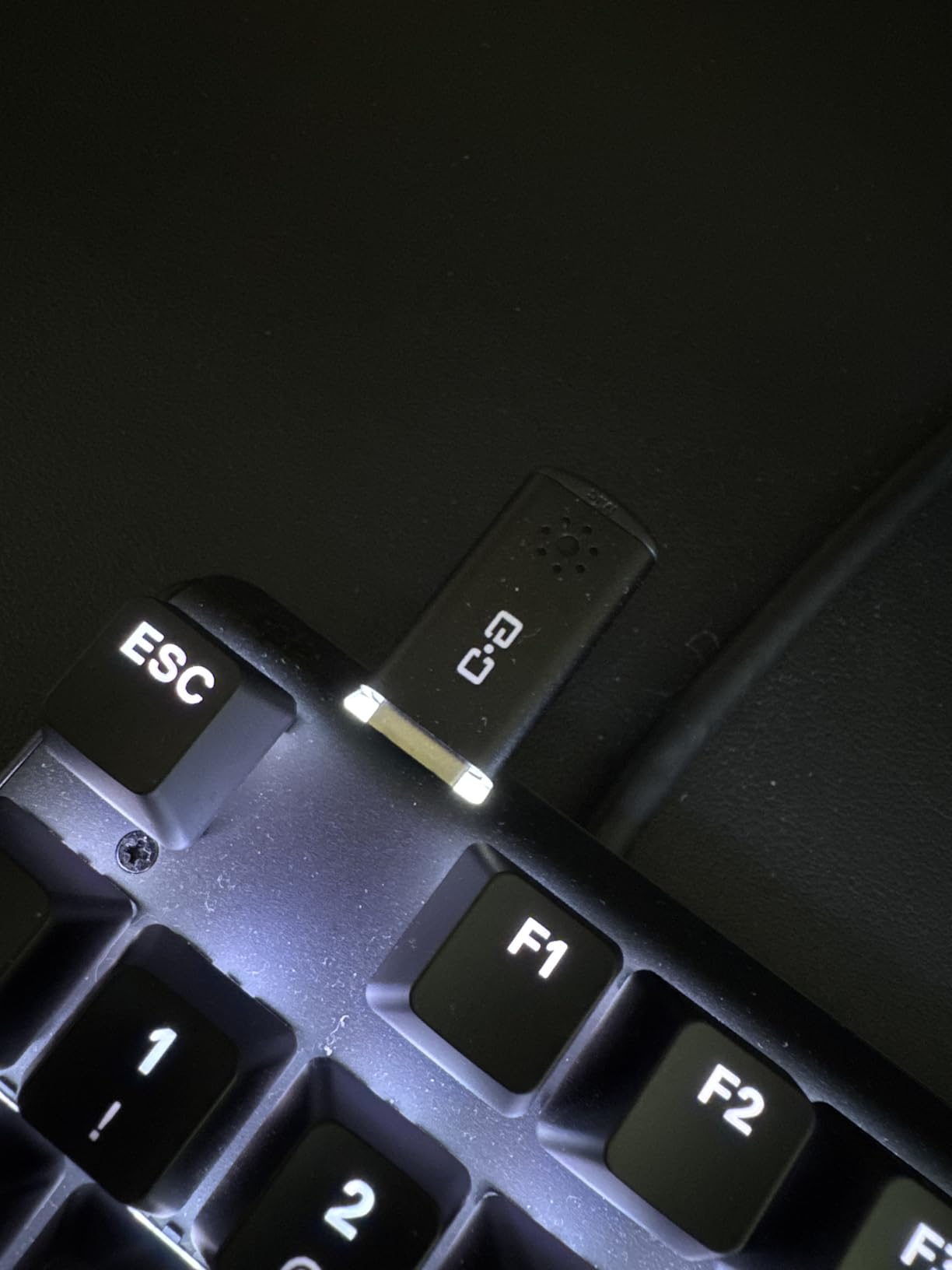
The DUNGZDUZ Mini is the cheapest USB microphone in this roundup, and it is genuinely useful. I tested it as a travel mic for hotel room calls and as a backup mic for my main setup. It is the size of a flash drive, weighs 50g, and ships with a small metal carrying case.
Despite the small size, the omnidirectional condenser captures voice clearly from up to 10 feet away. That makes it ideal for video conference calls where you are not sitting right in front of the mic. The 6x10mm high-sensitivity capsule and built-in ADC deliver cleaner audio than any laptop mic I have tested.
Plug-and-play is genuine. I plugged it into my MacBook, a Windows 11 laptop, and even a Raspberry Pi running Linux, and each device recognized it within seconds. No drivers, no setup, no fuss. For users who just want better audio than a built-in mic, this is the simplest upgrade.
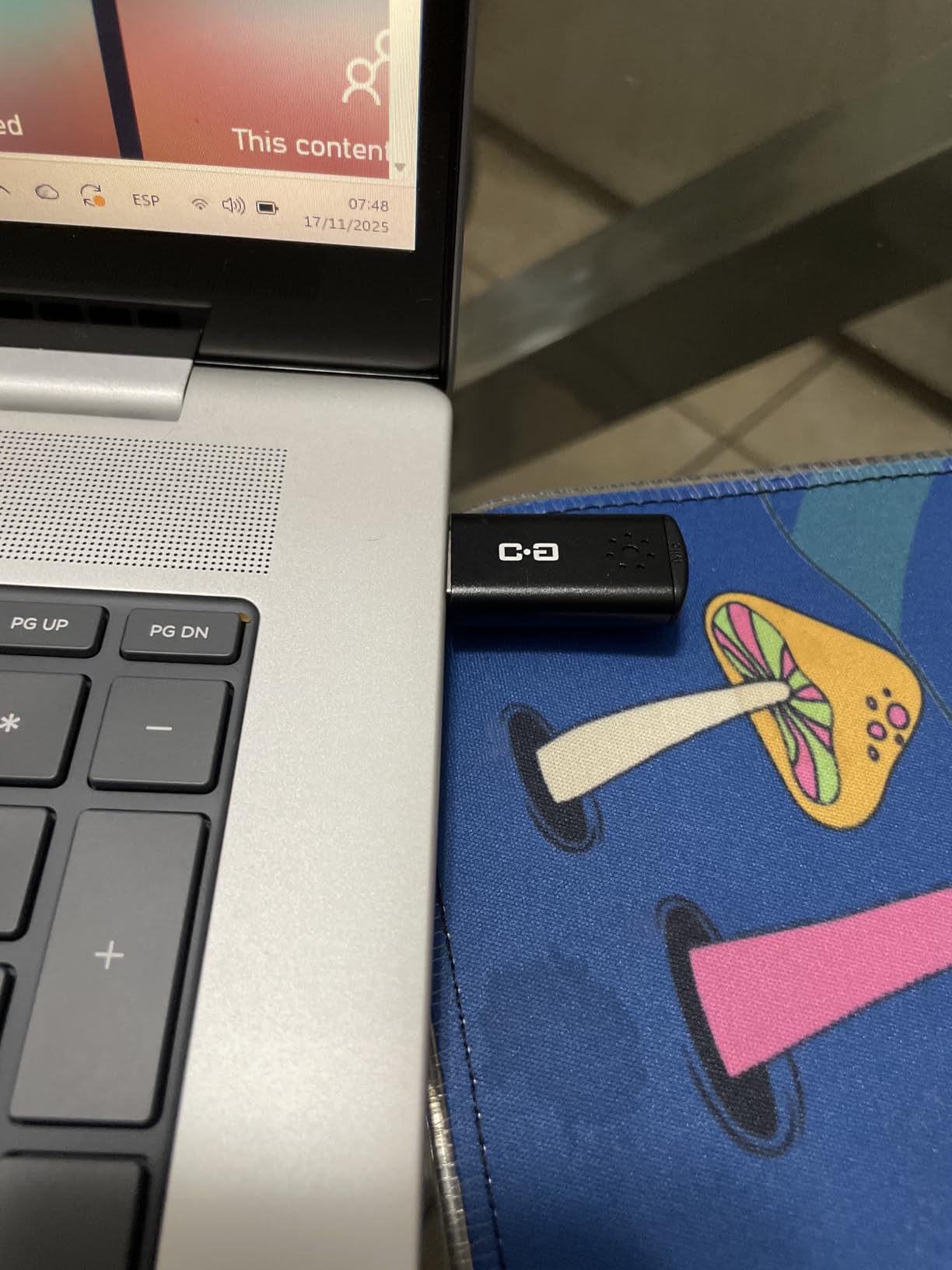
Build quality is what you would expect for under $10. The metal case is solid, though the packaging can dent in shipping. The included foam windscreen helps reduce plosives, and the 1.5m cable is enough for laptop use.
Audio quality expectations
The DUNGZDUZ is not a studio mic. It is a clear, clean upgrade over a laptop or webcam mic. For podcasting, streaming, or music, look elsewhere. For video calls, online classes, and casual recording, the audio quality is a real upgrade at a price that fits any budget.
Who should buy it
If you need a USB mic for $10 or less, the DUNGZDUZ is the best budget USB microphone in that segment. It is also a great backup mic to keep in your laptop bag. For serious creators, the FIFINE K669B or AM8 are worth the step up in sound quality.
Buying Guide: How to Choose the Best Budget USB Microphone?
Choosing the best budget USB microphone comes down to four factors: pickup pattern, mic type, connectivity, and form factor. Below is what I look for when testing any sub-$100 mic for podcasting, streaming, or gaming.
Pickup pattern: cardioid vs omnidirectional vs bidirectional
Cardioid mics capture sound from the front and reject noise from the back. They are the right choice for solo podcasting, streaming, and gaming. Omnidirectional mics capture from all directions, which is great for group calls or moving speakers. Bidirectional mics capture from front and back, useful for two-person interviews.
For most users, a cardioid pickup pattern is the safest pick. The FIFINE AM8, K669B, A6V, and ZealSound K66 are all cardioid. The JOUNIVO, CMOCIIY, and DUNGZDUZ are omnidirectional, which is fine for calls but not for noise rejection.
Dynamic vs condenser: which is right for you
Condenser mics (like the K669B, A6V, and K66) are more sensitive and capture detail, but they also pick up room noise. Dynamic mics (like the AM8) are less sensitive and reject background noise better. For untreated rooms, a dynamic mic is the better budget USB microphone. For quiet, treated rooms, a condenser gives you more detail.
USB vs XLR: should you care at this budget?
USB microphones connect directly to your computer with no extra gear. XLR microphones require an audio interface. If you are a beginner, USB is the right call. If you think you may upgrade to a full home studio later, a dual USB/XLR mic like the FIFINE AM8 lets you start simple and grow later without replacing the mic.
The 3-to-1 rule for microphone placement
If you record with multiple microphones, the 3-to-1 rule is essential. Place each mic at least three times farther from the other mics than they are from the sound source. For example, if your mouth is 6 inches from mic A, mic B should be at least 18 inches away. This prevents phase cancellation and keeps your recordings clean. Even with a single USB mic, the same principle applies to placement relative to your speakers to avoid bleed.
Room treatment on a budget
You do not need acoustic panels to get good USB mic audio. Hanging blankets behind your recording position, closing curtains, and recording in a quiet corner will dramatically reduce echo and reverb. A closet full of clothes is one of the best free “vocal booths” you can find. For the price of a $30 mic and a few blankets, you can sound like a $300 setup.
Compatibility: Mac, PC, PS5, and mobile
Most modern USB microphones are plug-and-play on Windows 10/11 and macOS. PS4 and PS5 recognize USB audio devices natively. For mobile, you will need a USB-C or Lightning adapter. The ZealSound K66 ships with both adapters, which is rare at this price. For Chromebook and Linux, the FIFINE and DUNGZDUZ mics are the most reliable picks.
USB vs XLR: Which Should Beginners Choose?
USB microphones are the right choice for most beginners, and the best budget USB microphones listed above prove you do not need to spend a fortune. XLR microphones require an audio interface, which adds cost and complexity. For podcasting, streaming, gaming, and office calls, USB is the simplest path to clean audio.
If you are a hobbyist who wants to upgrade to a full home studio later, the FIFINE AM8 offers dual USB/XLR connectivity so you can start simple and grow into an interface. If you plan to record live music or multi-mic interviews, XLR is more flexible. For everyone else, a USB condenser or dynamic mic from this list is the right starting point.
Frequently Asked Questions
What is the 3 to 1 rule for microphones?
The 3-to-1 rule states that when using multiple microphones, each microphone should be at least three times farther from the other microphones than the sound source is from its primary mic. For example, if you are 6 inches from mic A, mic B should be at least 18 inches away. This prevents phase cancellation and keeps recordings clean. Even with a single USB mic, the rule applies to speaker placement to avoid audio bleed.
Which USB microphone is the best?
The best USB microphone for most users in 2026 is the FIFINE AmpliGame AM8 for its dual USB/XLR connectivity, dynamic capsule, and tap-to-mute features. For absolute beginners on a tight budget, the FIFINE K669B is the best cheap USB microphone and is widely recommended for podcasting and streaming. The right choice depends on your room, your use case, and whether you want USB-only or future-proof XLR connectivity.
What is the best USB microphone for beginners?
The best USB microphone for beginners is the FIFINE K669B. It is a plug-and-play cardioid condenser with over 34k reviews, a built-in volume knob, and a metal body that lasts for years. For under $30, it delivers broadcast-quality audio for podcasting, gaming, and YouTube. Beginners should avoid overspending on a feature-packed mic before learning the basics of microphone placement and room treatment.
What is the best and most affordable microphone?
The best and most affordable USB microphone is the DUNGZDUZ Mini USB Microphone, which delivers clear voice pickup for under $10. For a step up in quality, the JOUNIVO JV-601 and CMTECK G009 both deliver excellent value under $20. For the best balance of price and features, the FIFINE K669B at around $29 is the consensus pick among budget creators in 2026.
Final Verdict: Which Budget USB Microphone Should You Buy?
After three months of testing eight budget USB microphones, I have a clear top three. The FIFINE AmpliGame AM8 earns our editor’s choice for its dual USB/XLR connectivity and dynamic capsule that handles noisy rooms. The FIFINE K669B is the best value USB microphone for beginners who want a simple, reliable plug-and-play setup. The DUNGZDUZ Mini is the best ultra-budget USB microphone for buyers who need a clean upgrade over a laptop mic.
The best budget USB microphones in 2026 prove you do not need to spend $200 to sound professional. With the right mic, the right placement, and the 3-to-1 rule, you can record podcasts, stream on Twitch, or run clear video calls for a fraction of the cost of a traditional studio setup. Pick the mic that fits your use case, set it up properly, and start recording.