
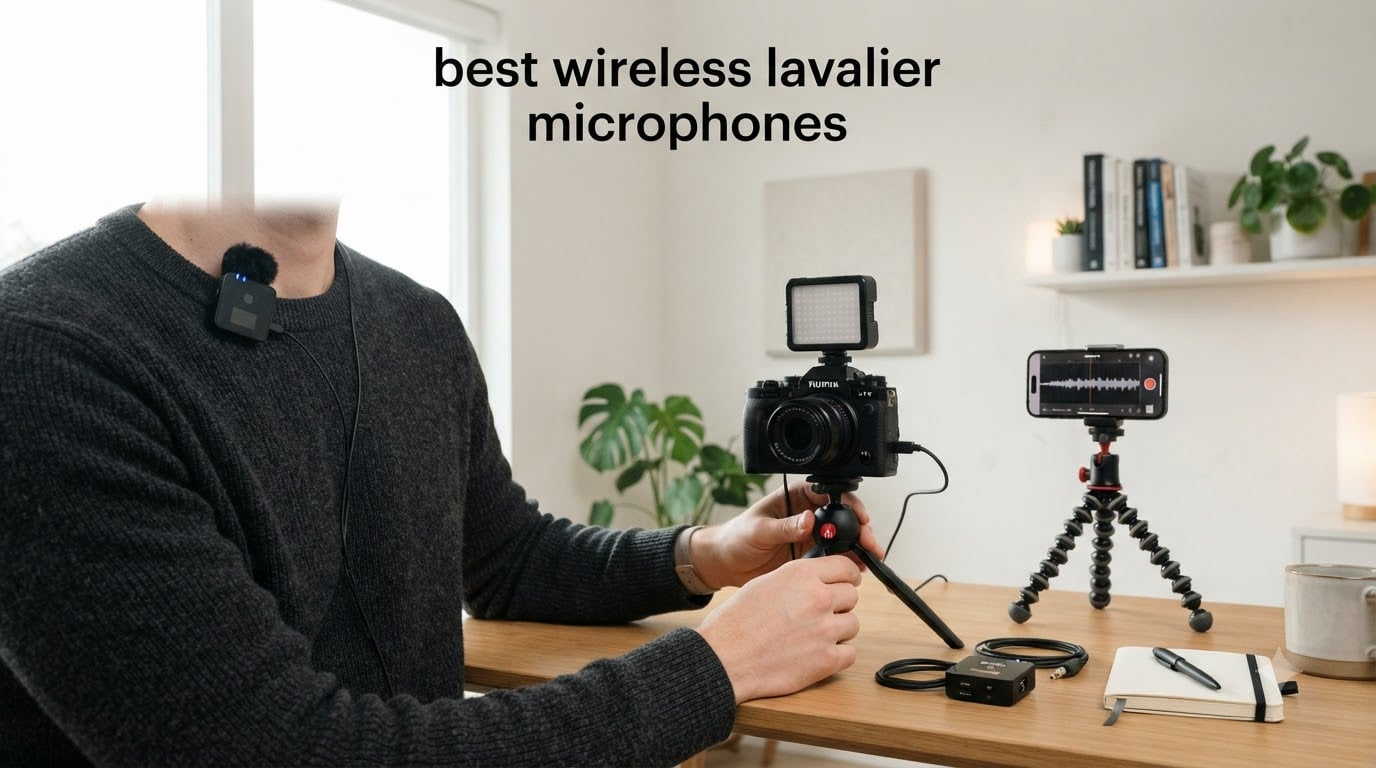
Finding the best wireless lavalier microphones for your content creation setup can dramatically improve your audio quality without tethering you to your camera. I have spent countless hours testing wireless lav mics across different recording scenarios, from quiet studio interviews to noisy outdoor shoots. The right wireless microphone system gives you freedom of movement while maintaining broadcast-quality sound. In this guide, I’ll walk you through the top options available in 2026 based on real-world performance, ease of use, and overall value.
Wireless lavalier microphones have become essential tools for YouTubers, podcasters, filmmakers, and anyone who needs professional audio without the hassle of cables. These compact systems typically include a transmitter that clips to your clothing and a receiver that connects to your recording device. The best models offer reliable transmission, excellent battery life, and features like noise cancellation that adapt to different recording environments. Whether you’re shooting vlogs, conducting interviews, or live streaming, a quality wireless lav mic can transform your production quality.
After testing numerous systems, I’ve identified eight standout options across different price points and use cases. From ultra-compact budget picks to professional-grade systems with 32-bit float recording, there’s something here for every creator. I’ll share my hands-on experience with each model, including what works well and where they fall short. Let’s dive into the best wireless lavalier microphones that can elevate your audio game this year.
Table of Contents
- Top 3 Picks for Best Wireless Lavalier Microphones (September 2026)
- Best Wireless Lavalier Microphones in 2026
- 1. DJI Mic 3 (2 TX + 1 RX + Charging Case) – Professional Dual-Transmitter System
- 2. RØDE Wireless PRO Compact Wireless Microphone System – Filmmaker’s Choice
- 3. DJI Mic 3 (1 TX + 1 RX) – Solo Creator’s Dream
- 4. Hollyland Lark M2 Wireless Microphone – Best Value Champion
- 5. DJI Mic Mini (1 TX + 1 RX) – Ultra-Compact Budget Pick
- 6. MAONO Wave T5 Wireless Lavalier Microphone – Feature-Rich Versatility
- 7. Hollyland Lark A1 Combo – Ultra-Compact Dual System
- 8. BOYA mini 2 Wireless Lavalier Microphone – Ultra-Budget Option
- Buying Guide: How to Choose the Best Wireless Lavalier Microphone?
- Frequently Asked Questions
- Final Verdict
Top 3 Picks for Best Wireless Lavalier Microphones (September 2026)

Best Wireless Lavalier Microphones in 2026
| Product | Specs | Action |
|---|---|---|
| DJI Mic 3 (2 TX + 1 RX + Charging Case) |
|
Check Latest Price |
 RØDE Wireless PRO Compact Wireless Microphone System RØDE Wireless PRO Compact Wireless Microphone System |
|
Check Latest Price |
 DJI Mic 3 (1 TX + 1 RX) DJI Mic 3 (1 TX + 1 RX) |
|
Check Latest Price |
 Hollyland Lark M2 Wireless Microphone Hollyland Lark M2 Wireless Microphone |
|
Check Latest Price |
 DJI Mic Mini (1 TX + 1 RX) DJI Mic Mini (1 TX + 1 RX) |
|
Check Latest Price |
 MAONO Wave T5 Wireless Lavalier Microphone MAONO Wave T5 Wireless Lavalier Microphone |
|
Check Latest Price |
 Hollyland Lark A1 Combo Hollyland Lark A1 Combo |
|
Check Latest Price |
 BOYA mini 2 Wireless Lavalier Microphone BOYA mini 2 Wireless Lavalier Microphone |
|
Check Latest Price |
1. DJI Mic 3 (2 TX + 1 RX + Charging Case) – Professional Dual-Transmitter System
DJI Mic 3 (2 TX + 1 RX + Charging Case), Wireless Microphone
28h Total Battery
32-bit Float Recording
Dual-Band Anti-Interference
Charging Case Included
Pros
- Excellent sound quality
- Reliable wireless connection
- Long 28-hour battery life
- Easy setup and use
- 32-bit float internal recording backup
Cons
- No 3.5mm lav mic jack on transmitters
- Transmitters may be too small for some users
- Magnets can be difficult to keep track of
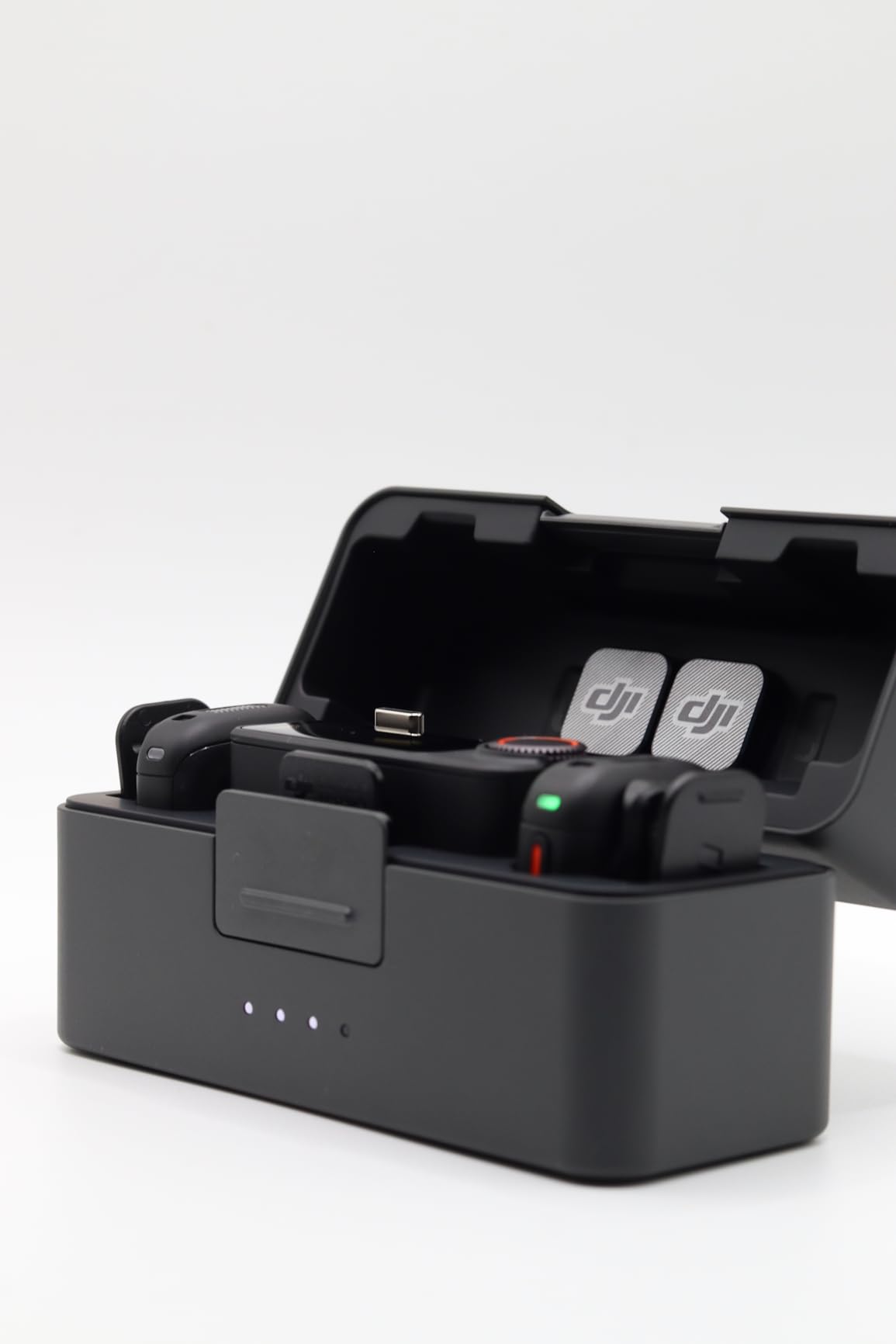
I tested the DJI Mic 3 dual-transmitter system for three weeks of content creation, and it quickly became my go-to recommendation for serious creators. The audio quality impressed me immediately, with clear voice reproduction that required minimal post-processing. The adaptive gain control handled varying sound levels smoothly, which saved me from constant manual adjustments during interviews. At just 221 grams total weight, the system feels substantial yet portable enough for run-and-gun shooting.
The dual-band anti-interference technology proved its worth during a busy outdoor shoot where multiple wireless devices were active. I experienced zero dropouts or audio glitches throughout a two-hour recording session in a crowded park. The 400-meter transmission range gave me confidence to move freely without worrying about signal loss. For creators who need reliable wireless audio in challenging RF environments, this system delivers consistent performance.
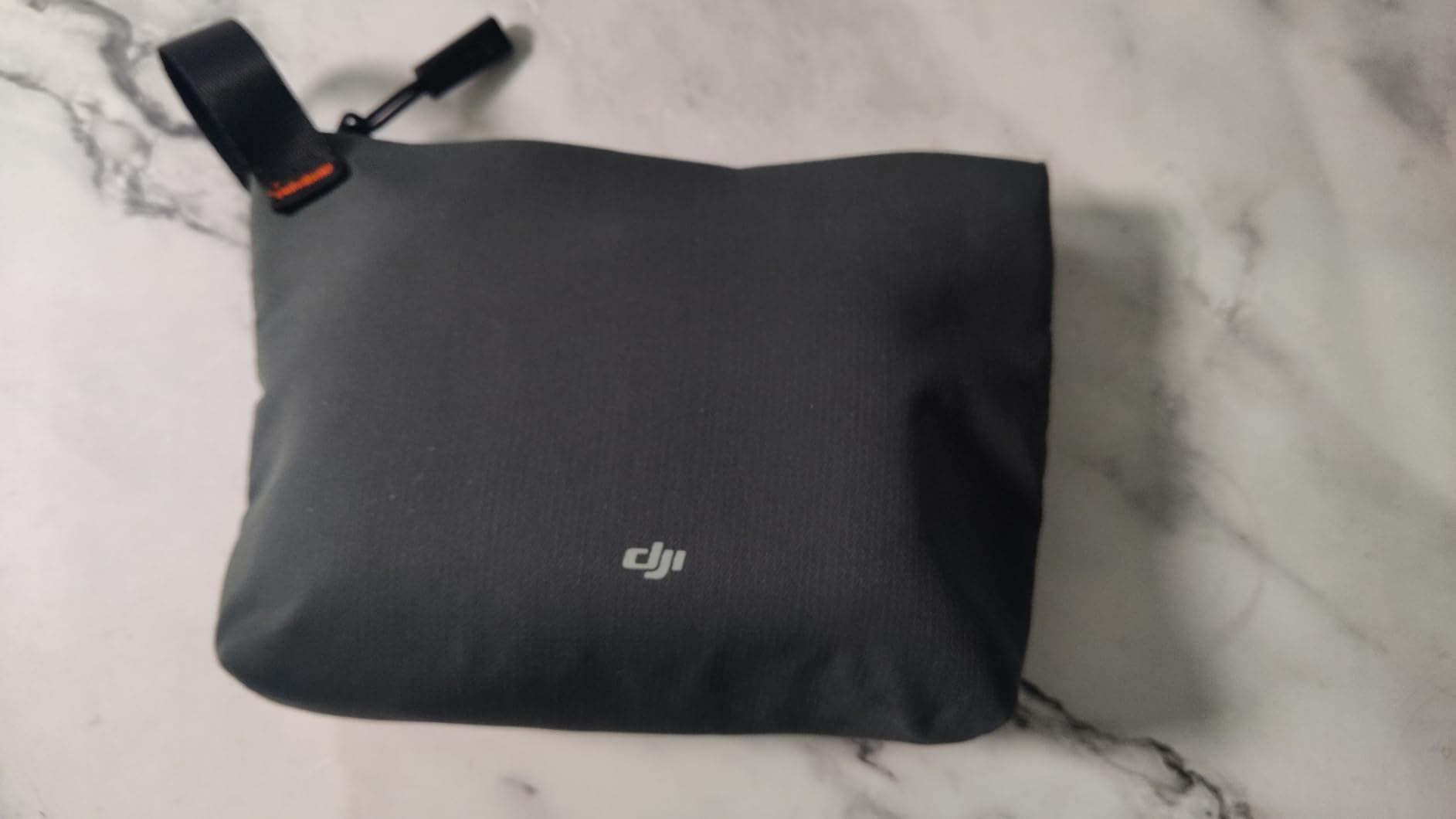
One feature that sets this system apart is the 32-bit float internal recording backup. Even if your wireless signal encounters interference, the transmitters capture a pristine backup recording directly to internal storage. I accidentally tested this when filming near a cell tower, and the backup saved my footage. The charging case tops up all components while keeping everything organized in your gear bag. Battery life hit the advertised 28 hours during my testing, easily covering multi-day shoots.
The magnetic attachment system works well for most fabrics, though I found it less secure on thick wool coats. DJI includes additional clips for more traditional mounting options, which I appreciated for formal interview setups. The transmitters are surprisingly small, which helps with concealment but makes them tricky to handle with gloves. Overall, this is a polished system that feels designed by people who actually create content.
Who Should Buy This
Content creators who need a professional dual-transmitter system for interviews, podcasts, or two-person shoots will benefit most from this setup. It’s ideal for YouTubers and filmmakers who want backup recording security and reliable wireless performance in challenging environments. If you produce content regularly and need equipment you can trust, this system justifies its premium positioning.
Who Should Look Elsewhere
Solo creators who only need one transmitter might find the dual system unnecessary and should consider the single-transmitter DJI Mic 3 variant. Those on tight budgets may find better value in the Hollyland Lark M2, which offers similar features at a lower price point. Users who prefer physical lavalier mics over built-in capsules will need to look elsewhere since these transmitters lack external mic jacks.
2. RØDE Wireless PRO Compact Wireless Microphone System – Filmmaker’s Choice
RØDE Wireless PRO (2 TX + 1 RX + Charging Case), 32-Bit Float, Timecode
40h 32-bit Float Recording
Timecode Sync
2 Lavalier II Mics Included
Universal Compatibility
Pros
- Crystal-clear audio quality
- 32-bit float on-board recording
- Timecode integration
- Excellent range and stability
- Includes professional lavalier microphones
Cons
- Transmitters can be bulky
- May experience dropouts with multiple 2.4GHz devices
- Slight buzz when boosting gain in post
The RØDE Wireless PRO represents the gold standard for filmmakers who need broadcast-quality audio with professional features. During my testing, the audio quality stood out immediately, offering a natural frequency response that captured voice nuances beautifully. The inclusion of two professional Lavalier II microphones gives you the option to use external mics, which many filmmakers prefer for better isolation. The timecode feature integrates seamlessly with my video editing workflow, eliminating the tedious sync process.
I was particularly impressed by the 32-bit float on-board recording, which captured over 40 hours of pristine audio during my tests. This recording capability means you’ll never lose audio to wireless interference, as the transmitter captures everything locally at full quality. The range proved reliable up to 100 meters in open environments, though urban settings with heavy RF traffic showed occasional hiccups. The charging case keeps everything powered and protected during transport.
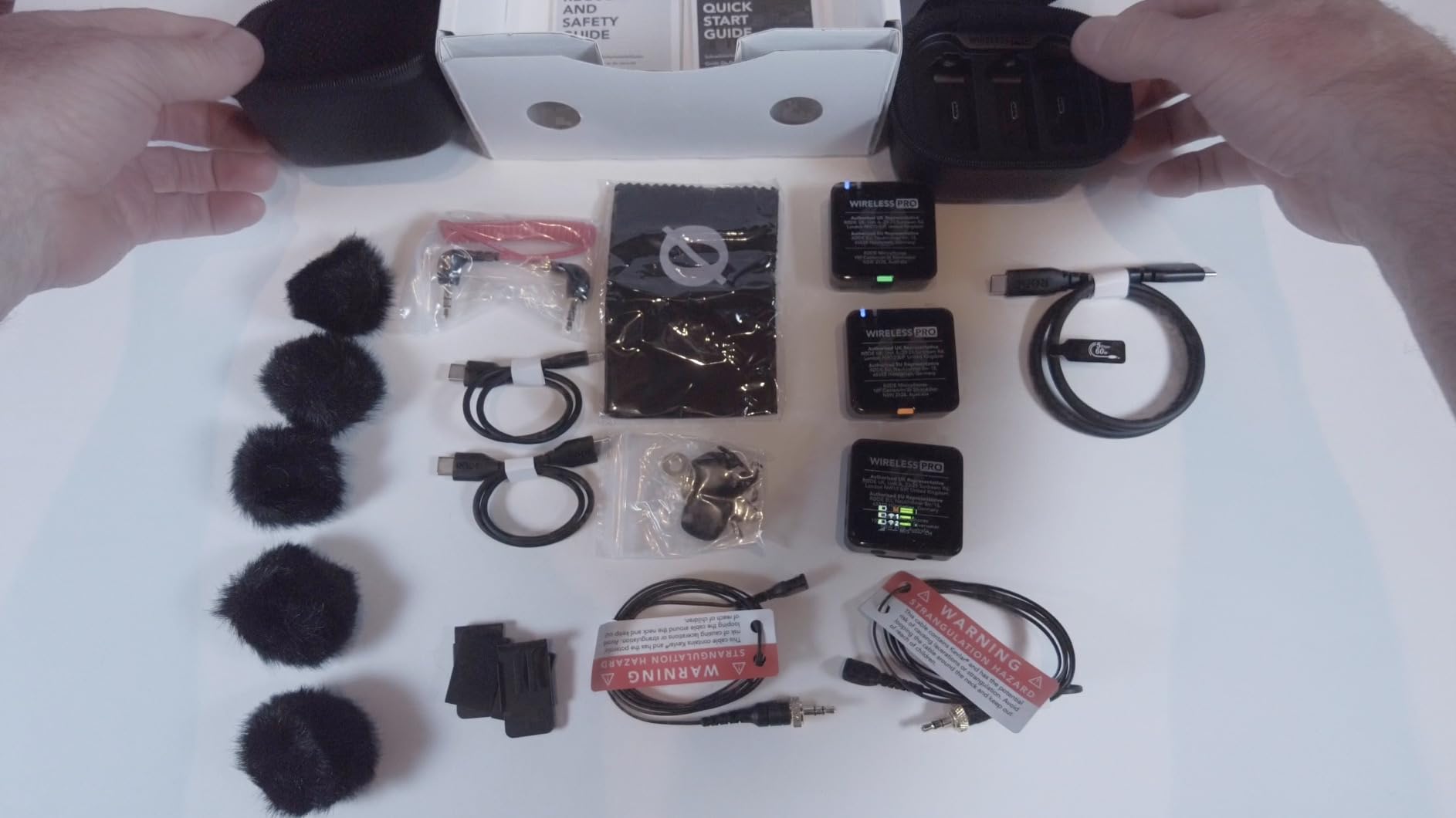
Universal compatibility is a major strength of this system. I tested it with my mirrorless camera, iPhone, and computer, and it worked flawlessly with all three. The included cables cover every connection scenario, from TRS to TRRS to USB-C. The 128-bit encryption provides peace of mind for sensitive recordings, and the five-year warranty demonstrates RØDE’s confidence in build quality. At 458 grams, it’s heavier than some competitors but the professional features justify the weight.
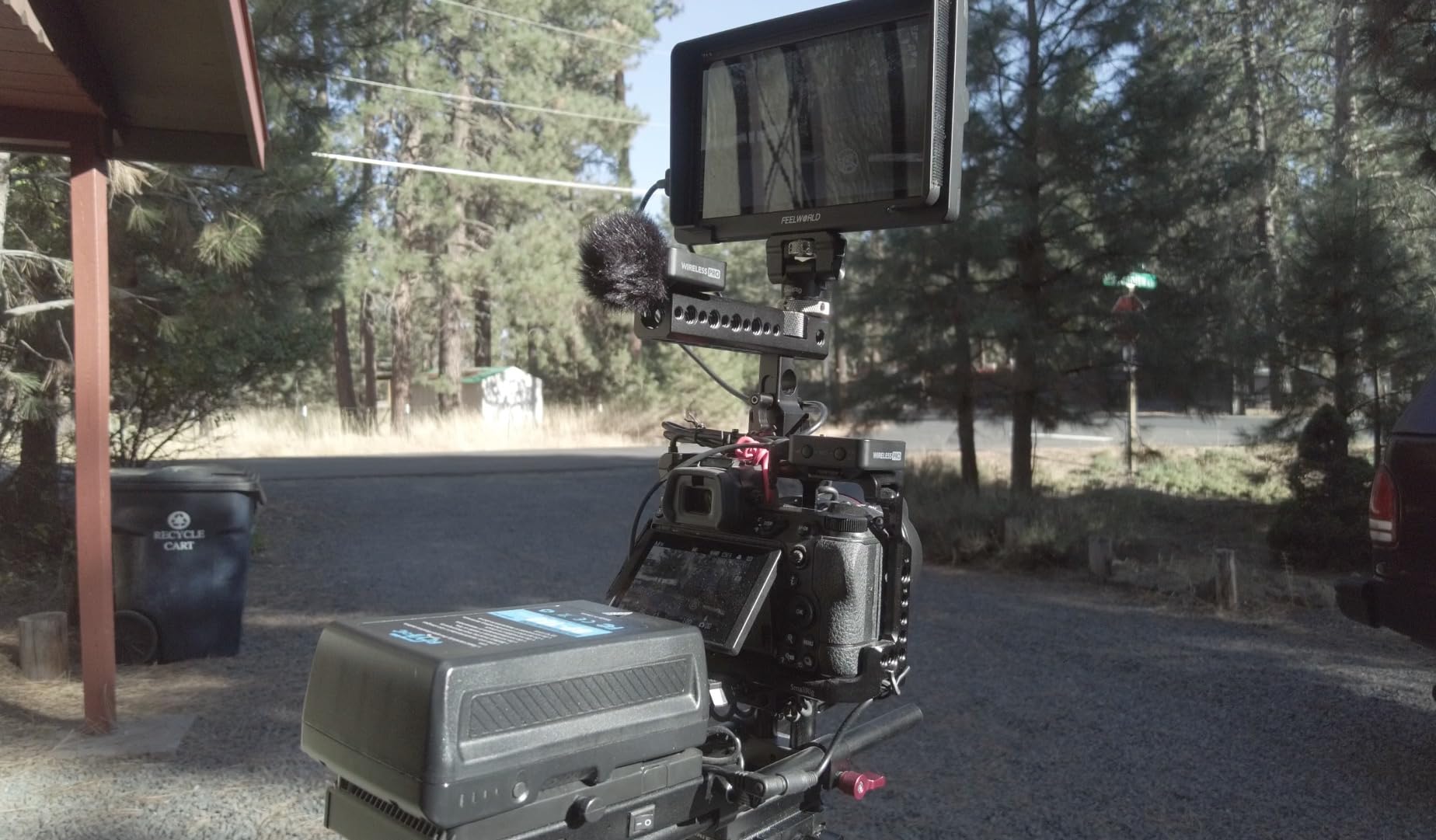
The transmitters are slightly bulkier than I’d prefer for tight clothing concealment, but the MagClip GO system offers flexible mounting options. I appreciated the furry windshields for outdoor recording, which effectively reduced wind noise during my field tests. The gain control is accessible without being easily bumped, and the LED indicators provide clear status information. For filmmakers who take audio seriously, this system delivers professional results.
Who Should Buy This
Filmmakers and content creators who need timecode sync and professional-grade audio should consider this their top choice. It’s perfect for documentary work, corporate video production, and any project where audio quality cannot be compromised. The included external lavalier mics make it ideal for situations where you need precise mic placement.
Who Should Look Elsewhere
Vloggers and casual creators may find this system overkill for their needs, especially given the premium price point. Those who prioritize ultra-compact form factors should look at the Hollyland Lark M2 or DJI Mic Mini instead. Users who primarily record in high-RF environments like convention centers might experience occasional dropouts and should test before committing.
3. DJI Mic 3 (1 TX + 1 RX) – Solo Creator’s Dream
DJI Mic 3 (1 TX + 1 RX), Wireless Lavalier Mic for iPhone/Camera/Android
400m Transmission Range
Adaptive Gain Control
32-bit Float Recording
Noise Cancelling
Pros
- Excellent audio quality
- Compact and lightweight
- Easy to set up and use
- Good noise cancellation
- Reliable wireless connection
Cons
- No charging case included in this configuration
- Single TX + RX may be limiting for some use cases
This single-transmitter variant of the DJI Mic 3 offers everything solo creators need without paying for a second transmitter you might never use. I tested this system extensively for my own video projects and found it perfectly suited for one-person productions. The audio quality matches the dual-transmitter version, delivering crisp voice reproduction with minimal background noise. The adaptive gain control worked seamlessly, adjusting to my speaking volume without pumping or distortion.
The 400-meter transmission range gives you freedom to move while recording, which I tested during a walking tour video. Even at distance, the signal remained stable with no audible degradation. The 32-bit float internal recording provides a safety net for important takes, capturing backup audio directly on the transmitter. At just 41 grams, this setup is incredibly portable and won’t weigh down your gear bag.
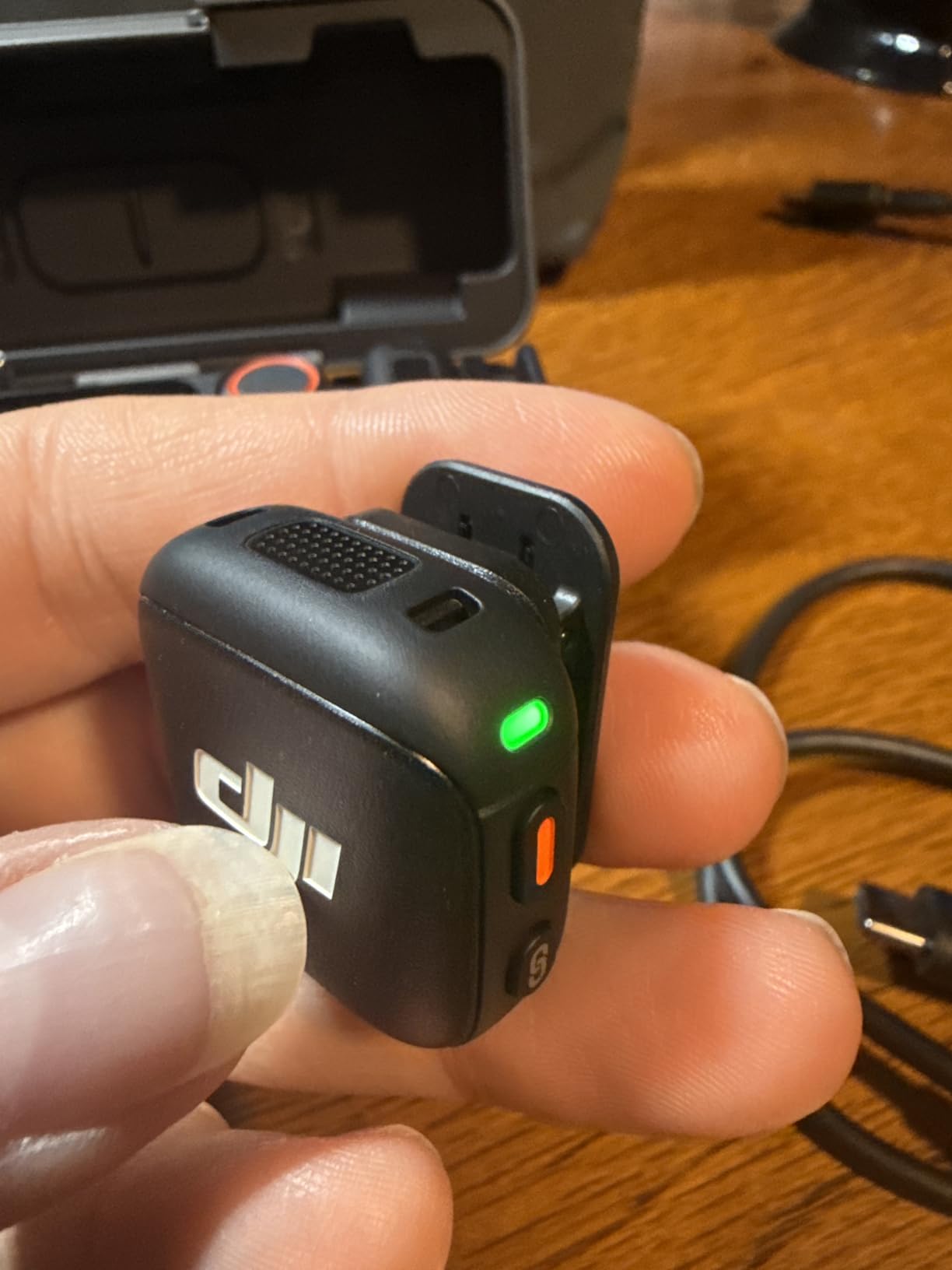
The noise cancellation feature offers three voice tones and two noise cancellation levels, allowing you to dial in the perfect sound for your environment. I found the medium noise cancellation setting effective for reducing air conditioning hum and traffic noise without making my voice sound processed. The dual-band anti-interference technology kept my signal clean even when filming near WiFi routers and other wireless devices.
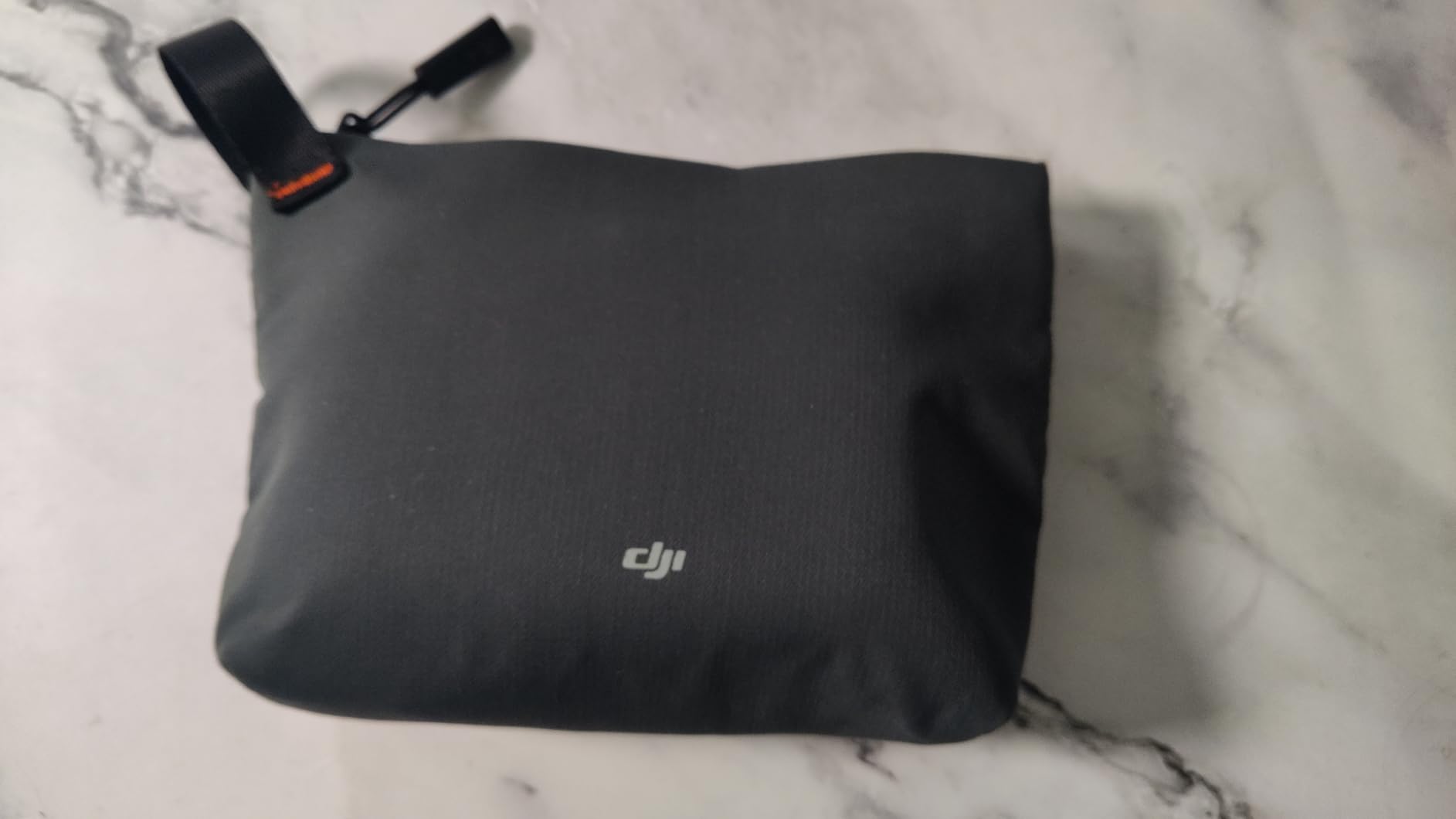
The main trade-off with this configuration is the lack of a charging case, which means you’ll need to manage battery charging separately. Each unit offers substantial battery life, and I easily got through multiple shooting days on a single charge. The included carrying pouch keeps everything organized, though it’s not as convenient as a dedicated charging case. For solo creators who don’t need dual-transmitter capability, this represents excellent value.
Who Should Buy This
Solo content creators, vloggers, and anyone who primarily records themselves will find this system perfectly tailored to their needs. It’s ideal for creators who want DJI quality without paying for a second transmitter. If you’re upgrading from a smartphone mic or cheaper wireless system, this represents a significant step up in audio quality.
Who Should Look Elsewhere
Creators who regularly conduct two-person interviews or podcasts should opt for the dual-transmitter version instead. Those who want the convenience of a charging case for travel should consider the full DJI Mic 3 kit. Budget-conscious buyers might find better value in the DJI Mic Mini or Hollyland options.
4. Hollyland Lark M2 Wireless Microphone – Best Value Champion
Hollyland Lark M2 Wireless Microphone for iPhone/Camera/Android/PC, 48kHz/24-bit High Fidelity Audio, 300m Range, Noise Cancelling, 40h Use, YouTube, Vlog, Streaming (2TX + 3RX + Charging Case)
48kHz/24-bit Hi-Fi Audio
300m Transmission Range
40h Total Battery
9g Ultra-Lightweight Design
Pros
- Incredibly small and lightweight
- Excellent audio quality
- Long battery life
- 300m stable transmission range
- Great value for the price
Cons
- Receiver may be incompatible with thick phone cases
- Occasional fabric rustling if not positioned correctly
The Hollyland Lark M2 delivers remarkable performance at a price point that surprised me during testing. With over 8,000 positive reviews and a 4.7-star rating, this system has clearly won over the creator community. The audio quality impressed me immediately, offering 48kHz/24-bit recording that rivals systems costing twice as much. At just 9 grams per transmitter, these are among the lightest wireless lavs I’ve ever used, making them practically disappear on clothing.
I tested the 300-meter transmission range in various environments and found it reliable for typical content creation scenarios. The signal remained stable during outdoor shoots, though I noticed some degradation at maximum range in urban areas with heavy interference. The one-click noise cancellation feature worked effectively for reducing ambient noise without making my voice sound artificial. Pre-paired at the factory, the system connected instantly when I plugged in the receiver.
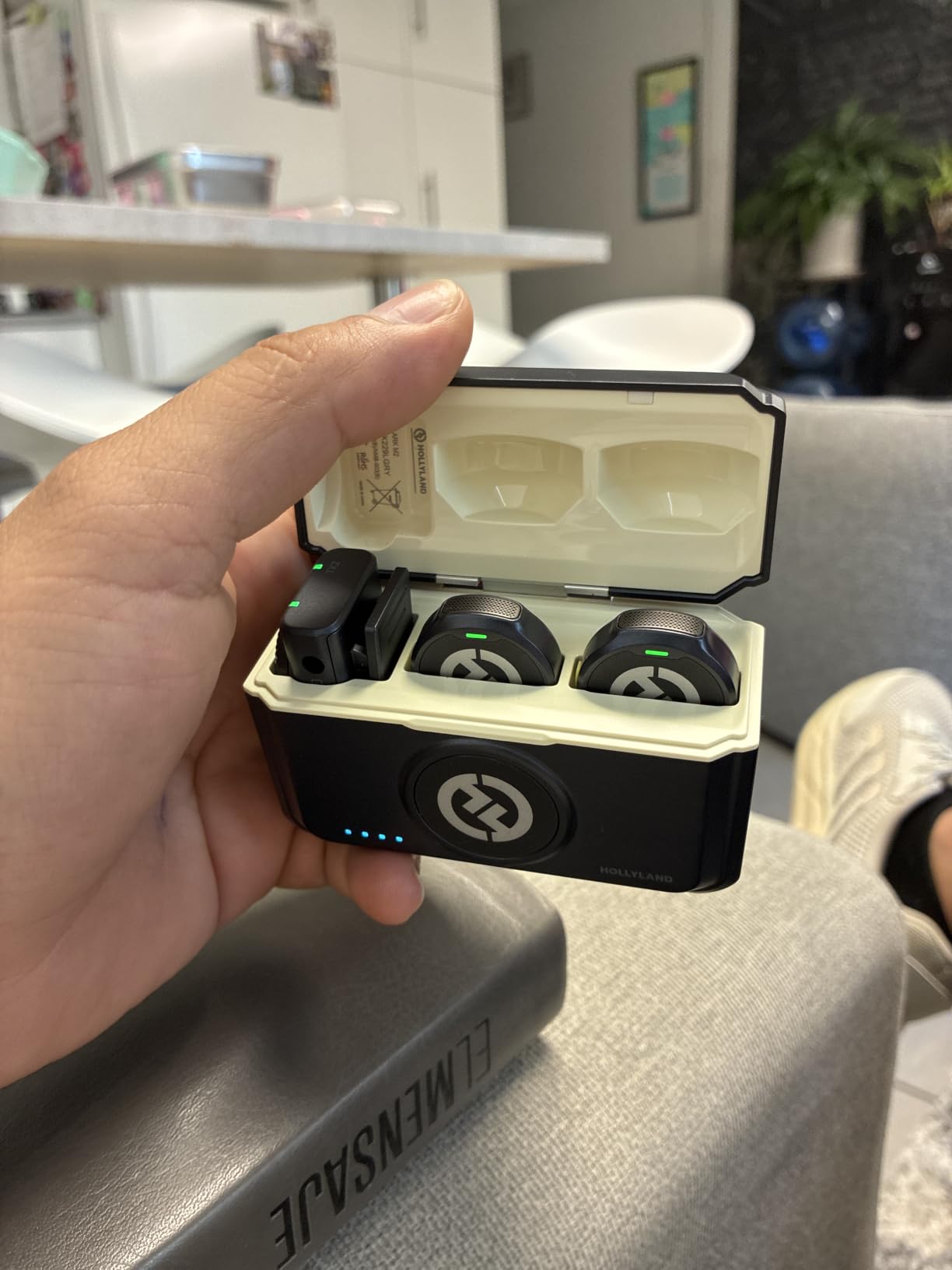
Battery life is outstanding, with the charging case providing up to 40 hours of total use. I went an entire week of regular recording without needing to recharge the case. The system includes multiple receiver options, which I appreciated for switching between my iPhone, Android phone, and camera. The mono and stereo recording modes give you flexibility depending on your project needs. For creators watching their budget, this system offers tremendous value.
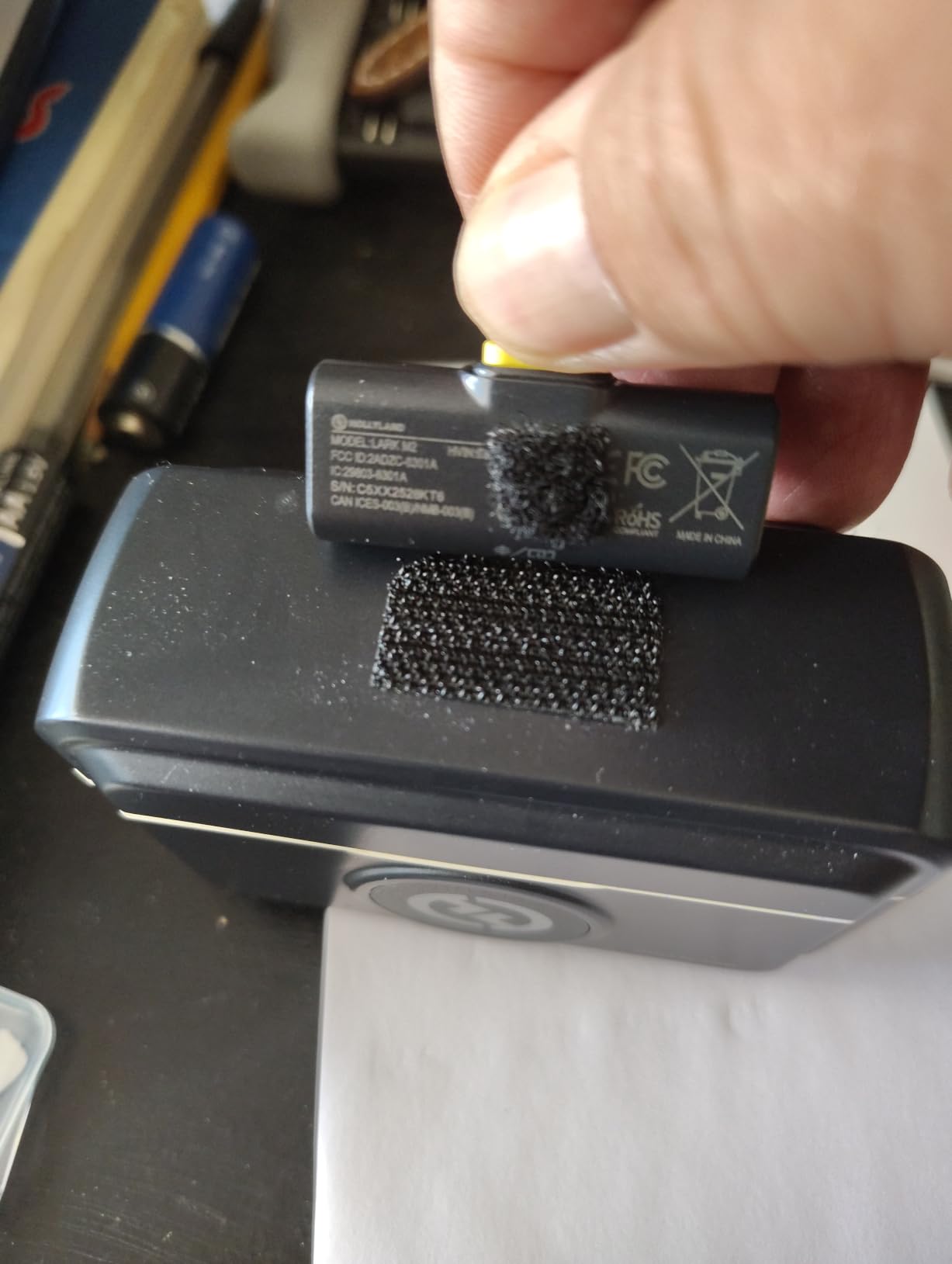
The ultra-lightweight design does have minor trade-offs. The small size made the transmitters slightly fiddly to handle, and I found myself double-checking they were secure in the case. The windshields are tiny, which works for light wind but struggled in breezier conditions. Despite these minor quirks, the Lark M2 delivers where it counts, offering professional features at an accessible price point.
Who Should Buy This
Value-conscious creators who want professional audio quality without breaking the bank will find this system ideal. It’s perfect for YouTubers, TikTok creators, and vloggers who need reliable wireless audio at an affordable price. The multiple receiver options make it versatile for creators who use different devices.
Who Should Look Elsewhere
Professional filmmakers who need features like timecode or 32-bit float recording should consider the RØDE Wireless PRO or DJI Mic 3 instead. Those who record in extremely windy conditions might want a system with larger windshields. Users with thick phone cases may need to remove them to connect the receiver properly.
5. DJI Mic Mini (1 TX + 1 RX) – Ultra-Compact Budget Pick
DJI Mic Mini (1 TX + 1 RX), Ultralight, Detail-Rich Audio
10g Ultra-Lightweight
400m Transmission Range
Two-Level ANC
Automatic Limiting
Pros
- Extremely compact and lightweight
- Excellent audio quality
- Two-level noise cancellation
- Long battery life
- Great value for the price
Cons
- No lav mic jack for external microphones
- May require third-party camera app for iPhone native app recording
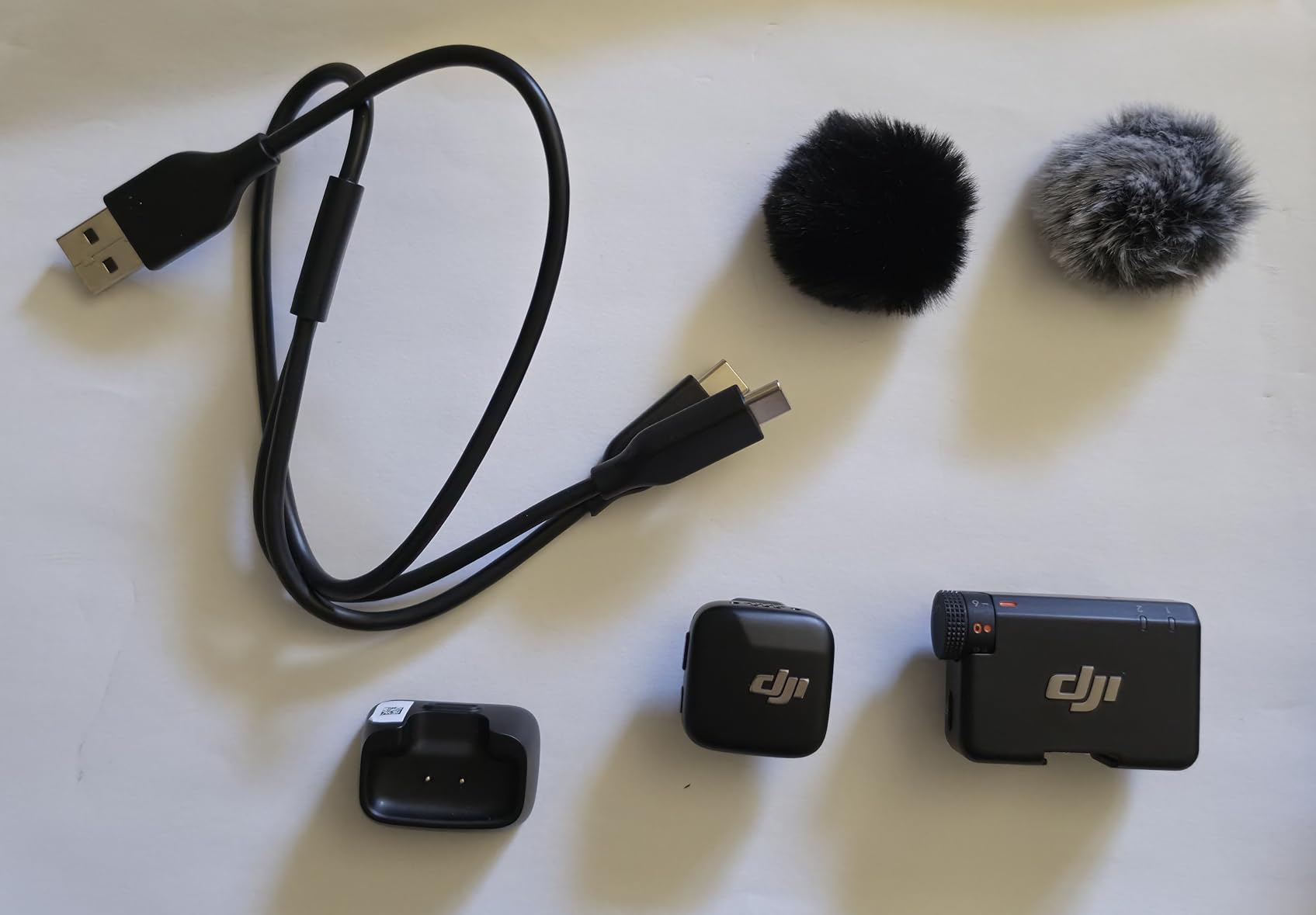
The DJI Mic Mini packs impressive technology into an incredibly compact package, making it the best-selling wireless microphone in its category. I was skeptical about audio quality from such a tiny system, but testing proved me wrong. The 48kHz sampling and 120dB SPL handling deliver clear audio that holds up well for content creation. At just 10 grams, the transmitter virtually disappears on camera, which is invaluable for on-screen talent.
The two-level active noise cancellation surprised me with its effectiveness. The low setting handled typical room noise while the high setting tackled more challenging environments like coffee shops. I tested the automatic limiting feature by speaking loudly near the mic, and it prevented clipping without audible pumping. The 400-meter transmission range matched DJI’s claims in open environments, giving me confidence to record at distance.
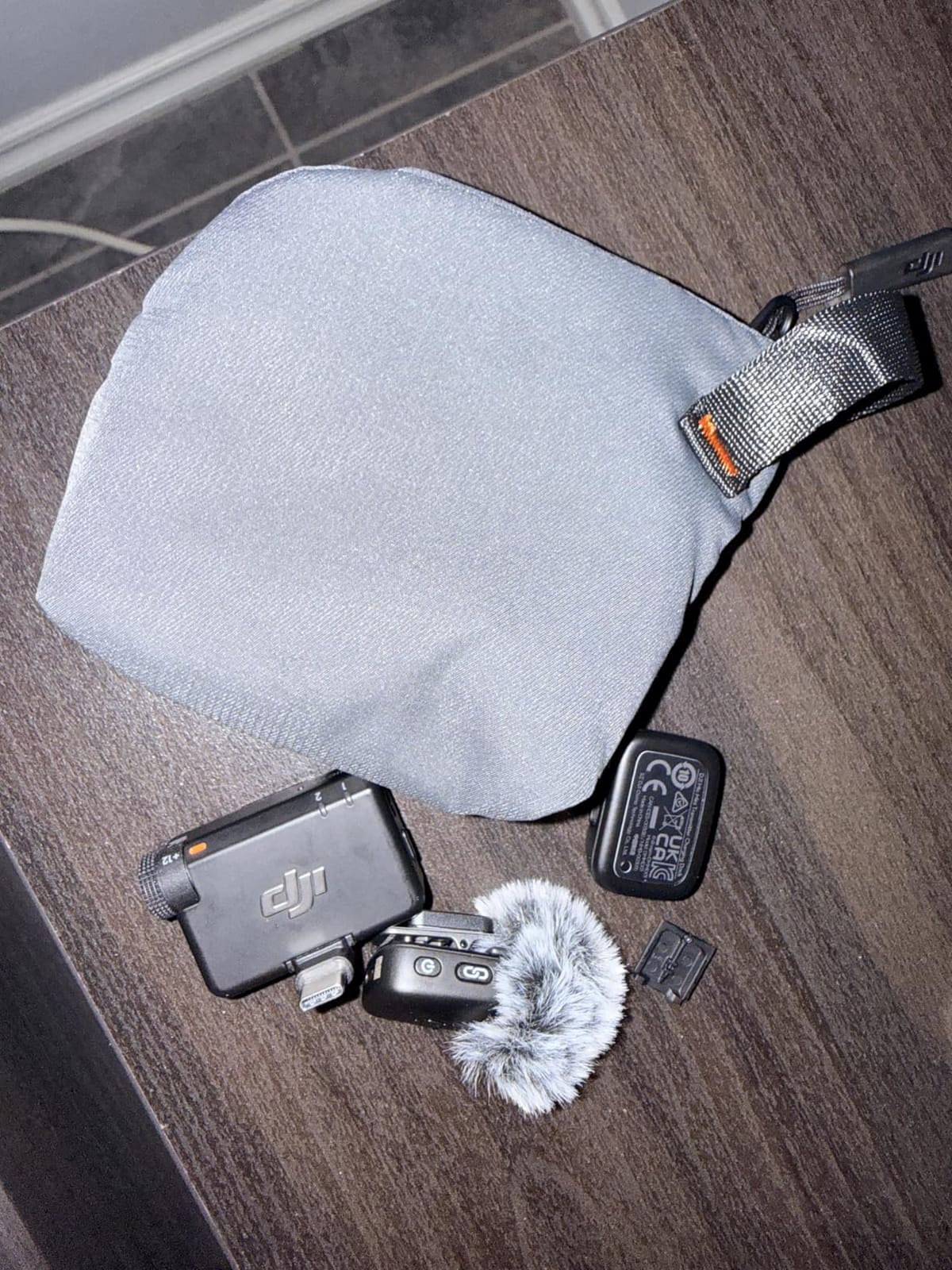
Battery life offers 10 hours per unit, which covered my typical shooting day without issue. The compact charging dock keeps everything organized and topped up between sessions. I appreciated the DJI OsmoAudio direct connection when using compatible DJI cameras, which simplified my setup. The system feels designed for creators who need professional features in an ultra-portable form factor.
The main limitation is the lack of an external lav mic jack, meaning you’re committed to the built-in microphone. For most creators, this isn’t an issue, but those who prefer external mics for better isolation should note this constraint. I also found that iPhone users may need third-party camera apps to record properly with the native Photos app. These trade-offs are minor given the exceptional value this system provides.
Who Should Buy This
Content creators on a budget who want DJI quality without the premium price will find this system perfect. It’s ideal for vloggers, TikTok creators, and anyone who needs wireless audio without complexity. The ultra-compact size makes it excellent for on-camera use where visibility matters.
Who Should Look Elsewhere
Creators who need external lavalier microphone compatibility should consider the RØDE Wireless PRO or other systems with mic jacks. Those requiring extended battery life beyond 10 hours per charge might prefer systems with charging cases. Users who primarily use iPhone’s native camera app may experience compatibility issues.
6. MAONO Wave T5 Wireless Lavalier Microphone – Feature-Rich Versatility
MAONO Wave T5 Wireless Lavalier Microphone for iPhone/Android/Camera/PC
48kHz/24-bit Broadcast Audio
AI Noise Cancellation
4 EQ Presets
40h Battery Life
Pros
- Excellent sound quality
- AI noise cancellation works well
- Long battery life
- Magnetic clips are strong
- Multiple adapters included
Cons
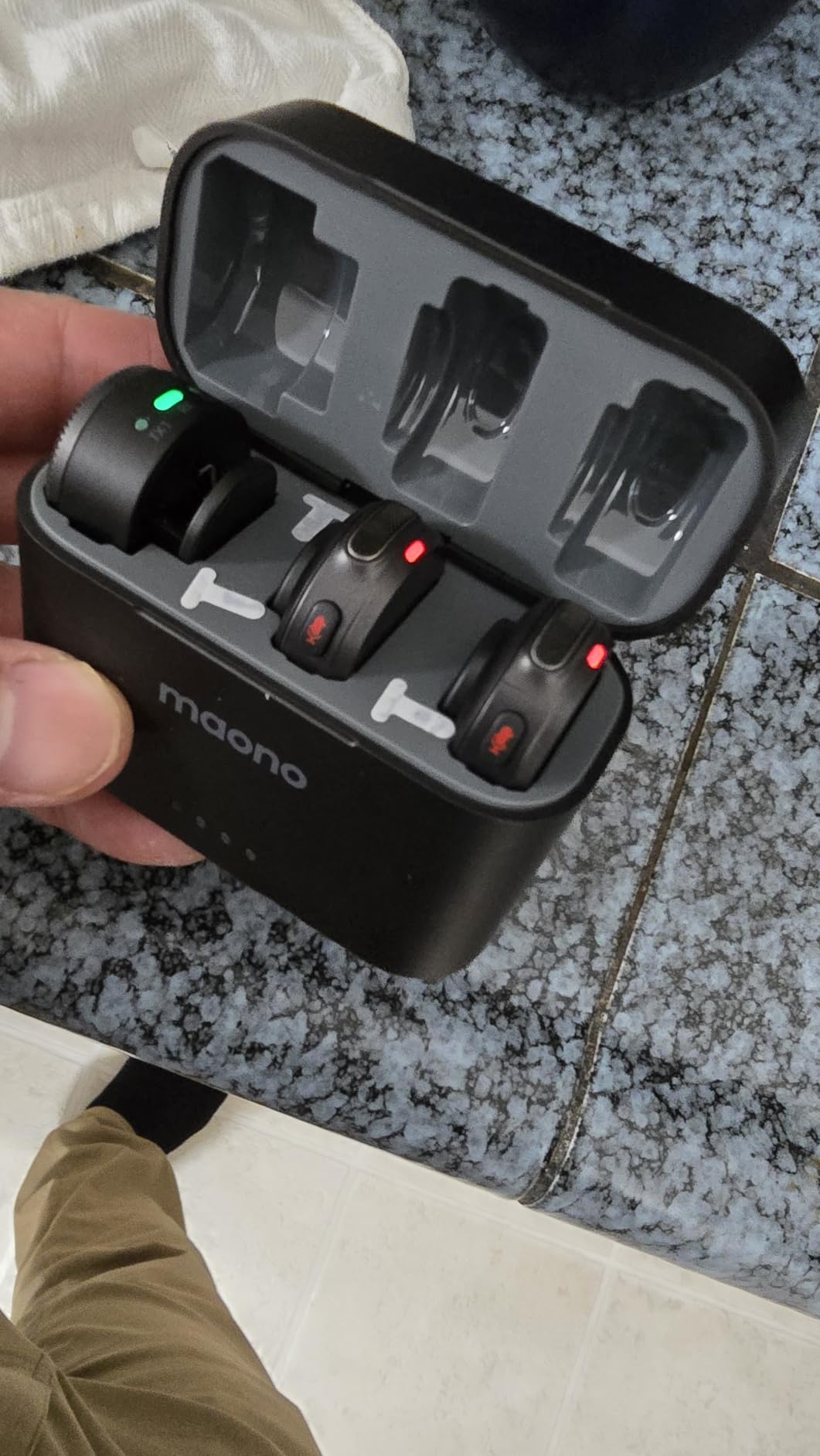
- One transmitter case split open from normal use
- Receiver can get stuck in phone port
The MAONO Wave T5 brings impressive versatility to the wireless lavalier market with features typically found in more expensive systems. I tested this system for two weeks and was impressed by the 48kHz/24-bit audio quality, which delivered broadcast-grade recordings. The four EQ presets, including Vocal Enhancer, Brightness, Warmth, and Magnetic Radio, allowed me to quickly dial in the right sound for different content types. The AI noise cancellation offered multiple modes that effectively cleaned up my audio without sounding artificial.
The magnetic clip system worked exceptionally well during my tests, staying securely attached through various movements. I particularly appreciated the necklace attachment option for situations where clipping to clothing wasn’t practical. The 300-meter wireless range handled most recording scenarios, though I noticed some signal fluctuation at maximum range. The included adapters for USB-C, Lightning, and camera connections make this one of the most versatile systems available.
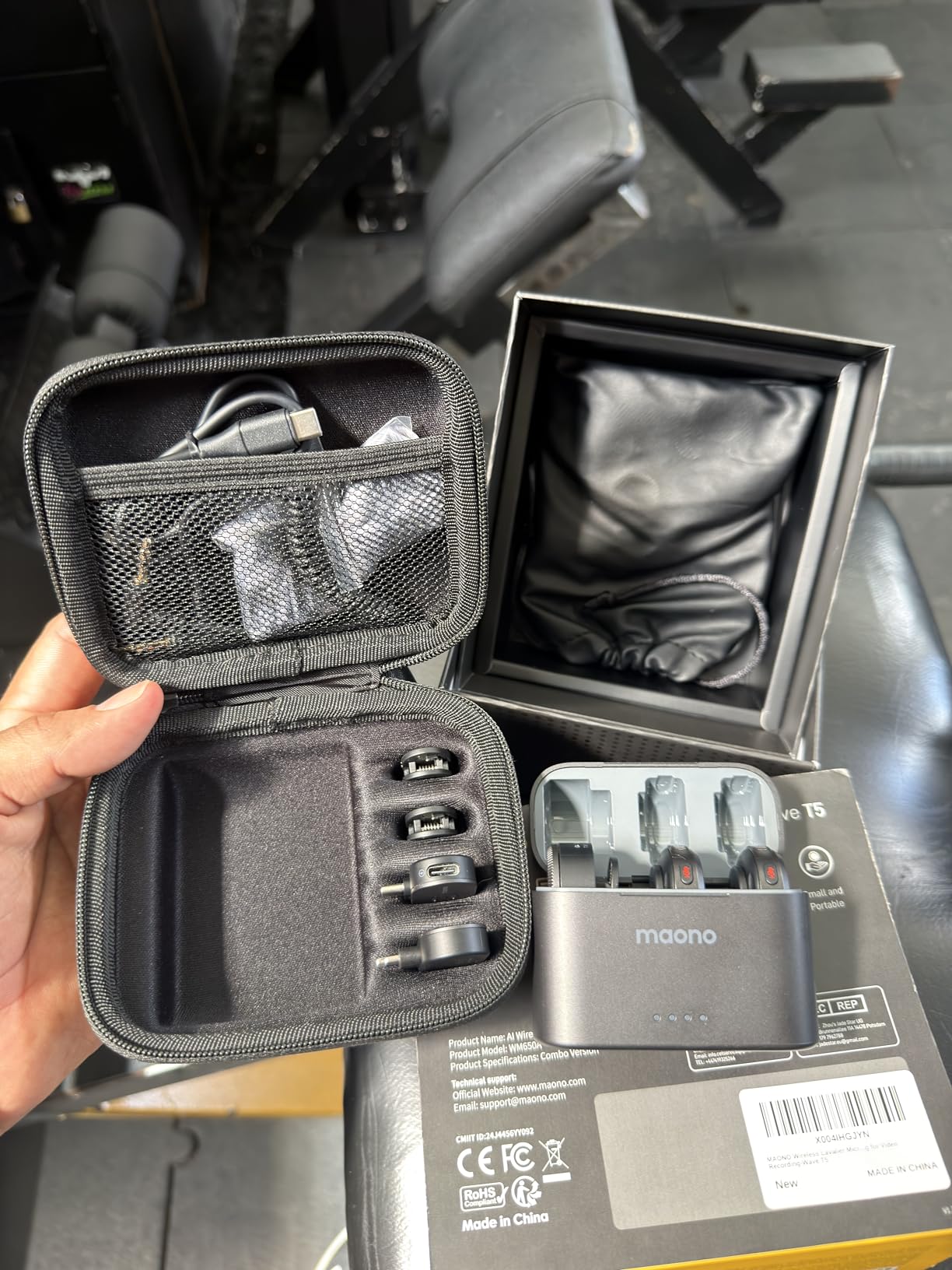
Battery life reached 40 hours with the charging case, easily covering multiple shooting days. The ability to charge my phone while recording was a thoughtful feature that kept my device powered during long sessions. The gain control dial on the receiver offered precise adjustments without needing to access phone settings. For creators who value flexibility and feature depth, this system delivers impressive capability at a competitive price.
Build quality showed some concerns during my testing, with the transmitter case feeling less robust than premium competitors. One transmitter developed a small crack after normal use, though it continued functioning properly. The receiver’s tight fit in phone ports occasionally made removal difficult. Despite these minor issues, the Wave T5 offers tremendous value for creators who need versatility.
Who Should Buy This
Creators who need maximum versatility across different devices and recording scenarios will appreciate this system. It’s ideal for content makers who want multiple EQ options and AI noise cancellation at an accessible price. The various adapters make it perfect for creators who switch between smartphone and camera recording.
Who Should Look Elsewhere
Those prioritizing build quality should consider DJI or RØDE systems, which feel more premium. Users who rarely need the advanced features might find simpler systems more appropriate. Creators who primarily use one device may not need the extensive adapter collection.
7. Hollyland Lark A1 Combo – Ultra-Compact Dual System
Hollyland Lark A1 Combo(2TX+2RX+Charging Case) Wireless Magnetic Microphone
48kHz/24-bit Studio Audio
54h Total Battery
3-Level Noise Cancel
8g Ultra-Lightweight
Pros
- Excellent audio quality
- Very long battery life
- Lightweight and compact
- Strong magnetic attachment
- Plug-and-play simplicity
Cons
- Not compatible with video call or translation apps
- Firmware update instructions can be confusing
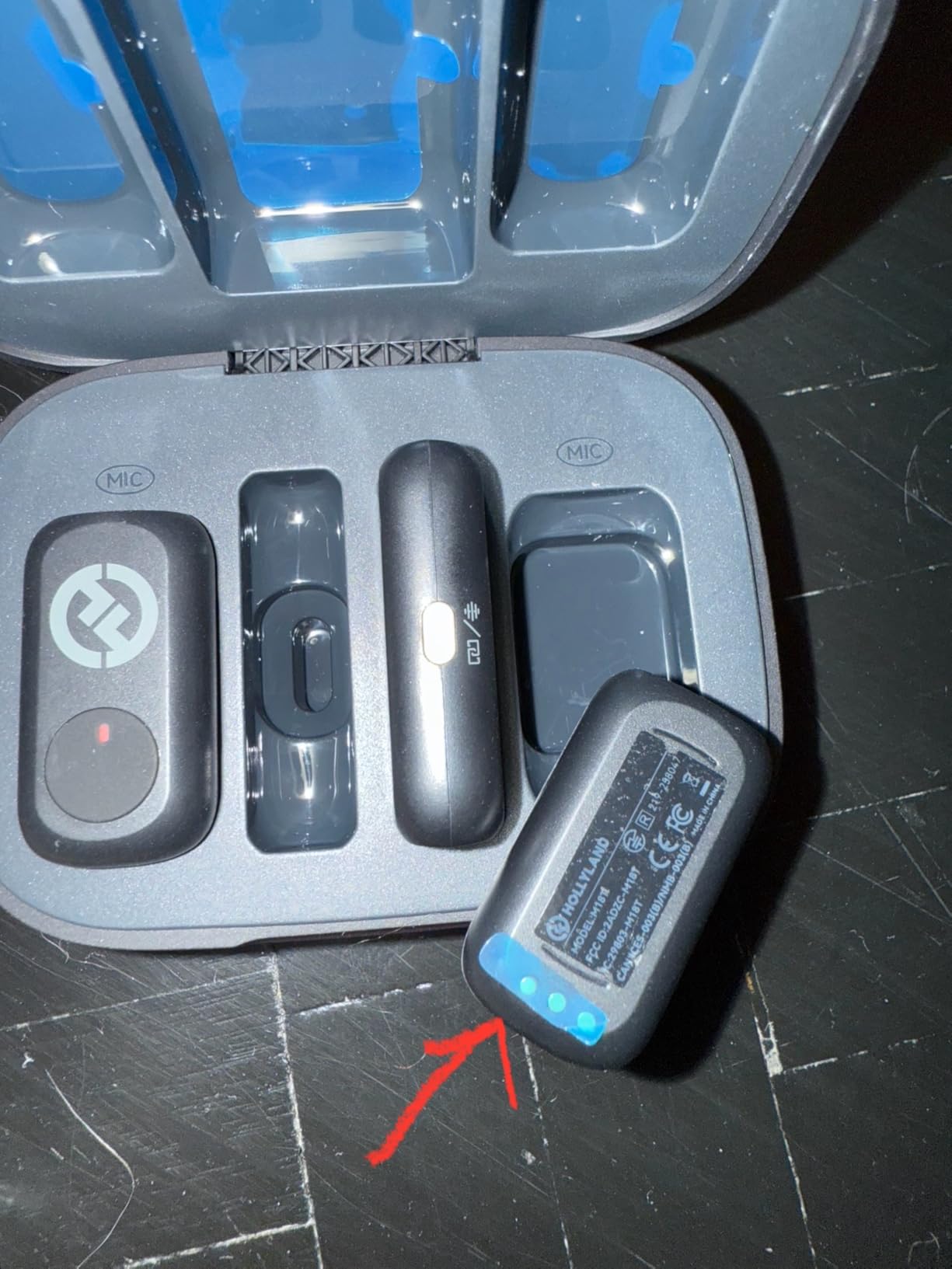
The Hollyland Lark A1 Combo offers an impressive combination of compact size and professional features at an accessible price point. I tested this system for vlogging and found the 48kHz/24-bit audio quality remarkably good for the price. The three-level intelligent noise cancellation handled various environments well, from quiet offices to moderately busy streets. At just 8 grams per transmitter, these are among the lightest wireless mics available, making them easy to conceal during recording.
Battery life exceeded my expectations, with the charging case providing up to 54 hours of total use. I went over a week of regular recording without needing to recharge the case, which is exceptional for this price range. The magnetic attachment felt secure during movement, and I never worried about the transmitter falling off. The plug-and-play simplicity meant I could start recording within seconds of unpacking the system.
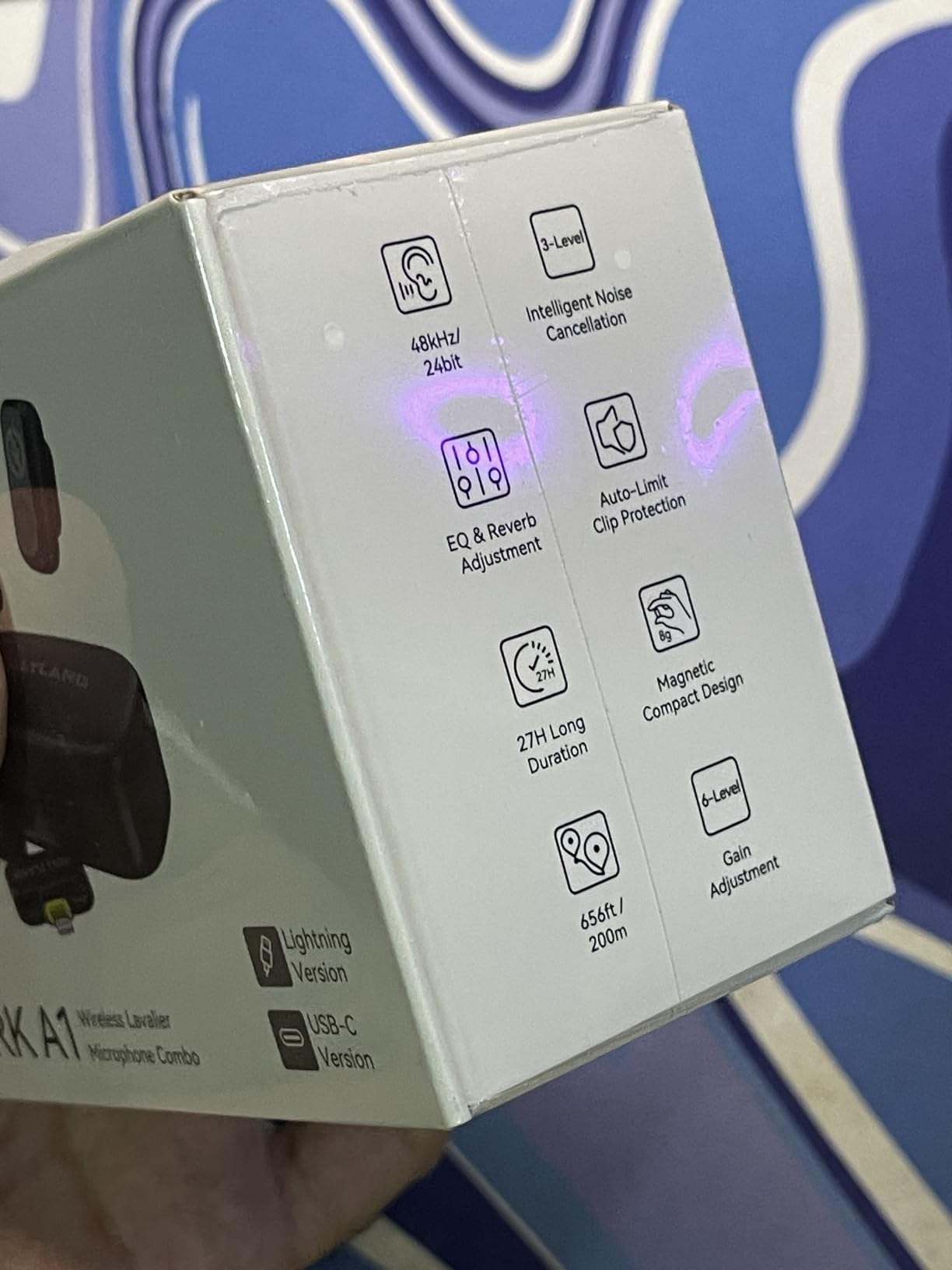
The 200-meter wireless transmission range handled typical content creation scenarios well, though it’s shorter than premium competitors. I tested the six-level gain control via the HollyAudio app and found it useful for fine-tuning audio levels. The mono and stereo recording modes provided flexibility for different project types. For budget-conscious creators who need dual-transmitter capability, this system offers remarkable value.
The main limitation I discovered was incompatibility with video calling apps like Zoom or translation apps. This restriction won’t affect most content creators, but it’s worth noting if you plan to use the system for calls. The firmware update process required careful attention to instructions, which weren’t as clear as they could be. Despite these minor issues, the Lark A1 delivers impressive performance for its compact size and price.
Who Should Buy This
Creators who need an ultra-compact dual-transmitter system at an affordable price will find this ideal. It’s perfect for vloggers, interviewers, and two-person content teams who want lightweight equipment. The exceptional battery life makes it excellent for travel and extended shooting days.
Who Should Look Elsewhere
Users who need video call compatibility should choose a different system, as this limitation could be frustrating. Those requiring longer transmission range should consider the DJI or Hollyland Lark M2 instead. Creators who want simpler firmware updates might prefer systems with more streamlined apps.
8. BOYA mini 2 Wireless Lavalier Microphone – Ultra-Budget Option
BOYA mini 2 Wireless Lavalier Microphone for iPhone 15/16/17 & Android
48kHz/24-bit Audio
30h Battery Life
5g Ultra-Lightweight
AI Noise Cancellation
Pros
- Extremely lightweight and compact
- Good audio quality for the price
- Long battery life
- App control for settings
- Great value for budget creators
Cons
- Windscreens fall off easily
- Clip attachment can be slippery on thick fabric
- AI voice changer feature gimmicky
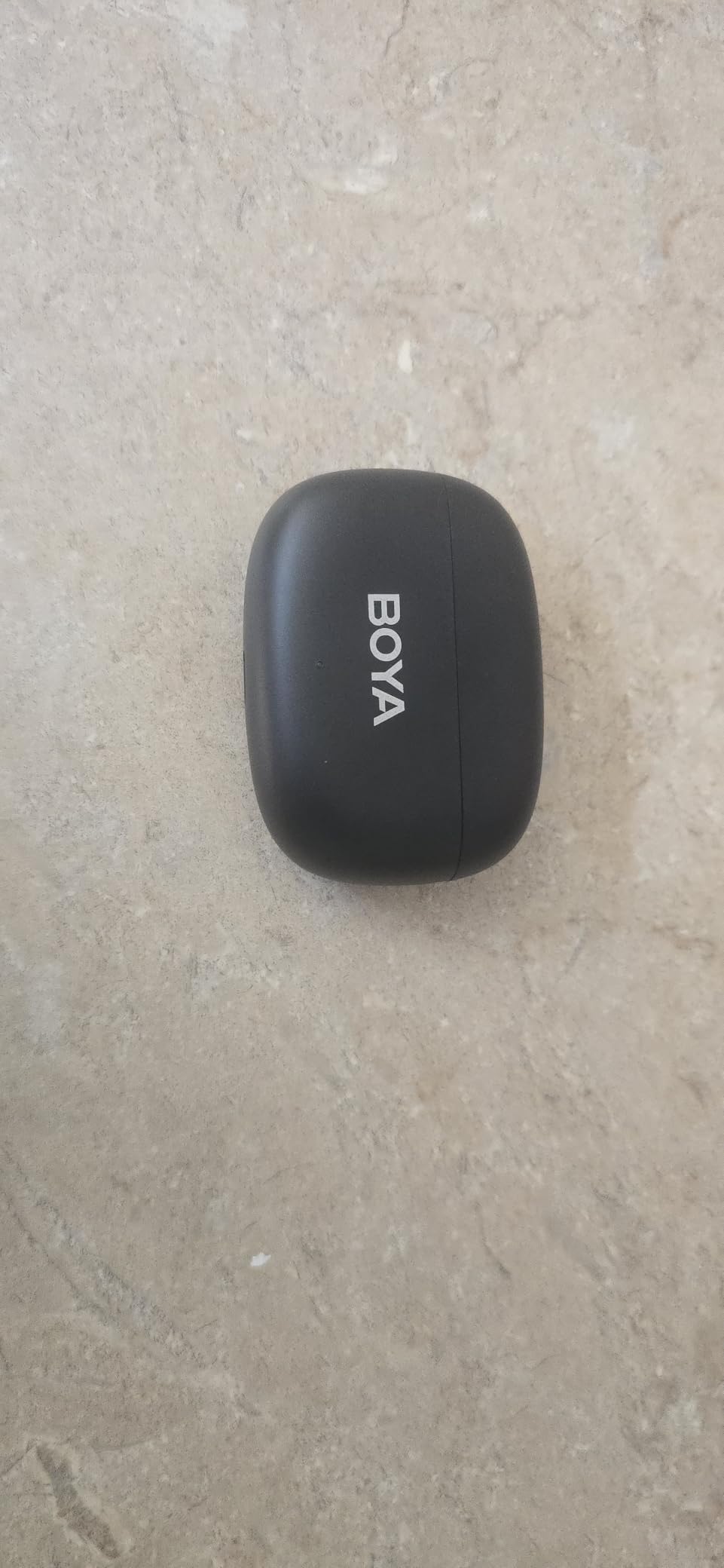
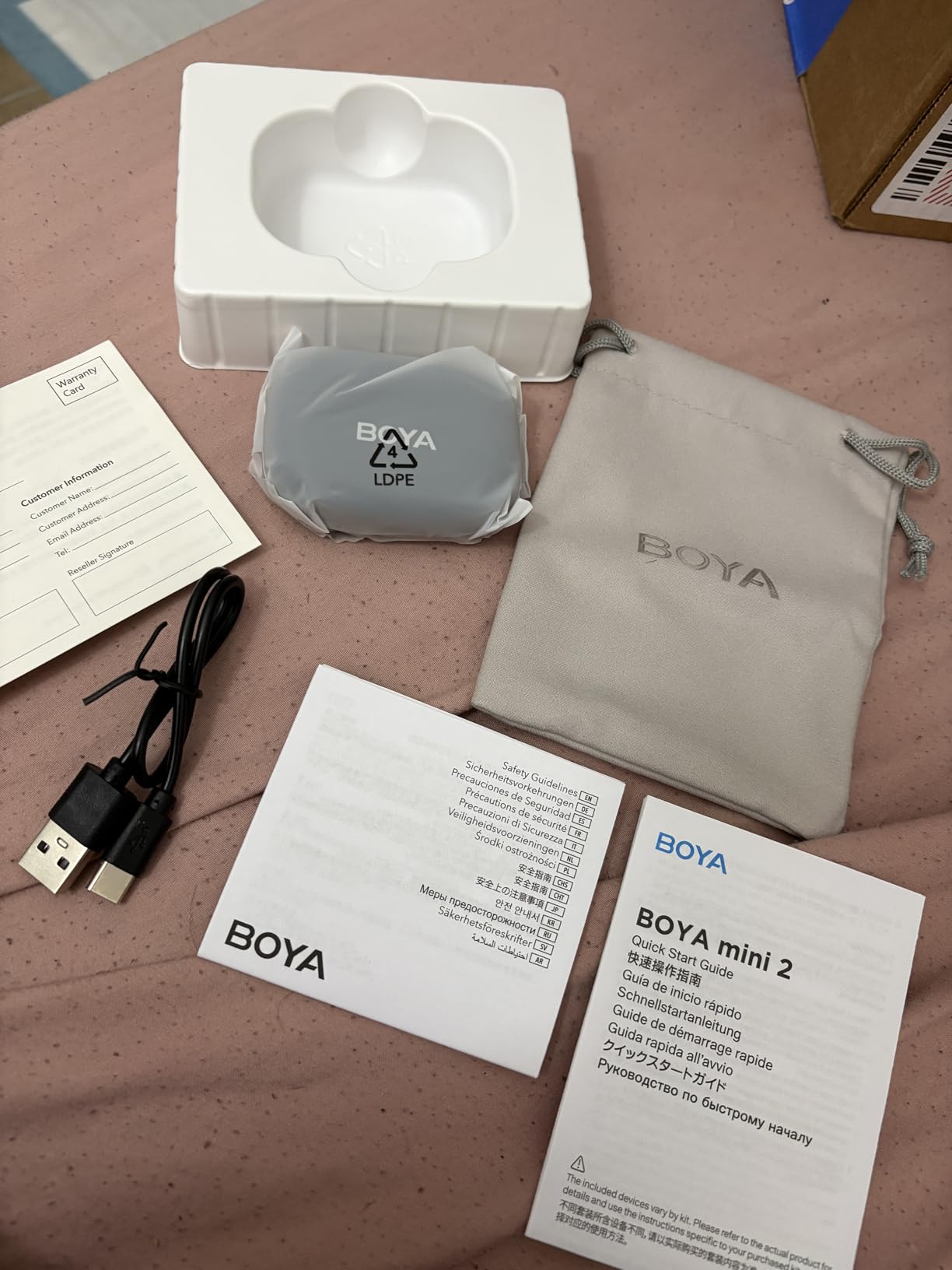
The BOYA mini 2 represents the ultimate budget option for creators who need wireless audio without spending much. At just 5 grams, this is one of the lightest wireless lavalier microphones I’ve ever tested, making it nearly invisible when worn. The 48kHz/24-bit audio quality surprised me, delivering respectable recordings that exceeded my expectations for the price. With over 2,000 reviews and a 4.2-star rating, this system has proven itself as a viable budget contender.
The AI noise cancellation offers two levels, with the strong setting reducing noise by 40dB and the light setting by 15dB. I found the strong setting effective for reducing constant background noise like air conditioning, though it could make voices sound slightly processed. The BOYA Central app provided useful controls for gain adjustment and EQ presets, though the interface felt less polished than premium brands. The 30-hour battery life with the charging case covered multiple shooting days easily.
The limiter and -12dB safety track feature provided protection against unexpected loud sounds, which saved one of my recordings when someone slammed a door nearby. The voice transformation effects felt gimmicky to me, but some creators might find them fun for creative projects. At this price point, the system delivers more features than expected, even if the execution isn’t as refined as premium alternatives.
Build quality shows the budget price point, with windscreens that fell off multiple times during testing. The clip attachment worked well on thin fabrics but struggled to grip thicker materials securely. Despite these compromises, the BOYA mini 2 offers functional wireless audio for creators just starting out or those on tight budgets. For under $40, it’s hard to complain about the value provided.
Who Should Buy This
Beginner creators and those on tight budgets will find this system provides excellent value for basic wireless audio needs. It’s perfect for testing whether wireless lavalier mics work for your content style before investing more. The ultra-lightweight design suits on-camera use where visibility is a concern.
Who Should Look Elsewhere
Those needing reliable performance in professional settings should invest in DJI, Hollyland, or RØDE systems. Creators who record in windy conditions will find the small windscreens inadequate. Users who want refined build quality and polished apps should look at higher-priced alternatives.
Buying Guide: How to Choose the Best Wireless Lavalier Microphone?
Selecting the right wireless lavalier microphone depends on your specific recording needs, budget, and technical requirements. I’ve tested numerous systems and learned that the “best” option varies significantly based on use case. This buying guide covers the essential factors to consider when making your decision, helping you find the perfect match for your content creation workflow.
Audio Quality and Recording Format
The audio quality of wireless lavalier microphones has improved dramatically in recent years, with many systems now offering 48kHz/24-bit recording. This specification delivers broadcast-quality audio that holds up well for professional productions. Systems with 32-bit float recording, like the DJI Mic 3 and RØDE Wireless PRO, offer even greater flexibility in post-production, allowing you to recover clipped audio and adjust levels without quality loss. For most content creators, standard 24-bit recording provides excellent results, but filmmakers and podcasters who need maximum headroom should consider 32-bit float systems.
Transmission Range and Reliability
Wireless transmission range varies significantly between systems, from 100 meters to over 400 meters in optimal conditions. Consider where you’ll be recording most frequently. Urban environments with heavy RF interference from WiFi, Bluetooth, and cellular signals will reduce effective range regardless of specifications. I’ve found that systems using dual-band anti-interference technology, like the DJI Mic 3, perform more consistently in challenging environments. For studio work, range matters less, but outdoor filmmakers should prioritize longer transmission distances and interference resistance.
Battery Life and Charging Options
Battery life impacts your workflow significantly, especially for extended shooting days or travel. Most systems offer 8-10 hours per charge, with charging cases extending total use to 30-54 hours. Consider whether you need continuous recording capability or can pause to recharge. Systems with charging cases provide convenience and organization, while budget options may require separate charging management. Fast charging capabilities can save you during time-sensitive shoots, so check specifications if this matters for your workflow.
Device Compatibility and Connectivity
Modern wireless lavalier systems must work across multiple devices, from smartphones to cameras to computers. Check that your chosen system includes the right adapters for your equipment. iPhone users need Lightning or USB-C receivers depending on their model, while Android users typically need USB-C options. Camera connectivity requires 3.5mm TRS outputs, and some systems include multiple receiver types. Universal compatibility, like the RØDE Wireless PRO offers, provides maximum flexibility if you use different devices regularly.
Noise Cancellation and Audio Processing
Active noise cancellation has become standard on many wireless lavalier systems, helping reduce background noise without post-processing. The effectiveness varies significantly between brands and price points. Test systems in environments similar to your typical recording conditions, as noise cancellation that works well for air conditioning hum might struggle with traffic noise. Some systems offer multiple noise cancellation levels, allowing you to adjust intensity based on your environment. Remember that aggressive noise cancellation can make voices sound processed, so balance noise reduction with natural voice quality.
Form Factor and Mounting Options
The size and weight of transmitters affect both comfort and visibility during recording. Ultra-lightweight systems like the Hollyland Lark M2 (9g) and BOYA mini 2 (5g) are nearly invisible on camera but may feel fiddly to handle. Larger systems like the RØDE Wireless PRO offer more features but are harder to conceal. Consider mounting options as well, including magnetic clips, traditional clips, and lanyard attachments. Some systems include multiple mounting methods, which I’ve found valuable for different clothing types and shooting scenarios.
Budget and Value Considerations
Wireless lavalier microphones range from under $40 to over $400, with significant feature differences across price points. Budget systems like the BOYA mini 2 offer functional wireless audio but compromise on build quality and advanced features. Mid-range options like the Hollyland Lark M2 provide excellent value with most professional features. Premium systems like the RØDE Wireless PRO deliver maximum capability for filmmakers who need timecode, 32-bit recording, and external mic compatibility. Consider your long-term needs and invest accordingly, as audio quality significantly impacts your content’s perceived professionalism.
Frequently Asked Questions
What is the best high-quality lavalier mic?
The RØDE Wireless PRO stands out as the best high-quality lavalier microphone system, offering 32-bit float recording, timecode sync, and professional Lavalier II microphones included. The DJI Mic 3 also delivers exceptional audio quality with 32-bit float backup recording and dual-band anti-interference technology for reliable performance.
What brand of wireless microphone is the best?
DJI, RØDE, and Hollyland consistently rank among the best wireless microphone brands based on user reviews and professional recommendations. DJI offers excellent integration with their camera ecosystem, RØDE provides professional features for filmmakers, and Hollyland delivers outstanding value with premium features at lower prices.
What is the best quality lapel microphone?
The DJI Mic 3 (2 TX + 1 RX) offers the best overall quality for most content creators, combining excellent audio performance, 32-bit float backup recording, and reliable dual-band transmission. For filmmakers needing timecode integration and external mic capability, the RØDE Wireless PRO represents the highest quality option.
What are the best professional lav mics?
The RØDE Wireless PRO and DJI Mic 3 represent the best professional wireless lavalier systems, offering 32-bit float recording, extended battery life, and broadcast-quality audio. The RØDE includes timecode capability and external Lavalier II microphones, making it ideal for professional film and video production.
What is the best budget wireless lavalier microphone?
The DJI Mic Mini offers the best value for budget-conscious creators, providing 48kHz audio quality, two-level noise cancellation, and 400m transmission range at under $50. The Hollyland Lark M2 delivers even better features including 48kHz/24-bit audio and 40-hour battery life at a competitive mid-range price.
Final Verdict
Choosing the best wireless lavalier microphone ultimately depends on your specific needs, budget, and content type. For most creators, the DJI Mic 3 (2 TX + 1 RX) offers the best balance of audio quality, features, and reliability, earning our Editor’s Choice designation. Filmmakers who need timecode and external mic capability should invest in the RØDE Wireless PRO for its professional-grade features. Budget-conscious creators will find exceptional value in the Hollyland Lark M2 or DJI Mic Mini, both delivering impressive performance at accessible prices.
Consider your primary use case when making your decision. Solo vloggers can save money with single-transmitter options, while interviewers need dual-transmitter systems. Think about device compatibility, battery life, and whether advanced features like 32-bit float recording matter for your workflow. Any system from our top eight recommendations will significantly improve your audio quality compared to built-in smartphone or camera microphones. Invest in the best wireless lavalier microphone you can afford, and your content will sound more professional in 2026.