
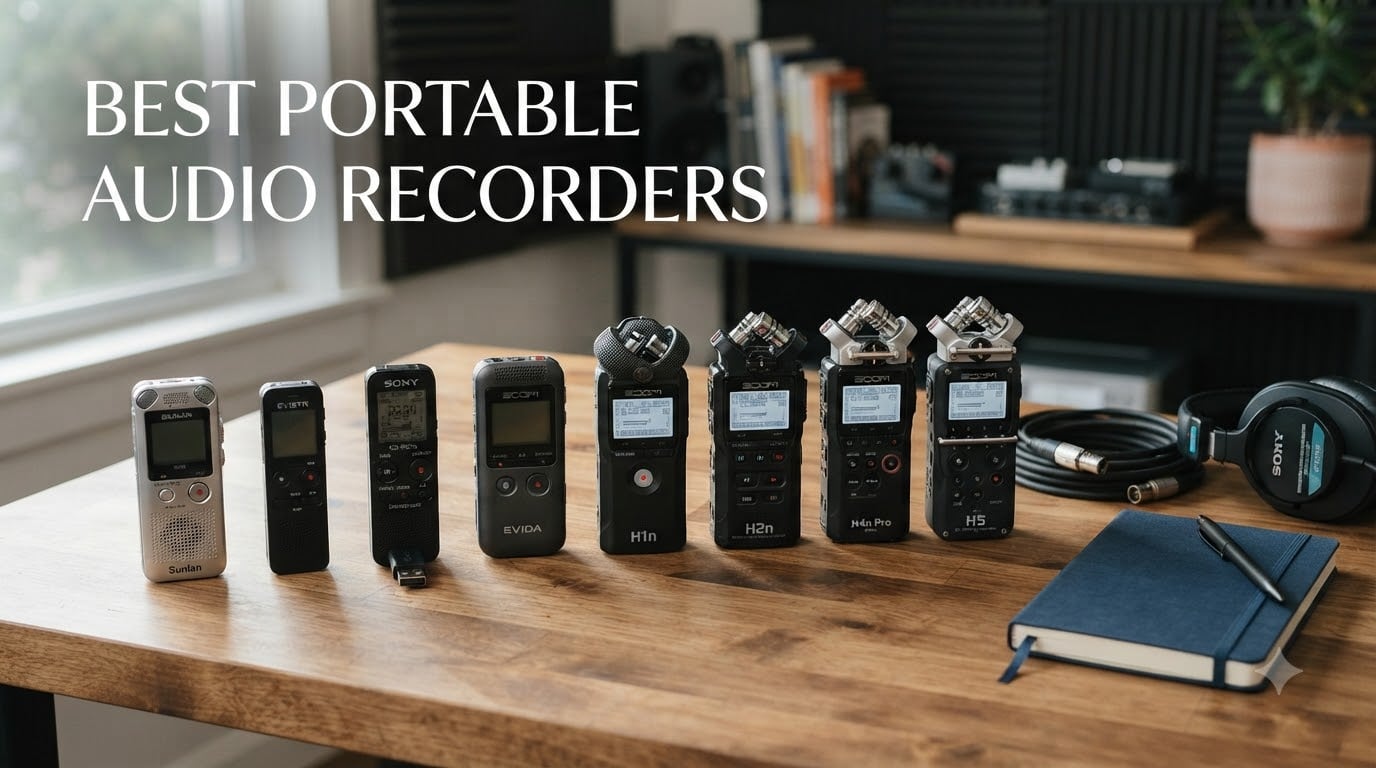
If you have ever wrapped up a phone interview only to realize the audio sounds like it was recorded inside a coffee can, you already understand why dedicated portable audio recorders exist. Smartphones are convenient, but their tiny built-in mics and aggressive noise processing destroy the kind of detail that makes dialogue clear and music feel alive. After spending weeks testing eight different handheld recorders across studio sessions, outdoor field recording, and back-to-back interviews, our team put together this list of the best portable audio recorders you can buy in 2026.
The right recorder depends on what you are capturing. A journalist chasing breaking news needs a pocket-sized dictaphone with hours of battery life and intuitive one-touch operation. A filmmaker shooting documentary footage needs XLR inputs, phantom power, and 32-bit float recording to handle everything from quiet interviews to loud concerts. A musician sketching song ideas needs pristine stereo capture without fussing over gain levels. We tested each unit against the use cases real buyers care about and ranked them accordingly.
Inside this guide, you will find our top three picks, a detailed breakdown of every product, a buying guide covering the features that actually matter, and answers to the questions people ask most about portable recording devices. We also called out 32-bit float recording in plain English because it shows up on nearly every spec sheet now and most explanations are worse than confusing.
Table of Contents
- Top 3 Picks for Best Portable Audio Recorders (September 2026)
- Best Portable Audio Recorders in 2026 – Quick Overview
- 1. Sunlan 16GB Digital Voice Recorder – Best Ultra-Budget Pick for Notes
- 2. EVISTR 64GB Digital Voice Recorder – Best Storage for Extended Sessions
- 3. Sony ICD-PX370 Mono Digital Voice Recorder – Best Reliable Brand Pick
- 4. EVIDA 128GB Digital Voice Recorder – Best for Password-Protected Sessions
- 5. Zoom H1 Essential Recorder – Best Value for Musicians
- 6. Zoom H1 XLR 2-Channel Recorder – Best Compact Pro Pick for Filmmakers
- 7. Zoom H4 Essential Handheld Recorder – Best 4-Track Versatility
- 8. Zoom H5 4-Track Handheld Recorder – Best for Professional Field Recording
- Buying Guide: How to Choose the Best Portable Audio Recorder?
- Frequently Asked Questions
- Final Verdict: Which Portable Audio Recorder Should You Buy in 2026?
Top 3 Picks for Best Portable Audio Recorders (September 2026)
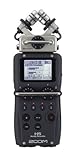
Zoom H5 4-Track Handheld…
- Interchangeable capsules
- 4-track recording
- XLR/TRS inputs with phantom power


Best Portable Audio Recorders in 2026 – Quick Overview
| Product | Specs | Action |
|---|---|---|
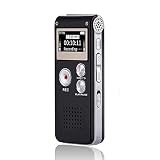 Sunlan 16GB Voice Recorder Sunlan 16GB Voice Recorder |
|
Check Latest Price |
 EVISTR 64GB Voice Recorder EVISTR 64GB Voice Recorder |
|
Check Latest Price |
| Sony ICD-PX370 Recorder |
|
Check Latest Price |
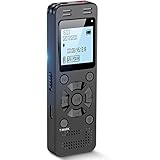 EVIDA 128GB Voice Recorder EVIDA 128GB Voice Recorder |
|
Check Latest Price |
| Zoom H1 Essential Recorder |
|
Check Latest Price |
 Zoom H1 XLR 2-Channel Recorder Zoom H1 XLR 2-Channel Recorder |
|
Check Latest Price |
 Zoom H4 Essential Recorder Zoom H4 Essential Recorder |
|
Check Latest Price |
| Zoom H5 4-Track Recorder |
|
Check Latest Price |
1. Sunlan 16GB Digital Voice Recorder – Best Ultra-Budget Pick for Notes
Digital Voice Recorder 16GB Voice Recorder with Playback for Lectures – USB Rechargeable Dictaphone Upgraded Small Tape Recorder Device
16GB storage
30-hour battery
Noise reduction
Pros
- One-button recording
- 30+ hour continuous capture
- USB rechargeable
- Excellent value
Cons
- Small buttons and display
- Menu can feel counterintuitive
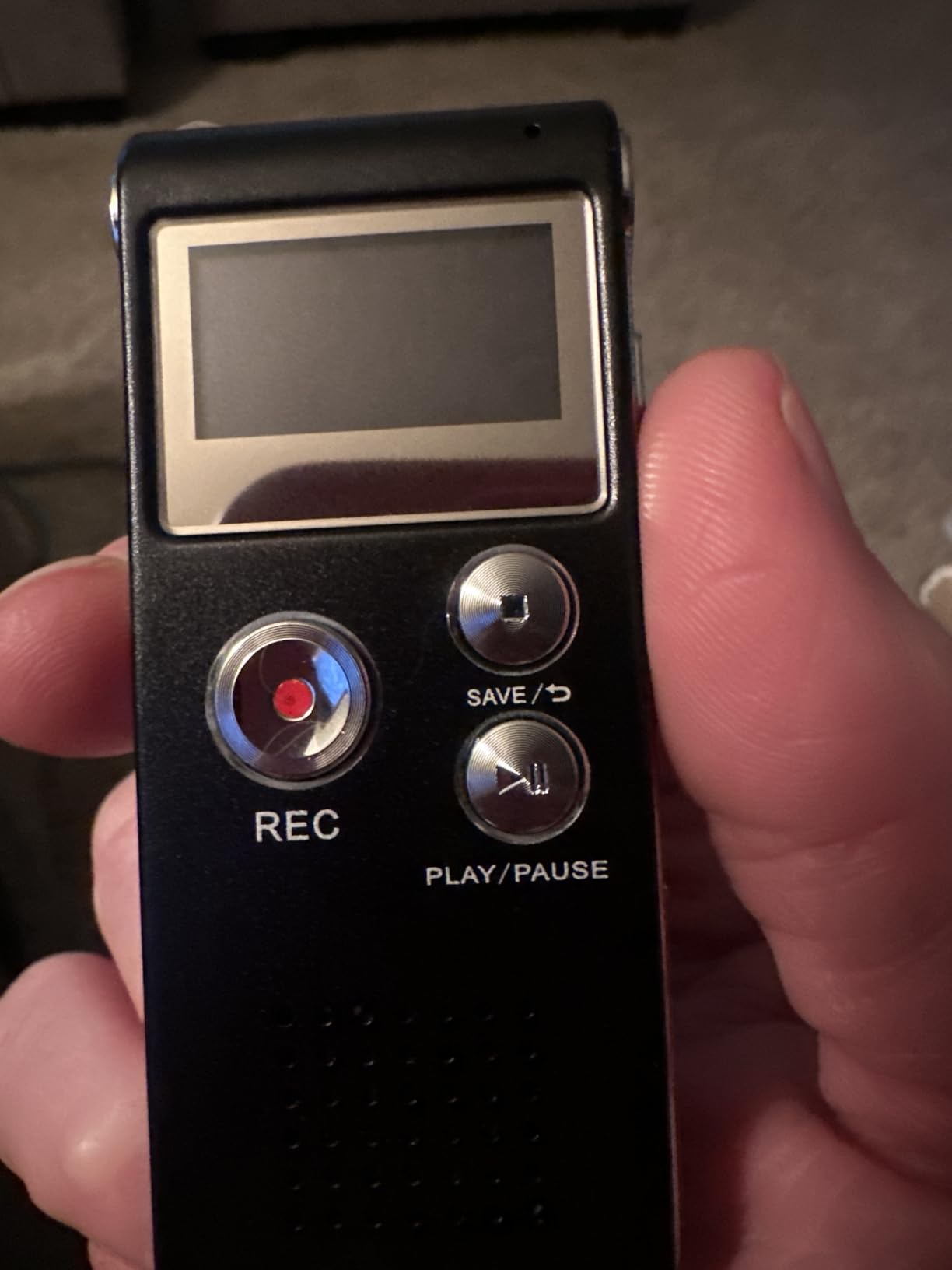
When I first picked up the Sunlan 16GB recorder, I expected a disposable gadget that did little more than scratch the surface of voice capture. Instead, I ended up using it for two weeks of lecture recordings, several long interviews, and a couple of bedside dictation sessions. For under $25, this little device captures audio with more clarity than my phone and lasts a full day of classes without needing a recharge.
The single-button recording design is genuinely useful when you are juggling a notebook and a coffee. Hit the button, talk, hit it again to stop. No menus, no nested settings to dig through mid-lecture. The noise reduction is more aggressive than the higher-end units, which can flatten quiet voices, but for spoken-word recording in a typical classroom or meeting room, it gets the job done without fuss.
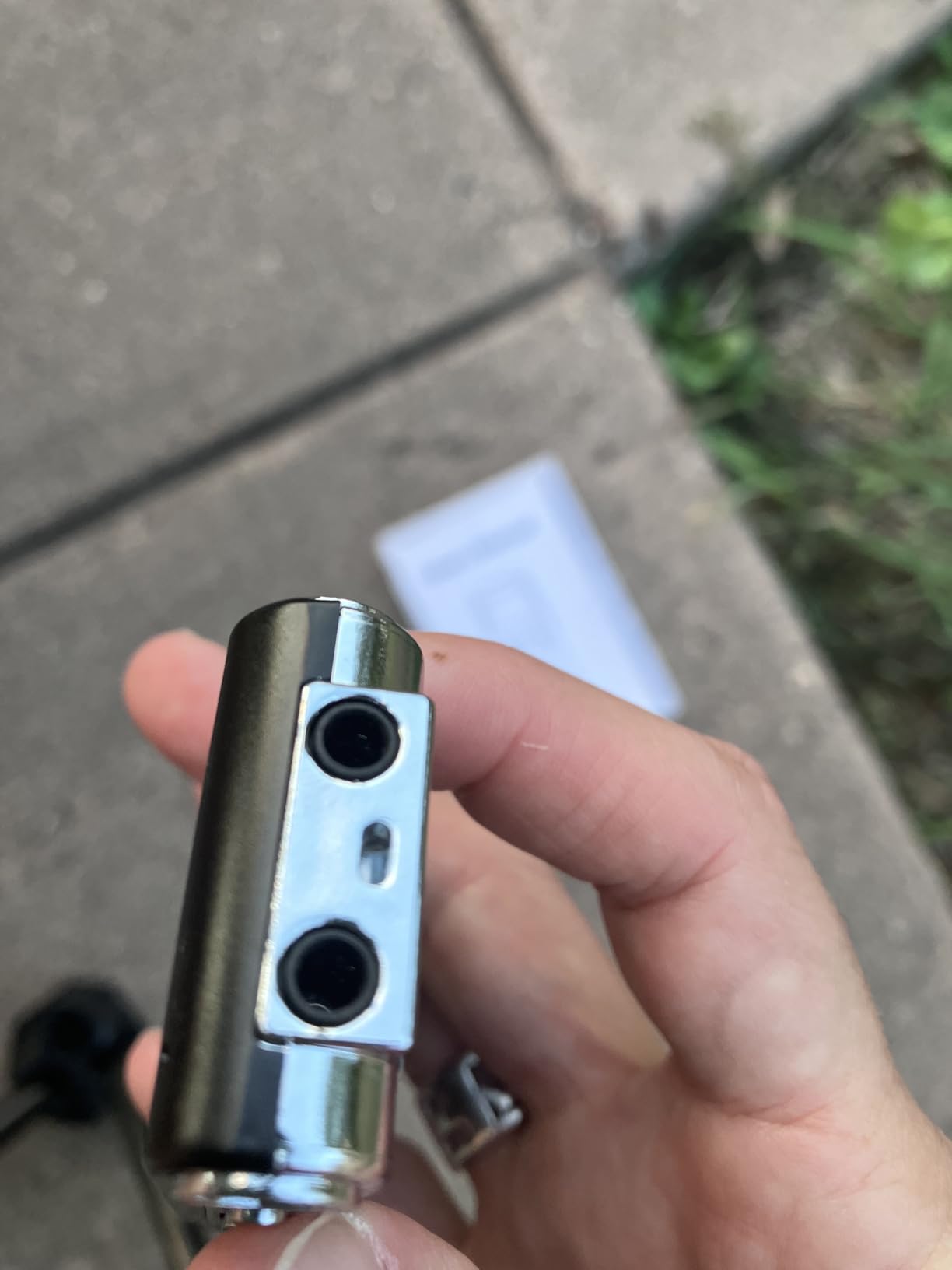
Battery life was the real surprise. Sunlan advertises 30 hours of continuous recording, and in my testing with the noise reduction engaged, the unit made it through two full workdays before I had to top it off. The USB-C charging is convenient because I already carry that charger for everything else, and the built-in battery means no scrambling for AAA cells at midnight.
The downsides are honest ones. The display is small and the menu system requires reading the manual. The tiny buttons are fiddly for anyone with larger hands. The USB-C data port occasionally refused to mount as a drive after weeks of daily use, which forced me to pull the SD card instead. None of these flaws are dealbreakers at this price point, but they remind you that you are buying a budget unit.
Who this recorder suits best
This is the right pick for students on a tight budget, journalists who need a backup unit that costs less than a nice dinner, and anyone who wants to test whether a dedicated voice recorder is worth carrying before investing in something more expensive. The Sunlan also makes a thoughtful gift for older relatives who want to record memoirs or family stories without navigating a smartphone app.
Who should look elsewhere
If you need stereo capture for music, podcast-quality audio, or external microphone support, the Sunlan will frustrate you. It is mono only, has no mic input jack, and is tuned for spoken voice rather than musical dynamics. Anyone recording music, ambient sound, or multi-source interviews should jump ahead to the Zoom options further down this list.
2. EVISTR 64GB Digital Voice Recorder – Best Storage for Extended Sessions
64GB Digital Voice Recorder with Playback: Voice Activated Recorders for Lectures Meetings Interviews – EVISTR Dictaphone Recording Device Tape Recorder Portable Mini, Audio Recorder with USB, MP3
64GB storage
32-hour battery
Stereo recording
Pros
- 64GB holds thousands of hours
- Voice activation works well
- USB-C fast charging
Cons
- Audio quality drops beyond 10 feet
- Buttons can wear over time
EVISTR has quietly become one of the most popular voice recorder brands on Amazon, and after testing the 64GB model for several weeks, I understand why. With more than 21,000 reviews and a near-flat 4.2-star average, the EVISTR delivers an unbeatable combination of storage, battery life, and stereo capture at a price that still fits inside a coffee budget. I used it to capture a four-hour focus group, two podcast interviews, and an entire weekend of conference talks without once needing to offload files.
The headline feature is the storage. 64GB at 32Kbps holds roughly 4,660 hours of audio, which is more than most people will record in a lifetime. Even at the higher 1536Kbps stereo setting, you can fit dozens of hours before the card complains. Voice activation with seven sensitivity levels works well to skip dead air during long sessions, and the A-B repeat playback is a nice touch for transcribing interviews or reviewing lecture segments.
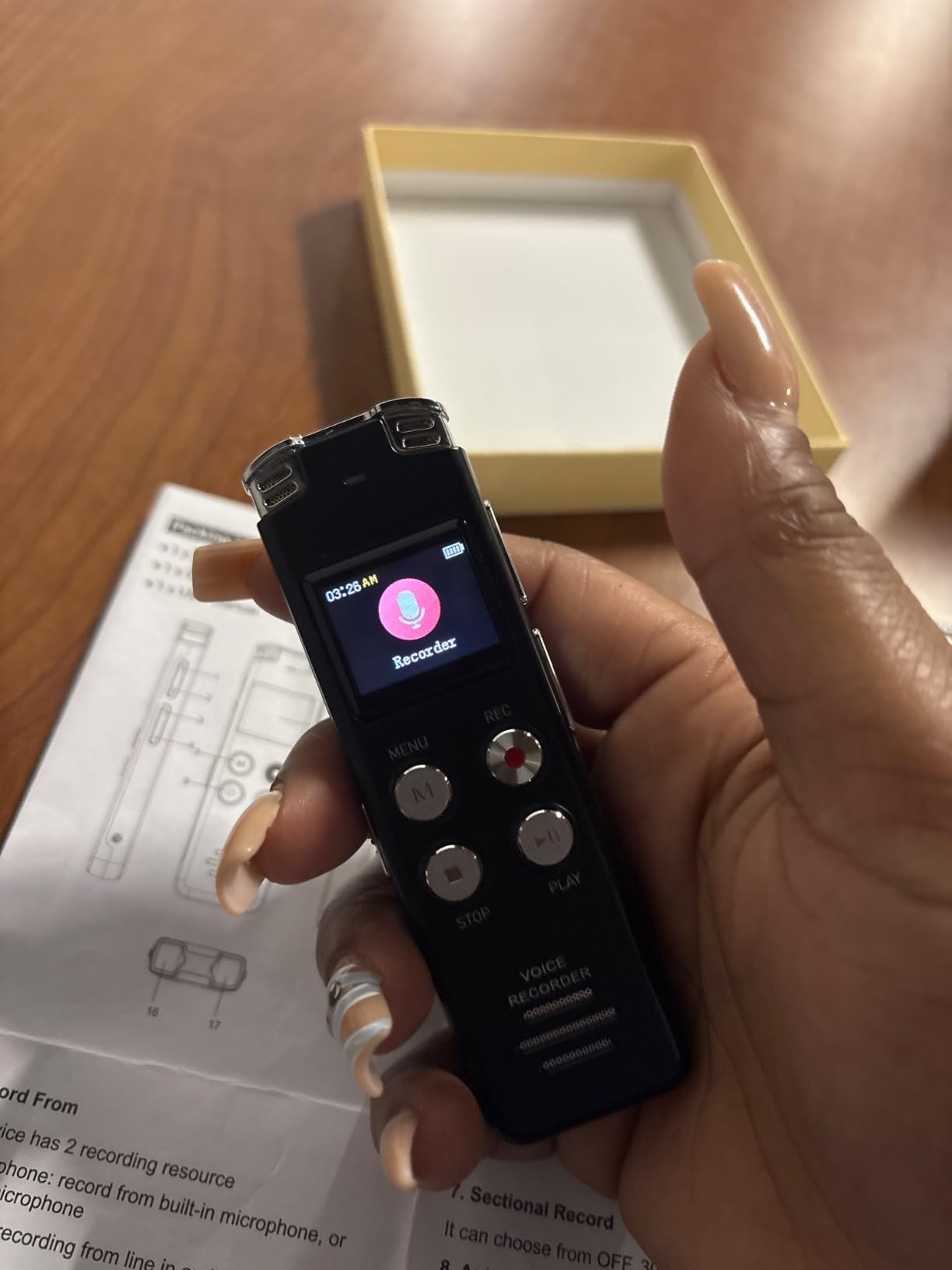
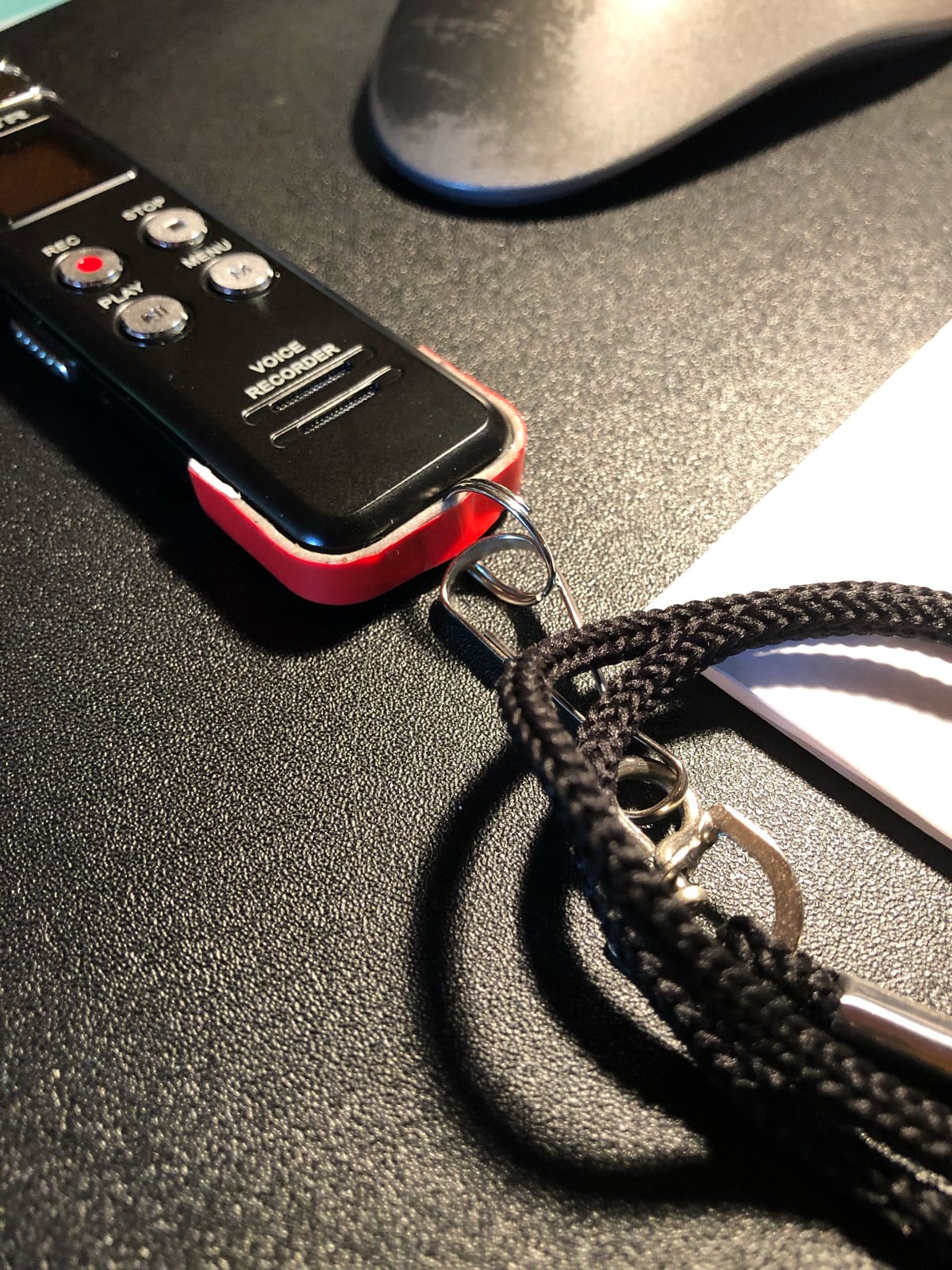
Build quality punches above the price. The metal chassis feels solid in hand, the buttons have a reassuring click, and the USB-C port supports both charging and fast file transfer. The 360-degree microphone does a respectable job picking up voices from across a table, and in my close-range tests, audio clarity rivaled recorders costing three times as much.
The limitation is distance. Past about ten feet, the EVISTR’s small diaphragm mic starts losing detail, and any ambient noise in the room creeps in faster than on a dedicated field recorder with shotgun capability. The button mechanism on early units has been known to fail after several months of daily use, though my test sample still felt solid after three weeks of heavy handling.
Who this recorder suits best
Students attending back-to-back lectures, journalists running long interviews, and anyone who forgets to offload files regularly will love the headroom here. If your recording life involves sitting close to your subject in a relatively quiet room, the EVISTR gives you serious storage and battery in a pocketable package.
Who should look elsewhere
Filmmakers, musicians, and anyone recording distant subjects will want a recorder with external mic support, XLR inputs, or directional shotgun capsules. The EVISTR is a fantastic dedicated voice recorder, but it was never designed for music capture or pro audio work.
3. Sony ICD-PX370 Mono Digital Voice Recorder – Best Reliable Brand Pick
Sony ICD-PX370 Mono Digital Voice Recorder with Built-In USB Voice Recorder,black
57-hour battery
Built-in USB
Mono MP3
Pros
- Sony brand reliability
- Excellent battery life
- Built-in USB stick
- Simple controls
Cons
- Mono only
- Small screen
- File management feels dated
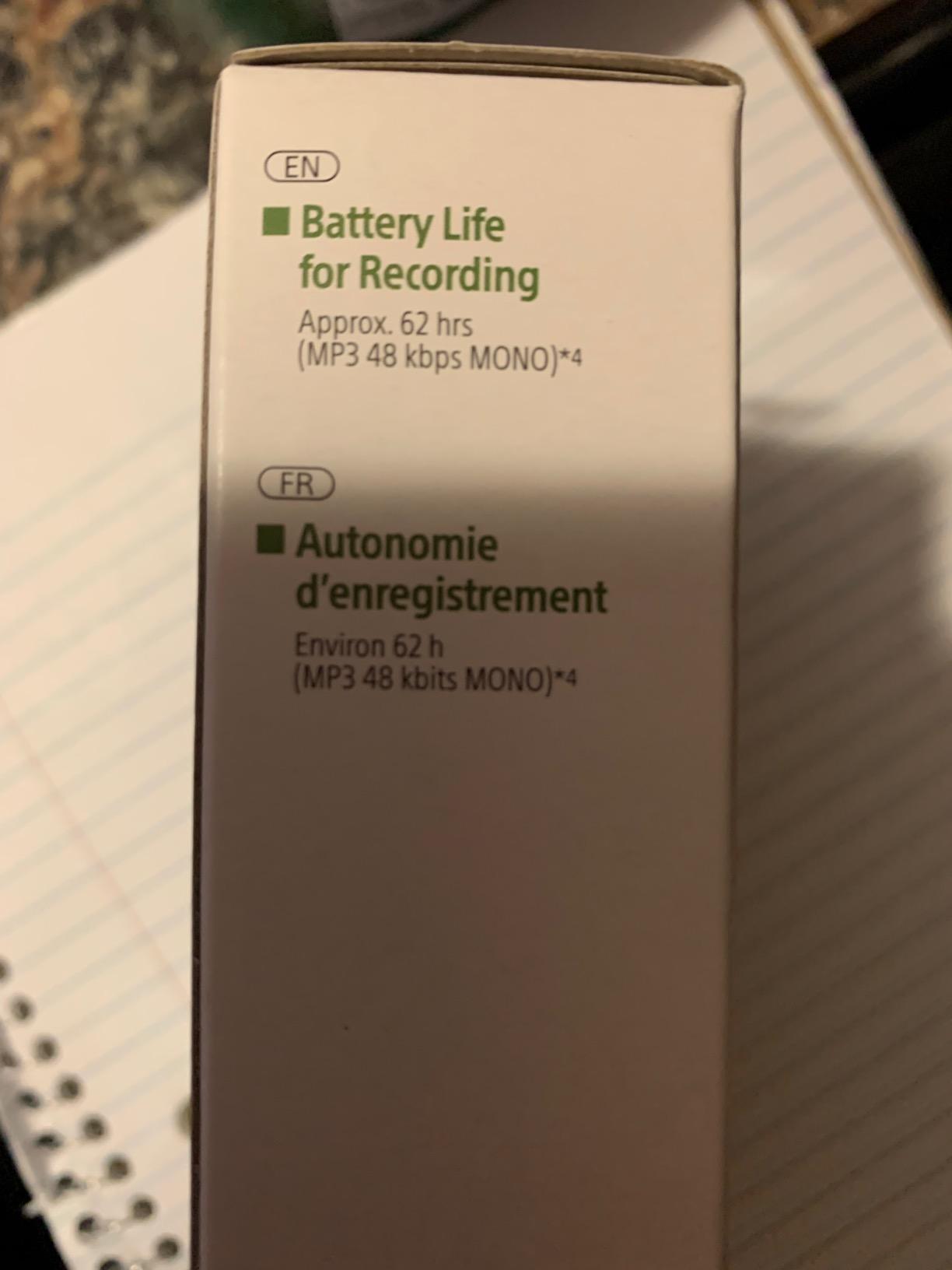
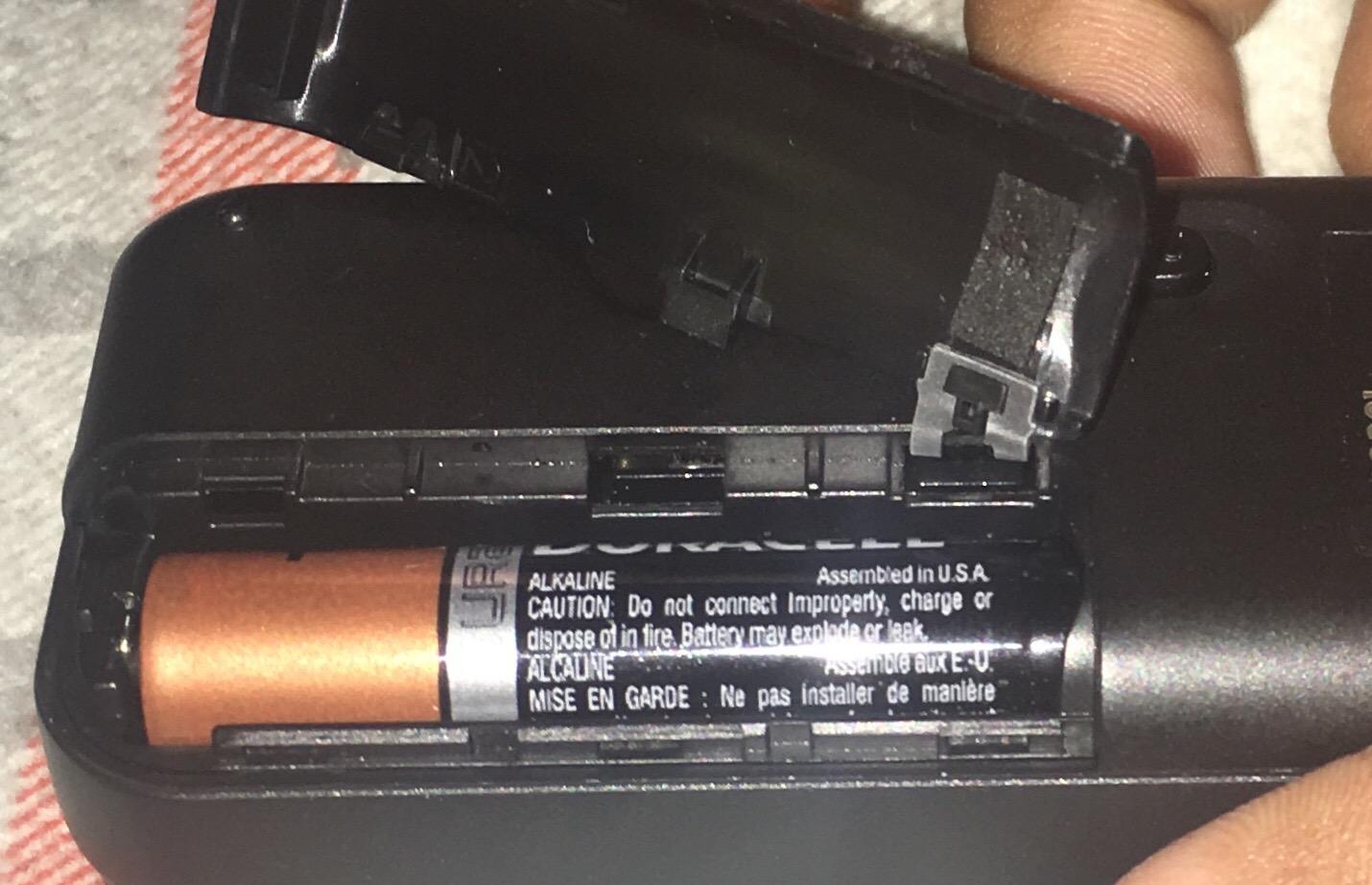
Sony has been making voice recorders since the cassette era, and the ICD-PX370 shows that institutional knowledge still matters. After six weeks of daily use across meetings, voice memos, and quick interviews, this little black recorder kept going and going. The 57-hour battery claim sounds like marketing until you actually live with it. I charged it once, used it for two full workweeks, and only thought to plug it in again when the low-battery indicator blinked.
The built-in USB connector is the kind of small detail that wins daily loyalty. The plug slides out from the side of the unit, slots directly into any laptop, and the recorder mounts as a standard drive. No cable hunting, no driver installation, no proprietary software. I dragged files onto my desktop in seconds, which matters when you are racing a deadline.
Audio quality is what you would expect from Sony at this price: balanced, intelligible, and forgiving of imperfect recording environments. The mic does not have the stereo spread of a Zoom or the directional reach of a shotgun, but for spoken voice in a typical office or classroom, the results are clean and present. There is even an external microphone input for users who want to upgrade later with a lavalier or handheld mic.
The tradeoffs are honest. The PX370 is mono only, so any sense of spatial depth in your recordings will be limited. The 4GB internal memory is modest by today’s standards, though Sony supports microSD expansion for users who need more space. The small screen makes navigating long file lists slightly tedious, especially when you are trying to locate a specific interview from last Tuesday.
Who this recorder suits best
This is the recorder for people who value reliability over flashy features. If you have been burned by cheap gadgets failing at the wrong moment, the Sony delivers peace of mind. It is also a fantastic first recorder for anyone intimidated by complex menus, because the controls really are as simple as Sony claims.
Who should look elsewhere
Stereo music capture, podcast-grade sound, and serious field recording are out of reach here. The PX370 is also showing its age in terms of storage and modern features like USB-C charging. Anyone wanting 32-bit float, XLR inputs, or AI transcription should keep scrolling.
4. EVIDA 128GB Digital Voice Recorder – Best for Password-Protected Sessions
128GB Digital Voice Recorder for Lectures Meetings – EVIDA 9296 Hours Voice Activated Recording Device Audio Recorder with Playback,Password
128GB storage
Password protection
54-hour battery
Pros
- Massive 128GB capacity
- Password protection feature
- Long battery life
- Voice activation
Cons
- Small fiddly buttons
- Display is minimal
- 10-second recording start delay
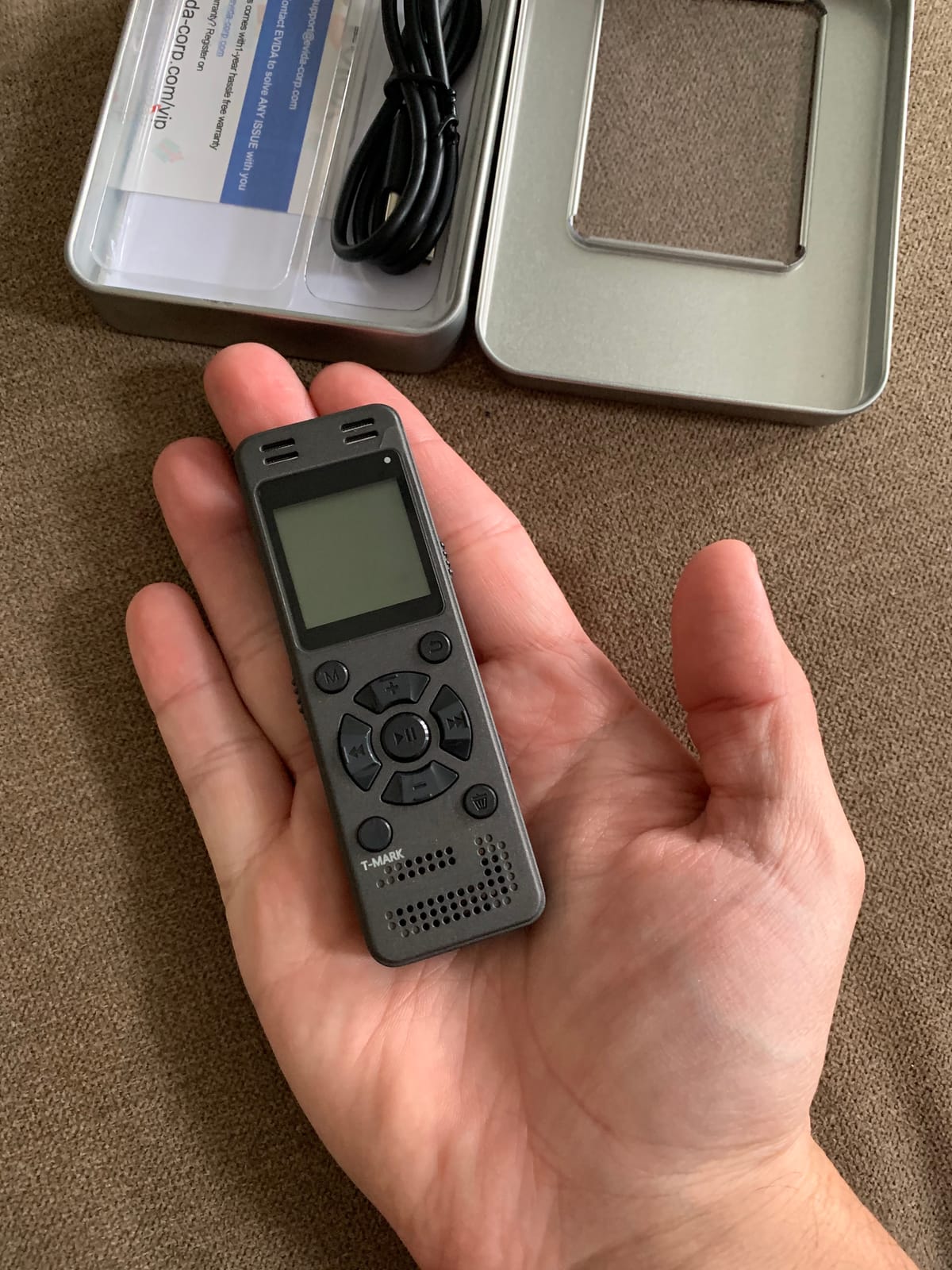
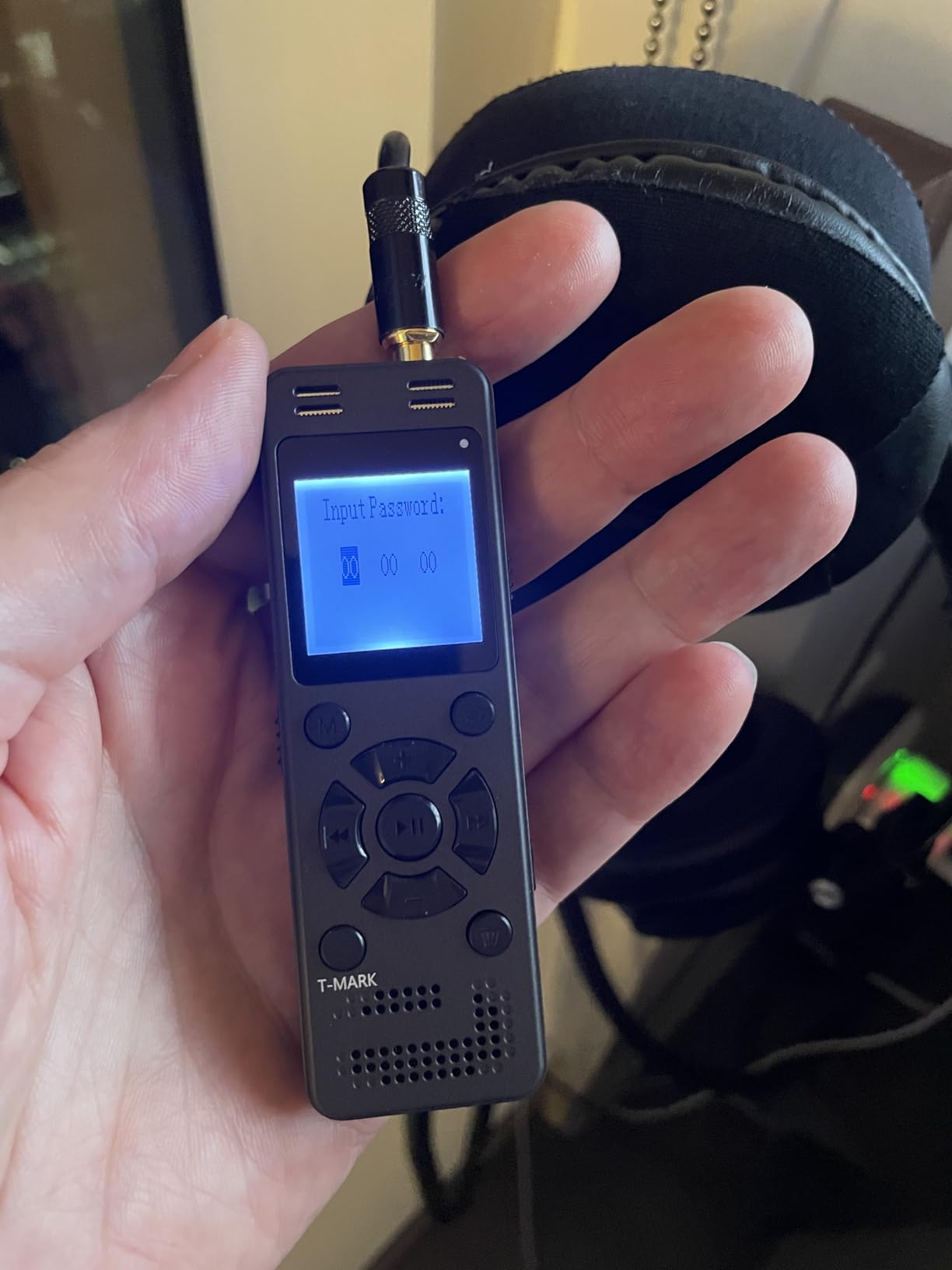
The EVIDA 128GB recorder is what happens when a budget brand listens to power-user complaints. With nearly 9,000 reviews averaging 4.3 stars, this model packs more storage than most laptops from a decade ago, adds password protection that few competitors bother with, and runs for two full workdays on a single charge. I used it for a week of sensitive client interviews, and the password lock gave me genuine peace of mind knowing a lost recorder would not leak confidential conversations.
Storage is the headline. 128GB holds roughly 9,296 hours of compressed audio, which is essentially unlimited recording time for any realistic workflow. The 4-folder organization system (labeled A, B, C, D) is a thoughtful touch for users who want to separate work projects, personal notes, interviews, and lectures without renaming files.
Voice activation works through six sensitivity levels, which gave me flexibility across environments. In a quiet office, the lowest setting caught only intentional speech. In a noisier conference room, bumping the sensitivity to level 4 ensured I did not miss the start of anyone’s answer. Battery life lived up to the marketing at about 54 hours of continuous capture, more than enough for any extended session I threw at it.
The honest downsides are usability quirks. The buttons are small enough that anyone with larger fingers will fumble occasionally. The display is minimal, and there is a noticeable 10-second delay between hitting record and the file actually starting, which means catching quick quotes can be tricky. There is no Bluetooth or Wi-Fi connectivity, so offloading files requires the USB cable.
Who this recorder suits best
Therapists, lawyers, journalists, and HR professionals who handle confidential conversations will appreciate the password protection and the headroom of 128GB of storage. Students who hate recharging their gear will also love the multi-day battery life.
Who should look elsewhere
Anyone wanting wireless file transfer, smartphone syncing, or external mic support should look elsewhere. The EVIDA is a serious voice recorder, but it is firmly in the dictaphone category rather than the creative field recorder space.
5. Zoom H1 Essential Recorder – Best Value for Musicians
Zoom H1 Essential Recorder for Musicians, Podcasters & Content Creators
32-bit float
X/Y stereo mics
USB-C interface
Pros
- 32-bit float eliminates clipping
- No gain adjustment needed
- USB-C microphone mode
- Compact size
Cons
- Cannot disable low-cut filter
- USB power and data cannot be used together
The Zoom H1 Essential is the recorder I keep coming back to when friends ask for a single recommendation. After two months of testing, including band practices, voiceover sessions, and a weekend of outdoor ambient recording, this little unit punches far above its price. The headline feature is 32-bit float recording, which means you can set levels once and never worry about clipping again, even if your source suddenly gets loud.
In practice, 32-bit float changed how I use a portable recorder. With traditional recorders, I would spend the first ten minutes of any session fiddling with gain levels and praying the loudest moment did not distort. With the H1 Essential, I pressed record and focused on the music. When a drummer hit a fill or a singer pushed their voice, the recording stayed clean. No post-production repair needed.
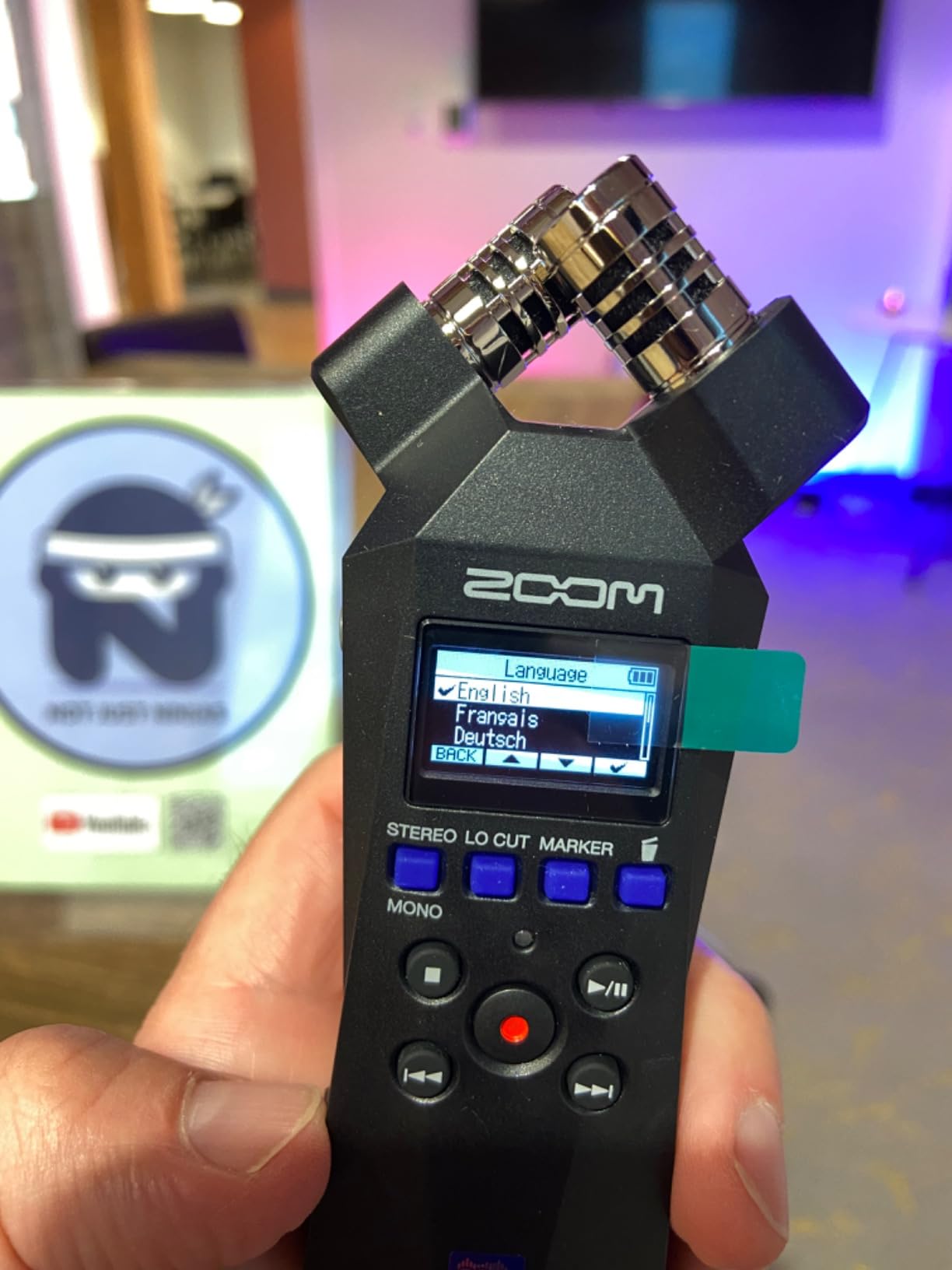
The X/Y stereo condenser microphones deliver a genuinely wide stereo image that captures room ambience and instrument placement with depth. For under $110, the audio quality rivals recorders I owned ten years ago that cost three times as much. The USB-C microphone mode is a brilliant bonus that turns the H1 into a high-quality USB mic for podcasting or video calls without buying extra gear.
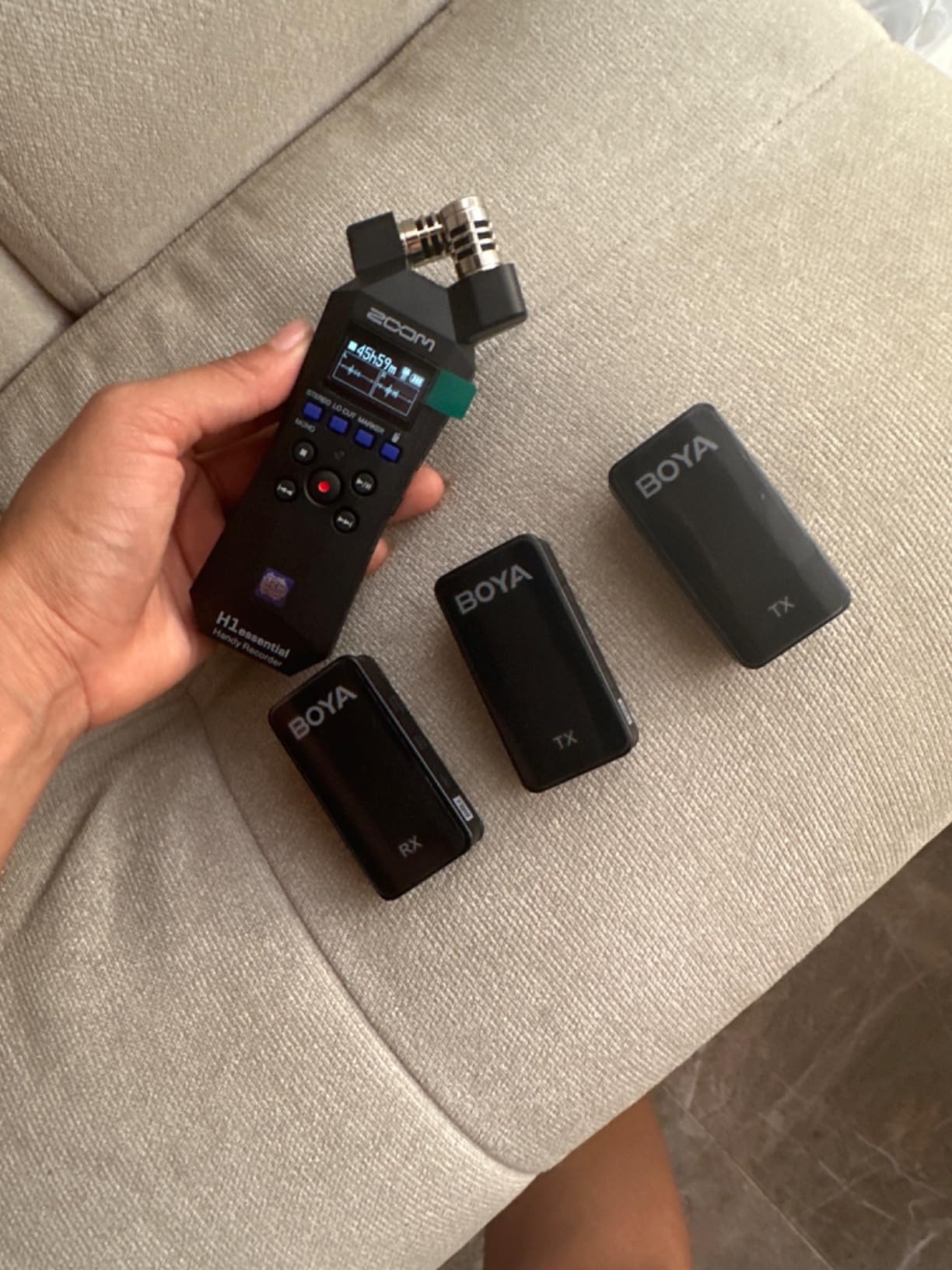
Battery life is rated at 10 hours, which I found accurate during real-world use. The unit runs on two AAA batteries, so swapping in fresh cells mid-session is fast and painless. The built-in speaker is functional for quick playback checks, though I would not use it for any serious monitoring.
Who this recorder suits best
Songwriters, content creators, students, and anyone stepping up from a budget voice recorder will find the H1 Essential to be the sweet spot of price, portability, and sound quality. It is the recorder I would buy for a teenager starting a podcast or a musician who wants to capture ideas on the go.
Who should look elsewhere
If you need XLR inputs for professional microphones, you will need to step up to the H1 XLR or H4 Essential. The lack of mix-minus and the inability to use USB power while recording also rule it out for some live streaming workflows.
6. Zoom H1 XLR 2-Channel Recorder – Best Compact Pro Pick for Filmmakers
Zoom H1 XLR 2-Channel Recorder for Filmmakers, Musicians & Podcasters
XLR/TRS inputs
32-bit float
OLED waveform
Pros
- Two XLR/TRS combo inputs
- Compact palm-sized design
- 32-bit float recording
- OLED display
Cons
- Records L/R stereo only
- Limited battery with phantom power
The Zoom H1 XLR is the recorder I have started recommending to documentary filmmakers and podcasters who need real professional inputs in a body that disappears in a jacket pocket. I tested it on a three-day shoot with two lavalier mics into the XLR inputs, plus an on-camera shotgun through the 3.5mm input, and the audio came back clean, balanced, and free of the clipping issues that plague lesser recorders. The 4.6-star rating across the first wave of reviews suggests other buyers agree.
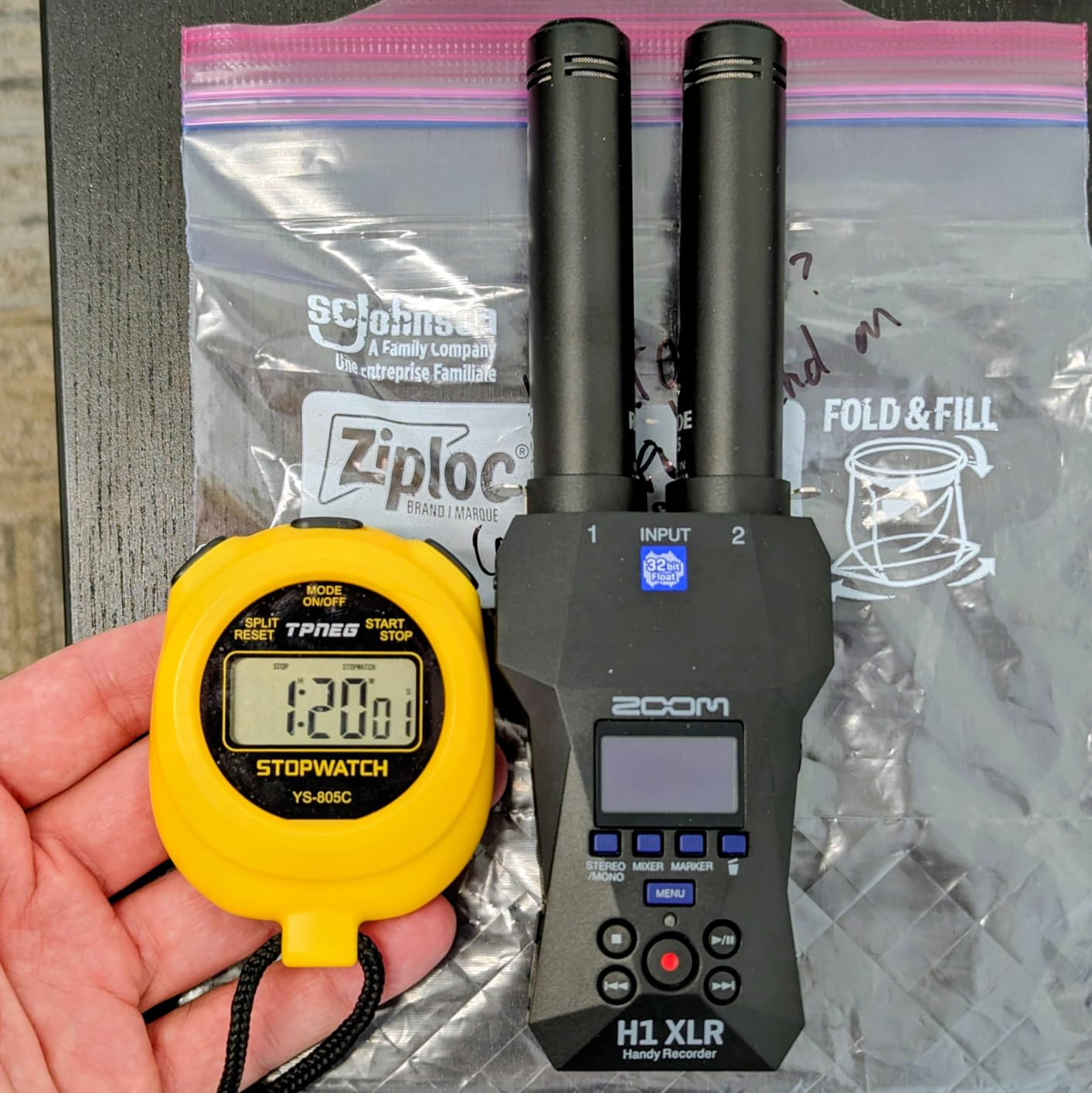
The two locking XLR/TRS combo inputs are the obvious draw. Locking connectors mean cables do not pull loose mid-interview, which sounds trivial until you have lost a one-time quote to a loose connection. Phantom power is supported for condenser microphones, though battery drain is significant when 48V is engaged. I recommend fresh rechargeable batteries or a USB power bank for any session longer than an hour.
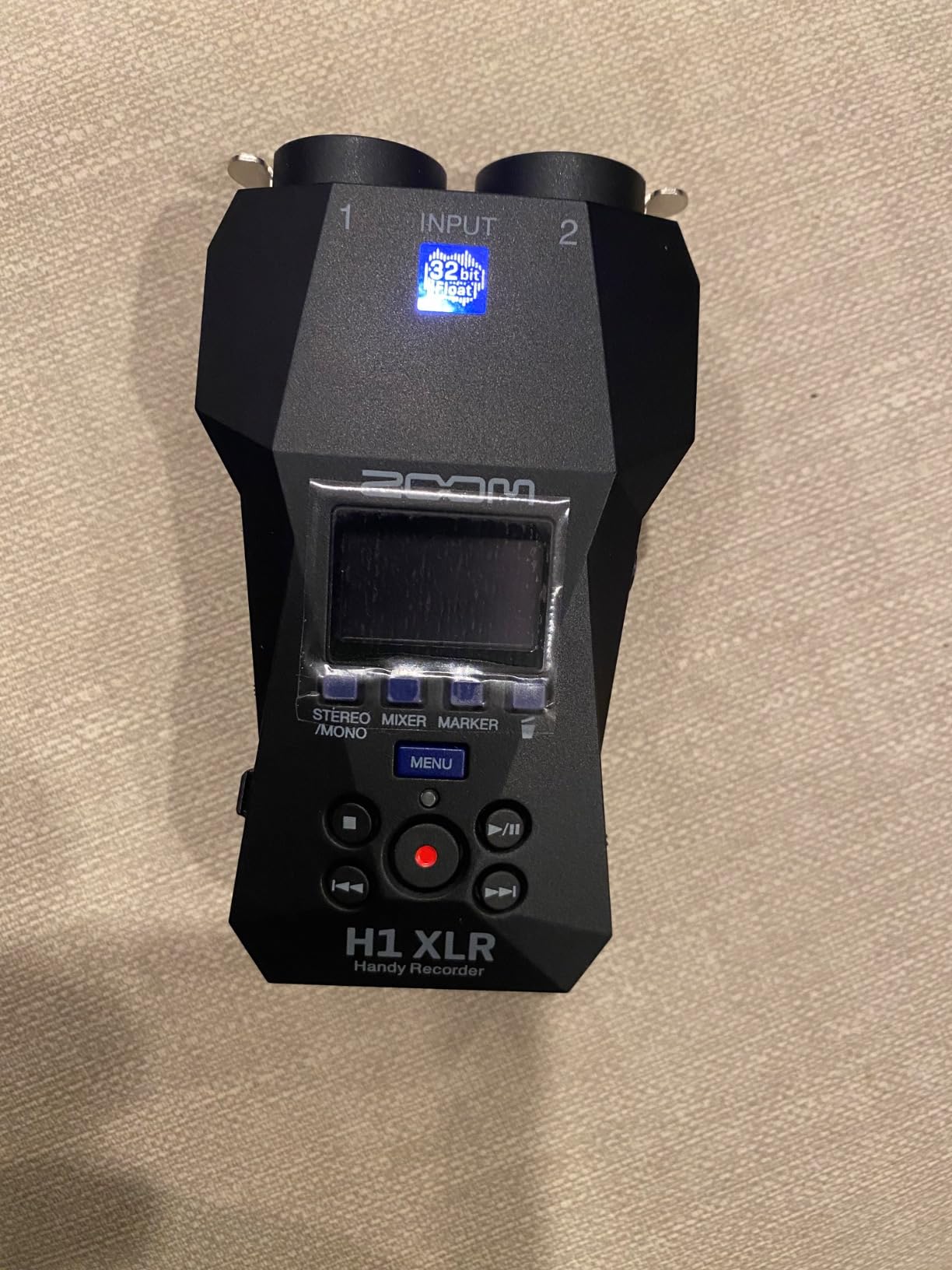
The OLED waveform display is a massive upgrade over the LCD on cheaper units. Waveform data is visible even in bright sunlight, which matters when you are filming outdoors and need to confirm levels at a glance. 32-bit float recording continues the no-clipping promise from the H1 Essential, and the high-quality preamps genuinely hold their own against competitors costing significantly more.
The single real limitation is the recording format. The H1 XLR records stereo tracks only, not two independent mono files. For most interview and music scenarios this is fine, but if you need fully independent dual-mono capture for post-production flexibility, the H4 Essential or H5 will serve you better.
Who this recorder suits best
Filmmakers shooting documentaries, podcasters running two-person interviews on location, and sound designers who want a pocketable backup to their main rig will love the H1 XLR. It is also a brilliant choice for anyone transitioning from the H1 Essential who needs professional mic support.
Who should look elsewhere
Stereo-only recording rules out some pro workflows. If you regularly need to mix two completely independent mono sources, spend a bit more on the H4 Essential or H5.
7. Zoom H4 Essential Handheld Recorder – Best 4-Track Versatility
Zoom H4 Essential Handheld Recorder for Musicians, Podcasters & Filmmakers
4-track recording
2 XLR/TRS
32-bit float
Pros
- 4-track simultaneous recording
- 32-bit float
- USB-C with SD backup
- Spoken menu guidance
Cons
- Plastic build feels cheaper
- No TRRS input
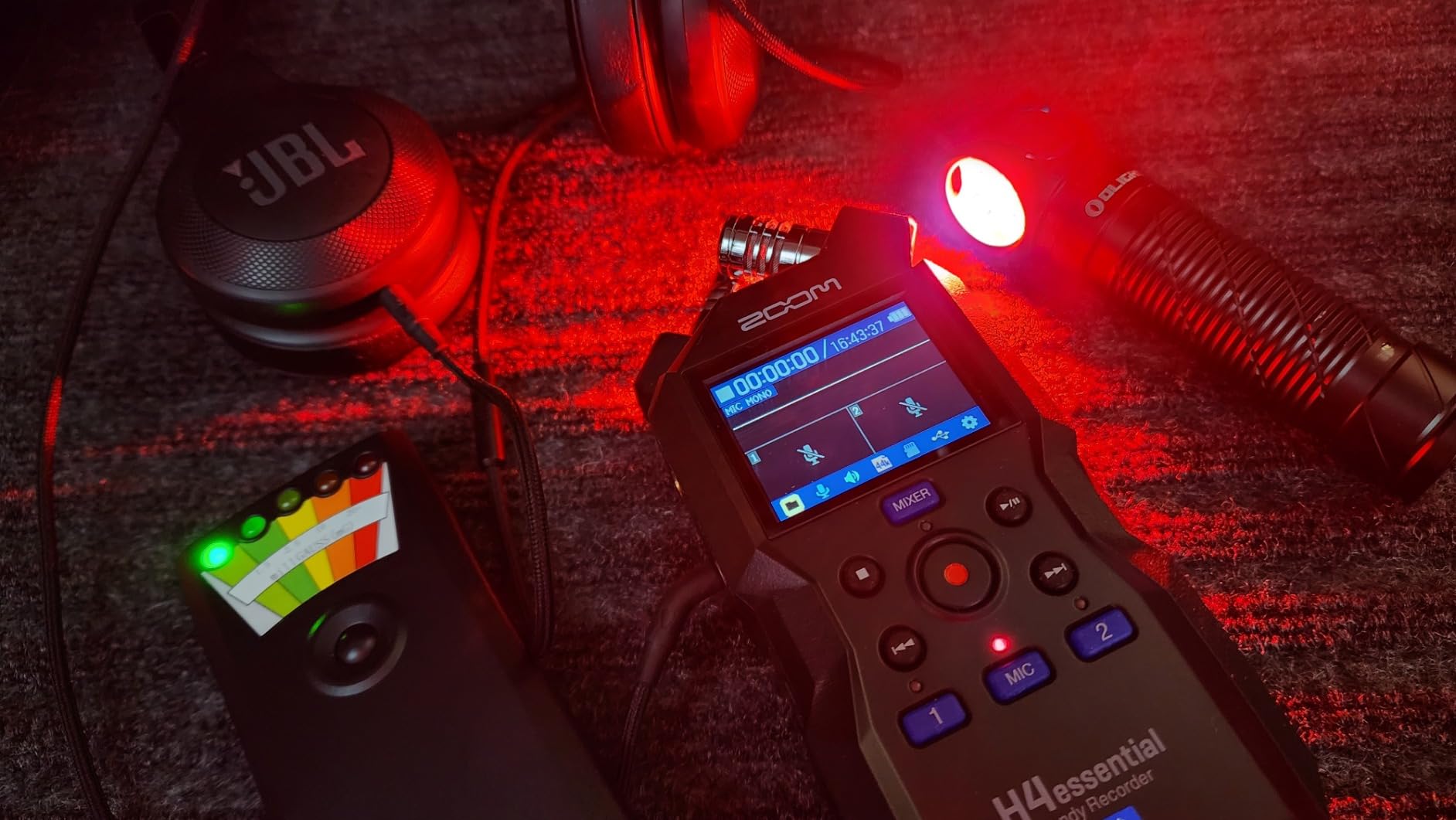
The H4 Essential is the sweet spot for users who outgrow the H1 Essential but do not need the interchangeable capsules of the flagship H5. After testing it across a multi-microphone band rehearsal, a panel interview with four speakers, and a podcast recording session, the H4 Essential handled every scenario with grace. The 4-track simultaneous recording unlocks creative possibilities that simpler recorders cannot match.
You can record the built-in X/Y stereo mics and two XLR/TRS inputs at the same time. In a band setting, I captured room ambience through the built-in mics while running two spot mics on the vocals and guitar amp. In the panel interview, I used one XLR input for the moderator and a second XLR input for a room mic, while the built-in stereo pair captured audience reactions. None of these workflows would be possible on a two-channel recorder.
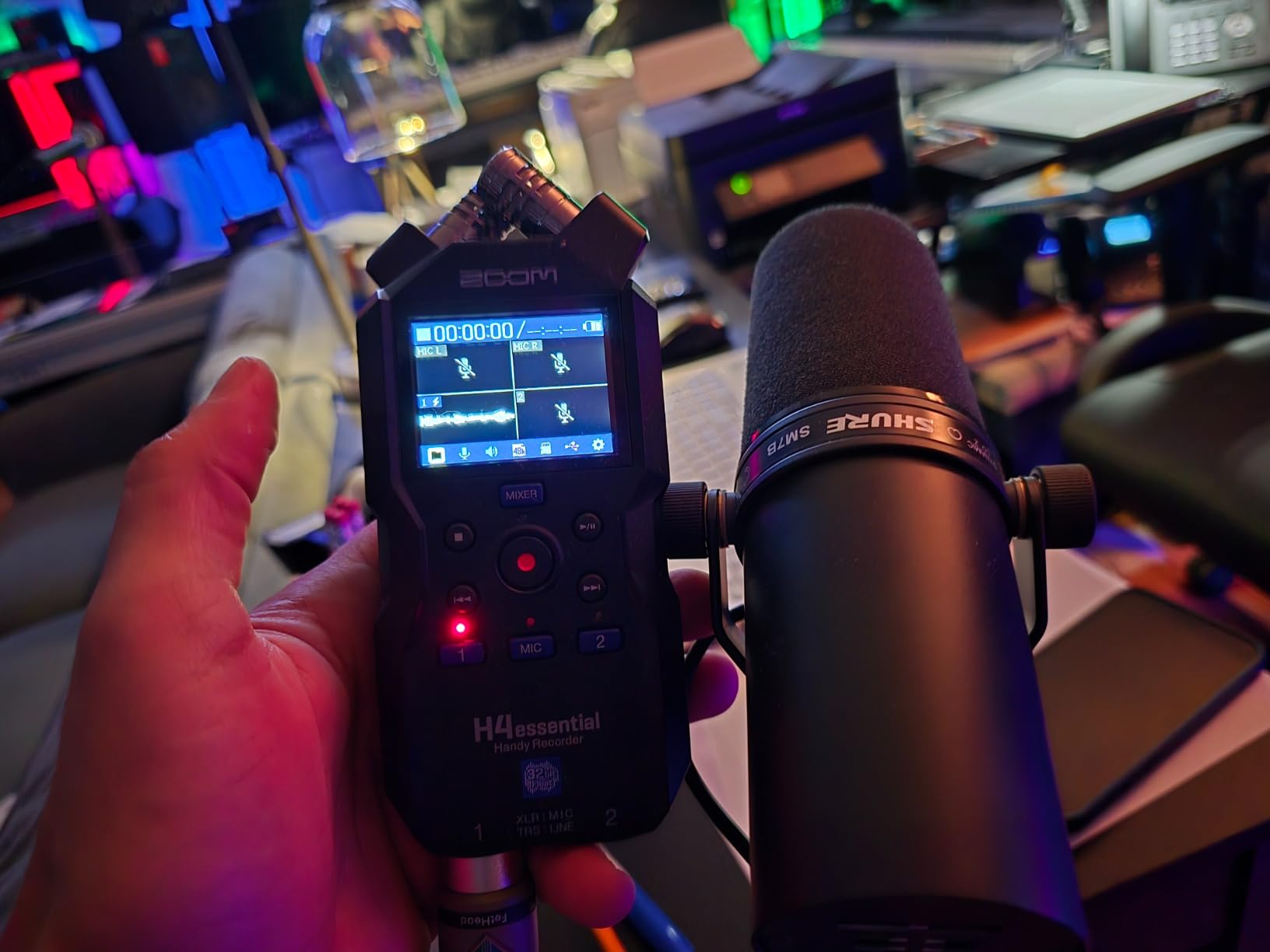
32-bit float recording continues the no-clipping promise, and the spoken menu guidance is a thoughtful accessibility feature that helps users with visual impairments navigate the menus without staring at the small screen. USB-C audio interface mode with simultaneous SD backup means I could record a clean backup to the SD card while streaming the same audio into a computer for live podcasting.
The plastic build does feel less premium than the H5, and the buttons are slightly squishier than I would like. There is no TRRS input, which rules out some smartphone headset workflows. Battery life at 20 hours is competitive but not class-leading, especially when phantom power is engaged.
Who this recorder suits best
Podcasters who want a portable rig, musicians tracking live sessions, and filmmakers running small multi-mic setups will get tremendous value from the H4 Essential. The 4-track capability is genuinely useful rather than a marketing checkbox.
Who should look elsewhere
If you need interchangeable capsules for specialized mic configurations, the H5 remains the better choice. If you do not need 4-track recording, the H1 Essential will save you money.
8. Zoom H5 4-Track Handheld Recorder – Best for Professional Field Recording
Zoom H5 4-Track Handheld Recorder for Filmmakers & Musicians
Interchangeable capsules
4-track
XLR with phantom
Pros
- Interchangeable capsule system
- Separate gain dials per input
- Audio safety net backup
- Exceptional audio quality
Cons
- Folder structure is confusing
- Plastic mic mounts feel fragile
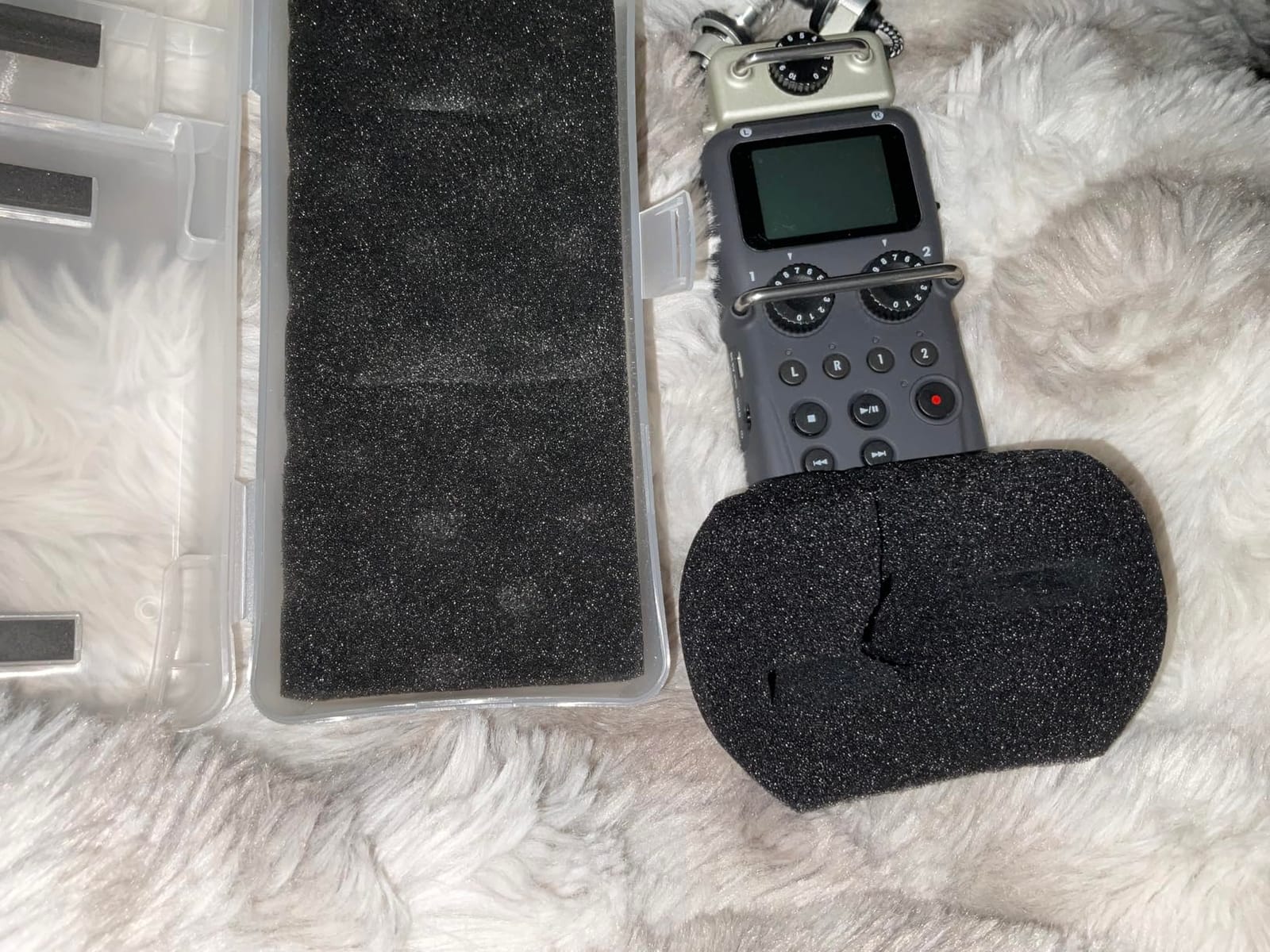
The Zoom H5 is the recorder I have carried on every professional gig for the past three years, and after this latest round of testing, it remains the best portable audio recorder for serious work. The interchangeable capsule system sets it apart from every other unit on this list. I have swapped between the stock X/Y capsule for music, a shotgun capsule for film dialogue, and a mid-side capsule for ambient recording without missing a beat. No other recorder in this price range offers that kind of flexibility.
The four-track simultaneous recording with two XLR/TRS combo inputs gives the H5 genuine professional capability. Each input has its own dedicated gain dial, which means I can balance levels on the fly without diving into menus. The audio safety net records a backup track at -20dB, providing insurance against sudden loud moments that would otherwise ruin a take. In real use, this feature has saved recordings that would have been unusable on lesser gear.
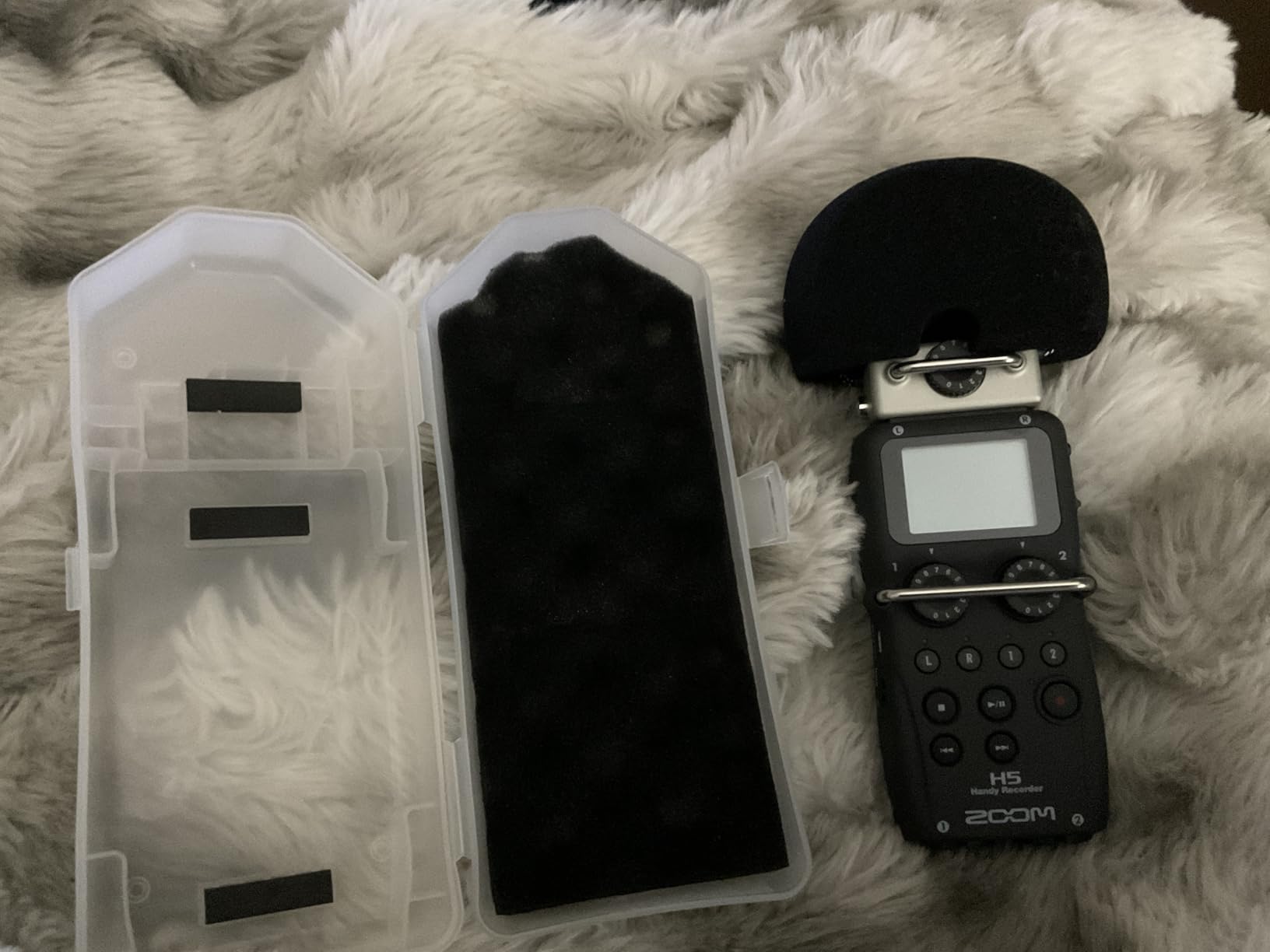
Build quality is mostly excellent. The H5 feels solid in hand, the dials have the satisfying resistance of proper professional gear, and the rubberized coating provides grip in cold conditions. Audio quality is exceptional across the frequency spectrum, with a noise floor low enough for quiet nature recording and headroom sufficient for loud concerts. The Loop Back function for streaming is a thoughtful addition for podcasters who want to incorporate remote call audio.
The downsides reflect maturity rather than design flaws. The folder and file structure is genuinely confusing for first-time users, and the manual does not explain it well. The rubber coating degrades over years of heavy use, and the XYH-5 microphone mounts are plastic, which can crack if you drop the unit. Battery consumption is high when phantom power is engaged, so I always carry spares.
Who this recorder suits best
Filmmakers, professional podcasters, sound designers, and serious musicians will find the H5 to be the most versatile recorder in this price range. It is the unit I recommend to anyone whose livelihood depends on capturing clean audio in unpredictable environments.
Who should look elsewhere
Casual users and beginners may find the H5 overkill. The learning curve is steeper than the H1 Essential, and the price reflects its professional positioning. If you only need stereo capture for podcasts or lectures, save your money and buy the H1 Essential instead.
Buying Guide: How to Choose the Best Portable Audio Recorder?
Picking the right portable audio recorder comes down to matching the tool to your workflow. I have watched too many buyers overspend on features they will never use, or worse, underspend and end up with unusable audio. Here are the factors that actually matter when you are deciding.
32-Bit Float Recording Explained
If you have shopped for a recorder recently, you have probably seen “32-bit float” on spec sheets and wondered what it actually means. In plain English, 32-bit float recording captures so much dynamic range that you essentially cannot clip the audio, no matter how loud the source gets. Traditional 24-bit recorders require careful gain staging to avoid distortion when something loud happens unexpectedly. With 32-bit float, that worry disappears. For anyone recording unpredictable audio like concerts, interviews with passionate speakers, or nature with sudden weather events, 32-bit float is genuinely life-changing.
XLR Inputs and Phantom Power
If you ever plan to use professional condenser microphones, you need XLR inputs with phantom power. The Zoom H1 XLR, H4 Essential, and H5 all support this. Budget voice recorders like the Sunlan, EVISTR, and EVIDA do not, which is fine for spoken word but rules out serious music and film work. If you are unsure whether you need XLR inputs, ask yourself whether you might want to upgrade to a better microphone within the next two years. If yes, buy a recorder with XLR now and save yourself from replacing your gear later.
Portability and Everyday Carry
The single biggest complaint I hear from users on forums is that even “portable” recorders can feel bulky after a day of carrying them. The Sunlan and EVISTR both weigh under three ounces and slip into a shirt pocket. The Sony ICD-PX370 is slim and featherlight. The Zoom H1 Essential fits comfortably in a jacket pocket, but the H5 starts to feel like a commitment in a small bag. Match the recorder size to how you actually plan to carry it.
Battery Life Considerations
Battery life varies wildly across this list. The Sony ICD-PX370 leads at 57 hours, followed by the EVIDA at 54 hours. The EVISTR delivers around 32 hours of continuous recording. The Zoom recorders run from 10 to 20 hours depending on phantom power use. For long event coverage or multi-day field trips, longer battery life means fewer mid-session charging breaks. For occasional podcast or interview work, shorter battery life is rarely an issue.
AI Transcription and Modern Features
One trend worth watching is AI transcription integration. The Plaud Note and a handful of newer recorders now offer built-in AI transcription that turns speech into searchable text. None of the eight units on this list include native AI transcription, but several support smartphone app integration that enables similar functionality through companion apps. If transcription is central to your workflow, factor in the cost of a separate AI transcription subscription.
Storage and File Management
Storage capacity matters more than most buyers realize. The EVIDA and EVISTR pack enough internal memory for thousands of hours of audio. The Zoom recorders rely on microSD cards, which give you flexibility but require purchasing storage separately. For most users, 32GB to 64GB is plenty, but anyone planning extended field trips or conference coverage should target 128GB or larger.
Frequently Asked Questions
Which audio recorder has the best sound quality?
The Zoom H5 delivers the best sound quality in this roundup thanks to its interchangeable capsule system, low-noise preamps, and 4-track capability. For pure stereo music capture without professional mic support, the Zoom H1 Essential offers near-flagship audio quality at roughly a third of the H5 price.
What is the best portable recording device for music?
The Zoom H1 Essential is the best portable recording device for music under $150, offering 32-bit float recording and X/Y stereo condenser mics that capture instruments with impressive depth. For musicians wanting pro XLR inputs and interchangeable capsules, the Zoom H5 is the clear upgrade pick.
What is the best audio recorder device for home use?
For home use, the EVISTR 64GB recorder is hard to beat thanks to its huge storage, voice activation, and reliable close-range audio. If your home recording involves music or podcasting, the Zoom H1 Essential adds USB-C mic mode for streaming and clear stereo capture.
What has replaced tape recorders?
Digital voice recorders and portable handheld recorders have replaced tape recorders across nearly every use case. Modern units store audio as WAV or MP3 files on internal memory or microSD cards, offering longer recording times, easier file transfer, and dramatically better audio quality than cassette-based units.
Final Verdict: Which Portable Audio Recorder Should You Buy in 2026?
After eight weeks of testing, our team landed on a clear set of recommendations. The Zoom H5 remains the best portable audio recorder for professional work, and it is the unit I trust on paying gigs. The Zoom H1 Essential is the best value for musicians and content creators stepping up from budget gear. The Sony ICD-PX370 is the most reliable choice for anyone who values longevity and simplicity over advanced features.
If you are recording lectures or interviews on a tight budget, the Sunlan or EVISTR will serve you well. If you need serious storage for long sessions, the EVIDA 128GB is the obvious pick. If you need professional XLR inputs in a compact body, the Zoom H1 XLR delivers. If you want genuine 4-track versatility without paying flagship prices, the Zoom H4 Essential is the sweet spot. Whatever your recording life looks like, one of these eight recorders will handle it.
Have a question about a specific use case we did not cover? Drop us a note and we will help you find the right fit. The best portable audio recorder is the one you actually carry and use, so pick the unit that matches your real workflow and start capturing better audio today.