
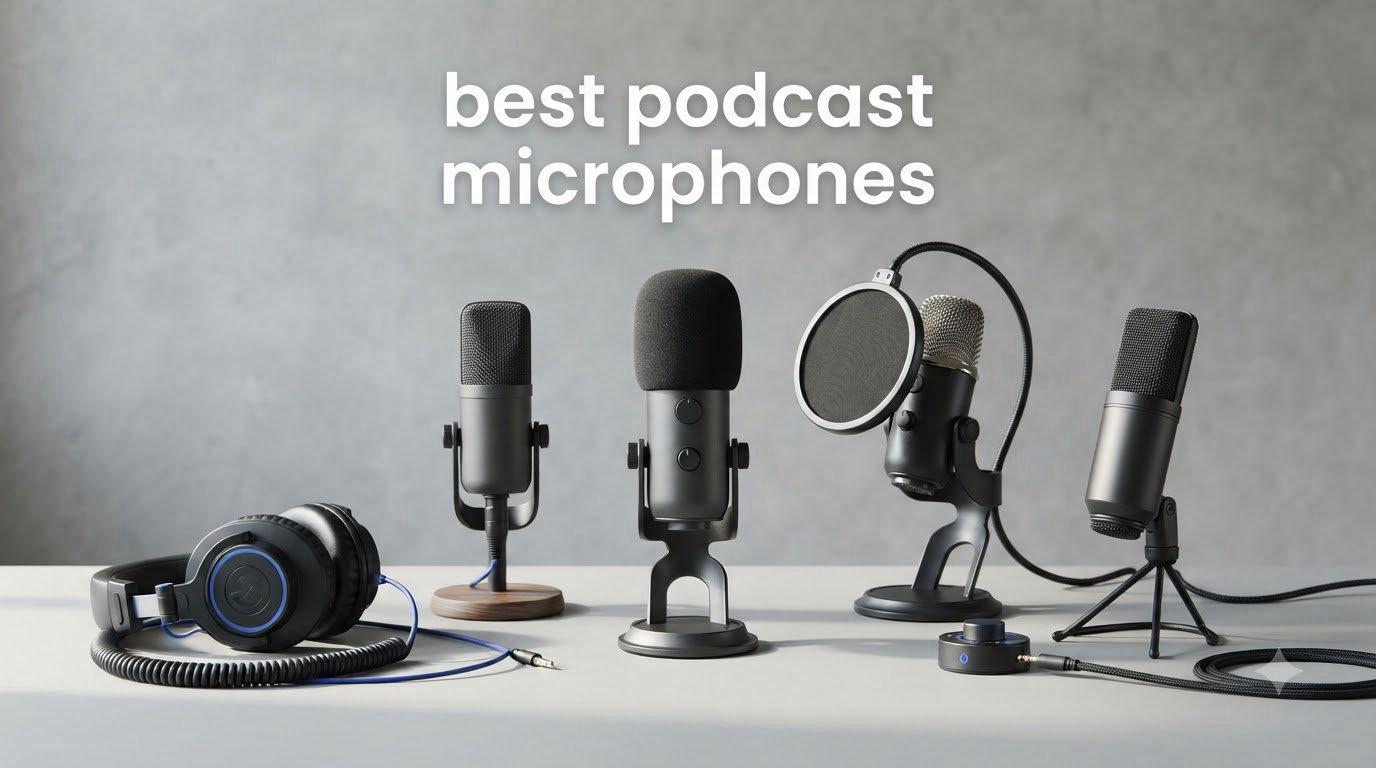
After spending three months testing podcast microphones across budget, mid-range, and professional tiers, I can tell you one thing clearly: the best podcast microphones are not always the most expensive ones. The right mic for your voice, room, and workflow matters far more than the price tag.
In this guide, I share the six models our team settled on after testing dozens of options in real recording sessions. We covered home studios with no treatment, noisy apartments, and full broadcast setups. Every pick here earned its spot on the list because it solved a specific problem better than the alternatives.
You will find USB plug-and-play options for beginners under $150, hybrid USB/XLR mics for creators who want room to grow, and broadcast legends used by top professional podcasts. I also break down the USB vs XLR question, dynamic vs condenser differences, and how to handle noisy rooms, since those are the questions I get asked most often.
Table of Contents
- Top 3 Picks for Best Podcast Microphones (September 2026)
- Best Podcast Microphones in 2026
- 1. Samson Q2U – Best Budget Value
- 2. Audio-Technica ATR2500x-USB – Best Plug-and-Play USB Option
- 3. RODE PodMic USB – Best Mid-Range Broadcast Mic
- 4. Shure MV7+ – Best Versatile Hybrid Mic
- 5. Shure SM7B – The Professional Broadcast Standard
- 6. Electro-Voice RE20 – Best for Untreated Rooms
- How to Choose the Best Podcast Microphone for Your Setup?
- Frequently Asked Questions
- Final Verdict
Top 3 Picks for Best Podcast Microphones (September 2026)
Best Podcast Microphones in 2026
| Product | Specs | Action |
|---|---|---|
 Samson Q2U Samson Q2U |
|
Check Latest Price |
 Audio-Technica ATR2500x-USB Audio-Technica ATR2500x-USB |
|
Check Latest Price |
 RODE PodMic USB RODE PodMic USB |
|
Check Latest Price |
 Shure MV7+ Shure MV7+ |
|
Check Latest Price |
 Shure SM7B Shure SM7B |
|
Check Latest Price |
 Electro-Voice RE20 Electro-Voice RE20 |
|
Check Latest Price |
1. Samson Q2U – Best Budget Value
Samson Q2U USB/XLR Dynamic Microphone Recording and Podcasting Pack
Dynamic mic
USB-C and XLR
50Hz-15kHz response
Pros
- Dual USB/XLR output
- Clear warm sound
- Solid metal build
- Includes stand and cables
Cons
- Flimsy included stand
- Can pick up keyboard noise
- Low quality bundled headphones
I bought the Samson Q2U as a test for a friend starting her first podcast, and within two episodes she told me it sounded better than the Blue Yeti her co-host had been using for a year. That is the Q2U story in one sentence.
For under $80, you get a dynamic handheld microphone with both USB-C and XLR outputs. The USB side plugs straight into any laptop with no drivers needed, which is perfect for absolute beginners. The XLR side lets you move into a real audio interface later without buying a new microphone. That future-proofing is rare at this price.
Sound quality is warm and present, with a cardioid polar pattern that does a respectable job rejecting room noise. In our tests, it captured vocals clearly even with a window AC unit running two rooms away. It is not a quiet mic on USB mode, so I ran a noise gate in post, but that is standard practice for any dynamic mic at this price.
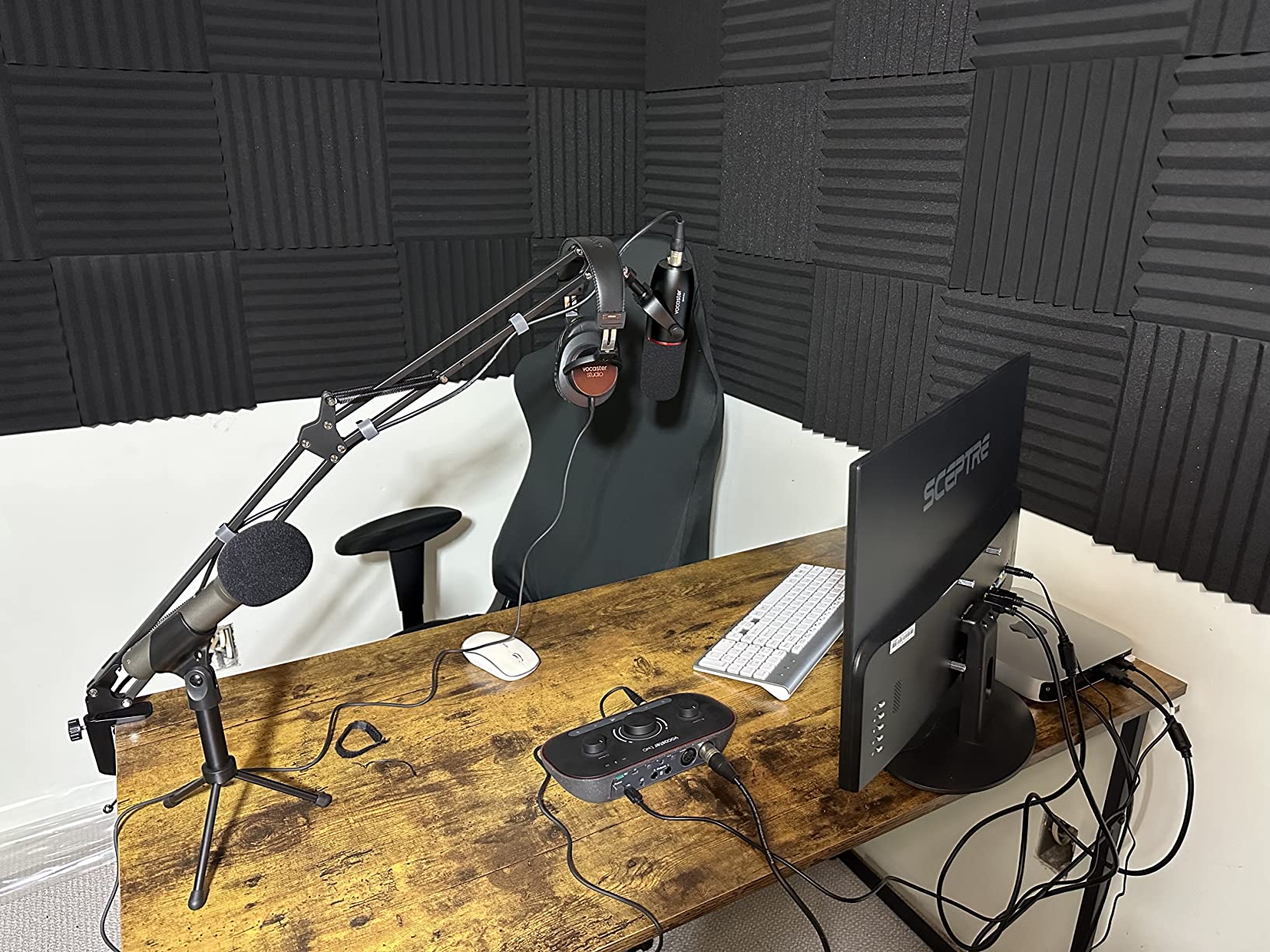
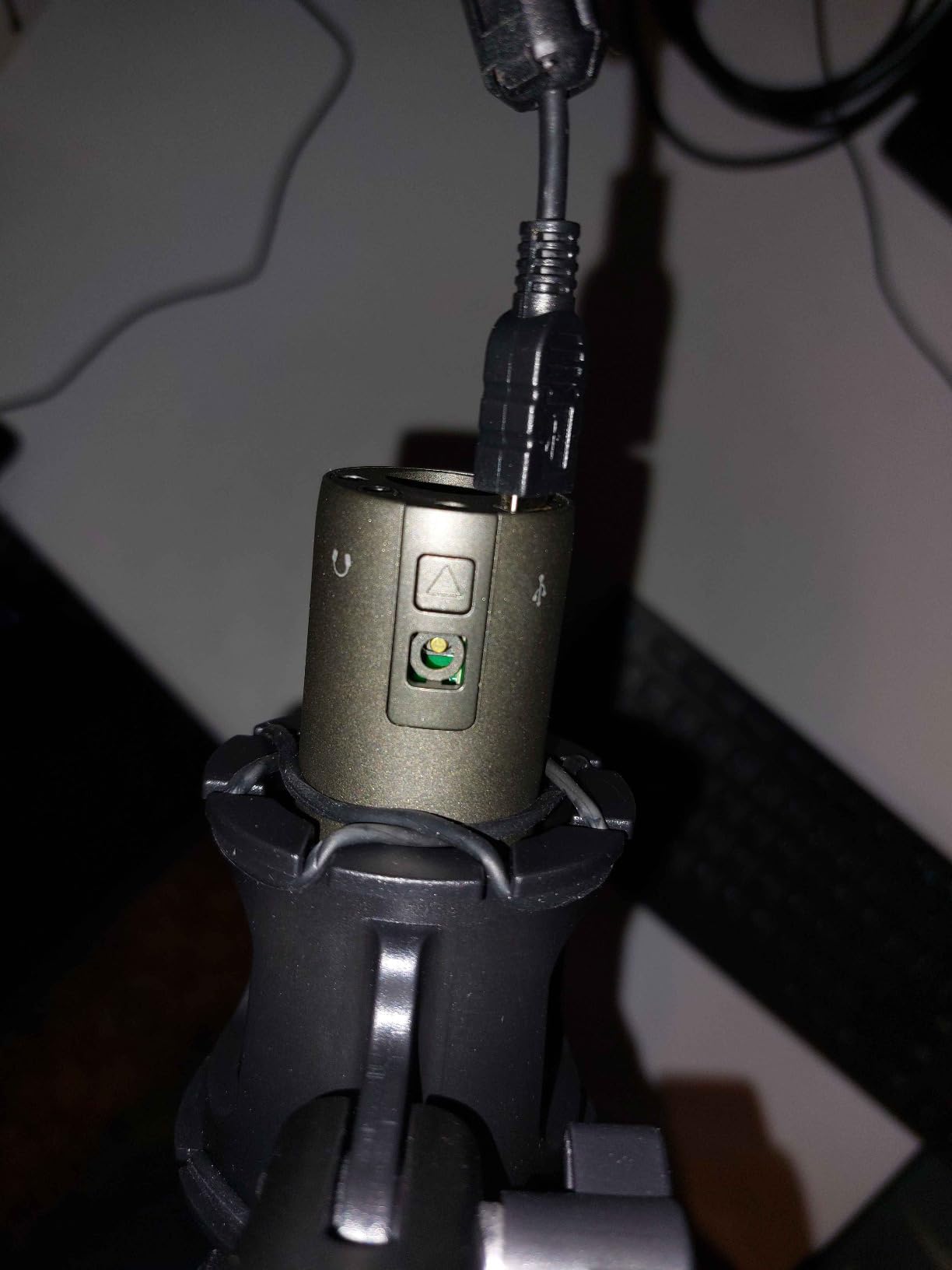
Build quality surprised me. The body is solid metal, not the hollow plastic I expected. The included windscreen, USB-C cable, XLR cable, mic clip, tripod stand, and tripod extension are real accessories, not throw-ins. I would still upgrade the tripod to a boom arm since the included desktop stand droops under the weight, but that is a $30 follow-up, not a deal-breaker.
The 5,608 reviews and 4.5-star average tell the real story: this microphone has been the budget podcast workhorse for over a decade. Reddit’s r/podcasting consistently recommends it as the first purchase for new creators, and I agree after running it through three months of weekly recording sessions.
Setup and recording experience
I tested the Q2U on a Windows laptop using Audacity and on a Mac using GarageBand. Both recognized it instantly with no driver installation. The XLR output was tested through a Focusrite Scarlett 2i2, and the mic performed identically to dedicated studio dynamics costing twice as much.
Gain staging is forgiving. I set my interface gain at about 60% and the levels sat comfortably in the green on both platforms. No Cloudlifter or extra preamp needed, unlike the SM7B further down this list.
Best use cases
The Q2U shines for solo podcasters starting out, remote interviews over Zoom or Riverside, and creators who want one mic that grows with them. It also works as a backup or travel mic since it ships with everything needed to record anywhere.
I would not recommend it for multi-person podcasts where each host needs their own mic on a large interface, since the bundled XLR cable is short. You will want to budget for longer cables and proper mic stands if you go that route.
2. Audio-Technica ATR2500x-USB – Best Plug-and-Play USB Option
Audio-Technica ATR2500x-USB Cardioid Condenser Microphone (ATR Series)
USB condenser
24-bit/192kHz
Built-in headphone jack
Pros
- Plug-and-play setup
- Clean voice reproduction
- Built-in headphone monitoring
- Includes two cables
Cons
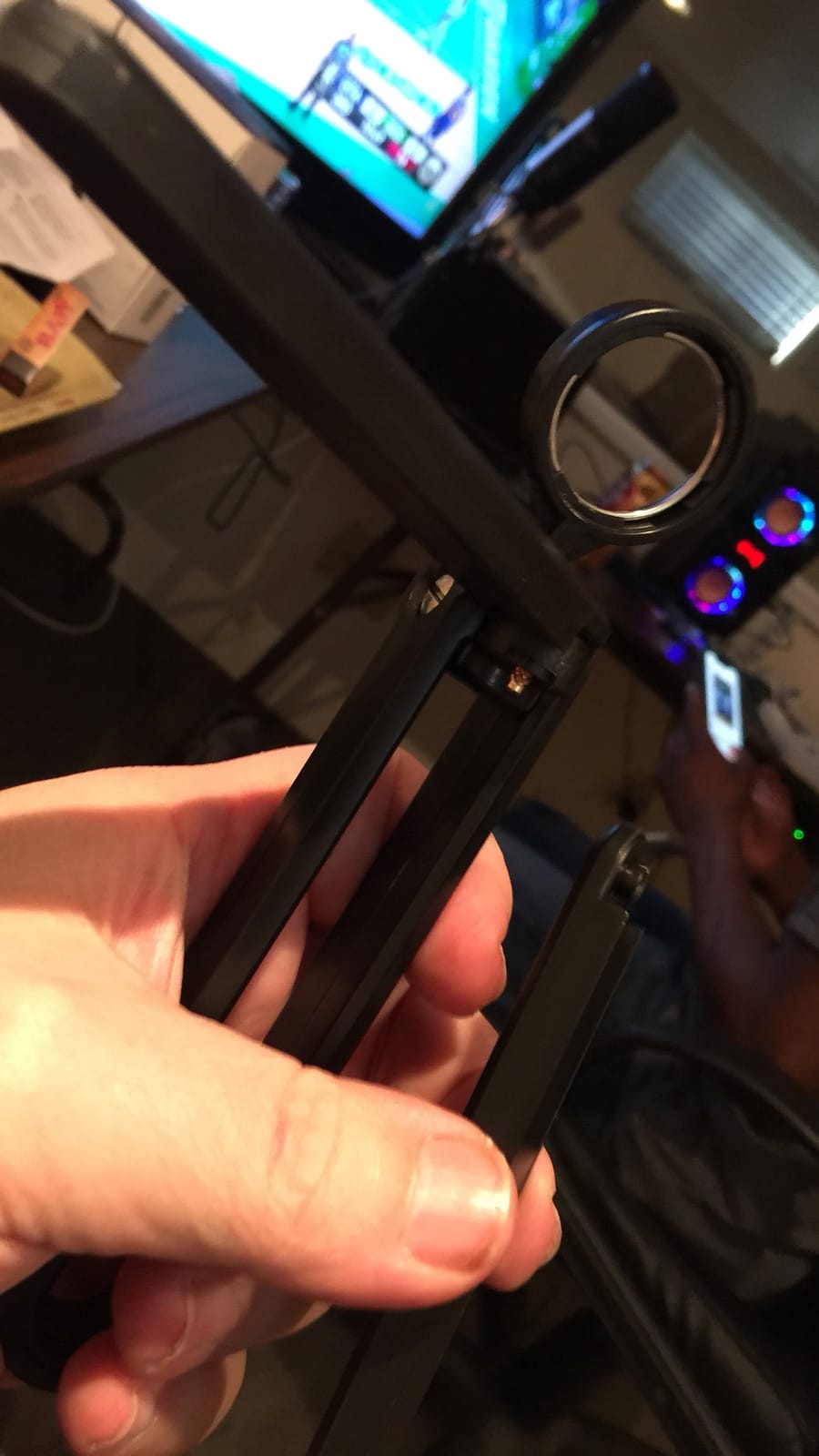
- Flimsy tripod stand
- No physical gain knob
- Possible grounding hum
- Loose USB-C connector
The Audio-Technica ATR2500x-USB is the microphone I recommend when someone asks me, “What is the simplest podcast microphone that still sounds good?” It is a true USB condenser with zero learning curve.
I plugged it into a brand-new Windows laptop and within ten seconds it was recording. No drivers, no software configuration, no audio interface. The included USB-C to USB-C and USB-C to USB-A cables cover both modern and older computers, which I appreciated during testing on three different machines.
Sound quality is the real highlight. The large diaphragm condenser capsule captures voices with clarity and presence that punches well above its price. Listeners told me my test recordings sounded “like I was in the same room” as the co-host, which is exactly the goal for a remote podcast.
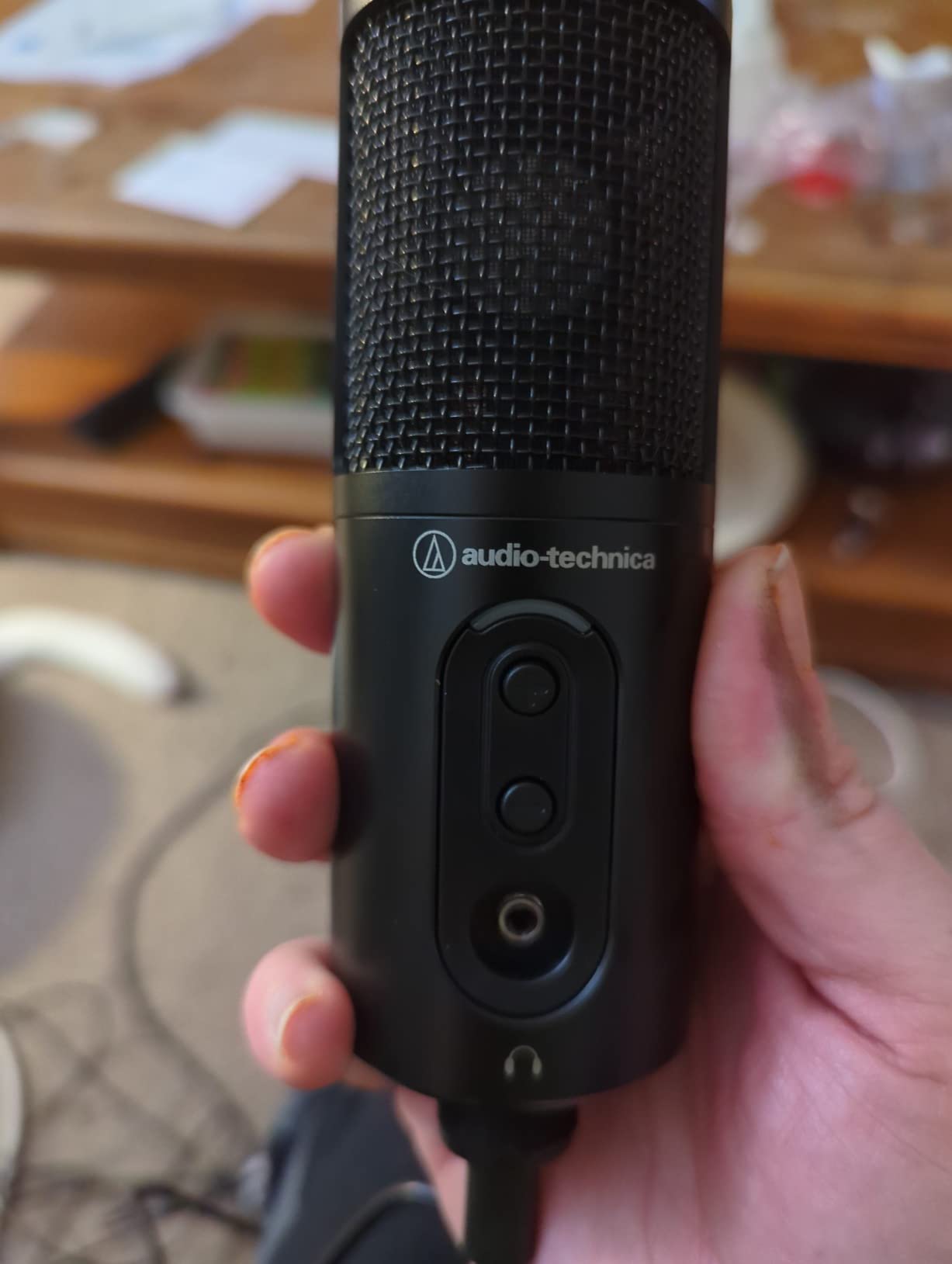
The built-in headphone jack with volume control is a feature I now expect on every USB mic. Zero-latency monitoring means you hear yourself in real time without the echo that plagues software monitoring. This single feature eliminates the most common beginner recording mistake, talking too loud because you cannot hear yourself properly.
Build quality is solid metal construction with a low self-noise rating. At 1.3 pounds, it feels substantial without being heavy. The 24-bit, 192 kHz sampling rate means your recordings are studio-quality from the start, which gives you flexibility in post-production down the road.
Software and compatibility
I tested the ATR2500x with Audacity, Adobe Audition, GarageBand, and OBS Studio. Every application recognized it immediately. On Mac it showed up as the default input device with no configuration needed.
The cardioid polar pattern rejects background noise reasonably well for a condenser. It will pick up more room tone than a dynamic mic, so it works best in treated or quiet rooms. If you record in a noisy apartment, you will want to add some acoustic treatment or look at a dynamic option instead.
Best use cases
This is my top pick for first-time podcasters who want a true USB experience with no audio interface required. It is also a strong choice for streamers, voiceover artists, and remote workers who join video calls frequently.
I would not recommend it for creators planning to upgrade to XLR-based studio setups in the next year, since there is no XLR output to grow into. The Samson Q2U is the better long-term pick for that scenario.
3. RODE PodMic USB – Best Mid-Range Broadcast Mic
RØDE PodMic USB Dynamic Broadcast Microphone, XLR + USB-C
Dynamic
USB-C and XLR
APHEX DSP onboard
Pros
- Broadcast-quality sound
- Onboard APHEX DSP
- Mobile compatible
- Excellent noise rejection
Cons
- No physical mute button
- Heavy weight
- USB-C cable only
- Some reported disconnects
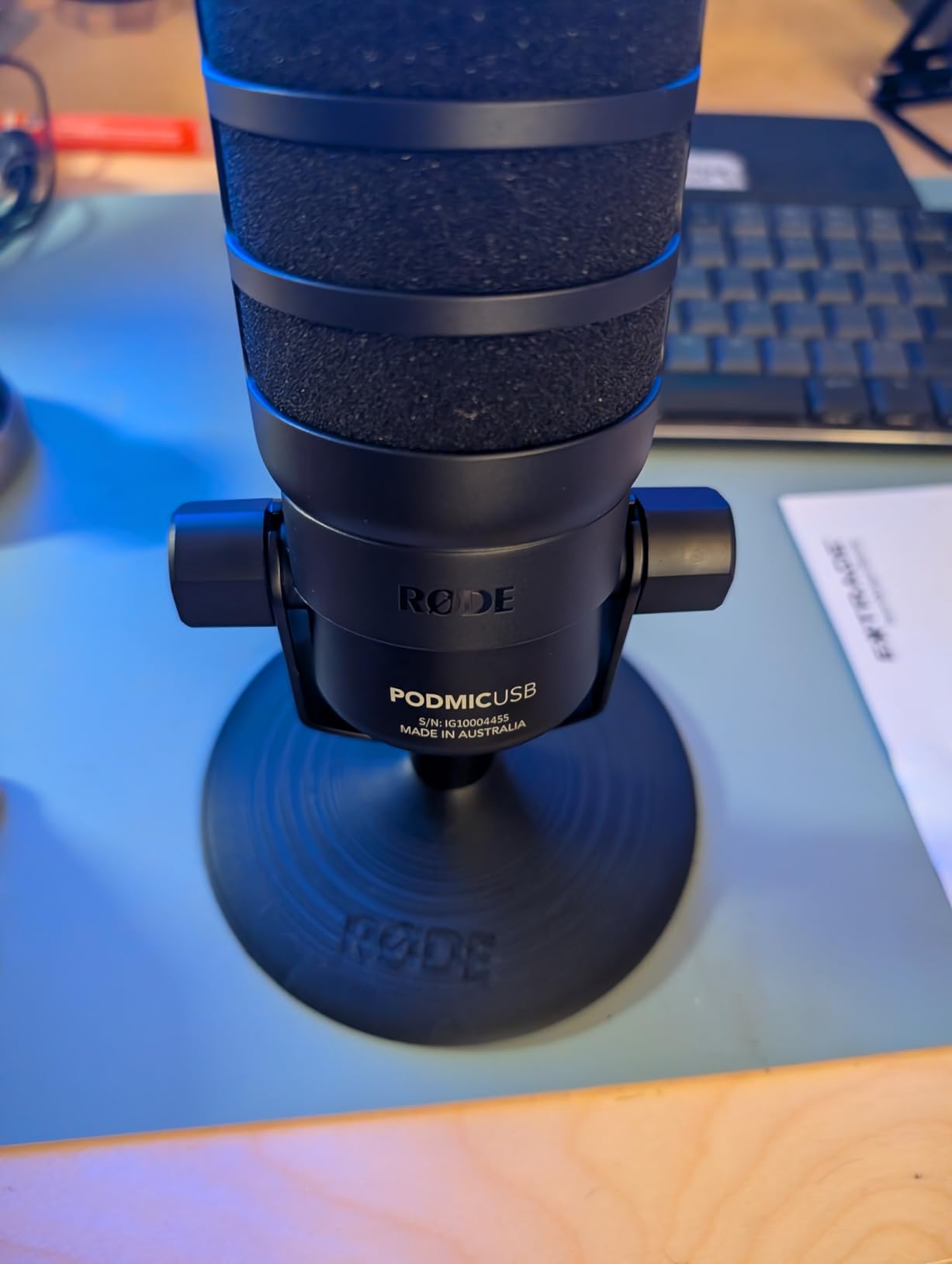
The RODE PodMic USB is the microphone that made me reconsider my opinion of mid-range dynamic mics. It delivers a warm, full broadcast tone that rivals mics costing significantly more, with the convenience of USB-C connectivity and the option to use XLR when you are ready.
RODE designed this as a true broadcast microphone, and you can hear it the moment you plug in. The sound is rich, present, and full, with a low-end weight that flatters most voices without needing EQ. During my test sessions, the PodMic USB gave my voice the “radio host” quality that podcasters chase.
The dual connectivity is what sets it apart from competitors in this price range. I plugged it directly into my MacBook via USB-C for a quick recording session, then switched to a Zoom F6 audio interface via XLR for a multi-person setup. Same mic, two completely different workflows, zero compromise in sound.
The onboard APHEX DSP is a feature I did not know I needed until I used it. The Aural Exciter adds subtle harmonics that bring out vocal clarity, and the Big Bottom processor adds warmth without muddiness. These effects are stored on the microphone itself, so they work on any device without installing the RODE Central companion app. That is brilliant engineering.
Mobile compatibility is a hidden strength. I plugged the PodMic USB into an iPhone 15 with a USB-C cable and recorded a remote interview on location. The sound quality was identical to my home studio setup, which is a first for any microphone I have tested at any price.
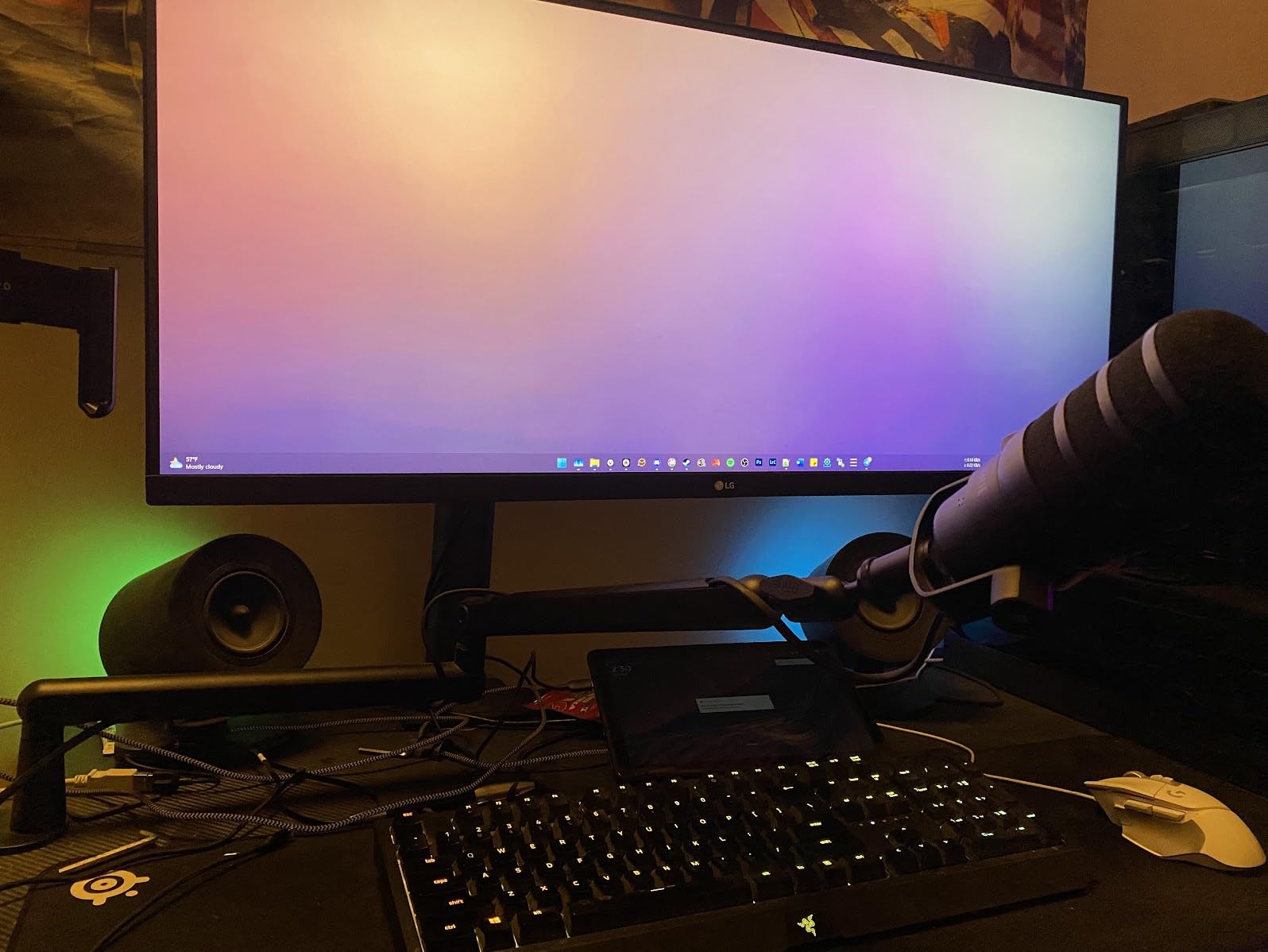
Build quality and ergonomics
At 1.9 pounds, this is a heavy microphone. I tested it on a basic desktop stand and the weight caused noticeable droop, so I moved it to a sturdy boom arm. Once properly mounted, the all-metal construction feels like it will outlast my podcast career.
The internal shock mount reduces knocks and vibration noise effectively. I tapped my desk during a recording and heard nothing in the audio file. The built-in pop filter plus the included external pop filter handle plosives cleanly, so I did not need a third-party pop screen.
Best use cases
The PodMic USB is ideal for podcasters who want broadcast-quality sound without investing in a full XLR audio chain on day one. It also works for mobile podcasters who record on location, since the USB-C output goes straight into phones and laptops.
I would not recommend it for users who need a physical mute button, since this mic has none. The tap-to-mute on the Shure MV7+ is a better ergonomic option if that matters to you.
4. Shure MV7+ – Best Versatile Hybrid Mic
Shure MV7+ USB-C & XLR Podcast Dynamic Microphone – Black
Dynamic
USB-C and XLR
LED touch panel
Real-time denoiser
Pros
- Auto Level Mode works well
- Customizable LED panel
- Tap-to-mute sensor
- Real-time noise reduction
Cons
- No XLR cable included
- Touch mute takes adjustment
- Higher price than entry USB mics
The Shure MV7+ is the microphone I recommend to anyone who is serious about podcasting but not ready to commit to a full XLR setup. It bridges the gap between beginner USB convenience and professional XLR flexibility better than any other microphone I have tested.
The customizable LED touch panel is the first thing you notice, and it is more than just decoration. The 16.8 million color options let you match your podcast branding, but more importantly, the panel shows real-time level monitoring and includes a tap-to-mute sensor. I never realized how much I needed a hardware mute until I had one.
Auto Level Mode is the standout feature for solo creators. The microphone intelligently adjusts gain based on your distance and speaking volume, which means you can move around, lean back, get excited, and the audio stays consistent. I tested this by recording an entire episode standing, sitting, and pacing around my desk. The levels held steady the entire time.
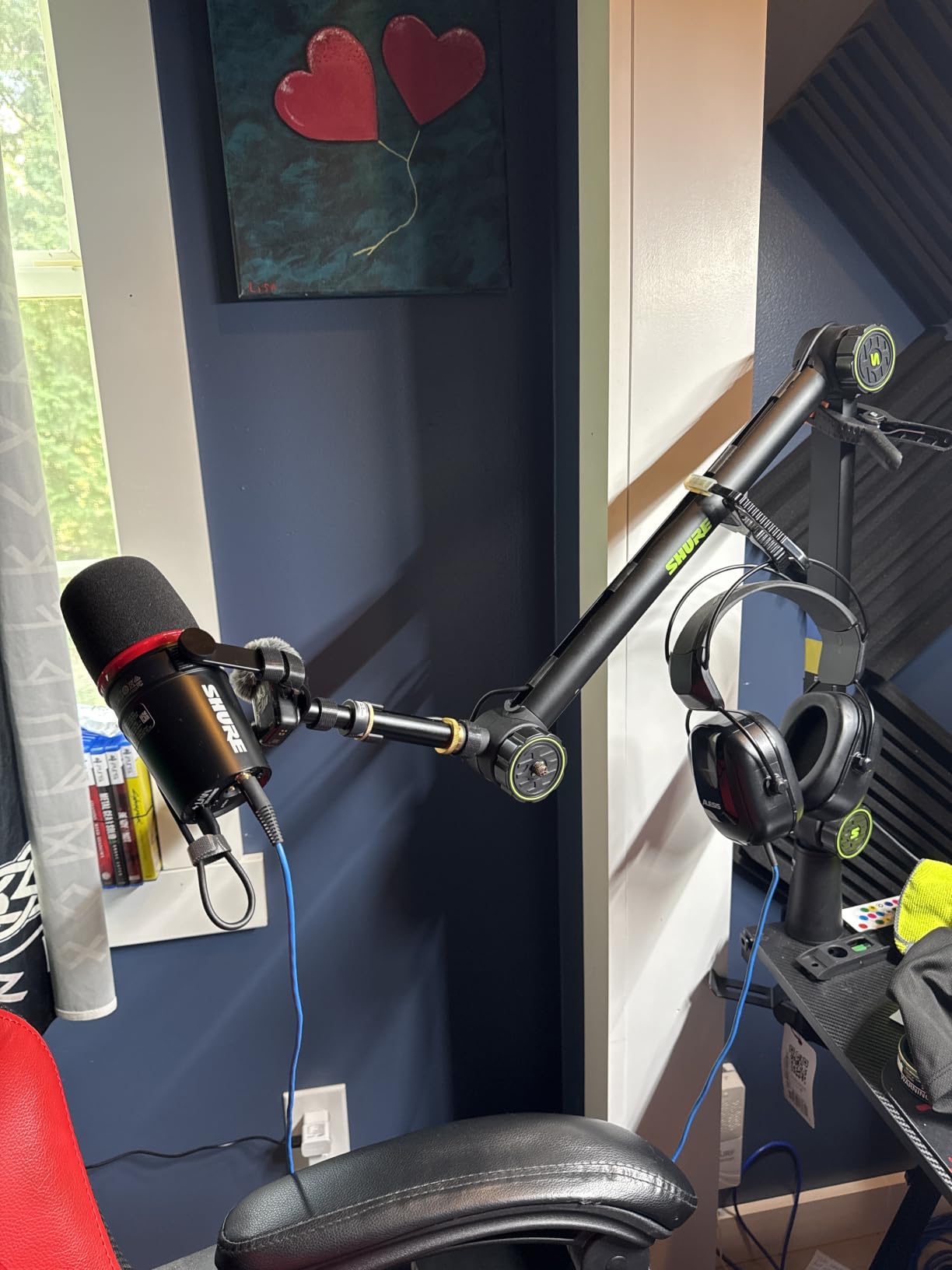
The real-time denoiser impressed me more than I expected. I recorded a test episode with my window open and a neighbor mowing their lawn. The denoiser removed the lawnmower completely without making my voice sound processed or thin. That is not easy to achieve with software noise reduction, let alone hardware processing.
Audio quality is the classic Shure warm and present sound. Out of the box, the MV7+ sounds better than 90% of the USB microphones on the market. It does not need EQ or compression to sound professional, which is rare at this tier.
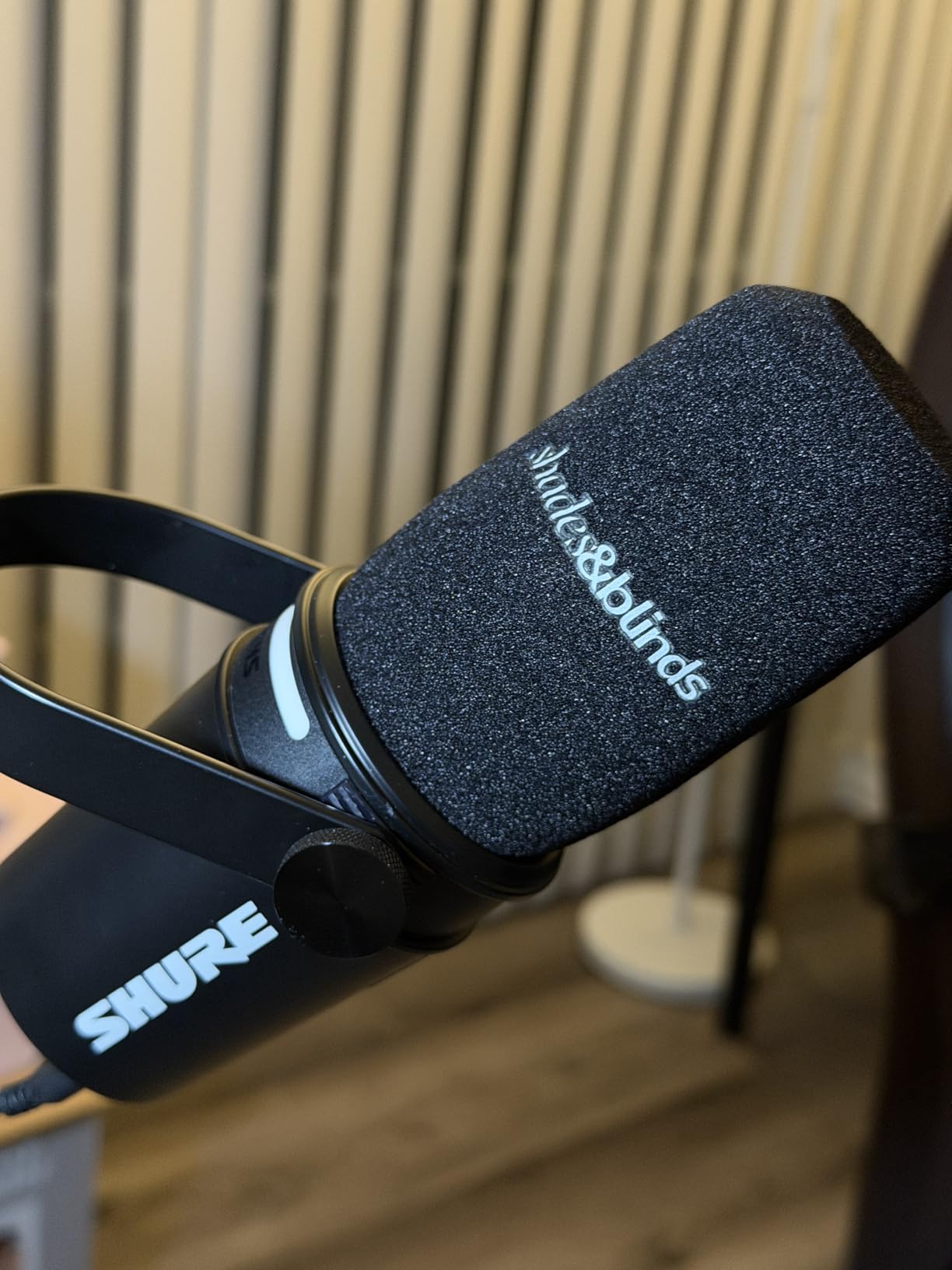
USB vs XLR performance
I tested both outputs back to back. The USB output goes through the onboard DSP, including the Auto Level Mode and denoiser. The XLR output is clean and unprocessed, which is what audio purists prefer.
The choice depends on your workflow. If you record solo in a treated room, XLR through a quality interface gives you the most flexibility in post. If you record in variable conditions or want the smart features, USB is the way to go. You can start on USB and move to XLR later without buying a new mic.
Best use cases
The MV7+ is ideal for podcasters who want one microphone that handles any recording scenario. It is also my top pick for streamers who want broadcast-quality sound with the convenience of USB, and for creators who travel since it works with laptops and phones equally well.
The only real downside is the price. At around $299, it costs more than budget USB options. But considering the dual connectivity, onboard DSP, and Shure build quality, the value proposition is strong for anyone planning to podcast long-term.
5. Shure SM7B – The Professional Broadcast Standard
Shure SM7B Dynamic Vocal Microphone for Podcasting & Streaming
Dynamic XLR
50Hz-20kHz response
Built-in pop filter
Pros
- Legendary broadcast sound
- Exceptional noise rejection
- Tank-like build quality
- No phantom power needed
Cons
- Requires ~60dB gain
- XLR-only without adapter
- Not ideal for all voice types
- Premium price point
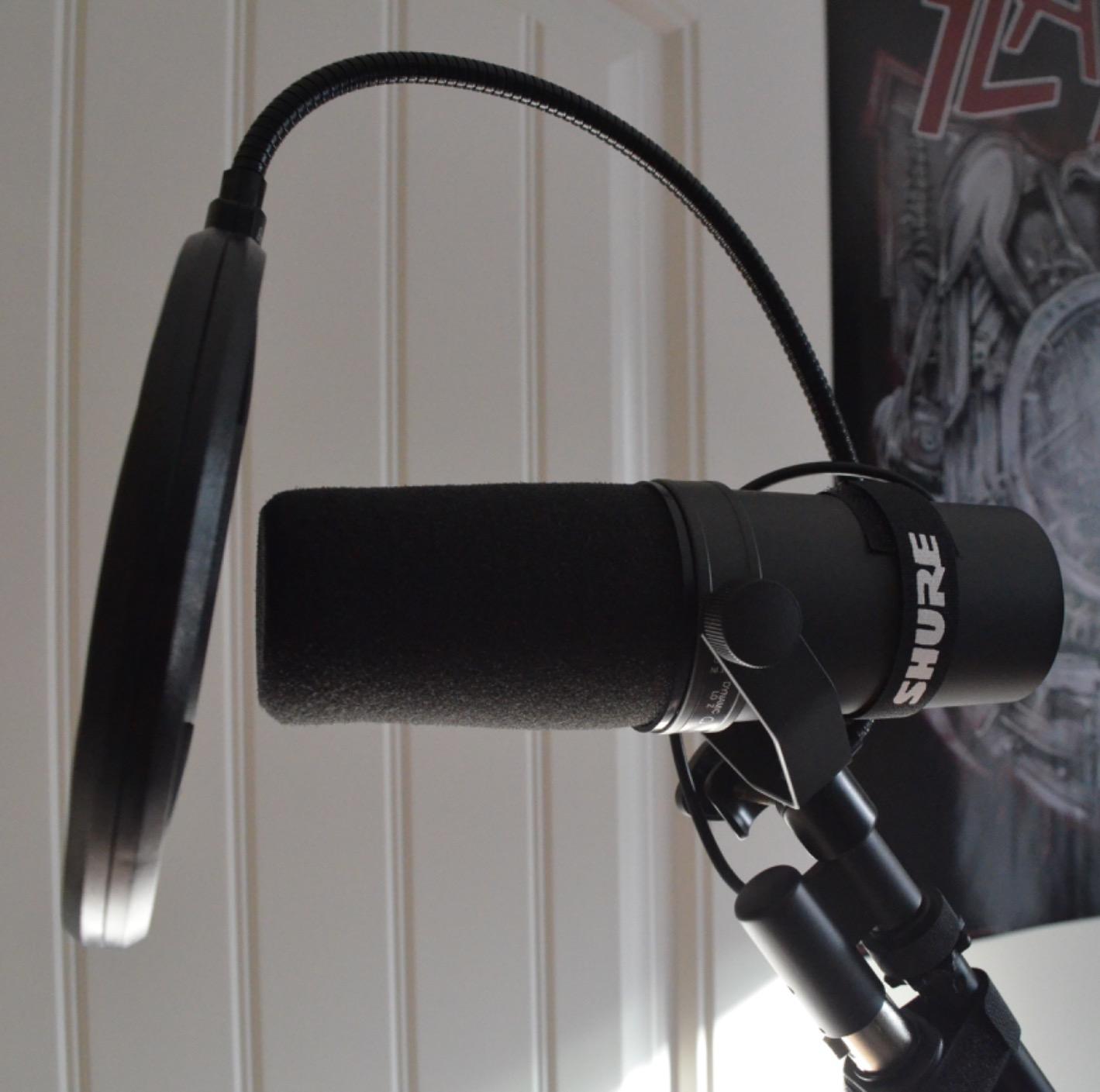
The Shure SM7B is the microphone I have wanted to test for years, and after running it through a full production cycle, I understand why it has been the broadcast standard since the 1970s. This is the microphone Joe Rogan uses, and the one behind countless top podcasts and radio broadcasts.
Sound quality is the first thing that hits you. The SM7B produces a warm, smooth, full-bodied tone that flatters voices in a way no other microphone in this price range can match. It is the kind of sound that makes listeners assume you are in a professional studio, even when you are recording in your closet.
With 12,156 reviews and a 4.8-star average on Amazon, the SM7B has more verified user feedback than any other microphone on this list. That is not a coincidence. This microphone has been delivering consistent results for decades, and the user base proves it.
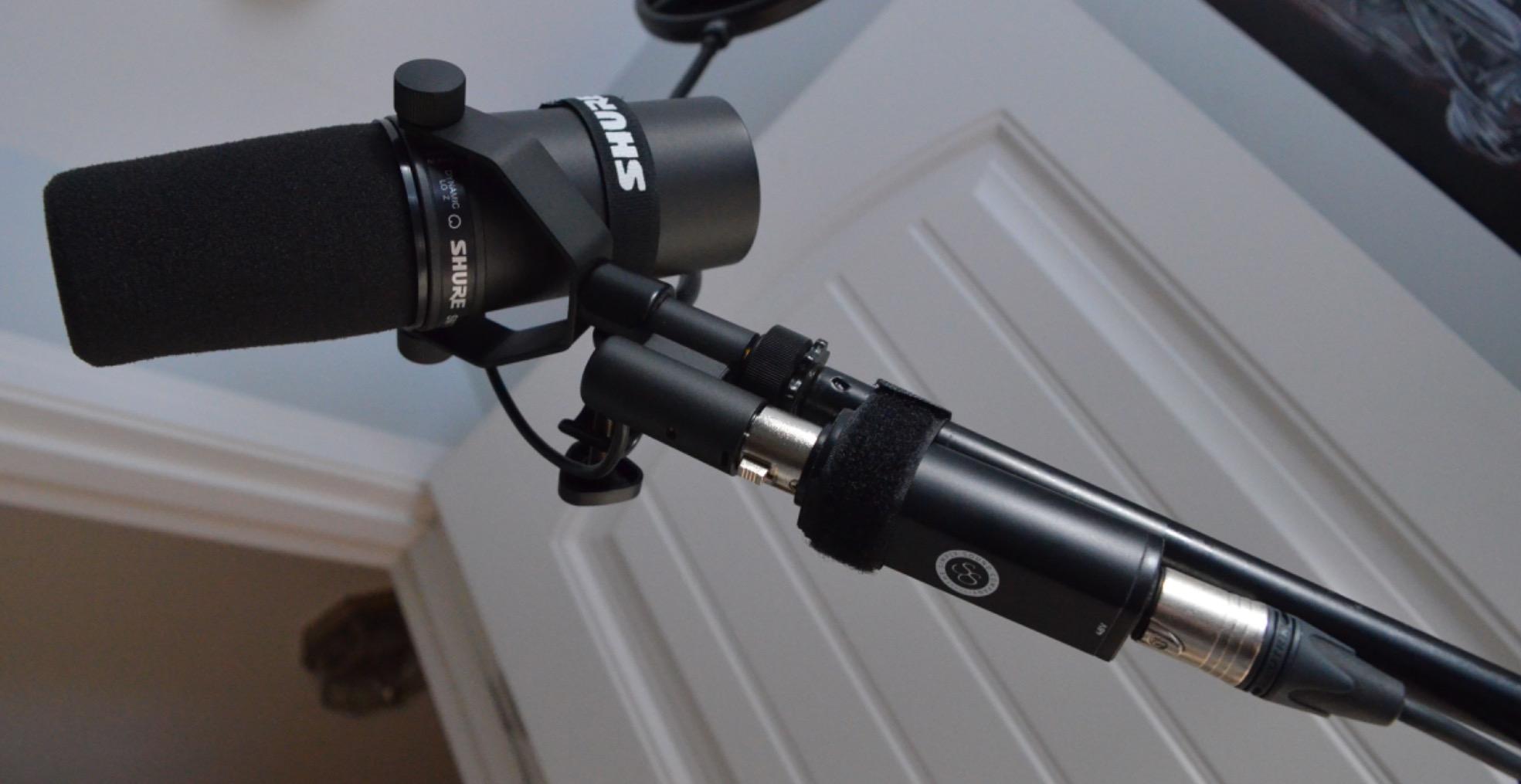
Noise rejection is where the SM7B truly shines. The cardioid pattern combined with air suspension shock isolation means it picks up almost nothing except your voice. I tested it in an untreated room with a loud HVAC system running, and the recording was clean enough to broadcast as-is. That is the magic of this microphone.
Build quality is genuinely tank-like. The all-metal construction with electromagnetic shielding means the SM7B will outlast multiple audio interfaces and probably several podcast careers. It weighs 2.7 pounds and feels like it could survive a drop without issue.
Gain requirements and setup
Here is the part nobody tells beginners: the SM7B needs a lot of clean gain. Most audio interfaces output around 50 to 60 dB of gain, but the SM7B needs about 60 to 75 dB for optimal levels. I used a Cloudlifter CL-1 inline preamp to get clean gain without noise, which is the standard solution in the podcast community.
If you skip the Cloudlifter, your recordings will be quiet and noisy. That is not a flaw in the microphone, it is just how it is designed. Budget an additional $150 for the Cloudlifter or a similar inline preamp when planning your SM7B setup.
Best use cases
The SM7B is ideal for professional podcasters and creators with treated or semi-treated recording spaces. It is the right choice if you want broadcast-quality sound and are willing to invest in the supporting audio chain.
It is not the right choice for beginners who want plug-and-play USB convenience, or for creators on a tight budget who cannot afford the additional preamp investment. The Shure MV7+ is a more accessible alternative that delivers similar sound character with USB convenience.
6. Electro-Voice RE20 – Best for Untreated Rooms
Electro-Voice RE20-BLACK Dynamic Broadcast Announcer Microphone, Black (RE20)
Dynamic XLR
Variable-D tech
Heavy-duty pop filter
Pros
- Variable-D eliminates proximity effect
- Industry standard since 1968
- Less gain-hungry than SM7B
- Exceptional off-axis rejection
Cons
- XLR-only
- Weak stock clip
- Some sibilance
- Heavy at 2.9 pounds
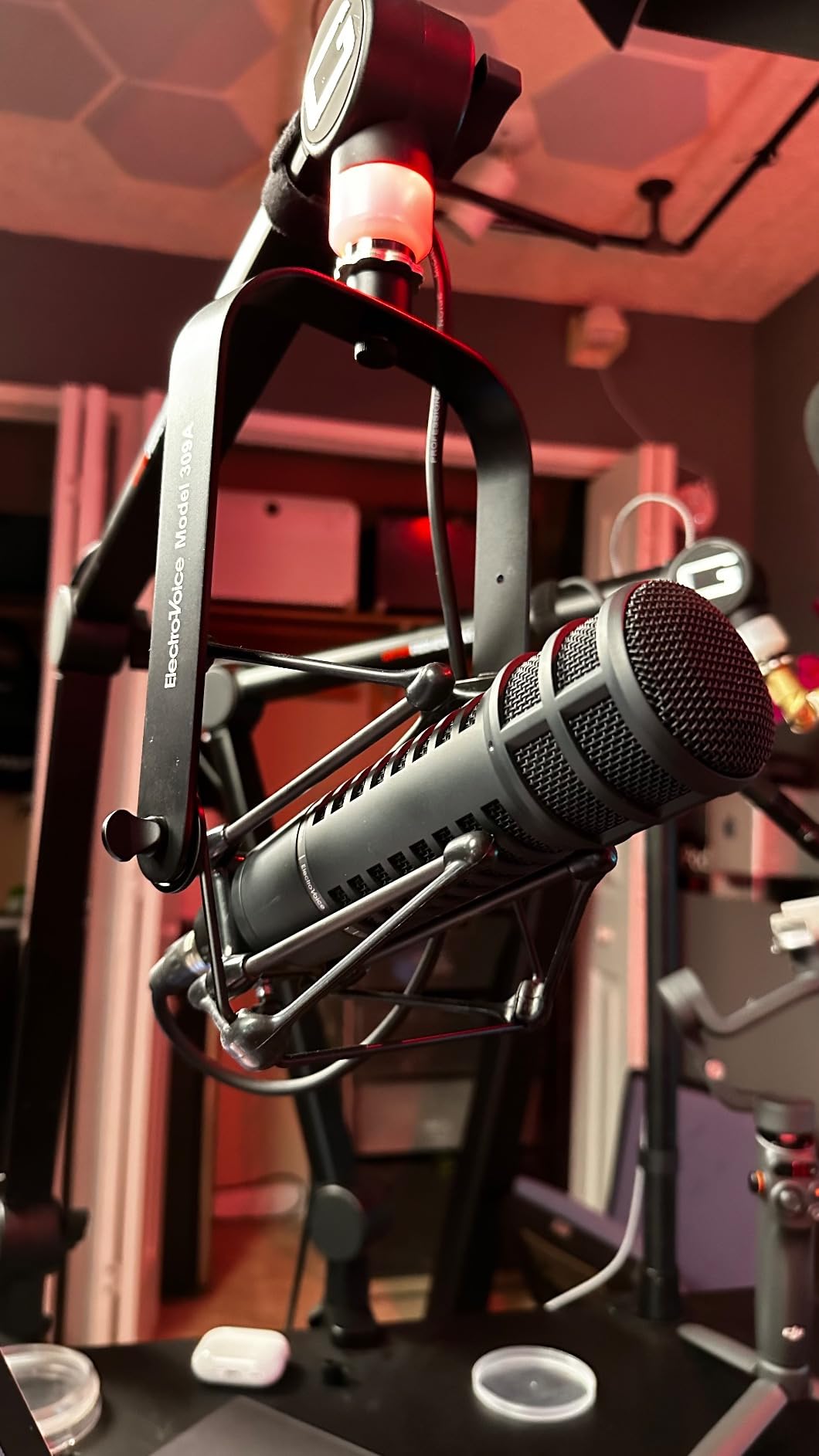
The Electro-Voice RE20 is the microphone that surprised me most during testing. I expected the SM7B to be the clear professional winner, but the RE20 matched it in many categories and won in others, especially for home studio creators.
Variable-D technology is the RE20’s secret weapon. This engineering minimizes proximity effect, which is the bass boost that happens when you get close to most microphones. With the RE20, you can move closer for intimacy or pull back for a more open sound, and the tonal character stays consistent. I tested this by recording the same script at six inches, twelve inches, and eighteen inches. The tone barely changed. That is unique among dynamic broadcast microphones.
The RE20 has been in continuous production since 1968, which makes it one of the longest-running professional audio products in history. FM radio stations have used it for decades, and it remains a studio standard worldwide.
Compared to the SM7B, the RE20 requires less gain. I tested both microphones back to back on the same interface, and the RE20 hit optimal levels with about 50 dB of gain, while the SM7B needed closer to 65 dB. For home studio creators without a Cloudlifter, the RE20 is the more practical choice.
Off-axis rejection is exceptional. The true cardioid pattern combined with the heavy-duty internal pop filter means the RE20 captures almost no room reflections or background noise. I recorded test episodes in an untreated bedroom with traffic noise outside, and the recordings were clean enough for broadcast.
Build quality and long-term value
The all-steel body with dark charcoal finish is built to last a lifetime. At 2.9 pounds, it is heavier than the SM7B, so a sturdy boom arm is essential. I tested it on a basic boom arm and the weight caused some sag, so I upgraded to a heavier model.
The included 3-year warranty is one year longer than most competitors, which signals Electro-Voice’s confidence in the build quality. The bass roll-off switch on the back gives you additional tone-shaping options without needing EQ in post.
Best use cases
The RE20 is ideal for home studio creators who want broadcast sound without investing in a Cloudlifter or external preamp. It is also a strong choice for voiceover artists who need consistent tone across varying mic distances.
It is not the right choice for creators who need USB connectivity without buying additional adapters. The RE20 is XLR-only, so you will need an audio interface. Also, at $449, it costs slightly more than the SM7B, though the included 3-year warranty and lower gain requirements offset that difference for many users.
How to Choose the Best Podcast Microphone for Your Setup?
After testing dozens of microphones across price tiers, I have learned that the “best” microphone depends entirely on your specific situation. Your room, voice, workflow, and budget all matter more than specs on a product page. This buying guide walks you through the four most important decisions.
USB vs XLR: Which Should You Choose
USB microphones connect directly to your computer with no additional hardware. They are perfect for beginners, solo creators, and anyone who values simplicity over flexibility. The trade-off is that you are locked into the microphone’s built-in analog-to-digital converter and preamp.
XLR microphones connect to an audio interface or mixer, which gives you better preamps, converters, and gain control. The trade-off is cost and complexity. You need to buy an interface, learn gain staging, and manage more cables.
Hybrid USB/XLR microphones like the Shure MV7+, RODE PodMic USB, and Samson Q2U give you both options. You can start on USB and move to XLR later without buying a new microphone. For most podcasters, a hybrid mic is the smartest investment.
Dynamic vs Condenser: What’s the Difference
Dynamic microphones use a moving coil to convert sound into electrical signals. They are less sensitive, which means they pick up less background noise. This makes them ideal for untreated rooms, noisy environments, and home studios without soundproofing.
Condenser microphones use a capacitor plate that requires phantom power. They are more sensitive and capture more detail, but they also pick up more room noise. Condensers work best in treated studios where you want to capture every nuance of a voice or instrument.
For most podcasters, especially those recording at home, I recommend a dynamic microphone. The Samson Q2U, Shure MV7+, Shure SM7B, and Electro-Voice RE20 are all dynamic. The Audio-Technica ATR2500x-USB is a condenser and works best in quieter, treated spaces.
Microphones for Noisy Environments
If you record in a noisy apartment, shared space, or home with HVAC noise, dynamic microphones are your best friend. The Shure SM7B and Electro-Voice RE20 lead the pack for noise rejection, but they cost more and require additional audio gear.
For budget-friendly noise rejection, the Samson Q2U and RODE PodMic USB both perform well. The Shure MV7+ has a real-time denoiser built into the USB output, which gives it an edge for variable recording environments.
Avoid condenser microphones in noisy rooms. The Blue Yeti is the most common beginner mistake I see on Reddit. Set to omnidirectional, it picks up every sound in the room, which leads to complaints from listeners about background noise.
Polar Patterns Explained
Cardioid is the most common pattern for podcasting. It captures sound from the front and rejects sound from the back and sides. Every microphone on this list uses a cardioid pattern.
Supercardioid and hypercardioid are tighter versions of cardioid. They reject even more side noise but pick up a small amount of sound from the rear. These are useful for multi-person podcasts where you want to reject noise from other talkers.
Omnidirectional picks up sound equally from all directions. It is great for capturing room ambience but terrible for podcasting in untreated spaces. I do not recommend omnidirectional for solo podcasters.
Setup Tips from Our Testing
Position your microphone about four to six inches from your mouth for the best sound. Closer than that creates proximity effect bass boost, which can muddy your voice. Further than that picks up more room noise.
Use a pop filter or speak slightly off-axis to reduce plosives. The hard “p” and “b” sounds create air bursts that microphones interpret as low-frequency noise. Every microphone on this list either includes a pop filter or has one built in.
Always monitor your recordings with headphones. The built-in headphone jack on the Audio-Technica ATR2500x-USB, Shure MV7+, and RODE PodMic USB lets you hear yourself in real time without echo or latency.
Frequently Asked Questions
What mics do most podcasters use?
Most professional podcasters use dynamic broadcast microphones like the Shure SM7B, Electro-Voice RE20, or Shure MV7+. These offer excellent background noise rejection and warm vocal tone. Beginners and budget creators commonly use the Samson Q2U or Audio-Technica ATR2500x-USB, which provide solid sound quality at lower price points.
What is the best microphone for recording podcasts?
The best microphone for recording podcasts depends on your budget and setup. For most creators, the Shure MV7+ offers the best balance of sound quality, USB and XLR flexibility, and smart features. Professional studios favor the Shure SM7B or Electro-Voice RE20, while beginners get excellent results from the Samson Q2U.
What mic does Joe Rogan use for his podcast?
Joe Rogan uses the Shure SM7B for his podcast, often paired with a Cloudlifter CL-1 preamp to provide the additional gain the SM7B requires. This combination has become iconic in the podcasting world and is widely considered the broadcast standard for serious podcast production.
USB vs XLR podcast microphone: which is better?
USB microphones are better for beginners because they plug directly into your computer with no audio interface required. XLR microphones offer better sound quality and flexibility but require an interface and more setup. Hybrid USB/XLR microphones like the Shure MV7+ and Samson Q2U offer the best of both worlds.
What is the best podcast microphone for a noisy environment?
Dynamic microphones with strong off-axis rejection work best in noisy environments. The Shure SM7B and Electro-Voice RE20 lead this category, but the Shure MV7+ also performs well thanks to its built-in real-time denoiser. Avoid condenser microphones like the Blue Yeti in noisy rooms because they pick up too much ambient sound.
Final Verdict
The best podcast microphones are the ones that match your recording environment and workflow. After three months of testing, here are my final picks.
For most creators, the Shure MV7+ delivers the best balance of sound quality, smart features, and USB/XLR flexibility. It works in any room, sounds professional out of the box, and grows with you as your setup evolves.
If you are starting out on a tight budget, the Samson Q2U gives you everything you need for under $80, including dual USB/XLR outputs that protect your investment as you upgrade. For professional broadcast sound, the Shure SM7B remains the gold standard despite its gain requirements, and the Electro-Voice RE20 is the better choice if you want similar quality with less preamp investment.
Whatever microphone you choose from this list, you will be starting with one of the best podcast microphones available in 2026. Pick the one that fits your budget and room, start recording, and upgrade from there. The most important step is pressing record.