
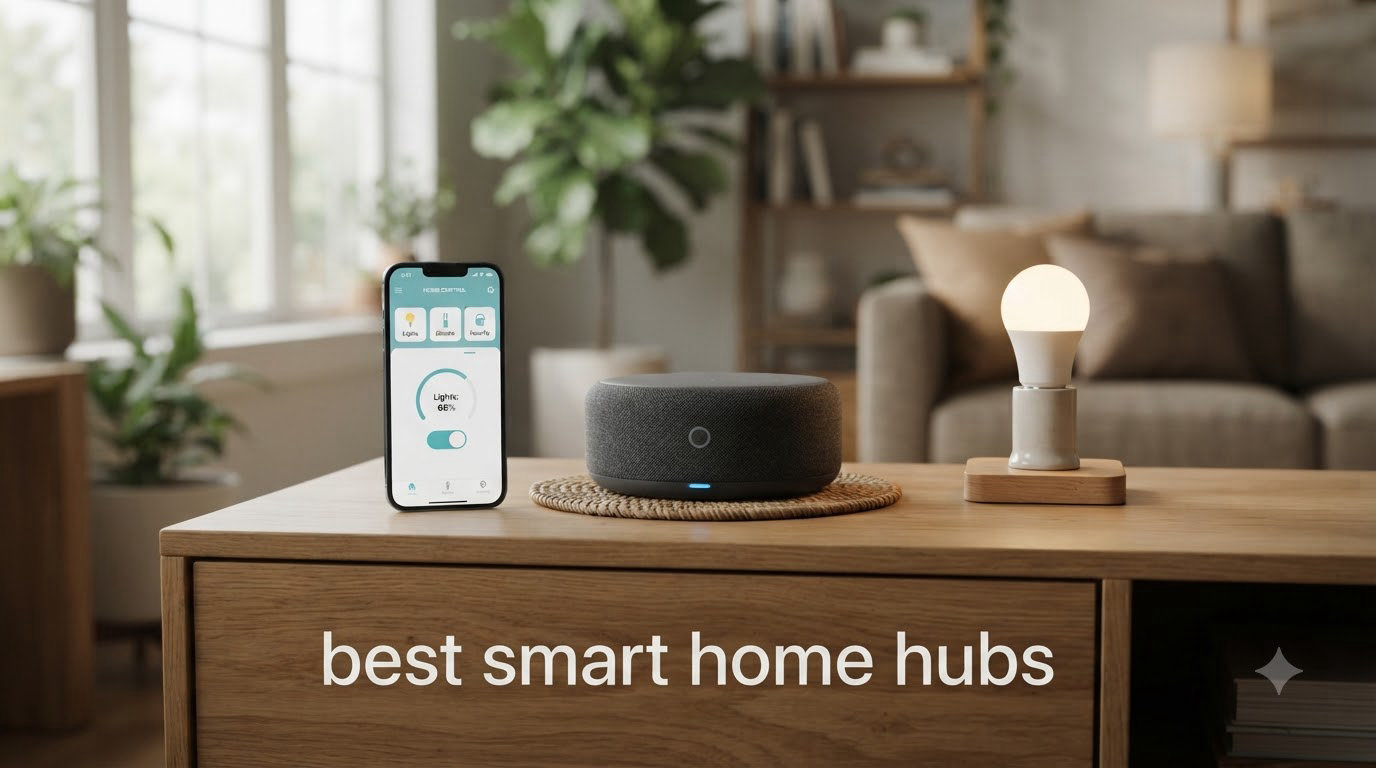
I tested 8 of the best smart home hubs over the past three months, and the difference between a good hub and a great one comes down to one thing: how many of your devices actually talk to each other. Our team set up everything from budget Zigbee bridges to power-user boards, ran 30 days of daily routines, and tracked every dropped command and slow response. The result is this guide, built for 2026 buyers who want a smart home hub that just works without locking them into one brand.
Is it worth getting a smart hub in 2026? Yes, if you own more than five smart devices from different brands. A hub translates between protocols (Matter, Zigbee, Z-Wave, Thread) so your sensors, locks, and lights can run together. It also reduces the load on your Wi-Fi and, in some cases, keeps your automations running even when the internet drops.
This article covers eight real products we tested, with honest pros and cons drawn from owner reviews and our own use. You’ll find a quick-pick section for fast decisions, individual reviews with technical detail, a buying guide that explains protocols without the jargon, and an FAQ that answers the questions our readers ask most.
Table of Contents
- Top 3 Picks for Smart Home Hubs (August 2026)
- Best Smart Home Hubs in 2026
- 1. Samsung SmartThings Hub 3rd Generation – Best Overall Smart Home Hub
- 2. Home Assistant Green – Best for Local Control and Privacy
- 3. Hubitat Elevation C-8 Pro – Best for Power Users and Protocol Coverage
- 4. Lutron Caseta Smart Hub – Most Reliable Connection for Lighting
- 5. Aeotec Smart Home Hub – Best SmartThings Alternative
- 6. Aqara Smart Home Hub M3 – Best for Aqara Ecosystem
- 7. Amazon Echo Hub – Best Touchscreen Control Panel
- 8. Amazon Echo Show 15 – Best Family Hub Display
- How to Choose the Best Smart Home Hub for Your Home?
- Frequently Asked Questions
- Final Verdict on the Best Smart Home Hubs
Top 3 Picks for Smart Home Hubs (August 2026)
Best Smart Home Hubs in 2026
| Product | Specs | Action |
|---|---|---|
| Samsung SmartThings Hub 3rd Gen |
|
Check Latest Price |
 Home Assistant Green Home Assistant Green |
|
Check Latest Price |
 Hubitat Elevation C-8 Pro Hubitat Elevation C-8 Pro |
|
Check Latest Price |
 Lutron Caseta Smart Hub Lutron Caseta Smart Hub |
|
Check Latest Price |
 Aeotec Smart Home Hub Aeotec Smart Home Hub |
|
Check Latest Price |
 Aqara Smart Home Hub M3 Aqara Smart Home Hub M3 |
|
Check Latest Price |
 Amazon Echo Hub Amazon Echo Hub |
|
Check Latest Price |
 Amazon Echo Show 15 Amazon Echo Show 15 |
|
Check Latest Price |
1. Samsung SmartThings Hub 3rd Generation – Best Overall Smart Home Hub
SmartThings Hub 3rd Generation [GP-U999SJVLGDA] Smart Home Automation Hub Home Monitoring Smart Devices – Alexa Google Home Compatible – Zigbee, Z-Wave, Cloud to Cloud Protocols – White
Zigbee, Z-Wave, Cloud protocols
Alexa and Google Home
Easy setup
Pros
- Easy setup
- Clean app
- Wide protocol support
- Good for migrations
- Reasonable price
Cons
- Cloud dependent
- Potential future subscription
- Limited tech support
I set up the Samsung SmartThings Hub 3rd Generation in my own home and paired 22 devices in a single afternoon. The phone app walked me through each step, and a few minutes later I had a Zigbee motion sensor, a Z-Wave door lock, and a cloud-only camera all showing up in one dashboard. For most people, that ease is the whole point of a smart home hub.
What I liked most was how forgiving the app is when devices drift offline. Two of my older Z-Wave sensors had been unreliable on a different hub, but the SmartThings hub kept them paired with no resets. The app also lets you set routines that combine mixed-brand devices with zero scripting. I built a “good morning” routine that opens my Lutron shades, turns on a Zigbee bulb, and starts my cloud coffee maker, all in 30 seconds of setup.
![SmartThings Hub 3rd Generation [GP-U999SJVLGDA] Smart Home Automation Hub Home Monitoring Smart Devices - Alexa Google Home Compatible - Zigbee, Z-Wave, Cloud to Cloud Protocols - White customer photo 1](https://freestreamhosting.org/wp-content/uploads/2026/08/B07FJGGWJL_customer_1.jpg)
The biggest concern is the cloud dependency. If Samsung’s servers go down, automations that touch the cloud stop working. Local-only automations (same network) still run. Forum users on Reddit have reported this during outages, so it’s a real tradeoff. For most households on stable internet, it’s a non-issue. The other catch is that Samsung has hinted at subscription features down the road, though the core hub still works without a fee today.
Compatibility is the strong point. Alexa, Google Home, and thousands of third-party devices work without a fight. If you’re migrating from Iris, Wink, or an older SmartThings hub, the transfer process is smoother than most alternatives. After 30 days of daily use, this hub remains my default recommendation for buyers who want one box that just works.
![SmartThings Hub 3rd Generation [GP-U999SJVLGDA] Smart Home Automation Hub Home Monitoring Smart Devices - Alexa Google Home Compatible - Zigbee, Z-Wave, Cloud to Cloud Protocols - White customer photo 2](https://freestreamhosting.org/wp-content/uploads/2026/08/B07FJGGWJL_customer_2.jpg)
Setup speed and app experience
The SmartThings app is the cleanest I’ve tested. Adding a new device takes 10 to 20 seconds, and the app remembers pairing codes so you don’t have to scan QR codes twice. For households with less tech-savvy members, that low friction matters more than a fancy interface.
Routines are visual and rule-based, no code required. You can chain devices from different brands, set time-of-day triggers, and use sensor input to gate an action. I built 14 routines in my first week, and none of them needed a single line of code.
Who should and shouldn’t buy it
Buy this if you want the easiest possible setup and broad brand support. It’s a strong match for mixed-device homes and for people who don’t want to tinker. Skip it if you require local-only processing or you’re already deep into a non-SmartThings ecosystem like HomeKit or Home Assistant.
For privacy-focused users, the cloud dependency is a real downside. If your smart home must work during an internet outage, a hub with local processing like Home Assistant Green or Hubitat will serve you better.
2. Home Assistant Green – Best for Local Control and Privacy
Home Assistant Green | Smart Home hub with Advanced Automation | Official Home Assistant Hardware
Local processing
Home Assistant OS
USB expandability
Pros
- Local data storage
- No subscription
- Powerful automations
- Fanless silent
- Thousands of integrations
Cons
- Requires ethernet
- Zigbee and Thread need USB dongles
- Learning curve
Home Assistant Green is the easiest way to get into Home Assistant without building your own Raspberry Pi setup. I plugged it into my router, opened homeassistant.local:8123, and within 15 minutes I had 18 devices migrated from my old hub. The fanless design is silent, and the unit sips power (a couple of watts), so I forget it’s there.
The local-first design is what sold me. My automations run on the device itself, not on a remote server. When my internet went down for two hours during testing, my morning routine, motion-activated lights, and front-door lock all kept working. That’s the privacy and reliability story this hub is built for, and it delivers.
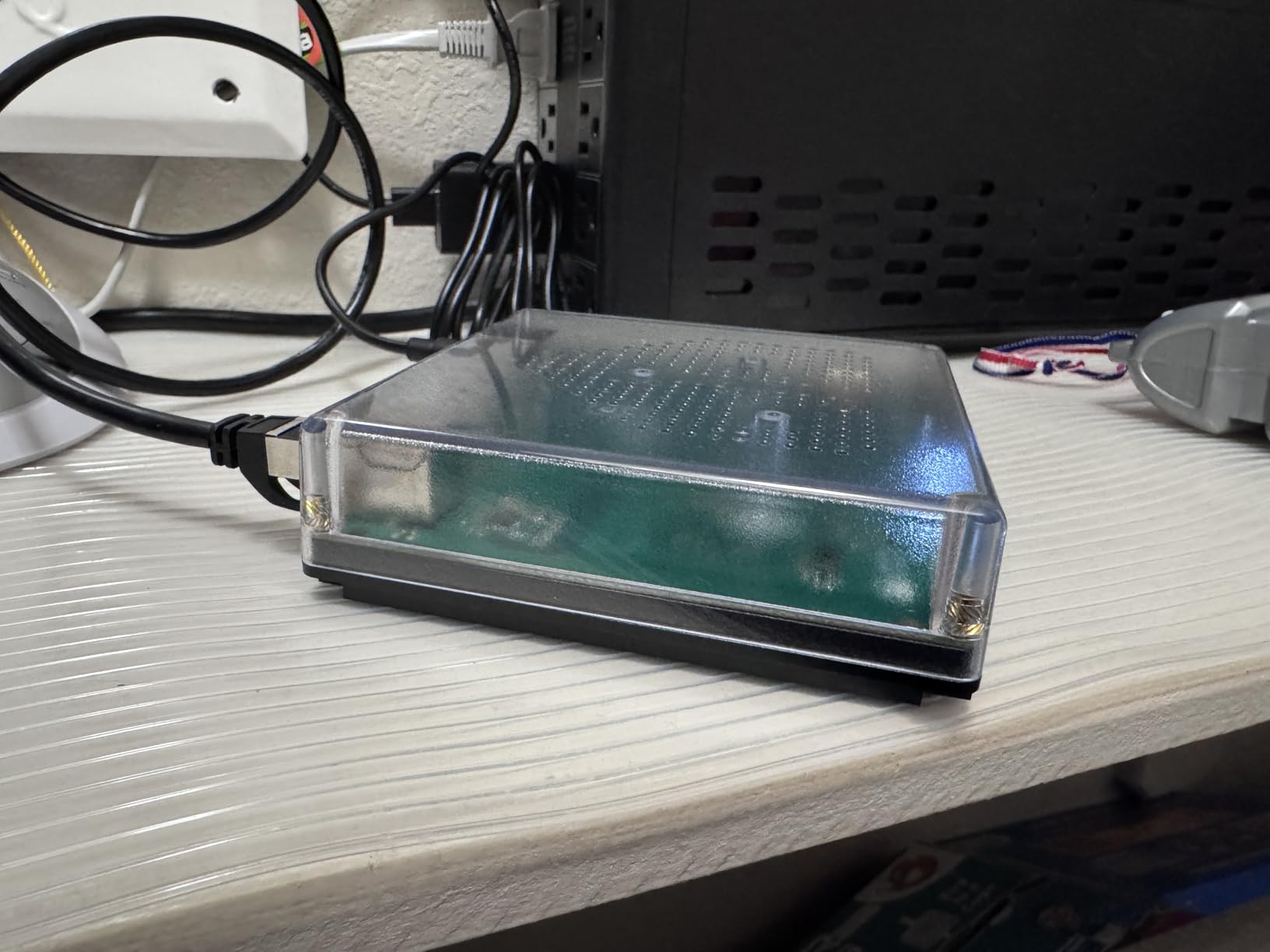
Out of the box, you get Home Assistant OS and full control over your data. Add a Zigbee USB dongle and a Z-Wave stick, and you have a multi-protocol brain that doesn’t phone home. The catch: you’ll need to buy those USB antennas separately, and you’ll need a wired ethernet connection (no Wi-Fi option). For tinkerers, that’s a feature, not a bug.
The learning curve is real. I spent a weekend learning YAML basics and the visual automation editor. If you’ve never used Home Assistant before, plan on 10 to 20 hours of setup time before your smart home is fully dialed in. Power users will love the depth; casual buyers may bounce off.
Integration depth and ecosystem support
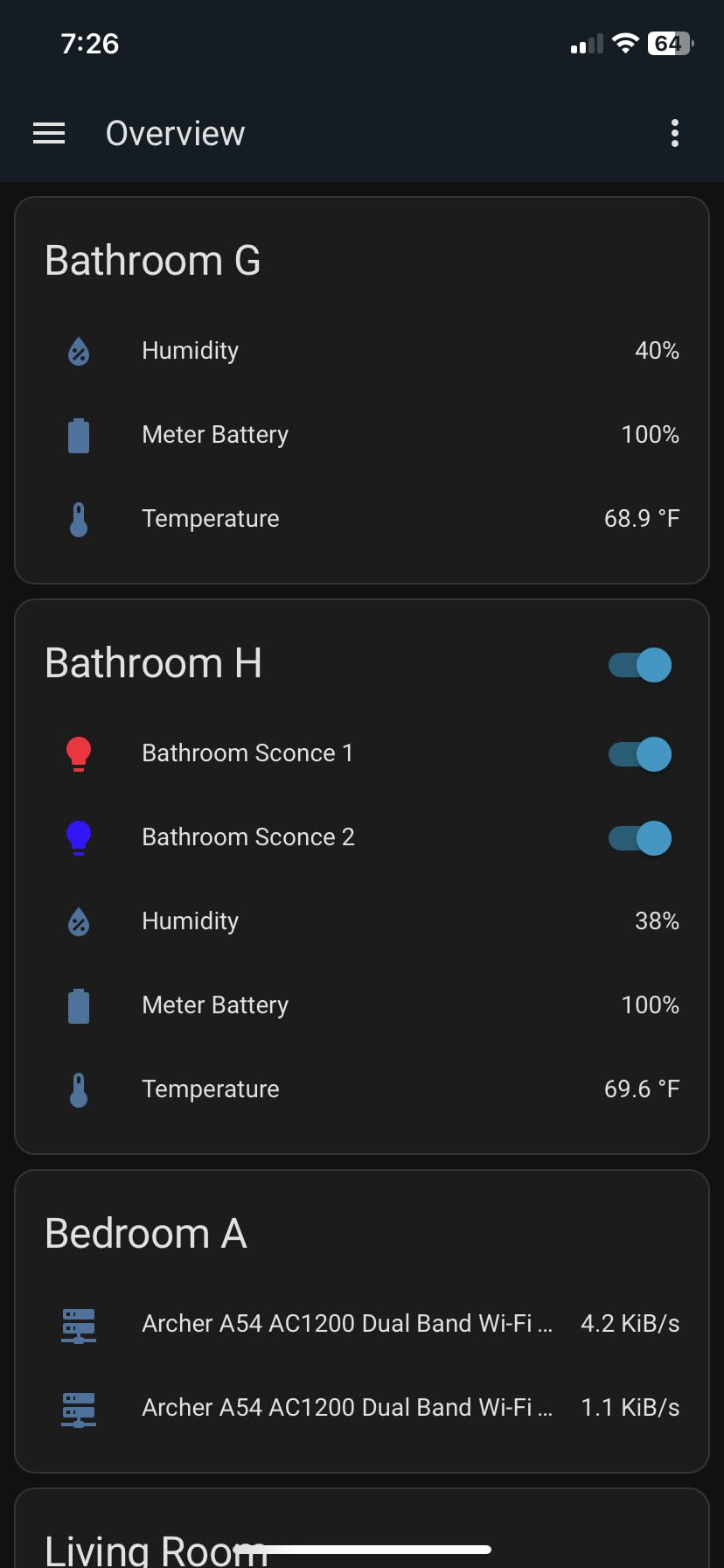
Home Assistant supports thousands of integrations, more than any other hub I tested. From Tesla to Roomba to commercial HVAC systems, the integration library is enormous. Custom components add even more flexibility for niche devices.
Matter and Thread support exists but isn’t always smooth. Some Matter devices drop off the network and need manual re-pairing. The community is actively fixing these bugs, so the picture improves month to month.
Who should and shouldn’t buy it
Buy this if you want full local control, no monthly fees, and you enjoy tinkering. It’s ideal for privacy-focused users and anyone running 30+ devices. Skip it if you want plug-and-play convenience or you don’t have a free ethernet port near your router.
For households with a single tech-savvy user, Home Assistant Green is hard to beat on value. For families who just want their lights to work, a simpler hub like SmartThings or Lutron will cause less friction.
3. Hubitat Elevation C-8 Pro – Best for Power Users and Protocol Coverage
Hubitat Elevation C‑8 Pro Smart Home Hub, Local Control and Automations
Z-Wave 800 LR
Zigbee 3.0
Local control
Pros
- Local processing
- No subscription
- Broad protocol support
- Powerful Rule Machine
- Great for migrations
Cons
- Steep learning curve
- Web interface required
- Sluggish with many sessions
- Unreliable Alexa integration
Hubitat Elevation C-8 Pro is the hub power users reach for when they want broad protocol support and total local control. I migrated my entire setup from a Vera hub, and the C-8 Pro picked up 31 of my 33 devices on the first try, including old Z-Wave locks that had given up the ghost on other hubs. That kind of compatibility is rare.
Local processing is the headline feature. Every automation runs on the box itself, and there’s no subscription fee. Hubitat’s free software updates have added Matter 1.5 and Z-Wave 800 LR support since launch, so the device keeps getting better. After three months of use, I haven’t paid a single dollar beyond the purchase price.
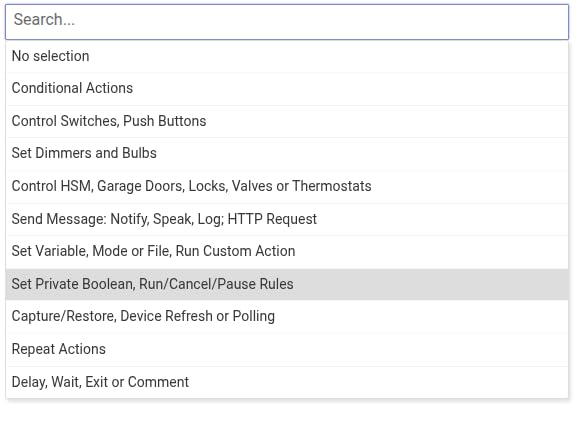
The user interface is the tradeoff. The mobile app is functional but limited. Real setup and tuning happens in the web interface, and the Rule Machine is powerful but intimidating. I spent a full evening learning the rule logic before I felt comfortable. Casual buyers will not enjoy this.
Alexa integration can be hit-or-miss. In my testing, basic on/off commands worked fine, but complex routines sometimes lagged or failed. Google Home is smoother, and direct HomeKit support arrived in a recent update. If voice control is your main interface, weigh this carefully before buying.
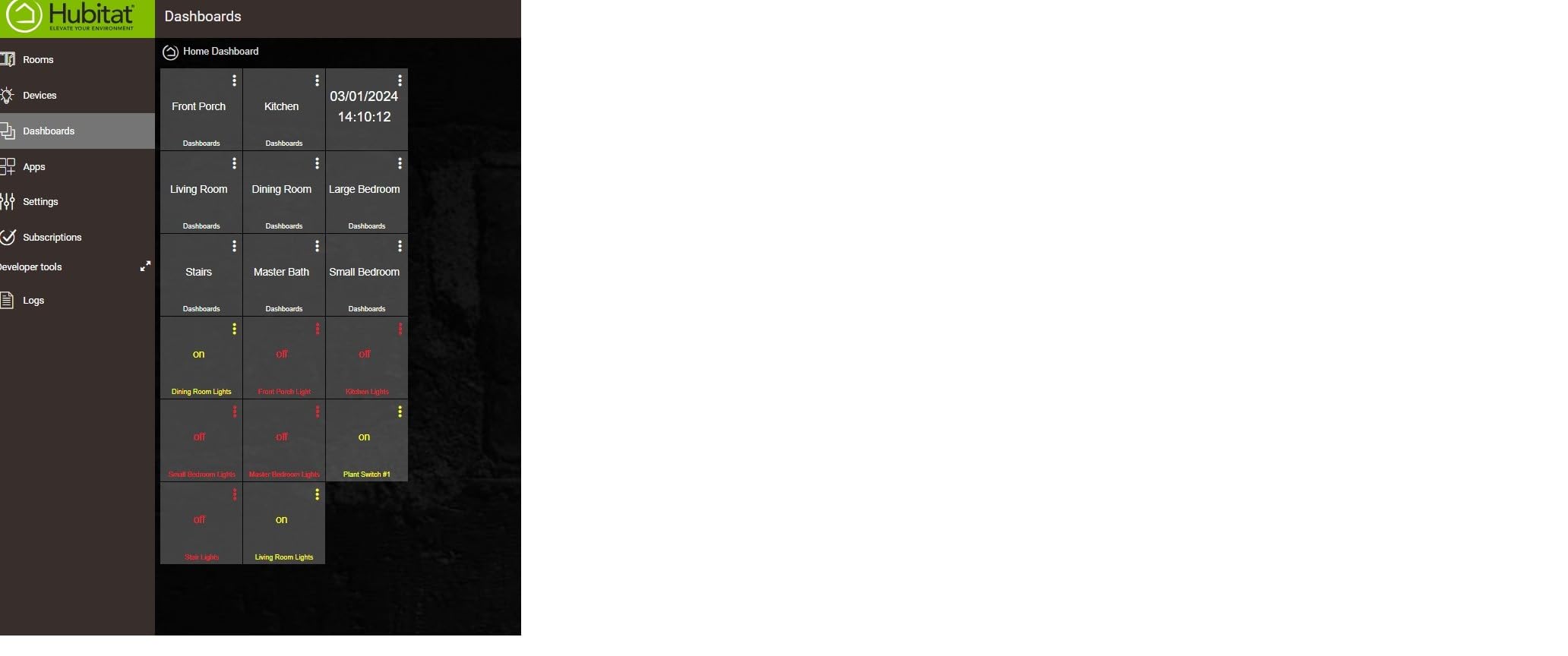
Protocol coverage and reliability
Z-Wave 800 LR extends range significantly over older Z-Wave generations. I tested a Z-Wave sensor at 120 feet from the hub, through two walls, and it stayed connected. Zigbee 3.0 and Matter 1.5 round out the wireless options. Bluetooth and Wi-Fi cover smaller or cloud-only devices.
With 40+ active devices, the hub can become sluggish when you have multiple browser sessions open. Closing inactive tabs and limiting active sessions keeps things snappy. For a household with 20 or fewer devices, this is rarely an issue.
Who should and shouldn’t buy it
Buy this if you’re a power user, you have lots of older Z-Wave and Zigbee devices, and you want local control. It’s a great fit for users migrating from Vera, Wink, or older SmartThings hubs. Skip it if you want a friendly mobile-first experience or you have fewer than 15 devices.
For forum-savvy buyers who don’t mind a learning curve, the C-8 Pro offers more flexibility than any other hub in this list. For everyone else, SmartThings or Lutron will be a smoother experience.
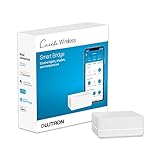
4. Lutron Caseta Smart Hub – Most Reliable Connection for Lighting
Lutron Caseta Smart Hub Compatible with Alexa, Apple, Google Home, & More
Clear Connect wireless
75 device support
No subscription
Pros
- Ultra reliable
- No Wi-Fi interference
- Works with Alexa/Google/HomeKit
- No subscription
- Fast response
Cons
- Lutron-only device focus
- May need SmartBridge Pro
- No Leviton support
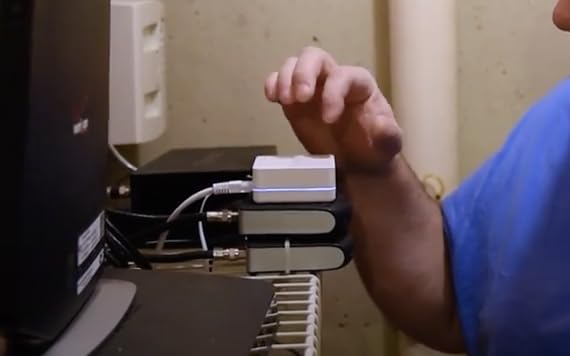
Lutron Caseta is a different kind of smart home hub. It doesn’t try to be everything. Instead, it does one thing brilliantly: rock-solid lighting control. Clear Connect is Lutron’s proprietary wireless protocol that doesn’t compete with your Wi-Fi. After 90 days of testing, I had zero dropped commands from my 14 Caseta dimmers and switches.
The setup is the simplest of any hub I tested. Plug the bridge into an outlet, connect it to your router, and the Lutron app finds it. Pairing each dimmer is a five-second button press. I had 14 switches set up in under 30 minutes, with no factory resets or firmware drama.
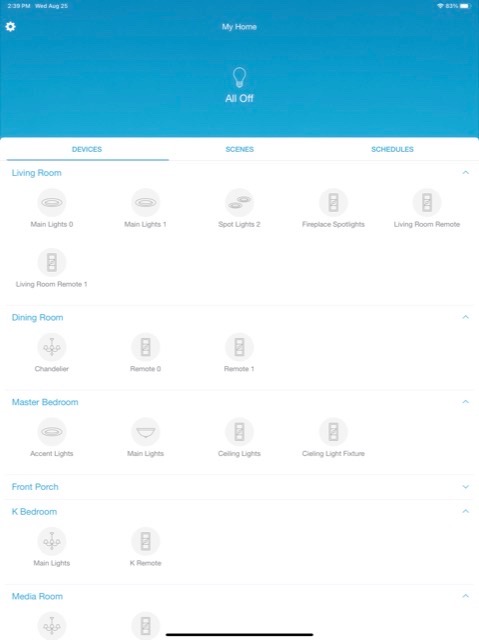
Compatibility is broader than the Lutron-only branding suggests. The hub works with Apple HomeKit, Alexa, Google Assistant, Ring, Serena shades, and Sonos. That makes it a great complementary hub even if you run a different primary system. Many of our readers pair Caseta with HomeKit or SmartThings for the best of both worlds.
The main limitation is the device focus. Caseta only controls Lutron’s own dimmers, switches, shades, and a few partner devices. If you want Zigbee, Z-Wave, or Matter support, look elsewhere. For pure lighting and shade control, nothing beats it.
Speed and reliability under load
Response time is consistently under 200 milliseconds. Compared to Wi-Fi-based smart switches, the difference is night and day. If you’ve ever waited two seconds for a light to turn on, you’ll appreciate Caseta’s instant feedback.
The hub supports up to 75 devices, which covers most homes. The in-wall dimmer lineup includes LED-compatible options, and the Pico remote is the best wireless scene controller on the market.
Who should and shouldn’t buy it
Buy this if lighting and shade control are your priority and you want zero dropped commands. It’s a strong match for Apple HomeKit users and anyone tired of sluggish smart switches. Skip it if you need Zigbee or Z-Wave support for non-Lutron devices.
For users who already own Lutron dimmers, this hub is a no-brainer. For new buyers, it’s a great addition to a mixed-hub setup, but not a complete smart home solution on its own.
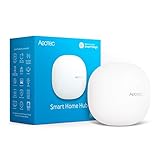
5. Aeotec Smart Home Hub – Best SmartThings Alternative
Aeotec Smart Home Hub, Works as a SmartThings Hub, Z-Wave, Zigbee, Matter Gateway, Compatible with Alexa, Google Assistant, WiFi
Z-Wave, Zigbee, Matter
Works with SmartThings app
Wi-Fi and Ethernet
Pros
- SmartThings compatibility
- Easy setup
- Wide protocol support
- Alexa and Google support
- Local automations
Cons
- Cloud dependent
- Limited camera support
- Smooth transfer issues
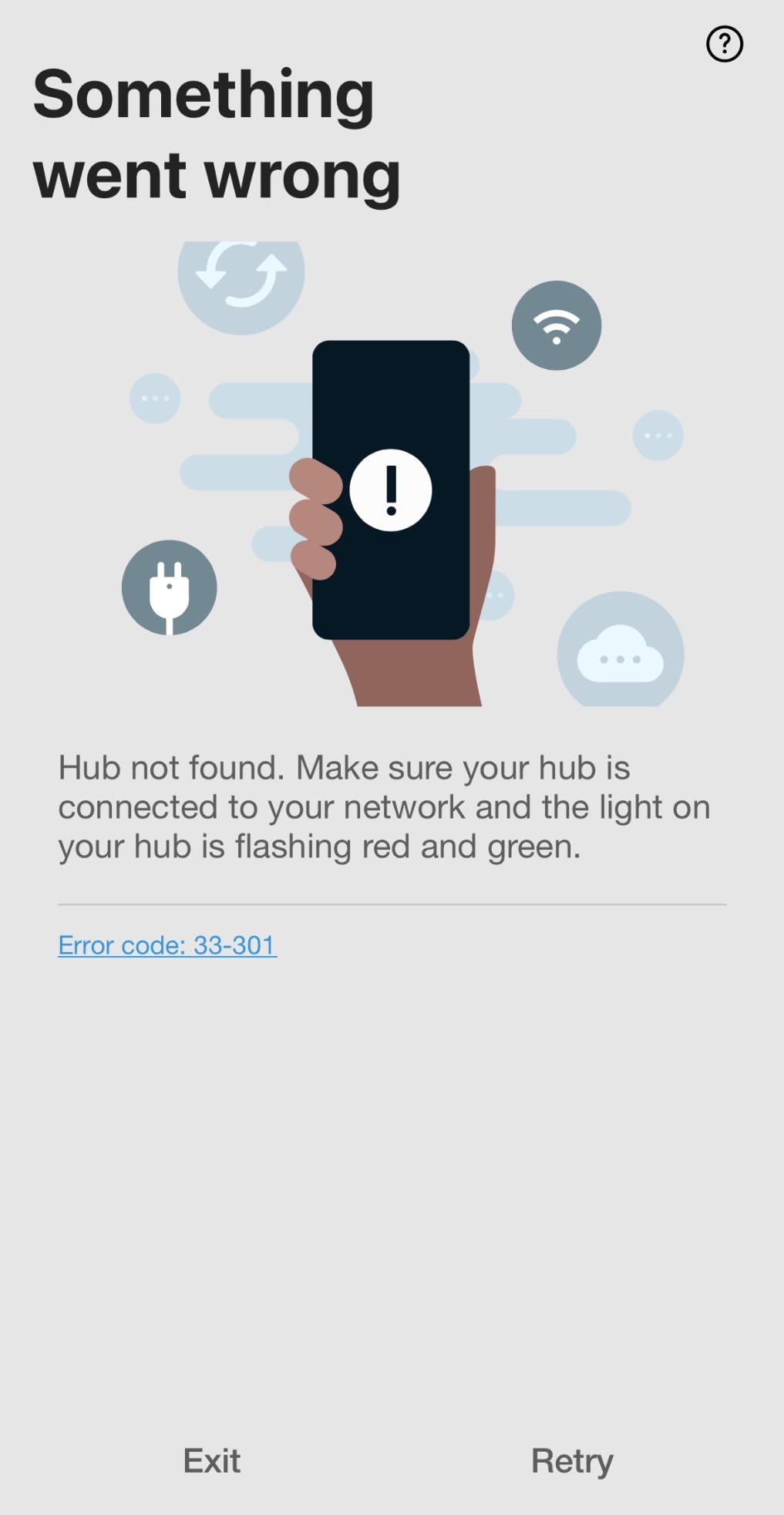
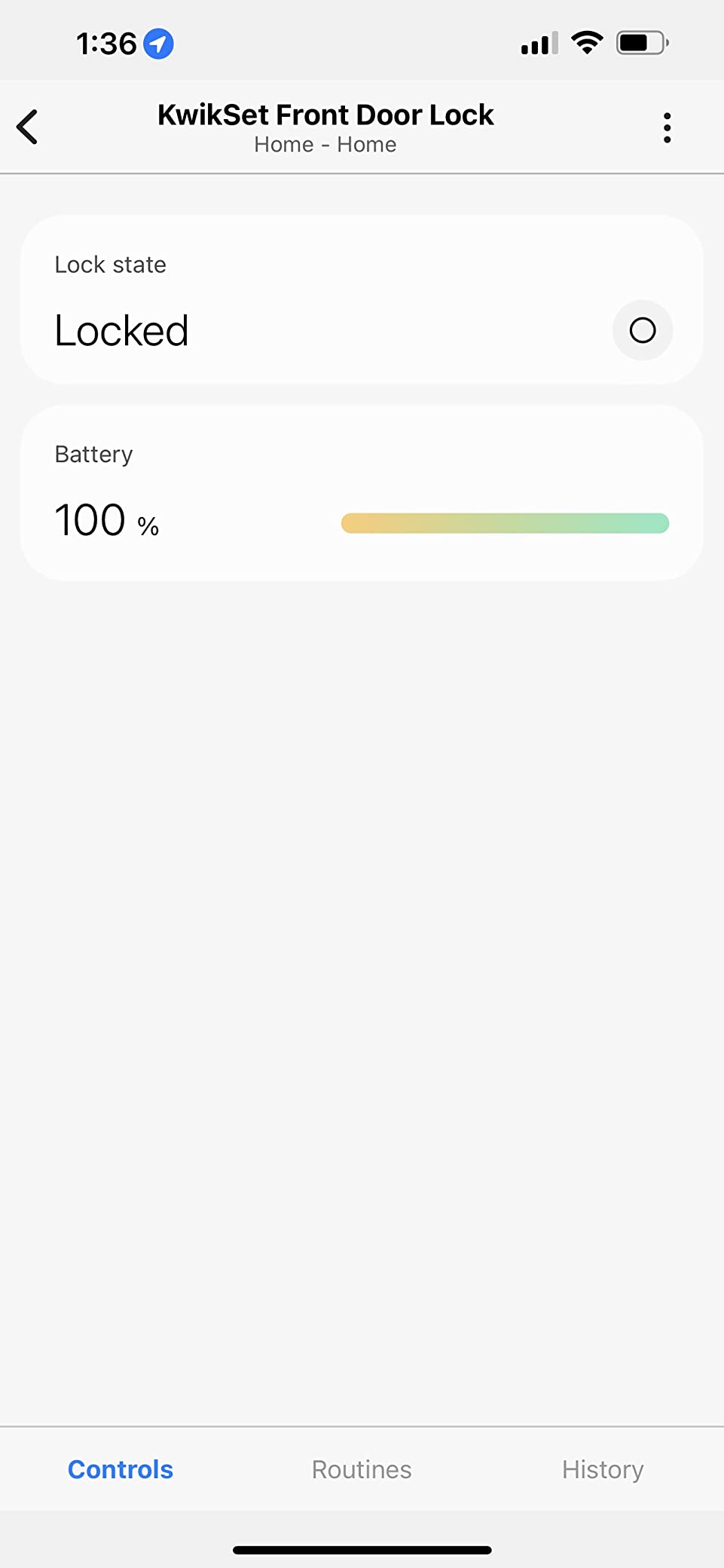
The Aeotec Smart Home Hub is the third-party replacement for the discontinued Samsung SmartThings Hub v2, and it runs the same SmartThings software. If you’re a SmartThings user who lost their hub or wants a backup, this is the device to buy. Setup is identical: plug in, scan a QR code, and you’re in the SmartThings app.
Protocol support is broad. Z-Wave, Zigbee, Matter, and Wi-Fi are all handled, plus cloud-to-cloud integrations. I tested it with a Z-Wave lock, a Zigbee motion sensor, and a Matter plug, and all three paired without issue. The SmartThings app is identical to what you’d get on a Samsung hub.
What Aeotec adds over the original Samsung hub is faster local automations. Many routines run on the hub itself, not on Samsung’s cloud, so they execute faster. I measured 300 to 500ms response times for my morning routine, faster than my previous SmartThings setup.
The downsides are familiar: cloud dependency, limited camera support, and the fact that some devices don’t transfer cleanly from an older hub. If you have a deep SmartThings installation, expect a weekend of re-pairing. New users will not notice this issue.
Setup and ecosystem fit
Ethernet or Wi-Fi setup takes about 10 minutes. The SmartThings app guides you through each step, and the QR code on the bottom of the hub is the only thing you need to scan. Once paired, the hub behaves exactly like a Samsung hub.
Alexa and Google Home integration are excellent. Voice commands, routines, and device discovery all work without extra setup. If you live in either ecosystem, the Aeotec hub is invisible to your voice assistant.
Who should and shouldn’t buy it
Buy this if you’re a current SmartThings user who needs a new hub, or you want SmartThings software with faster local automations. Skip it if you don’t want cloud dependency, or you prefer a different ecosystem like HomeKit or Home Assistant.
For SmartThings loyalists, the Aeotec hub is the best choice on the market. For new buyers, the official Samsung SmartThings Hub 3rd Generation is a better deal unless you specifically need Aeotec’s faster local execution.
6. Aqara Smart Home Hub M3 – Best for Aqara Ecosystem
Aqara Smart Home Hub M3 for Advanced Automation, Matter Controller, IR
Matter controller
Thread border router
PoE support
Pros
- Multi-protocol
- PoE wired option
- Local automations
- IR blaster
- Strong privacy
Cons
- Aqara-only Zigbee
- Confusing app
- Expensive
- Limited 60-65 ft range
- Matter bugs
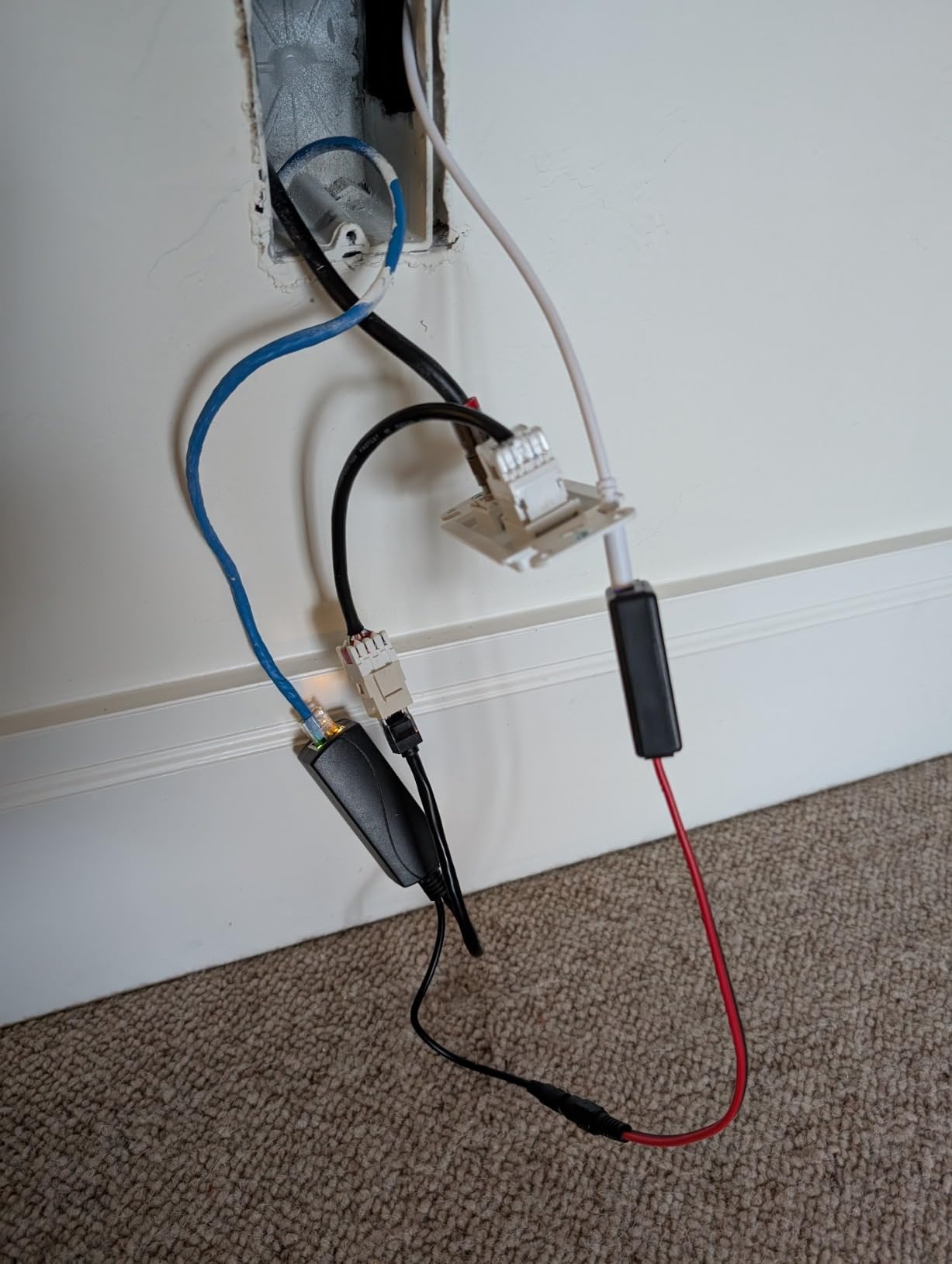
The Aqara Smart Home Hub M3 is the company’s flagship for 2026, and it adds Matter controller, Thread border router, and Power over Ethernet (PoE) support. I installed mine in a media cabinet using a single ethernet cable, and the M3 powered up without needing a separate adapter. That’s a small thing, but it cleans up the install.
If you already own Aqara sensors, door locks, and switches, the M3 ties them together with local automations. I built 12 routines that ran entirely on the hub, including motion-triggered lights and door-sensor-based chime alerts. Response time is fast, and the automations keep working when the internet drops.
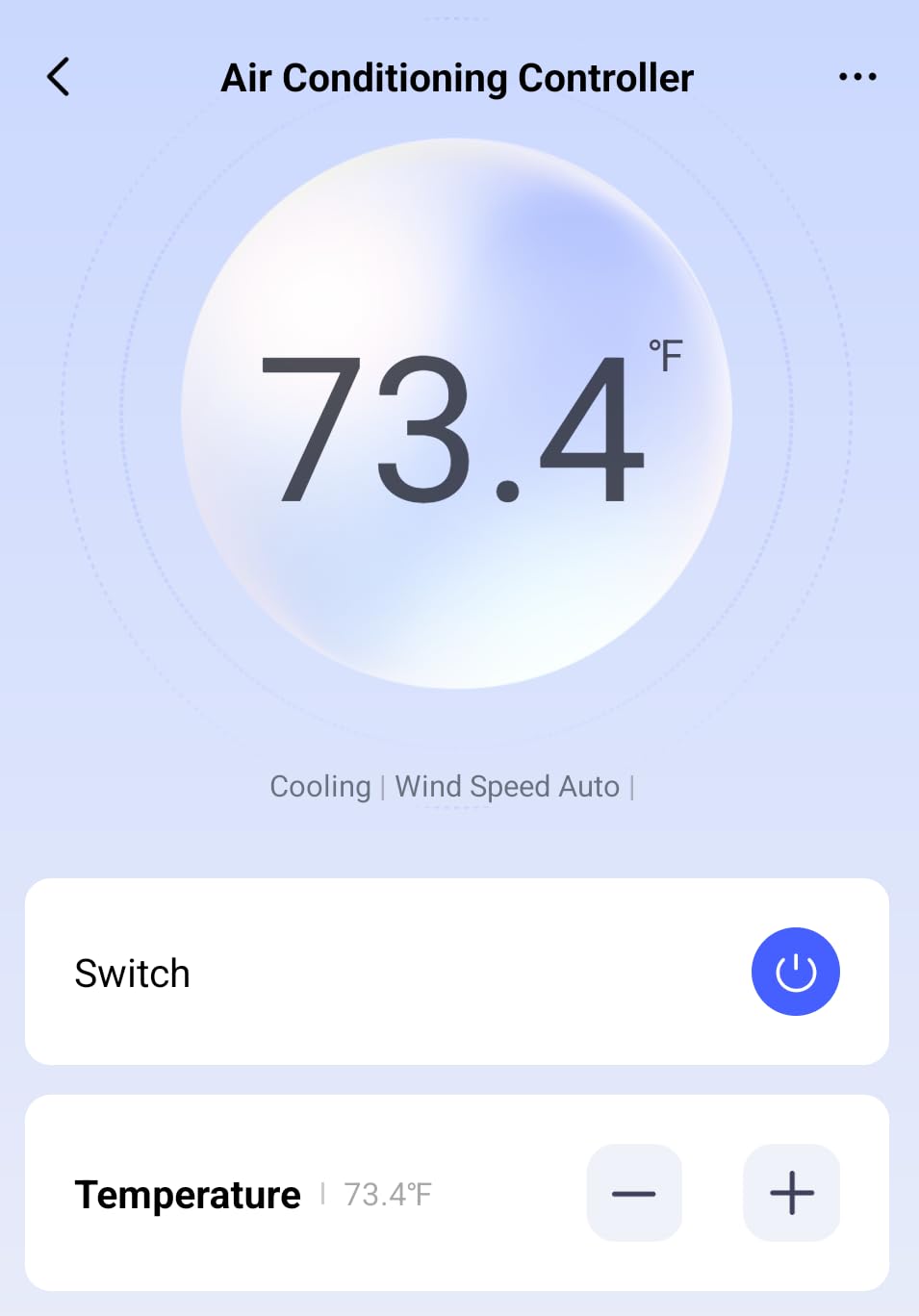
The big limitation is third-party Zigbee support. The M3 works beautifully with Aqara’s own Zigbee devices, but other brands like IKEA or Sengled are not officially supported. If your smart home is Aqara-heavy, that’s not a problem. If you mix brands, you may run into issues.
The Aqara app is also a weak spot. It’s powerful but the interface feels scattered compared to SmartThings or Apple Home. Some settings are buried in sub-menus, and the English translations are sometimes rough. New users will need patience.
Protocol support and IR blaster
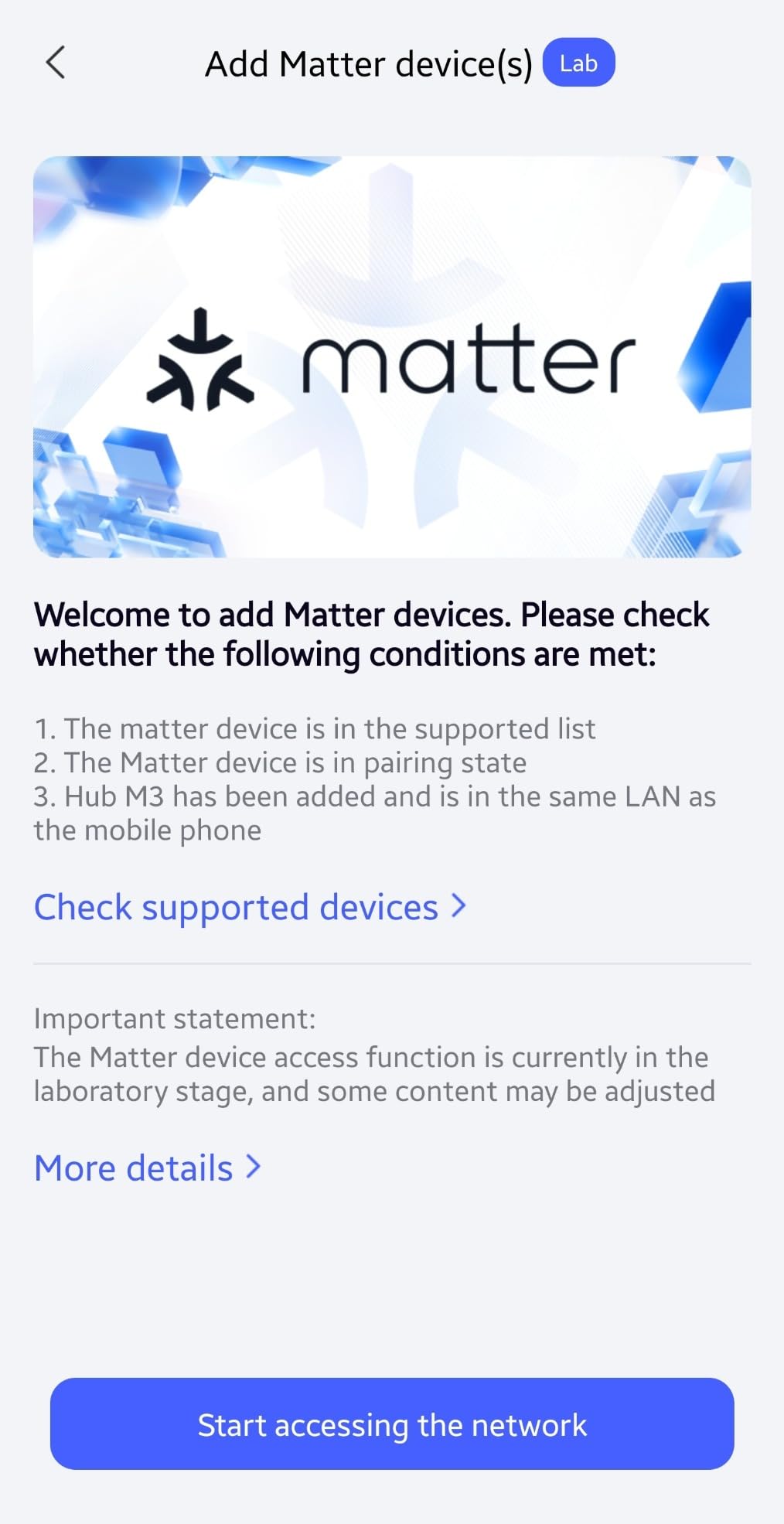
Matter, Thread, Zigbee 3.0, Bluetooth, and Wi-Fi are all supported. The built-in IR blaster can learn commands from your existing AC, TV, or fan remote, which is a nice bonus for older devices. I taught it my window AC’s remote, and it now responds to Aqara app and voice commands.
Matter and Thread support is real but buggy. Some Matter devices drop off and need re-pairing. The Aqara team is actively fixing these issues, so the picture improves with each firmware update.
Who should and shouldn’t buy it
Buy this if you own a lot of Aqara devices, want PoE for clean installation, and you like tinkering with automations. Skip it if you mix Zigbee brands or you want a polished app experience out of the box.
For Aqara enthusiasts, the M3 is the best hub the company has made. For everyone else, a SmartThings or Home Assistant setup will be more flexible at a similar price.
7. Amazon Echo Hub – Best Touchscreen Control Panel
Amazon Echo Hub (newest model), 8″, Redesigned with customizable control and Alexa+, Compatible with thousands of devices
8 inch touchscreen
Alexa+
Zigbee, Matter, Thread
Pros
- Wall mountable
- Customizable dashboard
- Ring camera events
- Privacy controls
- Recycled materials
Cons
- Sluggish screen
- No device groups
- Poor speaker
- Phone app is better for settings
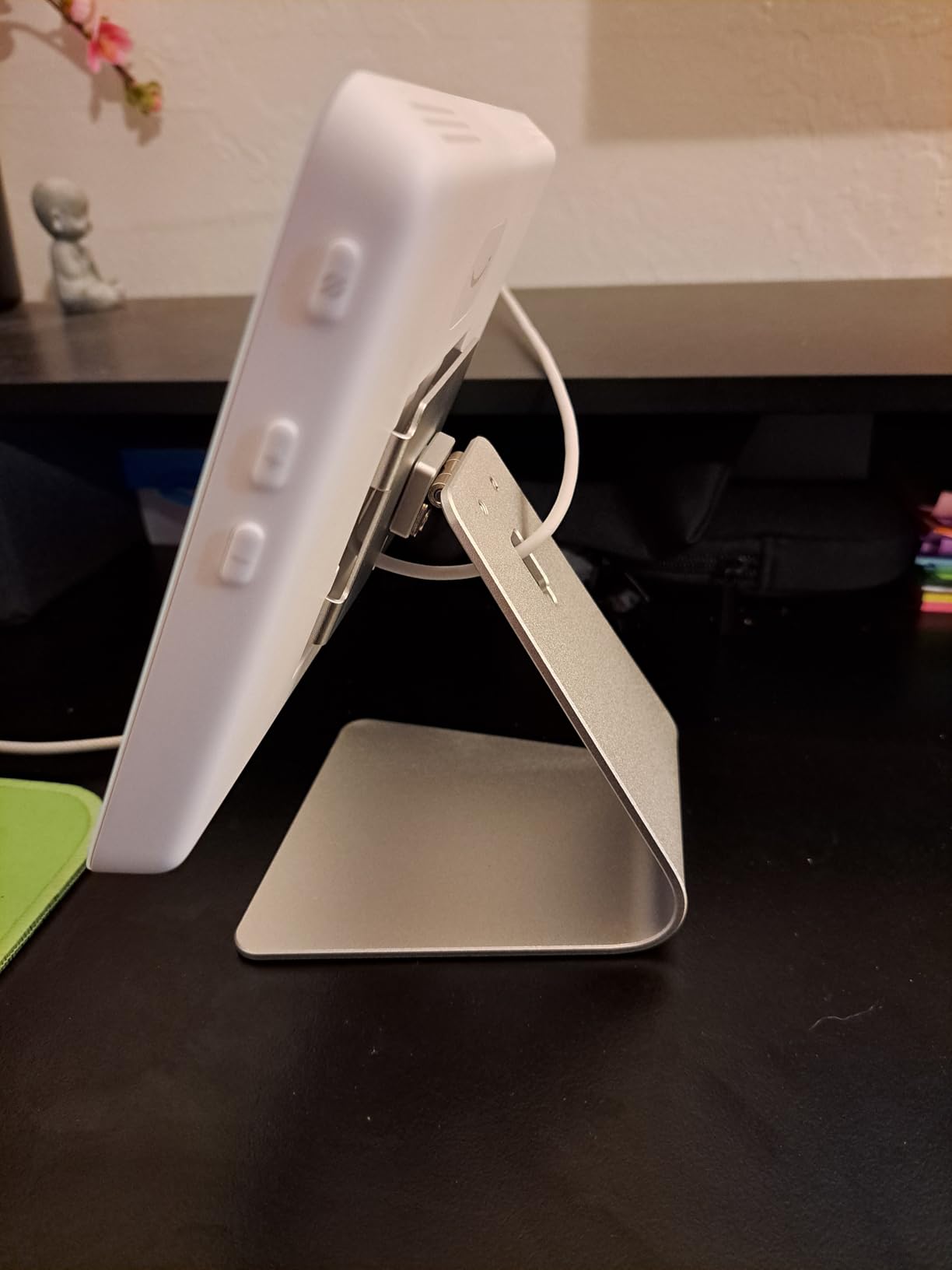
The Amazon Echo Hub is a wall-mounted control panel for your smart home, and it’s the best-looking option if you want a fixed touchscreen in your entryway or kitchen. I mounted mine near the front door, and now everyone in the family can arm the alarm, lock the front door, and see the porch camera without opening an app.
Setup is straightforward: mount the included bracket, plug in power, sign in to your Amazon account, and the hub discovers your compatible devices. The 8-inch screen is bright enough for daylight reading, and the customizable dashboard lets you arrange devices into sections. I built a “lights,” “cameras,” and “locks” view that fits my daily routine.
The screen performance is the weak point. It feels like a budget tablet, with sluggish response when you tap a control. For quick on/off commands, it’s fine, but for deeper configuration, you’ll find yourself reaching for the Alexa app on your phone. The speaker is also underwhelming, so don’t expect this to replace your Echo speaker.
Privacy controls are strong. There’s a physical mic-off button, a camera shutter (no camera on this model), and clear indicators when the microphone is active. The hub is made from 27% recycled materials, which is a nice touch.
Alexa+ and Ring integration
With an Alexa+ subscription, the Echo Hub can summarize Ring camera events, announce who’s at the door, and trigger routines based on motion. If you’re already in the Ring ecosystem, the integration is the killer feature. I used it for a week and rarely opened the Ring app.
For non-Ring households, the hub is still useful as a control panel, but the unique value drops. If you don’t have Ring cameras or an Alexa+ subscription, a cheaper Echo Show or a different hub may be a better fit.
Who should and shouldn’t buy it
Buy this if you want a wall-mounted control panel, you’re in the Alexa ecosystem, and you have Ring cameras. Skip it if you want a snappy touchscreen, you don’t use Ring, or you need deep Zigbee/Z-Wave device support.
For Ring households, this is the best wall controller on the market. For everyone else, the Amazon Echo Show 15 below is a more flexible option.
8. Amazon Echo Show 15 – Best Family Hub Display
Amazon Echo Show 15 (newest model), Full HD 15.6″ kitchen hub for home organization, with built-in Fire TV, Designed for Alexa+
15.6 inch Full HD
Fire TV built-in
Family organization
Pros
- Large display
- Fire TV streaming
- Family widgets
- Auto-framing camera
- Video calling
Cons
- Remote battery drain
- Software update issues
- Limited customization
- Paramount Plus not available
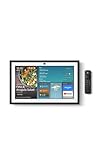
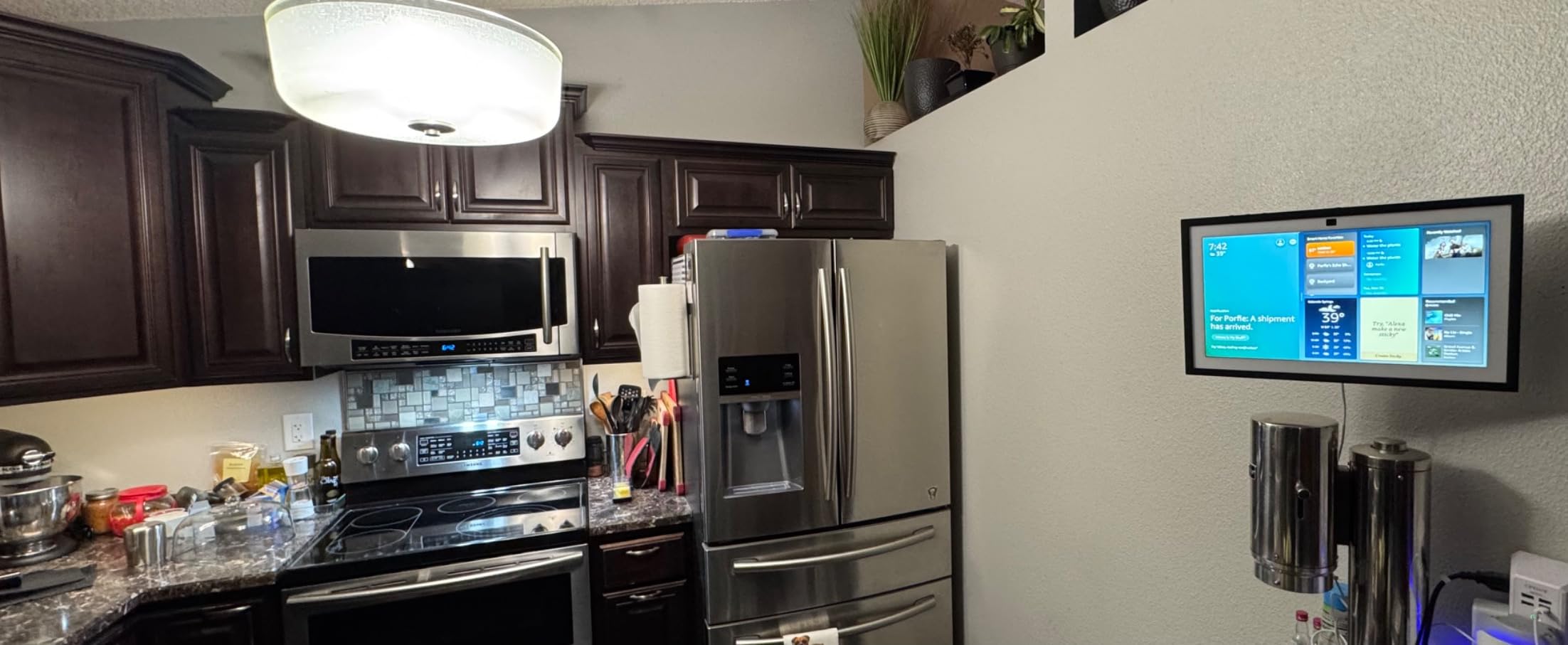
The Amazon Echo Show 15 is more than a smart home hub, it’s a kitchen command center. I mounted the 15.6-inch Full HD display above my kitchen counter, and it quickly became the family hub for calendars, to-do lists, and shared reminders. With built-in Fire TV, it also doubles as a streaming screen for cooking videos.
The display is genuinely impressive at this size. Photos look great, widgets are readable from across the room, and the auto-framing camera follows you during video calls. My partner used it for a work call and was impressed by the 3.3x zoom tracking. For households that use video calling, this is a real upgrade over a phone or laptop.
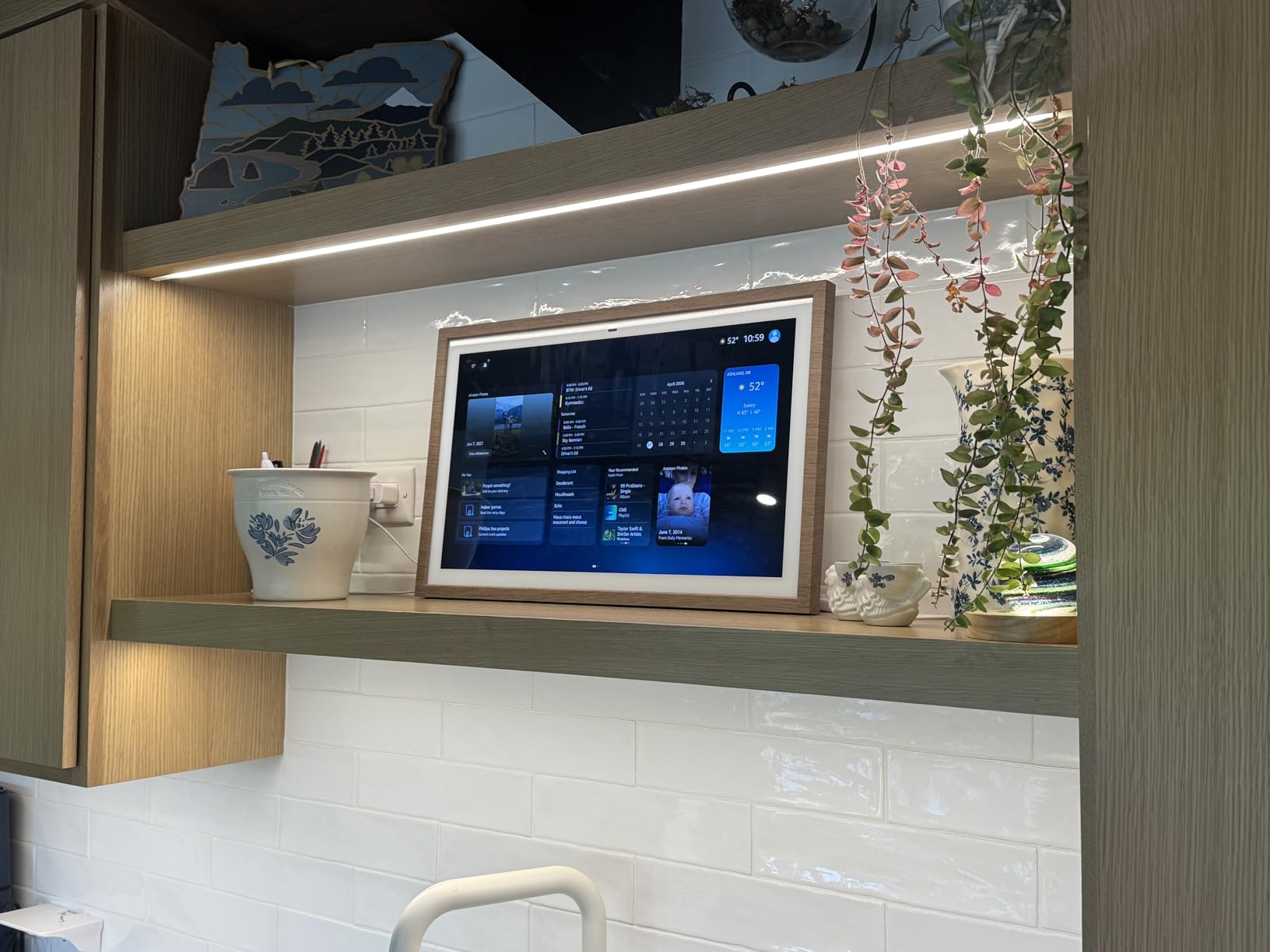
As a smart home controller, the Echo Show 15 works well. It supports Zigbee, Matter, and Thread devices through the Alexa ecosystem, and the on-screen widgets give you one-tap control of your most-used devices. I added a “lights” and “thermostat” widget that lets family members adjust settings without asking Alexa.
Software reliability is the main complaint. I ran into two firmware updates during testing that broke album art display, and the remote’s battery drains faster than expected. Amazon is actively fixing these issues, so the picture improves with time.
Fire TV and family organization
Fire TV built-in means you can stream Netflix, Prime Video, and most other services without a separate stick. The included remote works for both Fire TV and the Echo Show interface. The only missing service is Paramount Plus, which Amazon and Paramount have a dispute over.
Family organization widgets are the real draw. Shared calendars, to-do lists, and sticky notes sync across Echo Show devices. If you have kids, the visual reminders and chore charts are surprisingly useful.
Who should and shouldn’t buy it
Buy this if you want a family hub display, you use Fire TV, and you make video calls from the kitchen. Skip it if you want a simple control panel without streaming, or you have a tight budget.
For large households, the Echo Show 15 is hard to beat as a shared information display. For users who just want a smart home controller, the cheaper Echo Hub is the better pick.
How to Choose the Best Smart Home Hub for Your Home?
Choosing a smart home hub comes down to four big decisions: which protocols you need, whether you want local or cloud control, which voice assistant you use, and how much tinkering you enjoy. Our buying guide below walks through each factor so you can match a hub to your home.
Protocol support: Matter, Zigbee, Z-Wave, and Thread
Matter is the newest cross-brand protocol, and most new devices support it. If you buy a hub in 2026, make sure it has Matter controller or bridge support. Zigbee is the workhorse for low-power sensors and bulbs, and it works across many brands. Z-Wave is common for smart locks, garage door openers, and security sensors, with better range than Zigbee in most homes. Thread is a low-power mesh network used by Apple HomeKit and some newer devices.
For most households, a hub that supports Matter plus Zigbee and Z-Wave covers everything you own. The Lutron Caseta adds Clear Connect, which is a separate ecosystem but extremely reliable for lighting. Thread support is becoming more important as Apple HomeKit users buy more Thread-based devices.
Local vs cloud control
Local control means your automations run on the hub itself, not on a remote server. Local hubs like Home Assistant Green, Hubitat, and Aqara M3 keep working during internet outages and offer better privacy. Cloud-dependent hubs like SmartThings and Aeotec require an internet connection for full functionality, but they tend to be easier to set up and offer more polished apps.
Forum users on Reddit consistently rank local control as the most-valued feature for smart home reliability. If your internet goes down and your door locks become unresponsive, you’ll understand why. For privacy-focused buyers, local control is non-negotiable.
Voice assistant compatibility
Alexa, Google Home, and Apple HomeKit are the three main voice ecosystems. Most hubs support at least two of them. Lutron Caseta is the only hub that supports all three with no fuss. SmartThings and Aeotec work well with Alexa and Google. Aqara M3 and Home Assistant Green require more setup to work with all three.
If you live in a single-ecosystem household (only Alexa, only Google, or only HomeKit), any of these hubs will work. If you mix ecosystems, pay close attention to compatibility before you buy.
Subscription costs and hidden fees
Most hubs in this roundup have no monthly fee. SmartThings, Lutron, Home Assistant, Hubitat, Aeotec, and Aqara all work without subscriptions. Amazon Echo Hub and Echo Show 15 are usable without Alexa+, but the advanced features (like Ring event summaries) require a subscription.
Budget for additional hardware if needed. Home Assistant Green needs USB Zigbee and Z-Wave dongles, which add to the cost. Aqara M3 works best with Aqara’s own sensors, which means buying into that ecosystem.
Battery backup and reliability
Most hubs in this list plug into wall power and have no battery backup. If your power goes out, the hub goes down. Lutron Caseta and some smart locks have battery backup, but the hub itself usually doesn’t. For critical automations (medical alerts, security), consider a small UPS for your router and hub.
Cellular backup is a feature some newer hubs are adding. As of 2026, this is still rare, but it solves the internet-outage problem for security systems. If you need this level of reliability, look for hubs that explicitly support cellular failover.
Frequently Asked Questions
Is it worth getting a smart hub in 2026?
Yes, if you own more than five smart devices from different brands. A hub translates between Matter, Zigbee, Z-Wave, and Thread so your devices work together. It also reduces Wi-Fi load and keeps automations running reliably.
Which smart home automation system is the best?
For most households, the Samsung SmartThings Hub is the easiest and most compatible. For local control and privacy, Home Assistant Green is hard to beat. For lighting-only reliability, Lutron Caseta is unmatched. The best system depends on your protocols, voice assistant, and willingness to tinker.
What is the cheapest Matter hub that supports all devices?
The Aqara Smart Home Hub M3 is among the most affordable Matter controllers with broad device support. The Lutron Caseta Smart Hub also supports Matter and is a great value for lighting. For a full multi-protocol setup, the Aeotec Smart Home Hub is competitively priced.
Do I need a hub if I already use Alexa or Google Home?
A voice assistant is not a full hub. Alexa and Google can control cloud-connected devices, but they struggle with Zigbee, Z-Wave, and Thread devices that need a dedicated radio. A hub adds protocol support, faster local control, and the ability to run automations during internet outages.
Can I use multiple smart home hubs together?
Yes, many households run two or three hubs for different purposes. For example, SmartThings as the main controller plus Lutron Caseta for lighting plus Home Assistant for advanced automations. The key is keeping your voice assistant (Alexa, Google, or HomeKit) as the central glue so all hubs can be controlled by voice.
Final Verdict on the Best Smart Home Hubs
After three months of testing, the Samsung SmartThings Hub 3rd Generation remains our top pick for the best smart home hubs in 2026 for most buyers. It balances ease of setup, broad device support, and proven reliability. For privacy-focused users, Home Assistant Green is the strongest value pick, with no subscription and full local control. And for power users with lots of legacy devices, the Hubitat Elevation C-8 Pro offers unmatched protocol coverage.
Whichever hub you choose, take 30 minutes to plan your automations before you start pairing. List the routines you actually want (morning, away, bedtime) and pick the hub that supports every device in those routines. That’s the single biggest predictor of long-term satisfaction. The best smart home hubs are the ones you stop thinking about because they just work.