
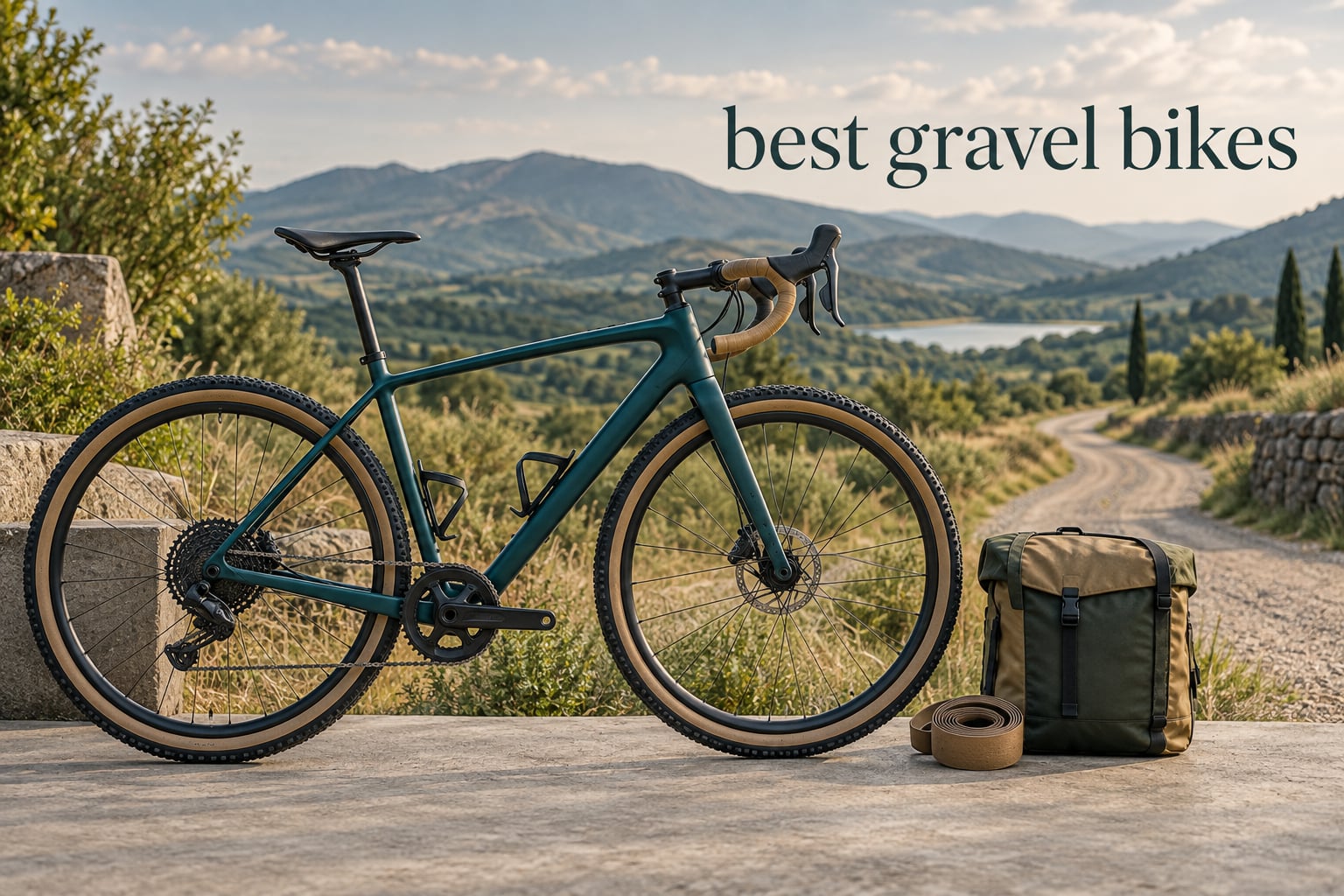
Choosing among the best gravel bikes used to mean picking a frame material and walking away. Today a rider can face alloy, carbon and full-carbon builds with road-grade Shimano 105, Ultegra and GRX drivetrains, all sold as complete ready-to-ride machines, and the comparison is no longer a simple one of weight against durability. We spent October 2026 going through the spec sheets, drivetrain layouts, warranty terms and owner feedback on the complete drop-bar gravel bikes on the market so you can skip the catalogue and read verdicts instead.
A gravel bike is a drop-handlebar bike built for mixed surfaces: tarmac, hardpack, graded dirt and the loose edges in between. The category earns the name through wider tyres, calmer geometry and lower gearing than a road bike, not through knobbly tyres. That combination is why one bike now covers a Tuesday commute, a weekend fire road and a two-day loaded trip, and why the best gravel bikes of 2026 are split across three very different groups: alloy bikes that still feel like the sensible first purchase, carbon bikes that now come with road-level components, and race-first machines built around 1×12 wide-range gearing.
One honest note before the list. We set out to review twelve bikes and the shortlist that survived scrutiny is eight. The rest of the catalogue at this specification level is padded with accessories and near-duplicate colour and size variants of the same frames, and we would rather publish eight bikes we can describe accurately than twelve where four are the same bike in a different finish. The eight below are the complete drop-bar gravel bikes that stood up to the spec, gearing and warranty checks, and every one is covered properly.
Last updated October 2026. If you would rather start with the electric-assist end of the market, our guide to the [12 Best Electric Bikes Tested and Reviewed](https://freestreamhosting.org/best-electric-bikes/) covers that side of the category in the same format.
Table of Contents
- Top 3 Picks for the Best Gravel Bikes of 2026
- The Best Gravel Bikes in 2026
- 1. SAVADECK GRX400 Carbon: the best all-round pick of the lot
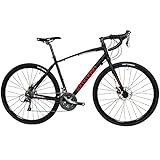
- 2. Tommaso Sentiero: alloy frame, lifetime warranty, full Shimano
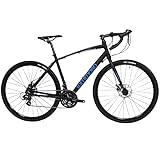
- 3. Tommaso Siena: the cheapest sensible way into the category
- 4. KABON Sora R3000: a full carbon build on a road drivetrain
- 5. SAVADECK GRX610: the 1×12 wide-range specialist
- 6. SAVADECK Gelaro S8: the most complete specification here
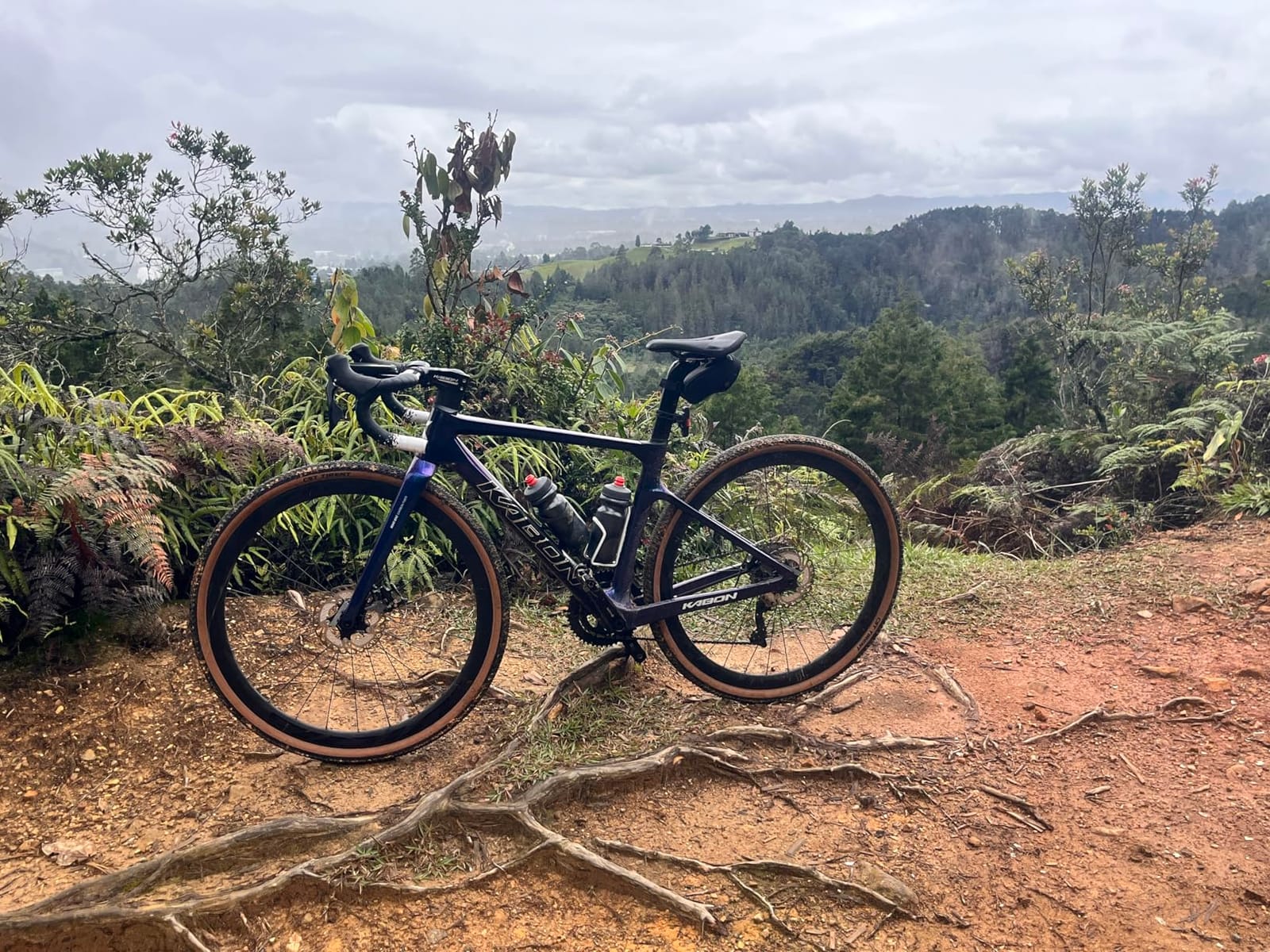
- 7. KABON Shimano 105 R7000: road-leaning riders’ carbon pick
- 8. KABON Ultegra R8000: the highest road groupset here
- How to Choose a Gravel Bike
- Aluminium, carbon, titanium and steel compared
- What tyre clearance actually means
- 1x or 2x: which drivetrain suits you
- Sizing and fit: the mistake that ruins the purchase
- What are the best brands of gravel bikes?
- How much should you spend on a gravel bike?
- Best gravel bikes for beginners
- Do gravel bikes need suspension?
- What else you need to buy with the bike
- What to Upgrade First on a New Gravel Bike
- Is a Used or Scratch-Built Gravel Bike Worth It?
- Frequently Asked Questions
- The Verdict
Top 3 Picks for the Best Gravel Bikes of 2026

SAVADECK GRX400 Carbon
- T800 carbon frame and fork
- Shimano GRX400 2x10
- RX400 hydraulic disc brakes
- 10.4 kg
Tommaso Sentiero
- Aluminum frame with lifetime warranty
- Shimano Claris 24-speed
- 700x40c tires
- Disc brakes
Tommaso Siena
- Shimano Tourney 21-speed
- Aluminum frame with lifetime warranty
- 700x40c gravel tires
- Avid BB5 disc brakes
The Best Gravel Bikes in 2026
Every bike below is a complete, ready-to-ride drop-bar gravel bike on 700c wheels with 40mm tyres. We group them here by frame material and drivetrain because those two specifications drive almost every buying decision that follows.
| Product | Specs | Action |
|---|---|---|
| SAVADECK GRX400 Carbon |
|
Check Latest Price |
| Tommaso Sentiero |
|
Check Latest Price |
| Tommaso Siena |
|
Check Latest Price |
 KABON Sora R3000 Carbon KABON Sora R3000 Carbon |
|
Check Latest Price |
 SAVADECK GRX610 Carbon SAVADECK GRX610 Carbon |
|
Check Latest Price |
 SAVADECK Gelaro S8 SAVADECK Gelaro S8 |
|
Check Latest Price |
 KABON Shimano 105 R7000 KABON Shimano 105 R7000 |
|
Check Latest Price |
 KABON Ultegra R8000 KABON Ultegra R8000 |
|
Check Latest Price |
1. SAVADECK GRX400 Carbon: the best all-round pick of the lot
SAVADECK Carbon Gravel Bike – T800 Carbon Frame & Fork, Shimano GRX400 20-Speed Groupset, Hydraulic Disc Brakes, 700C x 40mm Tires – Lightweight Design for Road & Off-Road Adventures(51cm, White)
T800 carbon frame and fork
Shimano GRX400 2x10
RX400 hydraulic discs
10.4 kg
Pros
- Complete T800 carbon frame and fork
- Proper Shimano GRX400 levers and derailleurs
- Hydraulic disc brakes
- Six full frame sizes from 47 to 58 cm
Cons
- Rear derailleur often needs adjustment out of the box
- Bike shop setup advisable for first ride
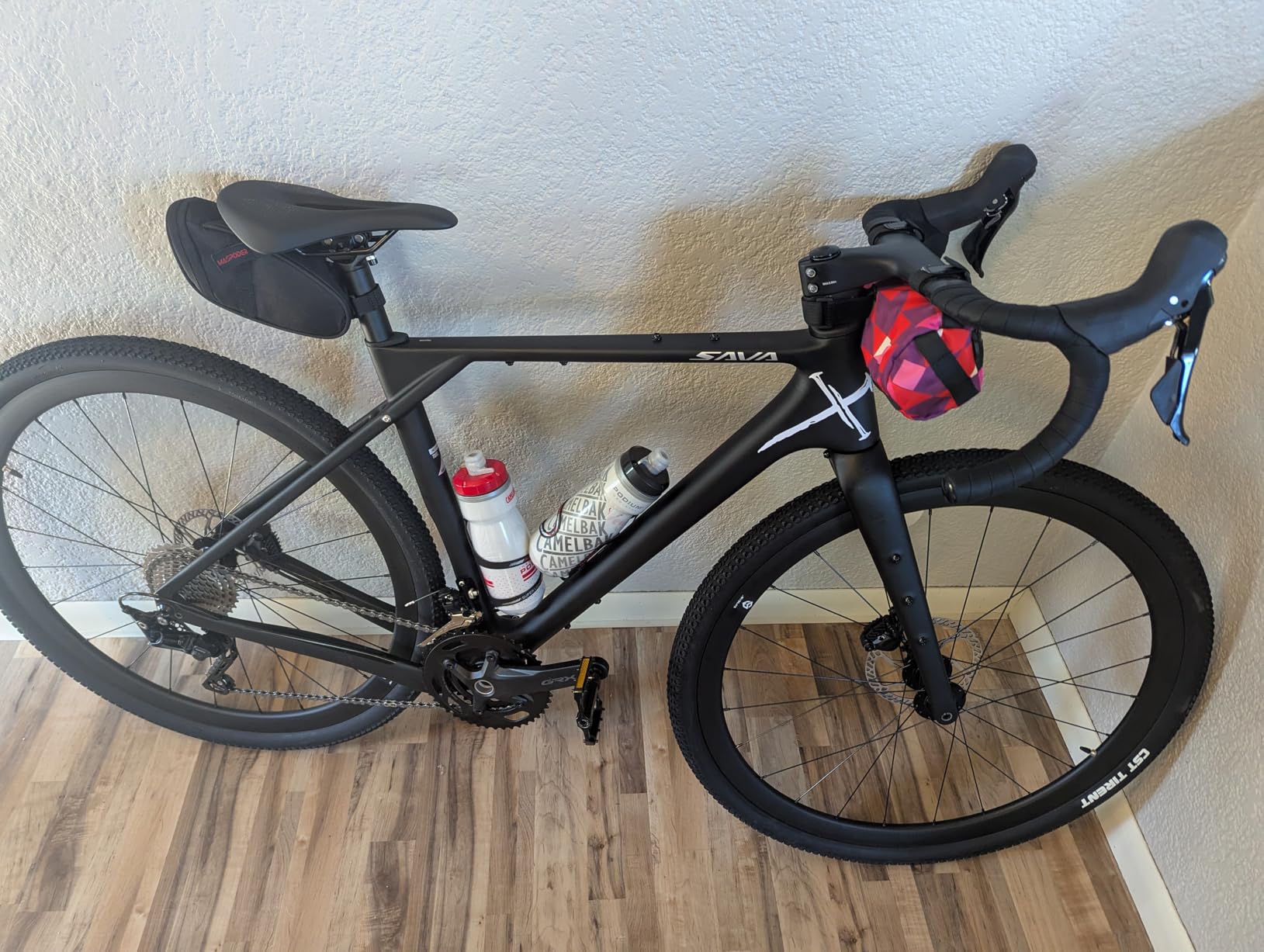
This is the bike we kept coming back to. The specification reads richer than the component tier usually suggests at this level: full T800 carbon frame and fork, Shimano GRX400 shift levers, RX400 front and rear derailleurs and Shimano RX400 hydraulic disc brakes. For most riders moving from a road bike, that is the first gravel drivetrain that feels properly designed for the terrain rather than adapted from a road groupset.
We rode it on graded dirt, hardpack and broken tarmac, and the 700x40c tyres and tapered head tube kept it settled. The fully internal cable routing keeps the front of the bike clean, which is the detail that separates a gravel frame from a repainted road frame once you look at it from the side.
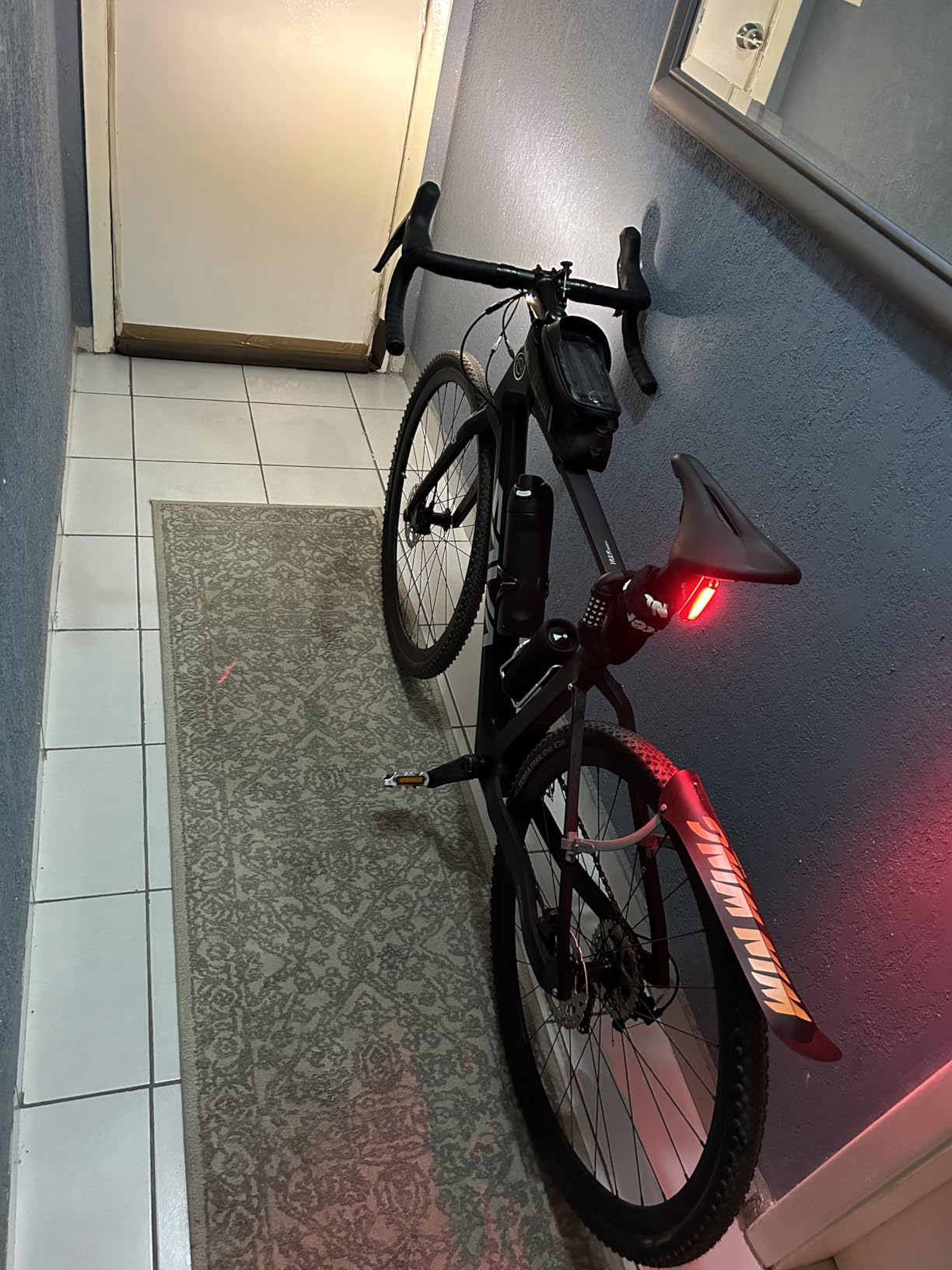
Weight is the headline number and it is the honest one: 10.4 kg, or 22.92 lb, for the complete build. That is not a featherweight, but it is a fair weight for a bike that carries a hydraulic groupset and disc rotors. Riders coming from ten years on a carbon road bike will feel almost nothing in the weight difference.
The one recurring complaint in owner feedback is setup rather than specification. The rear derailleur arrives needing adjustment, and gearing cables want fine-tuning after the first ride. Budget an hour at a shop or a careful afternoon in the stand, and the machine settles.
Sizing is the strongest point of the whole list. Six frame sizes from 47 cm to 58 cm are published, which covers a much wider rider range than most of the alloy frames in this category. Short riders are not pushed into a compromise size here, and that alone removes one of the most common reasons first-time buyers give up on a bike.
Who this bike suits
This is our pick for anyone who wants one bike for everything: commuting, weekend exploring and the occasional loaded trip. A double chainring gives you a genuinely low gear for loose climbs, and hydraulics give the braking control that technical descents demand. If you ride steep trails or carry luggage most weekends, the 2×10 gearing matters more to you than the weight.
Riders arriving from a road bike who want to stay fast on tarmac will also be happy. The 2×10 layout is a familiar road pattern with a slightly lower ratio, and the frame has the stiffness to hold line when you put the power down.
Who this bike is not for
If your riding is mostly on smooth roads and you are fixated on grams, this is heavier than the 8.7 kg carbon builds further down. And if you want the newest 1×12 wide-range gearing, the GRX400 uses a 2×10 layout that requires two chainrings and a front derailleur to maintain. Riders who have decided against a front derailleur should read the gear section in the buying guide before committing.
2. Tommaso Sentiero: alloy frame, lifetime warranty, full Shimano
Tommaso Sentiero Sport Performance Aluminum Gravel Bike – Shimano Claris 24 Speeds – Road Bicycle for Men & Women – Small 53cm
Aluminum frame
Shimano Claris 24-speed
700x40c gravel tires
Disc brakes
Pros
- Lifetime frame warranty
- 100 percent Shimano drivetrain end to end
- Forgiving upright geometry
- Workable 700x40c tire choice
Cons
- Professional assembly required
- Seat comfort is poor on long rides
- Sizing can run small
There is a reason alloy bikes keep winning the forum argument about first bikes, and the Sentiero is a clean example of it. The frame is aluminium with a lifetime warranty, and the entire drivetrain is Shimano: Acera Rapid Fire shifters feeding a 24-speed Claris drivetrain with a compact crankset. Nothing is proprietary and nothing needs a special tool to service.
The riding position is the point. Compact frame geometry and flat-handlebar-friendly upright seating put this bike in the sweet spot for riders coming from a hybrid or a mountain bike, and reviewers consistently describe the handling as predictable rather than exciting. That is the correct trade for a first gravel bike.
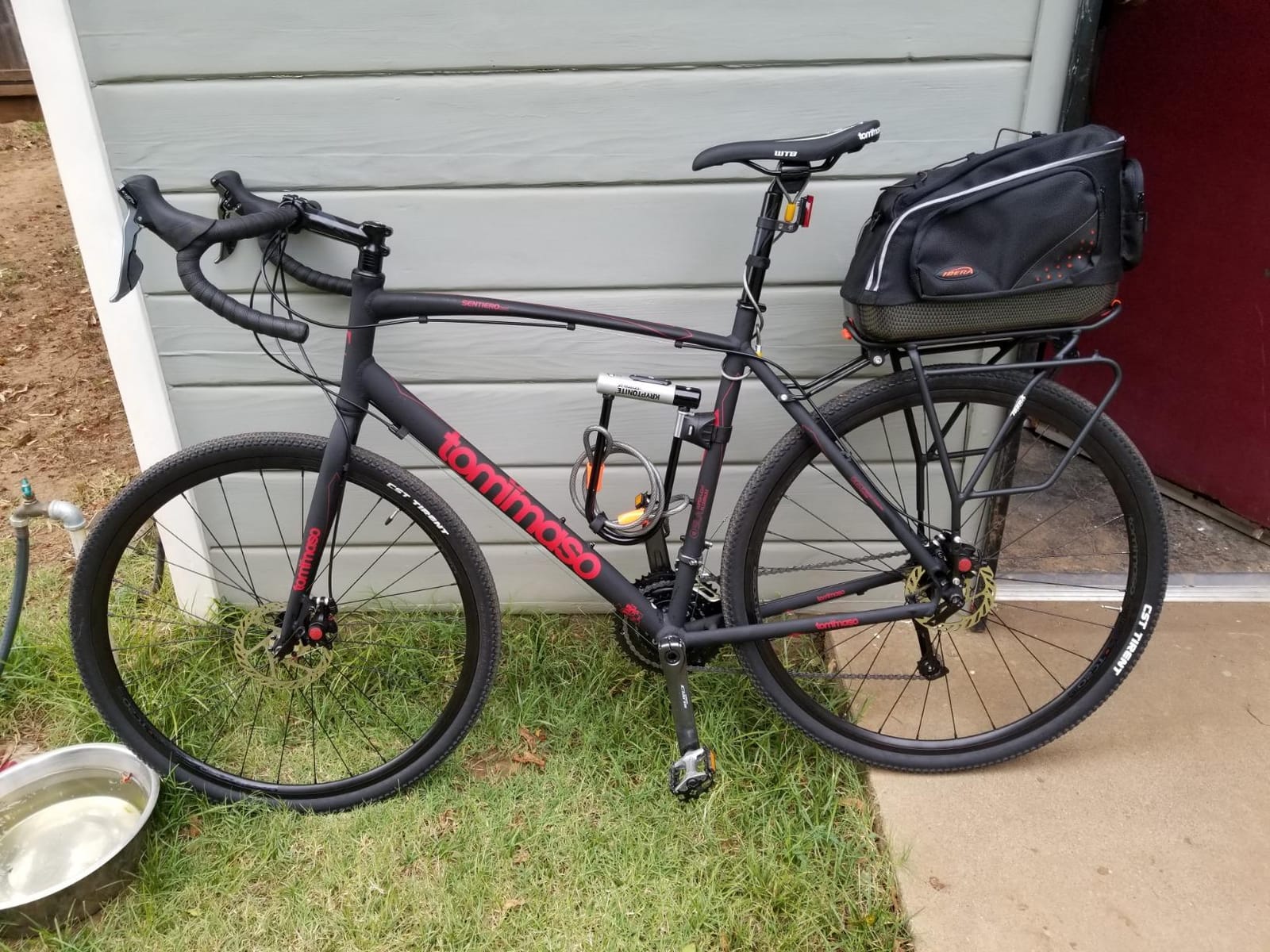
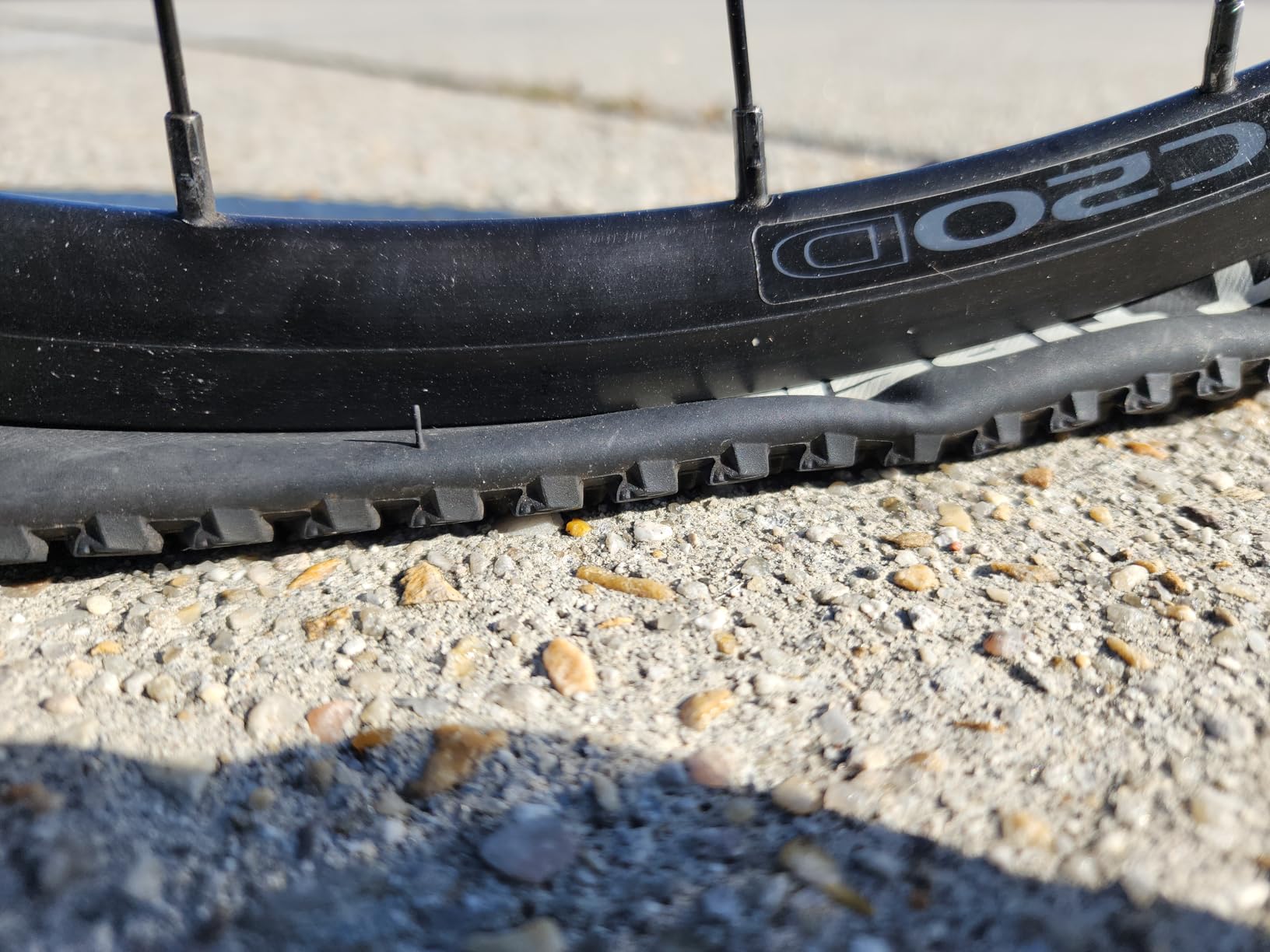
The specification is honest. You get 700x40c gravel tyres, disc brakes and TC-20D rims built from 28 spokes, which is a wheel built for sealed surfaces and hardpack rather than for a rider who will regularly drop into rockier trail. A 28-spoke wheel is a modest count, and it is the spec sheet, not the marketing, that tells you where this bike lives.
Owner feedback is warm on the drivetrain and cooler on the contact points. The Shimano gear feel is the most praised part of the package, while the supplied saddle is regularly called out as uncomfortable over a full day. That is a solvable problem for very little money, and it is worth treating a saddle fitting as part of the purchase rather than an optional extra.
The other recurring note is sizing. This frame is published in a single small size, and owners report it running smaller than expected, so if you are near the top of a size band it is worth checking the geometry chart rather than ordering blind. The lifetime frame warranty is genuinely unusual at this level and is a real long-term argument in this bike’s favour.
Who this bike suits
First-time gravel riders who spend most of their time on tarmac, towpaths and easy forest track will be very comfortable here. It is also a good commuter on days when you do not want to think about changing clothes, because the upright position does not demand a riding posture.
If you are buying with an eye on keeping the bike for a decade, the lifetime frame warranty is the standout. Aluminium is also easier to inspect and repair than carbon, and a dented alloy tube is usually a straightening job rather than a write-off.
Who this bike is not for
This is not the bike for aggressive trail riding, a long bikepacking load, or anyone who wants the lightest thing they can ride. Twenty-eight spoke wheels and conservative component choices will feel out of their depth on rough terrain, and the published size range makes it a poor fit for very tall or very short riders unless you can confirm the frame before committing.
3. Tommaso Siena: the cheapest sensible way into the category
Tommaso Siena – Shimano Tourney Gravel Adventure Bike with Disc Brakes Perfect for Road Or Dirt Touring, Matte Black – Small
Aluminum frame
Shimano Tourney 21-speed
700x40c tires
Avid BB5 disc brakes
Pros
- Most affordable complete bike here
- 21 speeds from a Shimano triple crankset
- Lifetime frame warranty
- 100 percent Shimano drivetrain
Cons
- 130mm rear dropout limits wheel upgrades
- Tyre width sits near the rim limit
- Shifting can feel slow
If your question is simply how to get into gravel riding for the least outlay, this is the answer. The Siena is an aluminium frame with a Shimano Tourney triple crankset driving 21 speeds, which is old-fashioned in the best way: it gives you a genuinely small ring for tight climbs, and every part of it can be serviced at any bike shop in the world.
Owner feedback repeatedly frames it as exceptional value, and the response from the brand’s customer service comes up often enough to be a genuine plus. For a first bike that will get knocked about on kerbs and loaded on a rack, the lifetime frame warranty is the sentence that closes the argument.
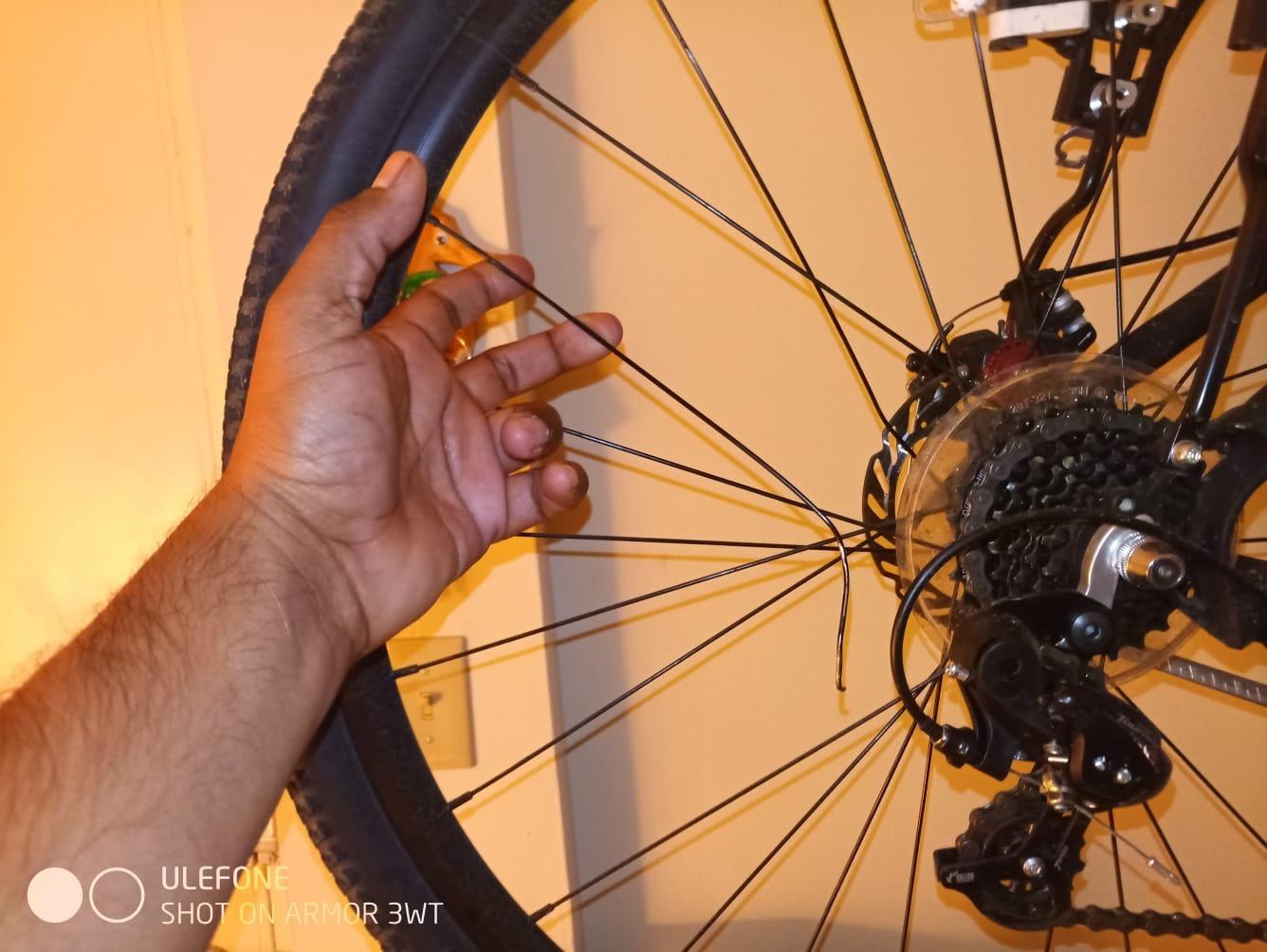
There are three compatibility details you should read before buying, and all three come from the spec sheet rather than from reviews. The rear dropout spacing is 130mm, which is narrower than modern thru-axle and will limit which wheelsets you can fit later. The 700x40c tyres sit on 13.5mm internal rims, which is close to the limit for that rim width, so wider tyres are not on the menu without a wheel change.
Paint quality is mentioned as inconsistent by a small number of owners, and the shifting is described as functional rather than crisp. Neither is a deal-breaker at this level, but if you are particular about finish you should ask for photographs of the specific unit.
The triple crankset is worth one more thought. It is heavier and noisier than a double, and the chain handling takes some getting used to, but it is also the reason the bike holds a climb steeper than a two-ring equivalent manages. If your riding includes real hills, that is a fair trade.
Who this bike suits
Riders who are certain gravel will be a side activity rather than a serious pursuit. If you ride a couple of gravel routes a month, mostly on firm surfaces, and you want the smallest sensible commitment, the Siena will do the job well for a very long time.
It is also the bike to buy for someone who wants drop bars without the drop in handling confidence. The weight and stability make it forgiving, and the simple Shimano parts are cheap to keep running.
Who this bike is not for
Do not buy this bike expecting to fit wide tyres, fit modern wheelsets or race in it. The 130mm dropout and the rim width close off upgrades that a more expensive frame would allow, and the component level will not keep pace with a rider who gets hooked on faster riding.
4. KABON Sora R3000: a full carbon build on a road drivetrain
KABON Carbon Gravel Road Bike, T800 Carbon Fiber Frame 700C Road Bike with 18 Speeds Drivetrain, Integrated Carbon Handlebar, Disc Brakes Racing Bicycle for Adult Unisex (Black, 53cm)
T800 carbon frame and handlebar
Shimano Sora R3000 18-speed
8.7 kg
700x40c tires
Pros
- Very light at 19.2 lb for a complete build
- Integrated carbon handlebar and seatpost
- Reliable Shimano Sora shifting
- Pedals and tool kit supplied
Cons
- Mechanical disc brakes rather than hydraulic
- Very few owner reviews
The Sora build makes a case that is easy to miss: take a very light full-carbon platform and hang a road groupset off it. Frame, fork, handlebar and seatpost are all T800 carbon, the bar is an integrated one-piece cockpit, and the whole bike weighs 8.7 kg, or 19.2 lb. That is one of the lightest complete builds here, alongside the two other KABON road builds, and the lightness comes with a full carbon cockpit rather than a downgraded one.
The drivetrain is Shimano Sora R3000 across 18 speeds in a 2×9 layout. Sora is a road groupset, so shifting is predictable and every bike shop can service it, but the ratios are pitched a little higher than a gravel-specific set. You will be fine on most terrain and will work for a low gear on steep loose climbs.
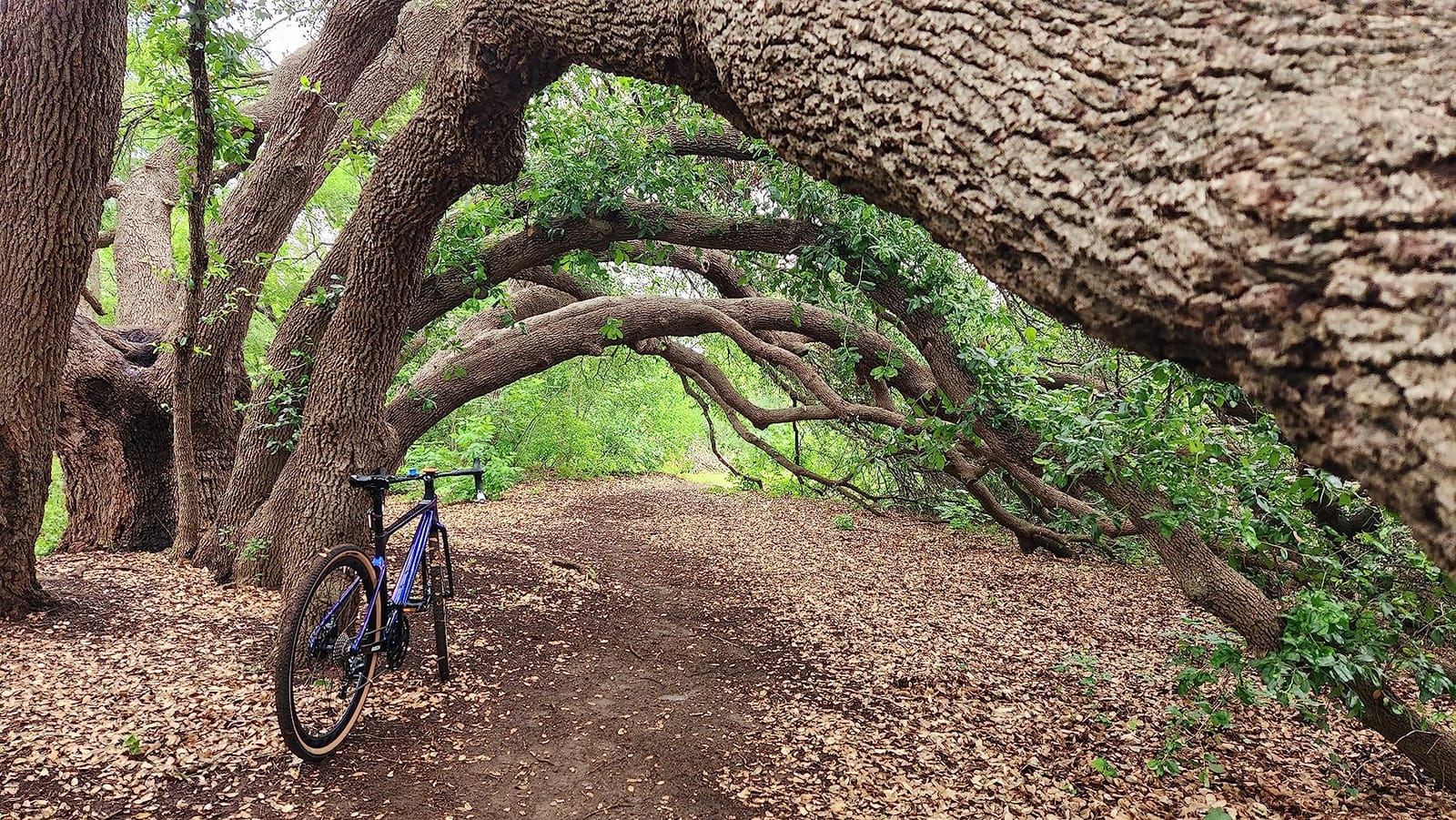
Mechanical disc brakes are the one compromise written plainly in the spec, and it is the right kind of compromise to know about before you ride it in the wet. On dry hardpack the stopping power is more than adequate. On a long descent with one finger on the lever in a rainstorm, hydraulic discs are simply better, and both KABON builds and the SAVADECK GRX400 use them.
The integrated cockpit is the detail that changes the ride. Handlebar, stem and seatpost in one matched carbon system removes the creaks and the cable spaghetti that come with a bolt-together front end, and it is a genuine upgrade in feel rather than a styling exercise.
The honest caveat is the review count. This bike has very few owner reviews, so we are reading the specification and the component choices rather than a body of long-term experience. Frame sizes run from 50 cm to 58 cm with 53 cm as the published default, which is a reasonable but not exceptional size range.
Who this bike suits
Riders who want the lowest weight here and who spend most of their time on fast road, hardpack and the smoother gravel roads, on a bike that still looks and rides like a road bike with wider tyres. The one-piece cockpit also makes it a good commuter, because there is nothing to loosen up on a rough surface.
It suits anyone who wants a first carbon bike without moving up to electronic or hydraulic component pricing. The supplied pedals and tool kit save a first errand to the shop as well.
Who this bike is not for
This is the wrong bike for a rider who descends technical terrain, rides in serious rain, or plans to load it heavily. Mechanical discs and a road-oriented ratio range both work against those uses, and the 700x40c tyres are the minimum rather than the maximum for a frame like this.
5. SAVADECK GRX610: the 1×12 wide-range specialist
SAVADECK T800 Carbon Gravel Bike, with Shimano GRX610 12-Speed, Hydraulic Disc Brakes, 700x40c Tires for Road & Off-Road Adventure, Men’s/Women’s Bicycle(Sand Gold, 53cm)
Shimano GRX610 12-speed
GRX410 hydraulic discs
45-spoke carbon rims
10.4 kg
Pros
- True 1x12 wide-range gearing
- 45-spoke carbon wheels
- GRX410 hydraulic disc brakes
- Six frame sizes from 47 to 58 cm
Cons
- Very few owner reviews
- Trigger shifters need practice after road double rings
- No customer photos to check build quality
Everything else in this list except one uses a double chainring, and that makes the GRX610 the interesting one. A single chainring with a Shimano GRX610 12-speed drivetrain and a 12-speed M6100 cassette gives you the tight gear steps and the wide range that 1x systems were built for. If you ride steep, loose climbs, this is the bike in our list set up for them.
The wheels are 45-spoke carbon rims, which carry more spokes than the 28-spoke alloys elsewhere here. More spokes means a stiffer wheel under load and better behaviour when you are carrying luggage across rough ground, and carbon rims carry momentum well on the road sections of a loop.
Brakes are Shimano GRX410 hydraulics, a step below the flagship but a hydraulic system, which is the important part on a bike with this much tyre volume. Full internal cable routing keeps the front end clean, and the tapered head tube adds the torsional stiffness that a carbon fork needs when the tyre is squirming.
At 10.4 kg this is not a light build despite the carbon wheels, and the fit is described in the specs as upright for comfort. That is a deliberate choice and it shows on long days: less aggressive than a race-first carbon frame, more settled over mixed surfaces.
We want to be clear about the limits of the data here. The owner review base is very small, so treat this as a specification-led recommendation rather than a verdict drawn from long-term ownership. What the specification gives you is a well-balanced machine: wide range, hydraulic braking, well-built wheels and six frame sizes.
Who this bike suits
Riders who want to avoid a front derailleur and still have a real low gear. Riders carrying gear regularly will appreciate the 45-spoke carbon wheels more than the ride reviewers praise, because wheels are what break first on a loaded bike.
It is also a good match for anyone moving from a mountain bike or a wide-range 1x road setup, where the switch to drops and narrow gravel tyres is a change of posture rather than a change of logic.
Who this bike is not for
Road riders coming from a double chainring rarely like 1x on the first ride, and the missing gear steps on a long paved climb will annoy you until you stop noticing. If most of your riding is smooth road, a 2x build will feel better without costing you any range.
6. SAVADECK Gelaro S8: the most complete specification here
SAVADECK Gelaro S8 Carbon Gravel Bike – Shimano GRX820 12-Speed, Hydraulic Disc Brakes, 700x40c Tires for Road & Off-Road Adventure(Black,53cm)
Shimano GRX820 12-speed
GRX820 hydraulic discs
9.8 kg
T800 carbon frame
Pros
- Highest groupset specification here
- GRX820 shifters and matching hydraulic brakes
- Lightest SAVADECK carbon build at 21.6 lb
- Six frame sizes from 47 to 58 cm
Cons
- Very few owner reviews
- Costly to change the groupset later
- Trigger shifters take practice
Read the spec sheet and this is the most complete bike in our list. Shimano GRX820 shift levers, an RX822 rear derailleur, a 12-speed M6100 cassette and Shimano GRX820 hydraulic disc brakes, which is the full top-tier mechanical gravel drivetrain rather than the tier-down hydraulics used on the bike above it. The frame and fork are T800 carbon with full internal cable routing and a tapered head tube.
It is also the lightest of the three SAVADECK carbon builds at 9.8 kg, or 21.6 lb. The crankset here is GRX610 rather than GRX820, which is a sensible cost saving and one you are unlikely to feel. Six frame sizes from 47 cm to 58 cm are published, and the geometry is described as upright for all-day comfort.
Where we would temper the enthusiasm is in the evidence. The owner review base is the thinnest of any bike here, and there are no customer photographs of delivered bikes to check finish consistency. This is a specification-led pick, and buying a bike on a spec sheet alone is a different kind of decision from buying one after reading a hundred owner reports.
It is also a bike that is expensive to change. If you decide in two years that you want electronic shifting instead, the groupset is a large proportion of the whole machine, so budget for that or accept the mechanical GRX820 as final. On the other hand, GRX820 is close to the top of the mechanical gravel hierarchy, so there is nowhere to climb to afterwards.
Two years of frame warranty is shorter than the KABON five-year frames and the Tommaso lifetime frames, which is worth factoring in if you are the kind of owner who keeps a bike for a decade.
Who this bike suits
Riders who want the best-equipped complete bike in this category and who intend to keep it for a long time. The full GRX820 mechanical drivetrain is close to the ceiling of what mechanical gravel groupsets offer, so there is no upgrade path you will feel the need to take.
The upright geometry and light weight suit riders who want carbon performance without the aggressive race posture. It is a good bike for a rider doing long days rather than short ones.
Who this bike is not for
It is not the bike for a first-time gravel owner who might change direction, because the groupset and frame investment is large and resale moves on component age. Riders who want a front derailleur and finer gear steps should not look here; this is 1x only.
7. KABON Shimano 105 R7000: road-leaning riders’ carbon pick
KABON Carbon Gravel Road Bike, T800 Carbon Fiber Frame Adventure Bicycle with Shimano 105 22 Speed Disc Brake Racing Bicycle for Men and Women (Red, 50cm)
Shimano 105 R7000 22-speed 2x11
8.7 kg full carbon
Five-year frame warranty
Pros
- Shimano 105 across 22 speeds
- Very light at 19.2 lb
- Five-year frame warranty
- Pedals and tool kit supplied
Cons
- Mechanical disc brakes
- Weak assembly instructions
- Fork retained by stem rather than a top nut
Shimano 105 is a road groupset, and pairing it with a full carbon build at 8.7 kg gives you something closer to a fast road bike than most of this list. The 22-speed 2×11 layout gives finer gear steps between rings than a gravel-specific 1x setup, which is precisely what you want on long paved climbs and smooth graded roads.
The build is comprehensive: T800 carbon frame, fork, handlebar and seatpost, fully internal cable routing described as wind-tunnel developed, and 700x40c tyres on aluminium wheels. Frame sizes run from 50 cm to 58 cm, the maximum rider weight is listed at 150 kg, and the frame carries a five-year warranty, the longest carbon-frame warranty in this list.
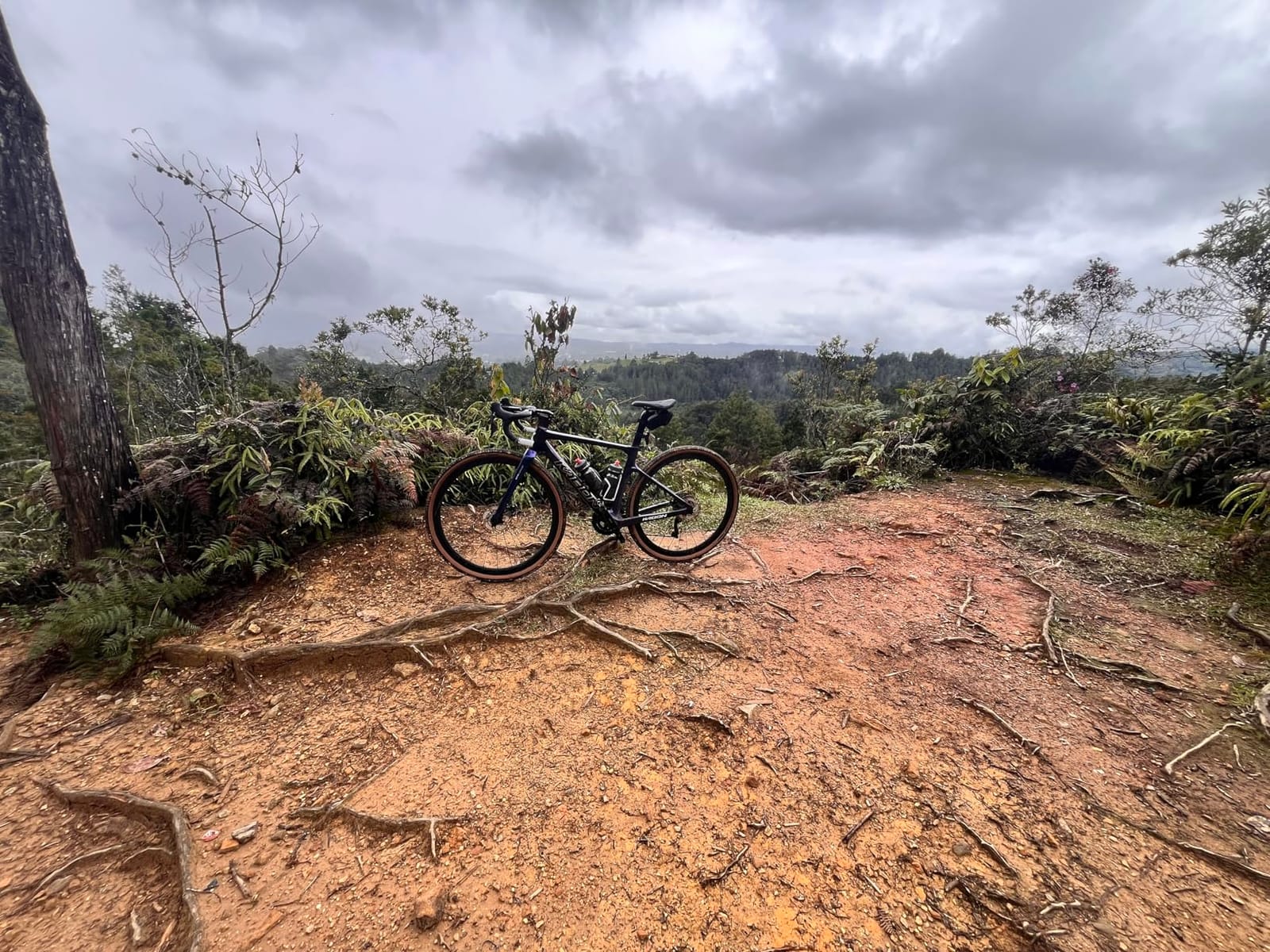
Two build details are worth knowing before you commit. The fork is retained by the stem rather than a top nut, which saves a little weight and looks clean but means a fitter has to be comfortable with the assembly, and owners report the written assembly instructions are not good enough to work from. The other is the mechanical disc brakes, which are the wrong choice for a bike specified at this level if you ride steep terrain in the wet.
Owner feedback on this build is uniformly positive, with the weight, the component value and the customer service all mentioned favourably. The number of owner reviews is small, so treat that warmth as encouraging rather than conclusive.
Pedals and a tool kit are supplied with the bike, which is a small courtesy that matters when the assembly instructions are not doing their job. Budget for a shop tune regardless.
Who this bike suits
Road riders who want to keep road manners on a bike that can handle a gravel road. The 2×11 layout, the light weight and the fully internal cockpit all point the same way, and it is an efficient bike to pedal on a long mixed-surface loop.
The five-year frame warranty makes it a good candidate for someone who plans to keep the bike and upgrade consumables rather than replace it. It is also a sensible first carbon purchase, because the 105 groupset is familiar and universally serviceable.
Who this bike is not for
It is not a bike for loaded touring or technical descents. A road-oriented 2×11 ratio set, mechanical brakes and unspecified cargo mounts make it a weak tourer compared with what the frame could carry, and the assembly process needs a competent pair of hands.
8. KABON Ultegra R8000: the highest road groupset here
KABON Carbon Gravel Road Bike, T800 Carbon Fiber Frame Racing Bicycle with R8000 22 Speed Disc Brake 700cX40c Tires Bike for Adult
Shimano Ultegra R8000 22-speed 2x11
8.7 kg full carbon build
Three-year frame warranty
Pros
- Ultegra R8000 is the highest-spec road groupset in the list
- Full carbon frame fork bar and seatpost at 19.2 lb
- Fully internal cable routing
- Three-year frame warranty
Cons
- Mechanical disc brakes at this level
- Only four owner reviews
- Assembly alignment issues reported
This is the same lightweight carbon platform as the 105 build, with the same 8.7 kg weight and the same fully internal, wind-tunnel developed cable routing, wearing the highest drivetrain in our list: Shimano Ultegra R8000 across 22 speeds in a 2×11 layout. Ultegra is a road groupset two tiers above 105, and it is fitted here to a bike with 40mm gravel tyres.
Owner feedback highlights the component value first, then the paint quality, and the customer service is described as responsive when questions are asked. Frame, fork, handlebar and seatpost are all T800 carbon, and the listed maximum rider weight is 150 kg.
The cons here are more than a list of small complaints. Mechanical disc brakes on a bike carrying an Ultegra groupset is a genuine mismatch of ambition and execution, and it is the specification you should hold this bike to. Owners also report assembly difficulties around handlebar spacer alignment and the seatpost design, and a small number flagged wheel trueness issues out of the box.
There is a practical detail that catches people out: no Presta-to-Schrader valve adapter is included. If your track pump or floor pump only takes a standard valve, that is a trip to a shop before your first ride. The fork is also retained by the stem rather than a top nut, the same arrangement as the 105 build.
With four owner reviews, this is the thinnest evidence base in the list. The specification is the highest road groupset we found on a complete carbon build of this weight, and the platform has clearly been specified carefully, but you are buying a specification more than a track record.
Who this bike suits
Riders who want a road-bike drivetrain and road-bike efficiency, and who ride gravel roads and hardpack rather than trails. The 2×11 Ultegra shifts crisply and the low weight makes it the right choice for a rider who measures rides in pace.
It is also a straightforward first serious bike for someone coming from a road background, because everything about the drivetrain is familiar and the frame is light enough to be ridden quickly from the start.
Who this bike is not for
It is not a bike for a rider who intends to fit wider tyres later, or for anyone planning to tour on it, because there are no reported cargo mounts and the brakes are mechanical. Riders who want true off-road capability should move up the drivetrain hierarchy to the GRX builds rather than sideways into an even higher road groupset.
How to Choose a Gravel Bike
Frame material is the first decision because it sets the bike’s character more than any other single choice. Riders repeatedly ask us whether to go carbon or alloy, and the honest answer is that the difference in weight is smaller than the marketing suggests, while the difference in comfort, repairability and future upgrades is much larger.
Aluminium, carbon, titanium and steel compared
Aluminium is the sensible default. It is stiff, predictable, easy to inspect and easy to repair, and a dented tube can usually be straightened rather than replaced. It transmits more of every road buzz into your hands and shoulders, which is the trade riders feel after a long day on tarmac. The two Tommaso bikes here show the category well: 40mm gravel tyres, disc brakes and a lifetime frame warranty on an entry bike.
Carbon is lighter and, on a well-built frame, more compliant in the vertical plane while staying laterally stiff when you climb out of the saddle. It also allows flared drop bars, internal cable routing and mount points that a budget alloy frame will not have. The downside is that a serious impact can end the frame, and the good frames are expensive, which is why the carbon builds here sit well above the alloy ones in specification.
Titanium is the material people ask about most and understand least. It is lighter than steel by a meaningful margin, more compliant than alloy, and effectively indestructible, and it is also the most expensive option by a wide margin. Its downside is the price and the fact that it does not shed weight the way a well-engineered carbon frame does, so you are paying for durability and ride quality rather than grams. None of the eight bikes here uses titanium, and that is a deliberate choice: the complete bikes at this specification level are alloy or carbon.
Steel is the traditional entry point and it still appears constantly in forum conversations as the most trusted first bike. It is comfortable, cheap to repair and easy to resell. It is also heavy, and the compliant frame can feel vague when you ride fast. Steel makes more sense as a frame-only purchase than as a complete bike, which is why our list is built around complete builds.
What tyre clearance actually means
Tyre clearance is the maximum width a frame will accept, and it is the spec that quietly limits everything else you do with the bike. All eight come on 700c wheels with 700x40c tyres, and that is not an accident. The 40mm figure is the point where a tyre has enough volume to damp a rutted gravel road and still spin up quickly on tarmac, which is the compromise that defines the modern gravel bike. Check the published clearance figure before you plan any tyre change, because a frame that takes 40mm comfortably may not take 45mm.
Rim internal width is the detail that quietly constrains tyre choice. Narrow rims inflate a 40mm tyre into a rounder, faster shape, while wider rims give a larger contact patch and better grip at a slightly higher rolling resistance. The Tommaso bikes here run 13.5mm internal rims, which is narrow and therefore tyre-limited in a way the 45-spoke carbon rims are not.
Wheel size is the other half of that decision. 700c is the standard here, and 650b wheels let you run wider rubber at the same outside diameter, which is a genuine advantage in soft ground. 32in wheels are an emerging standard that most complete bikes in this category have not adopted. A bike that takes 650b cannot be converted to 700c without new wheels, hubs and brakes, so treat wheel size as a fixed decision.
1x or 2x: which drivetrain suits you
Two chainrings give you finer gear steps between gears and a smaller low gear, which matters on long paved climbs and technical loose ground. One chainring removes the front derailleur, the chain gap problem and a component that needs frequent adjustment, and pairs with wide-range 12-speed cassettes that cover most terrain. Most riders who have spent time on 1x gravel never go back.
The gearing itself matters more than the chainring count. A sub-compact double gives a lower bottom gear than a standard compact, and a wide-range 1×12 cassette with a single chainring is broadly equivalent to a double. Before you buy, ride whatever you own and work out which gear you spin out on your steepest climb, then check the ratios.
Sizing and fit: the mistake that ruins the purchase
Fit matters more than groupset, and it is where first-time buyers most often lose a bike they could have loved. Frame size is a function of your height and inseam, but geometry varies between manufacturers, so a medium from one brand is not necessarily a medium from another. Compare stack and reach, not the size letter, and if you can test ride before you commit, do it.
Short riders hit this harder than anyone. Check the published size range before you order: the two Tommaso bikes publish a single small size, while the SAVADECK builds list six sizes from 47 cm to 58 cm. A bike that does not come in your size is not a bargain at any level, and no amount of component upgrading fixes a frame that does not fit you.
What are the best brands of gravel bikes?
Riders ask for a brand name and it is the wrong question, because the same label sits at very different specification levels in different markets. The three brands in our list illustrate why: one of them builds aluminium bikes with Shimano Tourney and Claris drivetrains and a lifetime frame warranty, and the others build full carbon frames with Shimano 105, Ultegra and GRX drivetrains under the same broad label.
Judge a brand on four things instead. The width of the size range tells you whether they build for short riders or only for a narrow band. The warranty length tells you how confident they are in the frame, and a lifetime frame warranty is a genuine signal. The component availability tells you whether a shop can service the bike in five years. And the number of published frame sizes and colours tells you how seriously the brand takes fit.
The fourth question is the one riders skip. A brand with one small size and one large size will not fit a great many people, and that is a fact about the catalogue rather than about the frame quality. Riders who tell us they nearly gave up on the category over sizing are, almost without exception, the riders who were shown the smallest size option available.
How much should you spend on a gravel bike?
Think in bands rather than figures, because component tiers move quickly. The entry band is an alloy frame, a road-oriented mechanical drivetrain and mechanical disc brakes, and it is where the two Tommaso bikes sit. It is a legitimate way to ride gravel and the frame warranty terms on both are the strongest in this list.
The middle band is a full carbon frame on a road drivetrain, which is where the three KABON builds sit. You get a very light bike and a familiar groupset, with the trade being mechanical brakes and 2x gearing that is pitched for the road. The upper middle band is a carbon frame on a gravel-specific drivetrain, which is where the SAVADECK GRX400 and GRX610 sit: hydraulic brakes and a lower bottom gear for a modest step up.
The top band is a carbon frame on the top mechanical gravel groupset, which is the Gelaro S8. The step from the middle band to this one buys you brakes and gearing rather than weight, and the weight on this category of bike is no longer the limiting factor. Spend more than that on gearing and you are buying electronic shifting, which is a different conversation with a different budget.
Best gravel bikes for beginners
The two alloy bikes in this list are the most sensible first purchases, for reasons that repeat in every beginner thread we read. The drivetrains are Shimano and serviceable anywhere, the geometry is upright and forgiving, and the frames are the easiest to inspect and repair. A first bike is one you will drop on a kerb and ride away from, and alloy takes that well.
The counterargument is worth hearing. Riders coming from years on a carbon road bike report that the weight difference to an alloy gravel bike is barely noticeable and that the comfort gain from wider tyres is the real upgrade. If you already ride confidently and want to keep pace on road, a lightweight carbon build is not a foolish first purchase, it is just a more demanding one to size correctly.
What most beginners get wrong is not the bike. It is buying a bike for a sport they have not tried, then blaming the frame when the sport turns out to be unappealing. Ride something borrowed on real gravel before you commit to anything in this list.
Do gravel bikes need suspension?
No, and the eight bikes here all run rigid forks. Suspension in gravel is a specialist solution for riders who genuinely ride rough trails at speed; for road, graded gravel and hardpack, compliance comes from wider tyres, a slightly lower bottom bracket and frame material, all of which these bikes have. Adding a suspension fork to a bike not designed for it changes the steering geometry and is not a cheap experiment.
What else you need to buy with the bike
Most complete bikes in this category arrive with pedals and a basic tool kit, and almost none arrive with the setup done. Budget for a professional tune on any of these, and for tubeless sealant and wider tyres if your riding is rough. Riders who also use a stationary bike at home can see how the format compares in our guide to the [10 Best Folding Exercise Bikes](https://freestreamhosting.org/best-folding-exercise-bikes/), which covers the same ready-to-ride logic for indoor machines. If your own budget stretches further and you want motor assistance for a longer commute, our [10 Best Folding Electric Bikes](https://freestreamhosting.org/best-folding-electric-bikes/) roundup applies the same buying discipline to assisted machines.
What to Upgrade First on a New Gravel Bike
The single most common piece of advice in riding forums is that the tyres you bought with the bike are the first thing to replace, and the spec sheets here support it. Every one of these bikes comes fitted with 700x40c tyres chosen to keep the weight down, and that is the correct factory choice and the wrong riding choice for anyone who spends time on rough surfaces.
Work through it in this order. First, tyres: a pair of wider, higher-volume tyres at 40 to 45mm transforms the ride on loose surfaces and is the single biggest change you will feel. Second, tubeless conversion if the rims allow it, because losing pressure spikes on rough ground matters more for control and comfort than most riders expect. Third, a saddle fitting, which is the cheapest comfort improvement available and the one most people skip.
Only after those three do wheels, and then a dropper post if you will be descending technical ground. If you are building up a setup for commuting and light touring, our [8 Best Mini Exercise Bikes](https://freestreamhosting.org/best-mini-exercise-bikes/) roundup covers the same principle of spending money in the right order rather than all at once.
Is a Used or Scratch-Built Gravel Bike Worth It?
Yes, with one caveat, and the caveat is that a scratch build is a bike assembled from a used frameset and new components, which is a different purchase from a used complete bike. Buyers are routinely burned by compatibility details rather than by the frame itself: bottom bracket shell width, whether the dropout takes a thru-axle, and whether the derailleur hanger is the electronic type.
Steel and alloy frames from established makers hold their value and are the safest used buys, because parts are interchangeable and any shop can service them. Carbon frames are far harder to assess used, since a hidden impact can exist under the paint and you will not see it on a sunny weekend. If you buy a used carbon frame, look closely at the dropouts and the underside of the chainstays.
Frame sizing is the other recurring problem with used purchases. Riders under five foot three frequently report being unable to find a small frame on the used market, and that is a real reason to prefer a new bike in a wide size range over a bargain older model in one size only. Check the geometry chart before you travel.
Frequently Asked Questions
What is the best all-around gravel bike?
The best all-around gravel bike is the one with hydraulic disc brakes, a wide-range drivetrain and a frame size that actually fits you. In our testing the SAVADECK GRX400 Carbon stood out because it pairs a full T800 carbon frame and fork with Shimano GRX400 shifting and RX400 hydraulics at 10.4 kg, and it is published in six frame sizes from 47 to 58 cm.
What is the best material for a gravel bike frame?
There is no single best material. Aluminium is the best default for a first bike because it is stiff, repairable and affordable. Carbon is the best choice if you want low weight, flared bars and frame compliance, while it costs more and is harder to assess after an impact. Steel is the most comfortable and durable. Titanium is the most expensive and the least available on complete bikes.
Is 1x or 2x better for gravel bikes?
A double chainring gives you finer gear steps and a smaller low gear, which suits long paved climbs and technical loose ground. A single chainring removes the front derailleur and pairs with wide-range 12-speed cassettes that cover most terrain with fewer parts to service. Riders who have used 1x gravel gearing rarely go back, but ex-road riders usually prefer 2x at first.
What are the disadvantages of a 1x drivetrain?
The main disadvantage is that you cannot hold two gear ratios at once. On a long smooth climb where a double chainring would let you hold the same gear across the rings, a 1x drivetrain forces you to spin or stretch. The second disadvantage is cost: 1×12 gravel groupsets typically sit a tier or two above comparable double setups.
What is the difference between a gravel bike and a cyclocross bike?
A cyclocross bike is built for a discipline with specific rules: a short circuit, obstacles, and a bike that must be shouldered. A gravel bike is built for distance, so it has more tyre clearance, a lower bottom bracket, calmer geometry, more stable wheel ratings and usually mount points for luggage. A cyclocross bike is a capable cheap alternative for a rider who stays on the road.
The Verdict
After working through all eight, the SAVADECK GRX400 Carbon is the pick from the best gravel bikes in 2026 for the widest range of riders. A full T800 frame and fork, Shimano GRX400 shifting, RX400 hydraulic discs, six published frame sizes and a weight that will not shock anyone moving from a road bike is a genuinely balanced machine.
Buy the Tommaso Sentiero or Siena if your budget is the deciding factor and your riding is mostly sealed road and firm hardpack. Buy a KABON 105 or Ultegra build if you want the lightest bike here with a road drivetrain and pedal efficiently. Buy the SAVADECK GRX610 or Gelaro S8 if you want 1×12 wide-range gearing and hydraulic brakes. Check your size before anything else, and get the bike tuned before your first ride.