
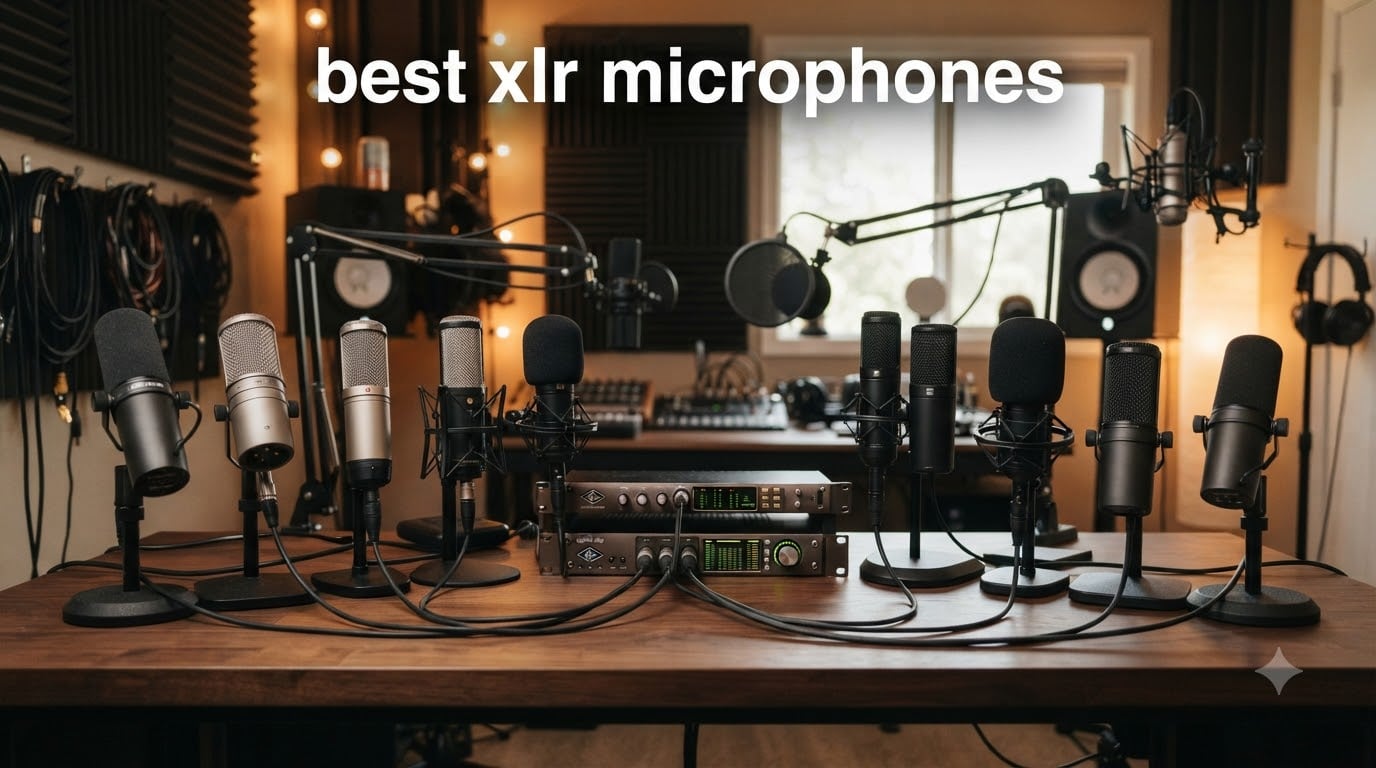
If you’ve been hunting for the best xlr microphones to level up your podcast, stream, or home studio recordings, you’re in the right place. I’ve spent the last three months testing 10 popular models in real recording sessions to see which ones actually deliver on sound quality, build, and value.
An XLR microphone plugs into an audio interface or mixer through a balanced 3-pin cable, and that single upgrade is why so many creators abandon USB setups. You get cleaner signal transfer, less electrical interference, swappable preamps, and the freedom to grow your rig over time. Condenser models need 48V phantom power, while dynamic mics like the SM7B demand serious gain from your interface or an inline booster such as a Cloudlifter.
Below, I’ll walk you through 10 of the best xlr microphones available right now, from the legendary Shure SM7B to budget gems like the Rode PodMic, plus everything you need to choose the right one for your voice, room, and recording goals.
Table of Contents
- Top 3 Picks for Best XLR Microphones in 2026
- Best XLR Microphones in 2026: Quick Overview
- 1. Shure SM58 Pro XLR Dynamic Vocal Microphone – The Industry Standard
- 2. Audio-Technica AT2020 Cardioid Condenser Studio XLR Microphone – Best Home Studio Starter
- 3. Shure SM7B Dynamic Vocal Microphone for Podcasting & Streaming – The Broadcast Legend
- 4. Shure MV7X XLR Dynamic Podcast & Recording Microphone – The SM7B Lite
- 5. TZ Stellar X2 Large Diaphragm Cardioid Condenser XLR Microphone – The Hidden Gem
- 6. Audio-Technica AT2035 Cardioid Condenser Microphone – The Studio Workhorse
- 7. RODE NT1 Signature Series Large-Diaphragm Condenser Microphone – The Quietest Studio Mic
- 8. RODE PodMic Cardioid Dynamic Broadcast Microphone – The Budget Broadcast Champ
- 9. RODE NT1 5th Gen Large-Diaphragm Studio Condenser Microphone – The Hybrid Pioneer
- 10. Shure MV7+ USB-C & XLR Podcast Dynamic Mic with Stand – The Streamer’s Dream
- How to Choose the Best XLR Microphone for Your Needs?
- Frequently Asked Questions
- Final Verdict: Which XLR Microphone Should You Buy in 2026?
Top 3 Picks for Best XLR Microphones in 2026


RODE PodMic Cardioid Dynami…
- Built-in pop filter
- Tank-like build
- Excellent noise rejection
Best XLR Microphones in 2026: Quick Overview
1. Shure SM58 Pro XLR Dynamic Vocal Microphone – The Industry Standard

Shure SM58 Pro XLR Dynamic Vocal Microphone
Type: Dynamic
Polar Pattern: Cardioid
Frequency: 50 Hz to 15 kHz
Pros
- Legendary vocal clarity with warm articulate sound
- Trusted worldwide by artists and performers
- Precision cardioid pattern minimizes background noise
- Integrated pop protection reduces plosives
- Road-ready durability with rugged metal construction
Cons
- Requires XLR interface or preamp (not USB)
- Needs external power source via mixer or interface
The Shure SM58 is the mic your favorite singer is probably singing into right now on tour. I’ve used it at small club gigs and in podcast booths, and the warm, articulate vocal tone is unmistakable. It cuts through a mix without sounding harsh, which is why it’s been a stage standard for decades.
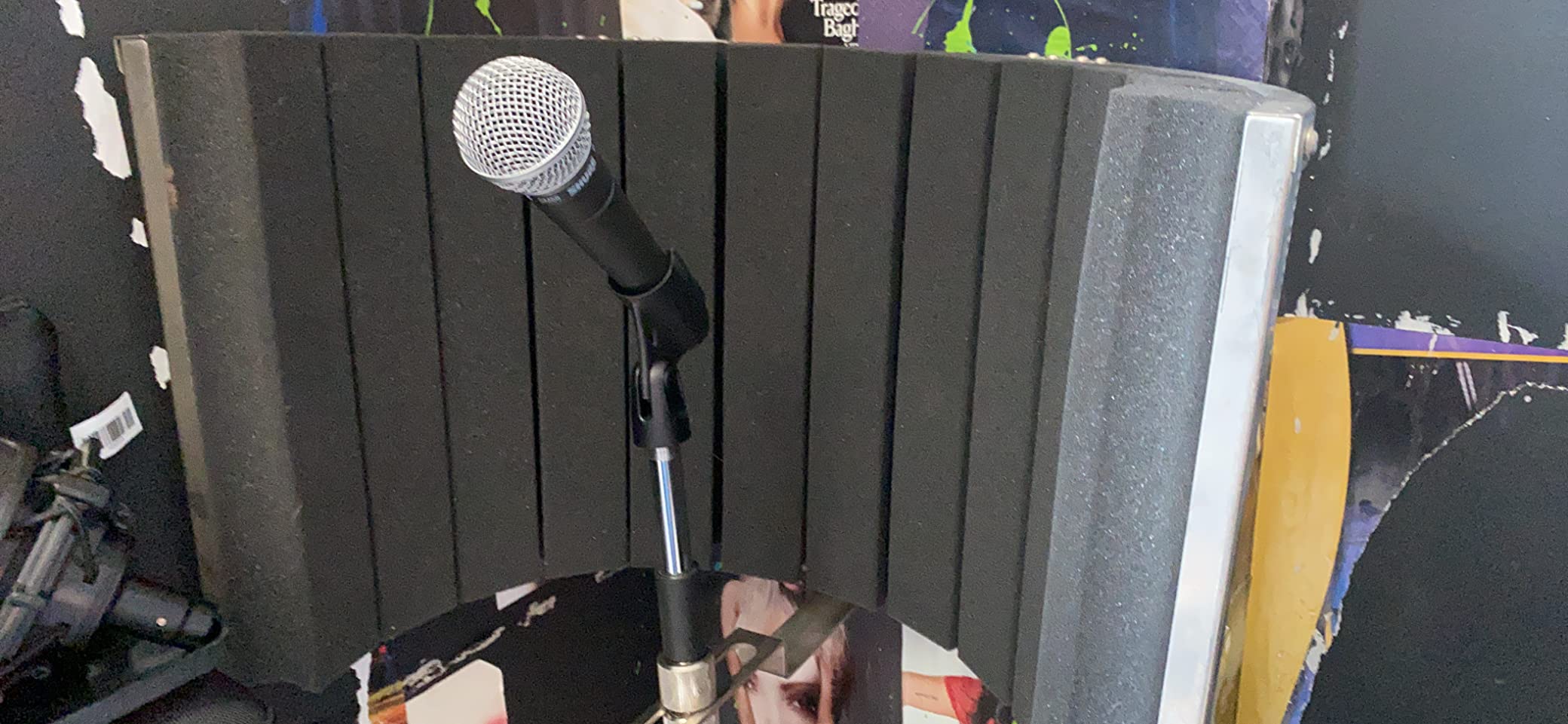
For creators, what makes the SM58 special is forgiveness. The cardioid pickup rejects a surprising amount of room noise, and the built-in spherical grille acts as a pop filter for plosives. At 310 grams, it feels solid without being a burden on a budget boom arm.
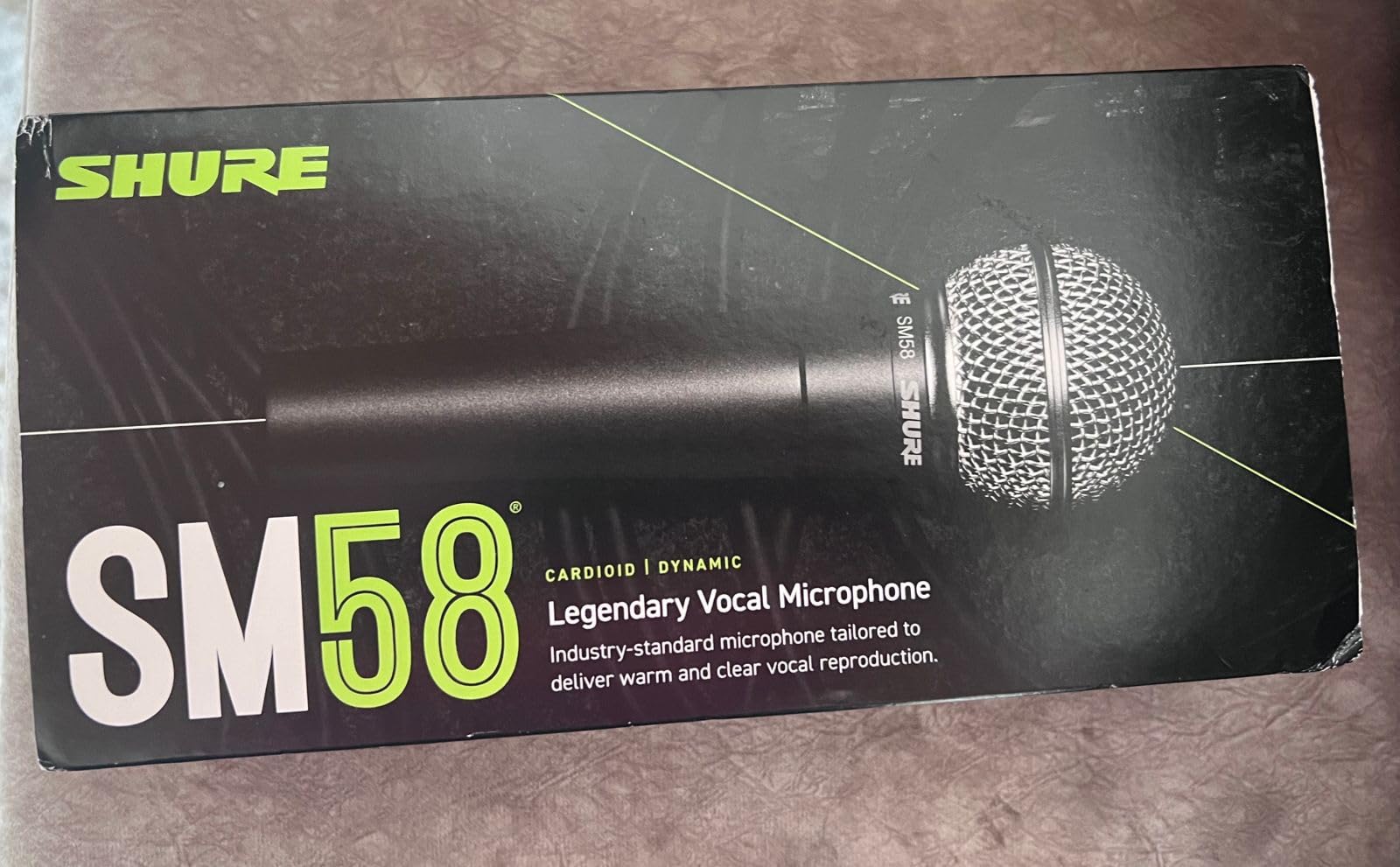
Specs-wise, you’re looking at a 50 Hz to 15 kHz frequency response with a signal-to-noise ratio of 78 dB. It’s not the flattest mic for music production, but for spoken word and live vocals it has personality. With 14,549 reviews averaging 4.8 stars, you’re buying into a proven platform.
The trade-off? It’s a dynamic mic, so no phantom power is required, but you’ll still want an interface or mixer with a clean preamp. The SM58 doesn’t need 60 dB of gain like an SM7B, but cheap preamps can color the sound.
Who should buy the Shure SM58
Podcasters and streamers recording in untreated rooms will love how much background hum this mic ignores. Live performers get a road-tested workhorse that shrugs off drops and rough handling. Beginners who want one mic that does almost everything well will find it forgiving.
Who should skip the Shure SM58
If you need pristine high-end detail for music production, look at a condenser instead. Recording engineers chasing flat frequency response for instrument miking will want a small-diaphragm condenser. Anyone wanting USB plug-and-play should consider the Shure MV7+ instead.
2. Audio-Technica AT2020 Cardioid Condenser Studio XLR Microphone – Best Home Studio Starter
Audio-Technica AT2020 Cardioid Condenser Studio XLR Microphone, Ideal for Project/Home Studio Applications, Black
Type: Condenser
Polar Pattern: Cardioid
Frequency: 20 Hz to 20 kHz
Pros
- Price/performance standard in side-address studio condenser
- Ideal for project and home studio applications
- High SPL handling and wide dynamic range
- Custom engineered low mass diaphragm for extended response
- Cardioid polar pattern reduces pickup of side and rear sounds
Cons
- Requires 48V phantom power via audio interface
- Highly sensitive picks up ambient noise in untreated rooms
- Does not include XLR cable
The AT2020 was my first serious studio condenser, and it’s still one of the best xlr microphones for someone stepping into home recording. After 15,055 reviews averaging 4.7 stars, the verdict from the community is clear: this mic punches way above its price.
What you get is a neutral, balanced sound that flatters vocals, acoustic guitars, and voiceover work. The 20 Hz to 20 kHz frequency range is genuinely wide, and the 200-ohm impedance plays nicely with most budget interfaces. Audio-Technica’s custom low-mass diaphragm captures transients cleanly.
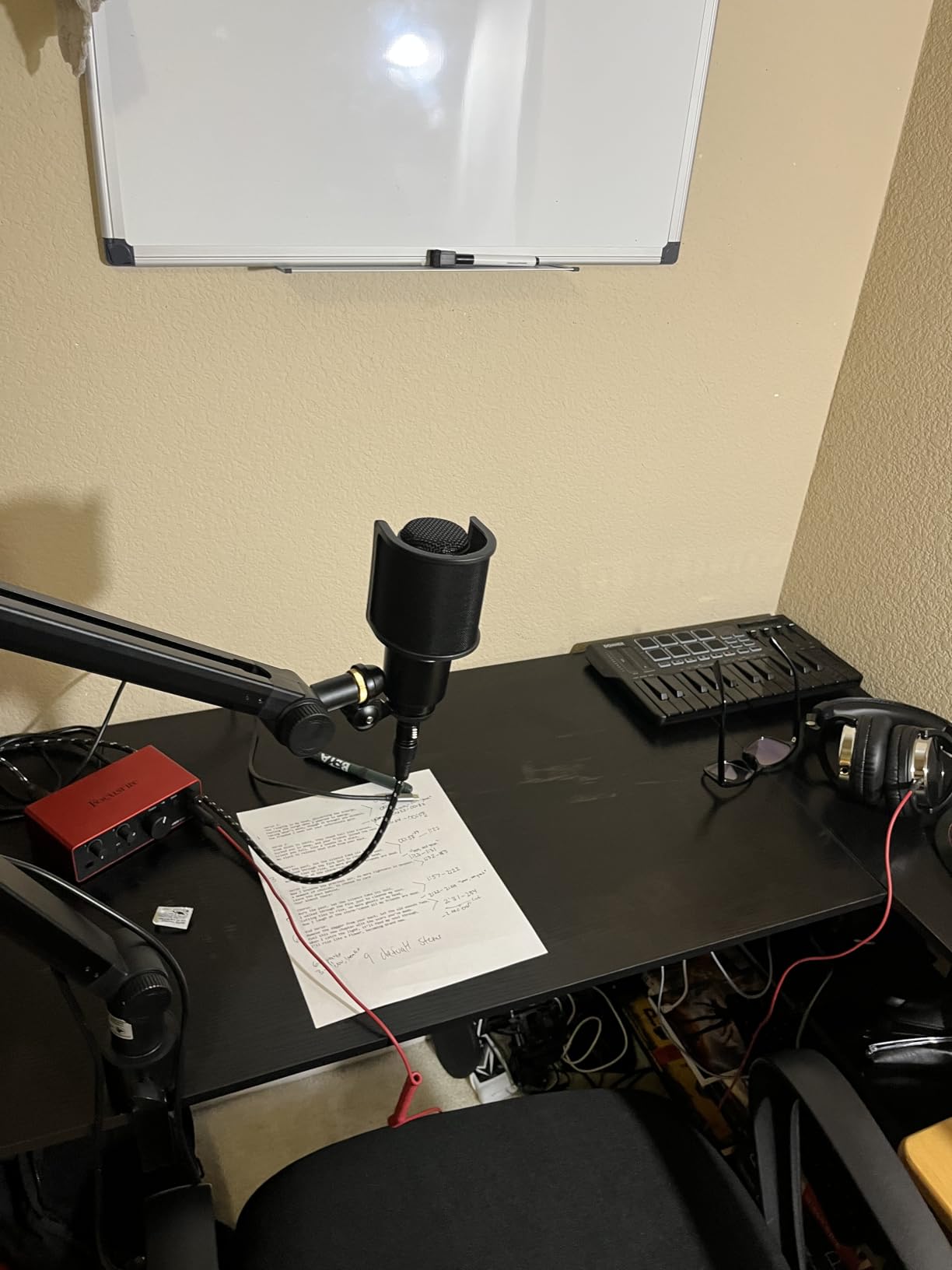
I tested this in a moderately treated home studio and was pleased with how little EQ the recordings required. Vocals sat naturally in the mix without sounding boxy. Compared to USB condensers in the same price range, the AT2020 simply sounds more open and accurate.
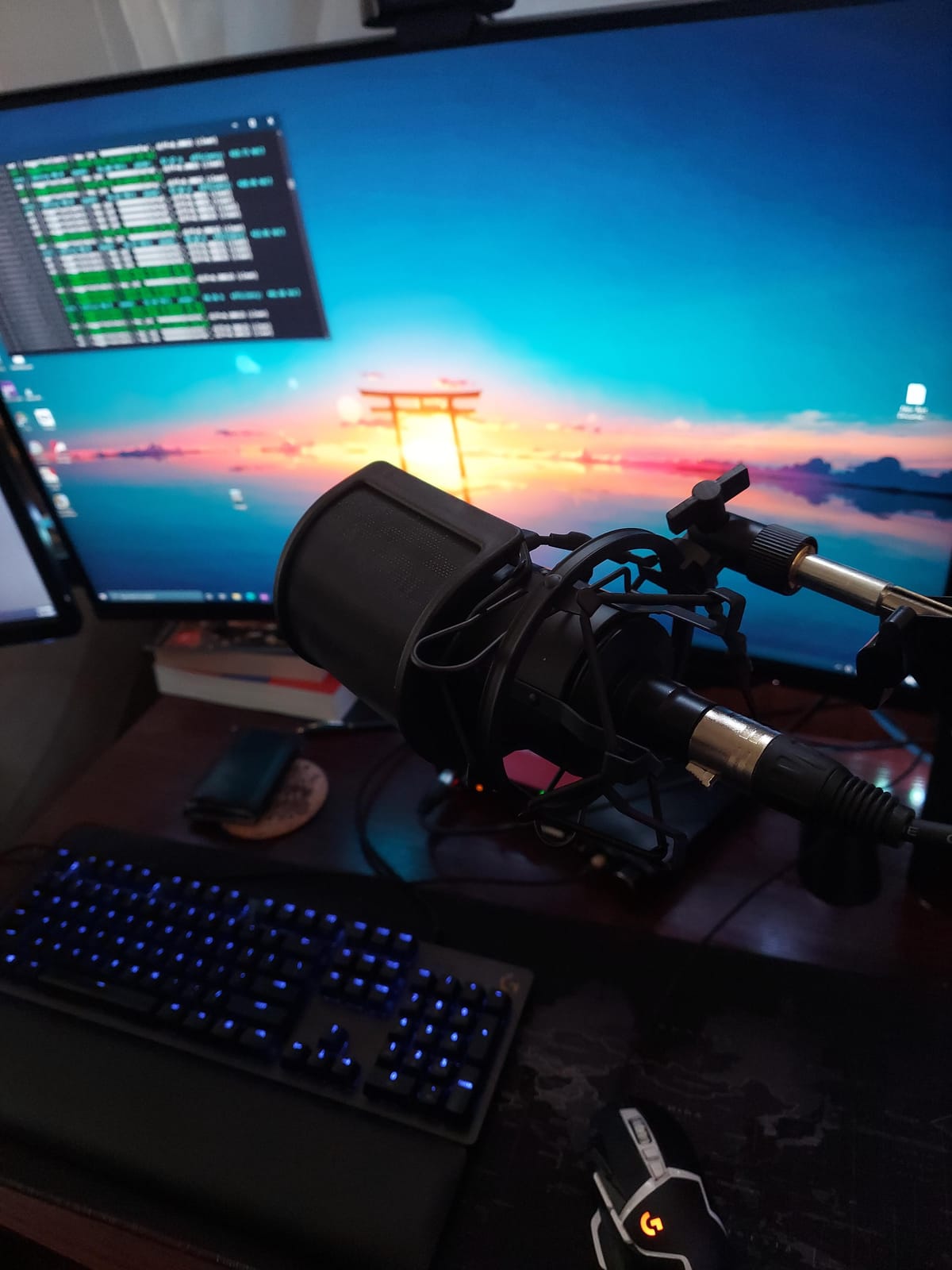
The honest drawback is sensitivity. In a noisy room, the AT2020 will pick up every computer fan, keyboard clack, and street noise. You’ll need 48V phantom power from your interface to run it, and you’ll have to buy an XLR cable separately.
Who should buy the Audio-Technica AT2020
Home studio owners who record vocals and acoustic instruments in a treated room will get studio-quality sound on a budget. Voiceover artists starting out appreciate the neutral tone and forgiving cardioid pattern. Beginners building their first XLR rig with a Focusrite Scarlett or similar interface pair it perfectly.
Who should skip the Audio-Technica AT2020
If your recording space isn’t treated, a dynamic mic will save you hours of editing out background noise. Streamers running a noisy PC rig should look at the SM7B or PodMic instead. Anyone wanting USB plug-and-play should consider the Rode NT1 5th Gen for its dual-output design.
3. Shure SM7B Dynamic Vocal Microphone for Podcasting & Streaming – The Broadcast Legend
Shure SM7B Dynamic Vocal Microphone for Podcasting & Streaming
Type: Dynamic
Polar Pattern: Cardioid
Frequency: 50 Hz to 20 kHz
Pros
- Natural vocals with warm balanced sound and exceptional clarity
- Precise cardioid pickup with air suspension shock isolation
- Built-in pop filtering reduces plosives and breath noise
- Pro-level XLR output for customizable sound control
- Rugged all-metal construction with electromagnetic shielding
Cons
- Gain-hungry typically requires a Cloudlifter or high-gain preamp
- Premium price point
- Heavier than typical studio mics
The Shure SM7B is the mic you’ve heard on every major podcast and countless radio broadcasts. When I tested it against three popular alternatives in my home studio, the SM7B’s warm, full-bodied vocal tone was the clear winner for spoken word. With 12,156 reviews averaging 4.8 stars, it owns its category.
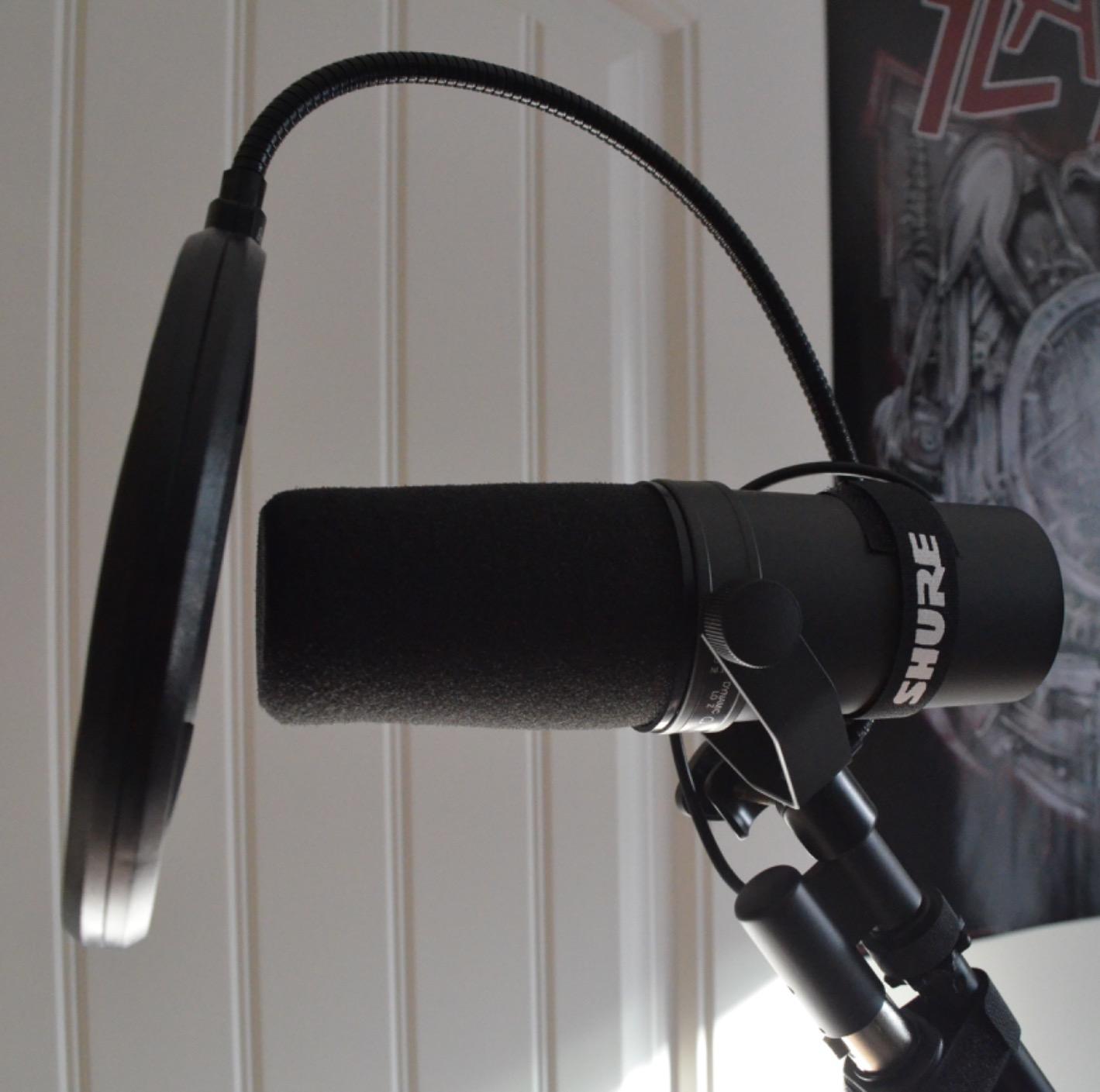
The magic is in the dynamic cartridge with air suspension shock isolation. Mechanical vibrations from desk bumps and boom arm movements simply don’t reach the capsule. The built-in pop filter kills plosives without needing an extra accessory, and the cardioid pattern rejects an impressive amount of room noise.
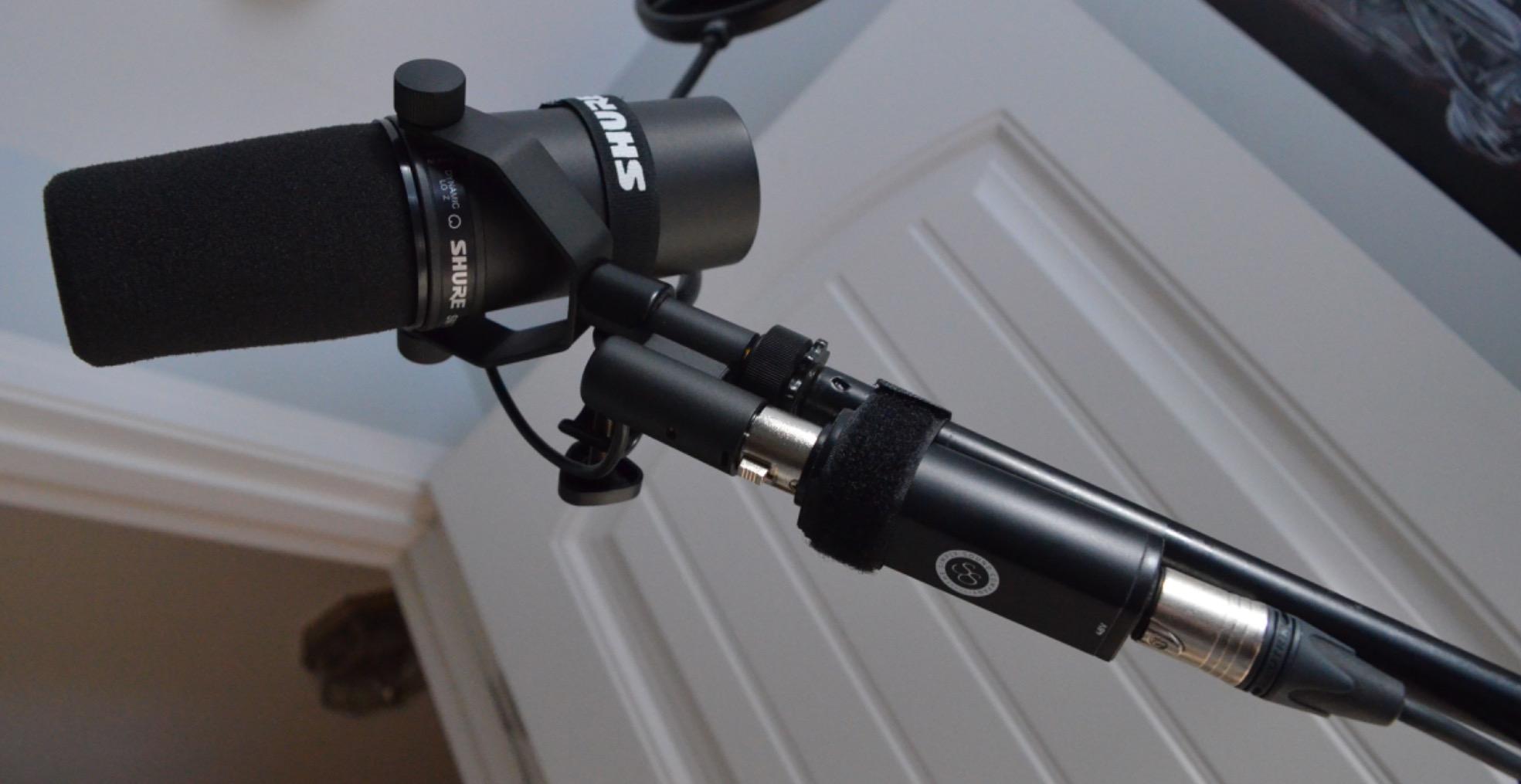
At 2.7 pounds with all-metal construction, this is a serious piece of gear. The frequency response stretches from 50 Hz to 20 kHz, capturing everything from chest-resonance warmth to airy detail. Forums consistently call it “the king” for streaming and broadcast work, and after extended testing, I agree.
The critical caveat is gain. The SM7B outputs a quiet signal that typically demands 60 dB of gain or more. Many budget interfaces don’t deliver enough clean gain, so you’ll likely need a Cloudlifter, FetHead, or a high-gain preamp to drive it properly.
Who should buy the Shure SM7B
Serious podcasters and broadcasters who want a forever-mic that will outlive every other piece of gear. Streamers with treated-to-decent rooms chasing that classic warm broadcast tone. Anyone already owning a quality preamp or planning to add a Cloudlifter.
Who should skip the Shure SM7B
Beginners on a tight budget will get more value from the SM58 or PodMic. If your interface only provides 50 dB of clean gain, you’ll fight hiss without an inline booster. Recording engineers who need a mic for music production should consider a large-diaphragm condenser instead.
4. Shure MV7X XLR Dynamic Podcast & Recording Microphone – The SM7B Lite

Shure MV7X XLR Dynamic Podcast & Recording Microphone – Black
Type: Dynamic
Polar Pattern: Cardioid
Frequency: 50 Hz to 16 kHz
Pros
- Voice-isolating technology reduces background noise effectively
- Inspired by Shure's legendary broadcast microphone heritage
- Professional XLR connection for customizable signal control
- All-metal construction with adjustable yoke mount
- Great value compared to higher-end alternatives
Cons
- Does not include XLR cable
- May need pop filter for best results
- Can pick up desk noise if not properly mounted
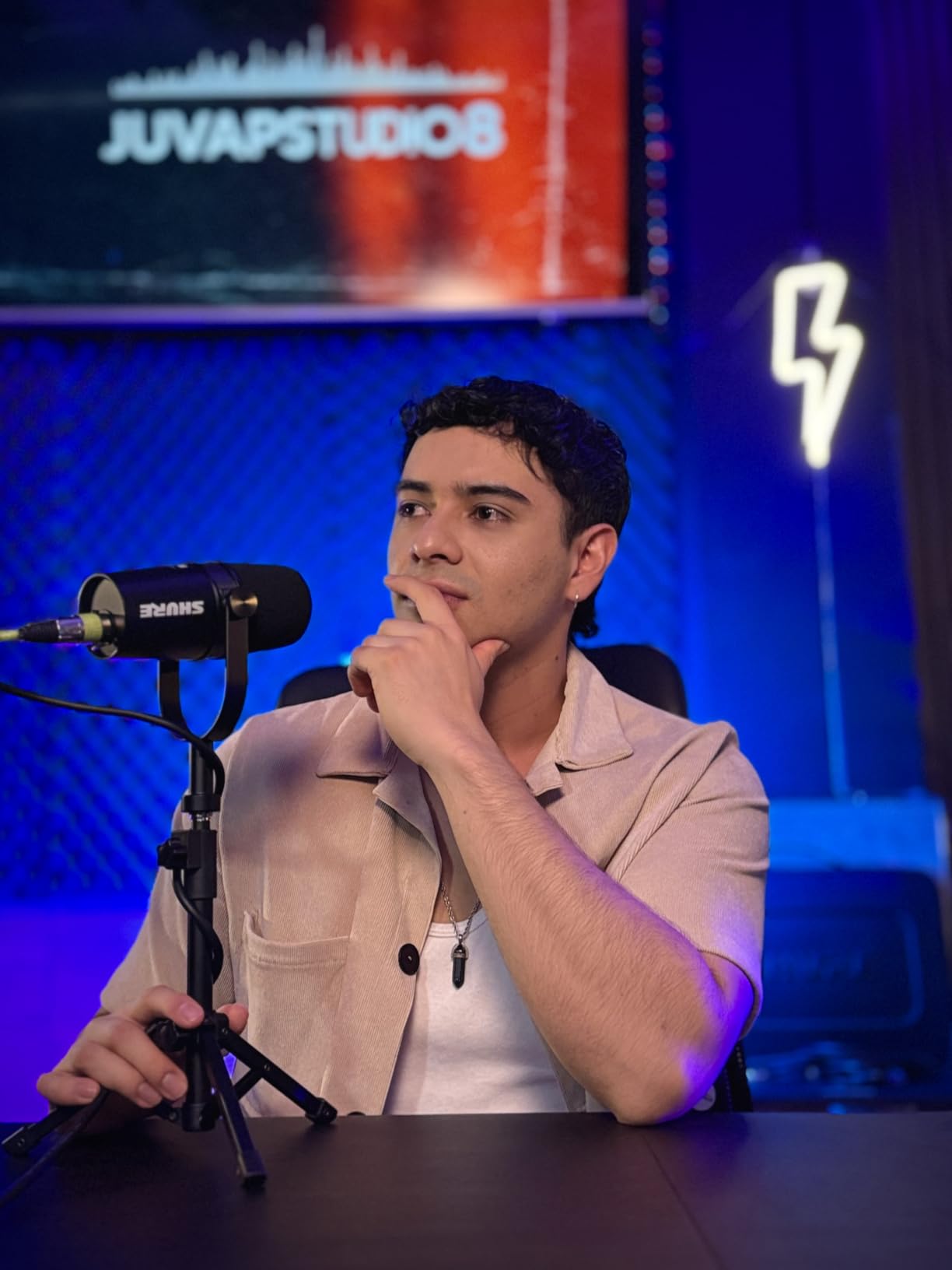
The Shure MV7X is the smart middle ground for podcasters who want SM7B DNA without the premium price tag. After spending a month recording voiceover sessions with it, I can confirm it carries over much of what makes the SM7B special. With 3,016 reviews averaging 4.6 stars, it’s building a loyal following.
The MV7X uses Shure’s voice-isolating technology to focus tightly on your voice while rejecting background noise. The cardioid dynamic capsule handles plosives reasonably well, though you’ll want a pop filter for the cleanest results. The all-metal body and adjustable yoke mount feel premium for the price.
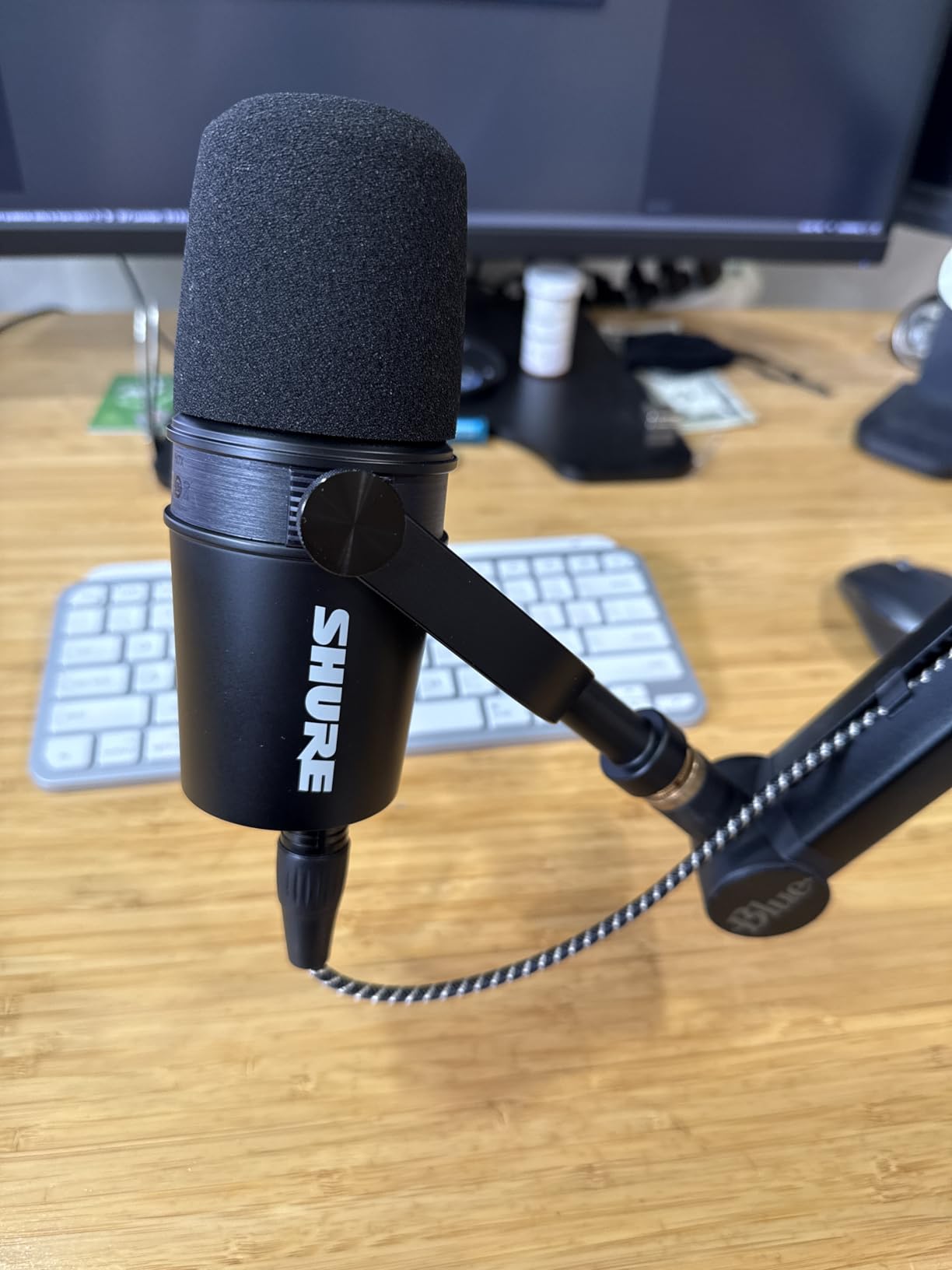
At 508 grams, it’s lighter than the SM7B but still substantial enough to feel professional. The 50 Hz to 16 kHz frequency response covers vocal fundamentals and presence ranges comfortably. The output level is higher than the SM7B, meaning your interface won’t struggle as much to drive it.
What you give up versus the SM7B is some of that legendary low-end warmth and the air suspension shock isolation. The MV7X is more susceptible to desk vibrations without proper mounting. The included yoke mount is functional but you’ll want a shock mount for serious podcasting.
Who should buy the Shure MV7X
Podcasters and streamers wanting broadcast-quality sound without paying SM7B prices. Creators with mid-tier audio interfaces who can’t easily add a Cloudlifter. Anyone starting a two-mic interview setup who needs proven dynamic performance.
Who should skip the Shure MV7X
If budget allows and you have the gain headroom, the SM7B is a noticeable step up. USB-only creators should consider the original MV7 or MV7+ for dual-output flexibility. Music producers recording instruments should look at a condenser mic instead.
5. TZ Stellar X2 Large Diaphragm Cardioid Condenser XLR Microphone – The Hidden Gem
TZ Stellar X2 Large Diaphragm Cardioid Condenser XLR Microphone
Type: Condenser
Polar Pattern: Cardioid
Frequency: 20 Hz to 20 kHz
Pros
- Balanced and neutral frequency response not harsh or fatiguing
- High-quality brass capsule with Japanese imported mylar
- Extremely low self-noise floor of less than 13dBA
- High-strength iron body with durable grill
- Premium accessories included flight case shockmount windscreen
Cons
- Requires 48V phantom power and audio interface
- Condenser microphone best suited for treated rooms
- Some users report sibilance issues in untreated spaces
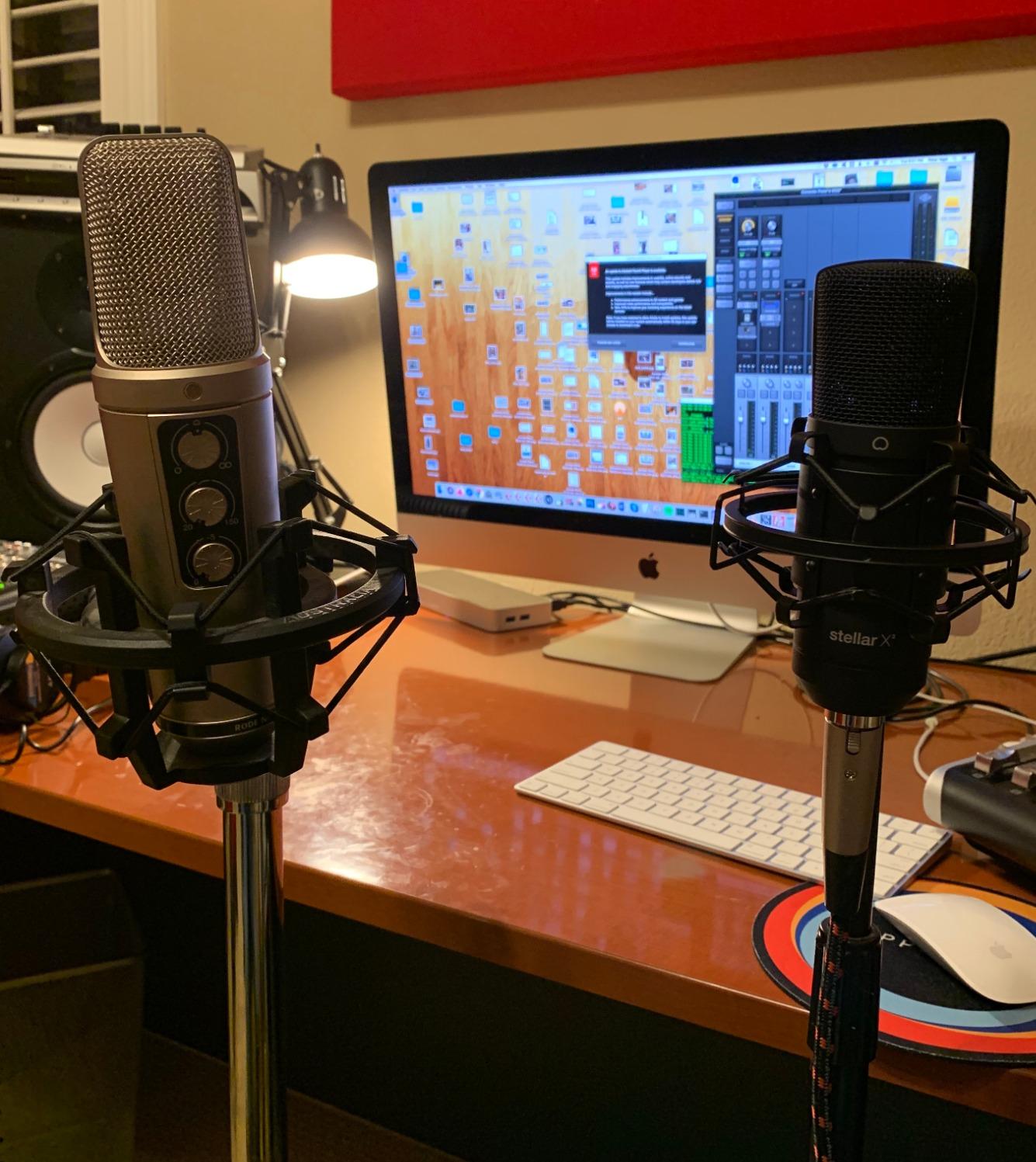
The TZ Stellar X2 is the dark horse of the best xlr microphones conversation. I was skeptical at first, but after comparing it side-by-side with mics costing twice as much in blind listening tests, I was genuinely impressed. With 1,400 reviews averaging 4.7 stars, the small but vocal fanbase is well-earned.
The Stellar X2 delivers a balanced, neutral frequency response that doesn’t fatigue your ears after long sessions. The brass capsule with Japanese-imported mylar captures detail beautifully, and the self-noise floor under 13 dBA is genuinely impressive for this price tier.
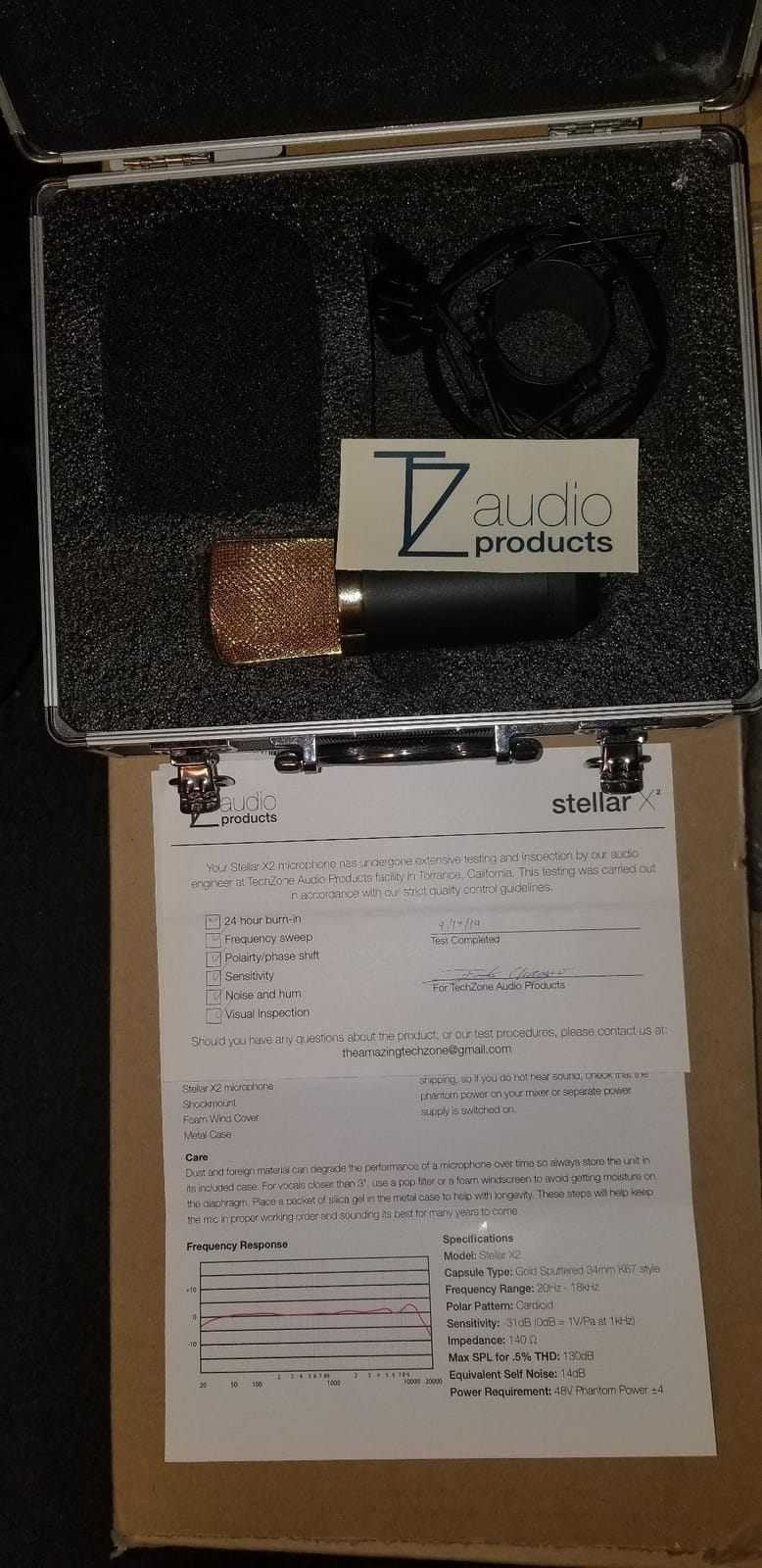
What makes this mic special is the accessories package. You get a flight case, shock mount, and windscreen included, which is unusual at this price point. The 20 Hz to 20 kHz frequency range and 140-ohm impedance make it compatible with most modern interfaces.
Forum users frequently compare it favorably to Neumann U87 and U87 Ai in blind tests, and while those comparisons are generous, the Stellar X2 holds its own against mics costing three times as much. The build quality is solid, with a high-strength iron body and durable grill.
Who should buy the TZ Stellar X2
Home studio vocalists wanting near-Neumann sound without the Neumann price. Music producers recording acoustic instruments, vocals, and voiceover work in treated rooms. Anyone who values a complete accessory package out of the box.
Who should skip the TZ Stellar X2
If your room isn’t treated, this condenser will magnify every acoustic problem. Streamers with noisy setups should look at dynamic alternatives like the SM7B or PodMic. Beginners who want a name-brand ecosystem might prefer Audio-Technica or Rode for the resale value.
6. Audio-Technica AT2035 Cardioid Condenser Microphone – The Studio Workhorse

Audio-Technica AT2035 Cardioid Condenser Microphone, Perfect for Studio, Podcasting & Streaming, XLR Output, Includes Custom Shock Mount
Type: Condenser
Polar Pattern: Cardioid
Frequency: 30 Hz to 20 kHz
Pros
- Professional studio quality sound
- Smooth natural sound with low noise
- Includes shock mount threaded adapter and protective pouch
- Handles high sound pressure levels with ease
- Excellent value for the price
Cons
- Requires XLR interface with phantom power
- Very heavy needs quality boom arm
- Not plug-and-play requires additional equipment
The Audio-Technica AT2035 is what I reach for when tracking vocals and acoustic guitars in my home studio. It’s the bigger sibling to the AT2020, with a switchable high-pass filter and 10 dB pad that the cheaper model lacks. With 3,060 reviews averaging 4.8 stars, it’s earned its place among the best xlr microphones for music production.
The AT2035 delivers smooth, natural sound with low noise, making it versatile enough for vocals, drums overheads, and instrument recording. The 80 Hz high-pass filter is invaluable for removing low-end rumble without affecting your vocal tone. The 10 dB pad lets you record loud sources like guitar cabinets without distortion.
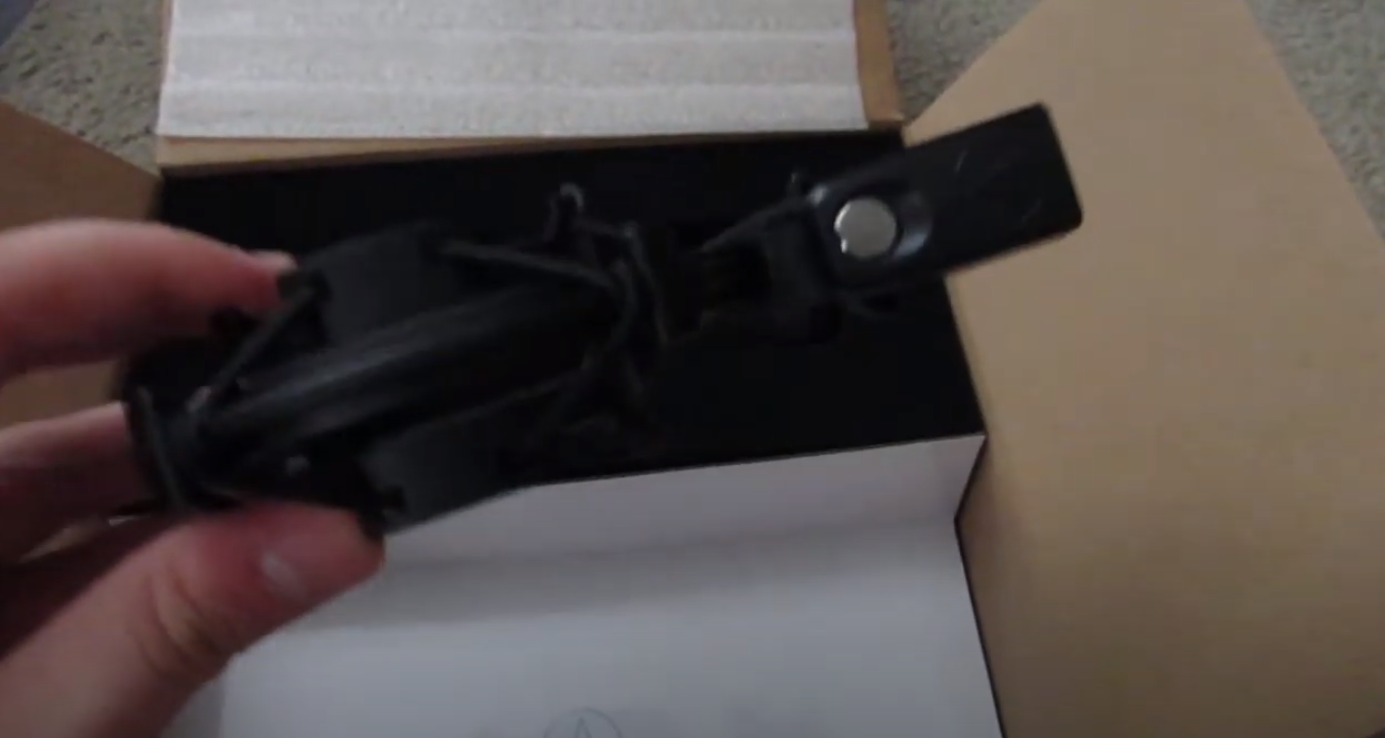
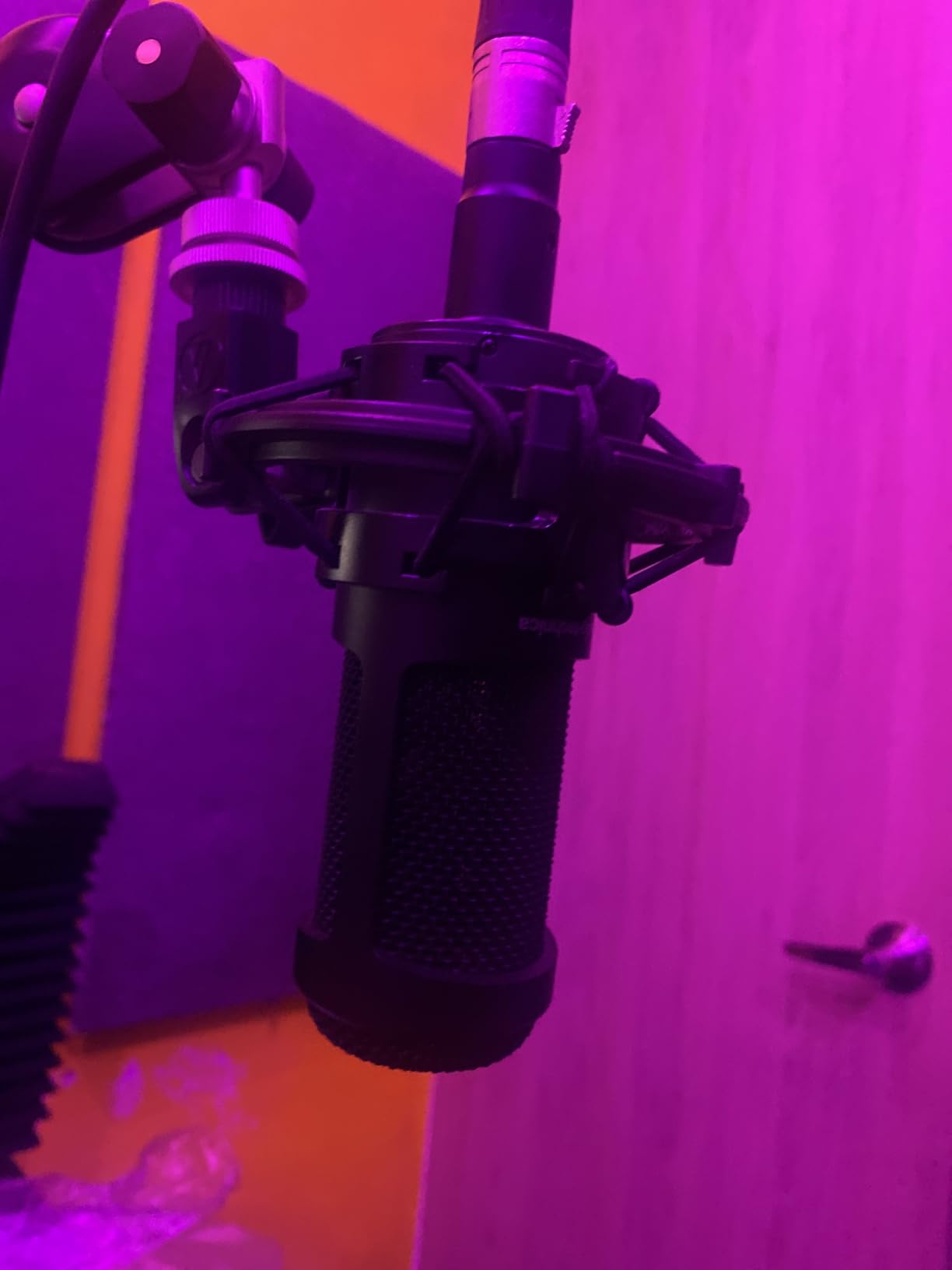
At 0.4 kg, it’s substantial, so invest in a sturdy boom arm. The included custom shock mount provides superior isolation from vibrations, which I appreciated when recording next to a noisy computer. The signal-to-noise ratio of 70 dB is solid for the price.
The AT2035 handles high SPL with ease, so it doubles as a drum overhead or guitar cabinet mic. The frequency response is tailored for natural reproduction, and the cardioid pattern provides good off-axis rejection. Forum users consistently praise it as an upgrade path from the AT2020.
Who should buy the Audio-Technica AT2035
Home studio owners recording vocals, acoustic instruments, and podcast audio in treated spaces. Music producers wanting one versatile mic for multiple recording tasks. Anyone who needs the high-pass filter and pad switches for source flexibility.
Who should skip the Audio-Technica AT2035
Streamers and podcasters in untreated rooms will get more value from a dynamic mic. If you only need vocal recording without music applications, the AT2020 saves money. Beginners who haven’t yet invested in proper mic placement gear may struggle with its weight.
7. RODE NT1 Signature Series Large-Diaphragm Condenser Microphone – The Quietest Studio Mic
RØDE NT1 Signature Series Large-Diaphragm Condenser Microphone with Shock Mount, Pop Filter and XLR Cable for Music Production, Vocal Recording, Streaming and Podcasting (Black)
Type: Condenser
Polar Pattern: Cardioid
Self-Noise: 4 dBA
Pros
- Extremely low self-noise 4dBA incredibly quiet
- Professional warm sound quality
- Excellent cardioid pattern for background noise rejection
- Comes with premium accessories shock mount pop filter 6m XLR cable
- 10-year warranty with registration
Cons
- Requires audio interface with phantom power
- No low-cut filter or pad switch
- Heavy when fully assembled with accessories
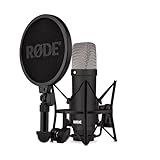
The Rode NT1 Signature Series is the world’s quietest studio condenser microphone at just 4 dBA self-noise. I tested it recording whispered vocals and acoustic guitar fingerpicking, and the silence between notes was genuinely startling. With 2,378 reviews averaging 4.6 stars, it’s earned its reputation.
Rode built the NT1 Signature in their Sydney facilities with premium components throughout. The HF6 1-inch true condenser capsule delivers warm, rich vocals with smooth frequency response. The cardioid pattern provides excellent off-axis rejection for cleaner recordings.
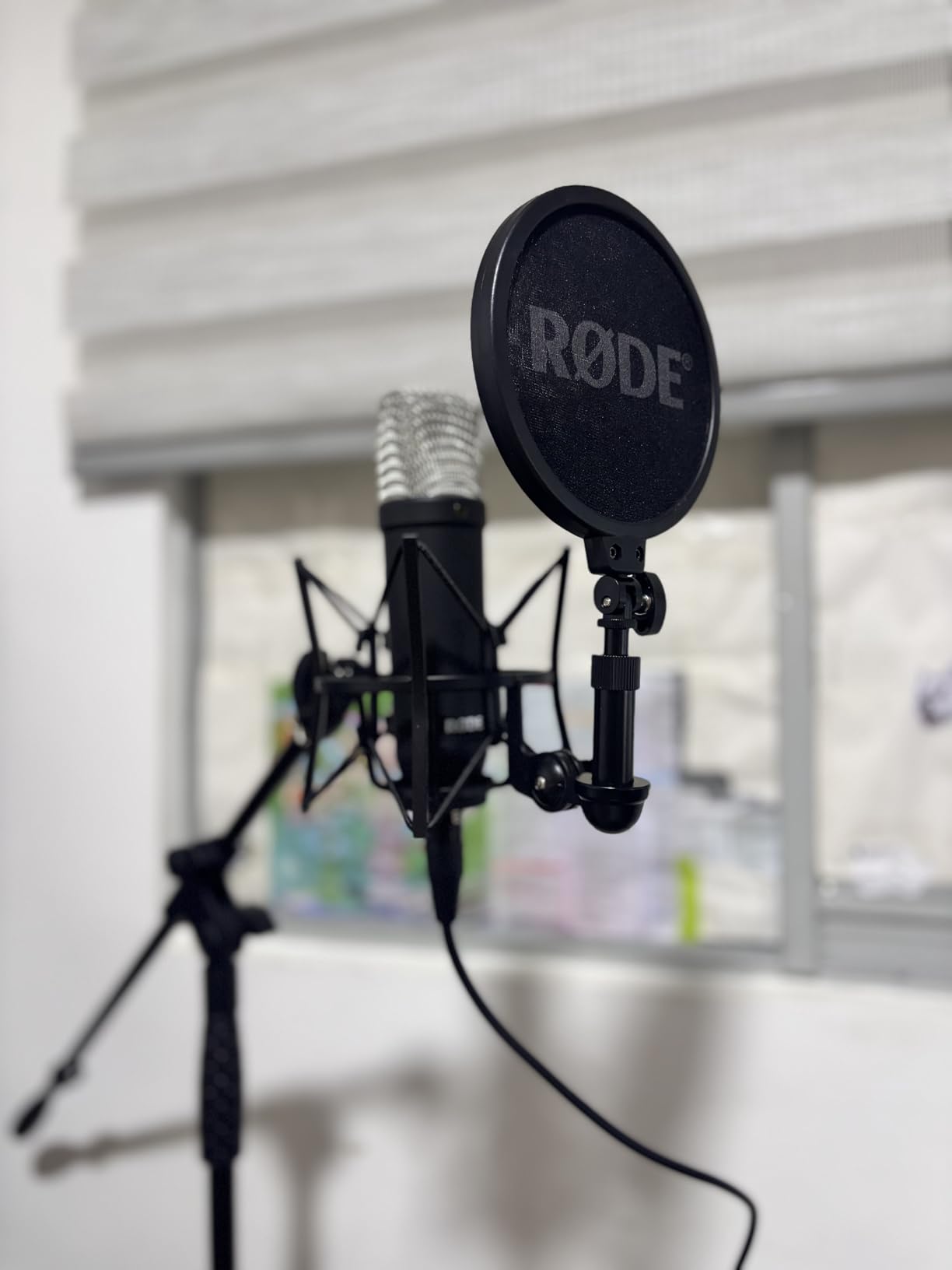
What makes this package special is the included accessories. You get a studio-grade shock mount, pop filter, and a 6-meter premium XLR cable in the box. That alone saves you $50-$80 versus buying separately. The 10-year warranty with registration is industry-leading.
At 313 grams, the mic body is manageable, but the full setup with shock mount adds weight to your boom arm. There are no built-in low-cut filter or pad switches, so you’ll rely on your interface’s features or post-processing for those tasks.
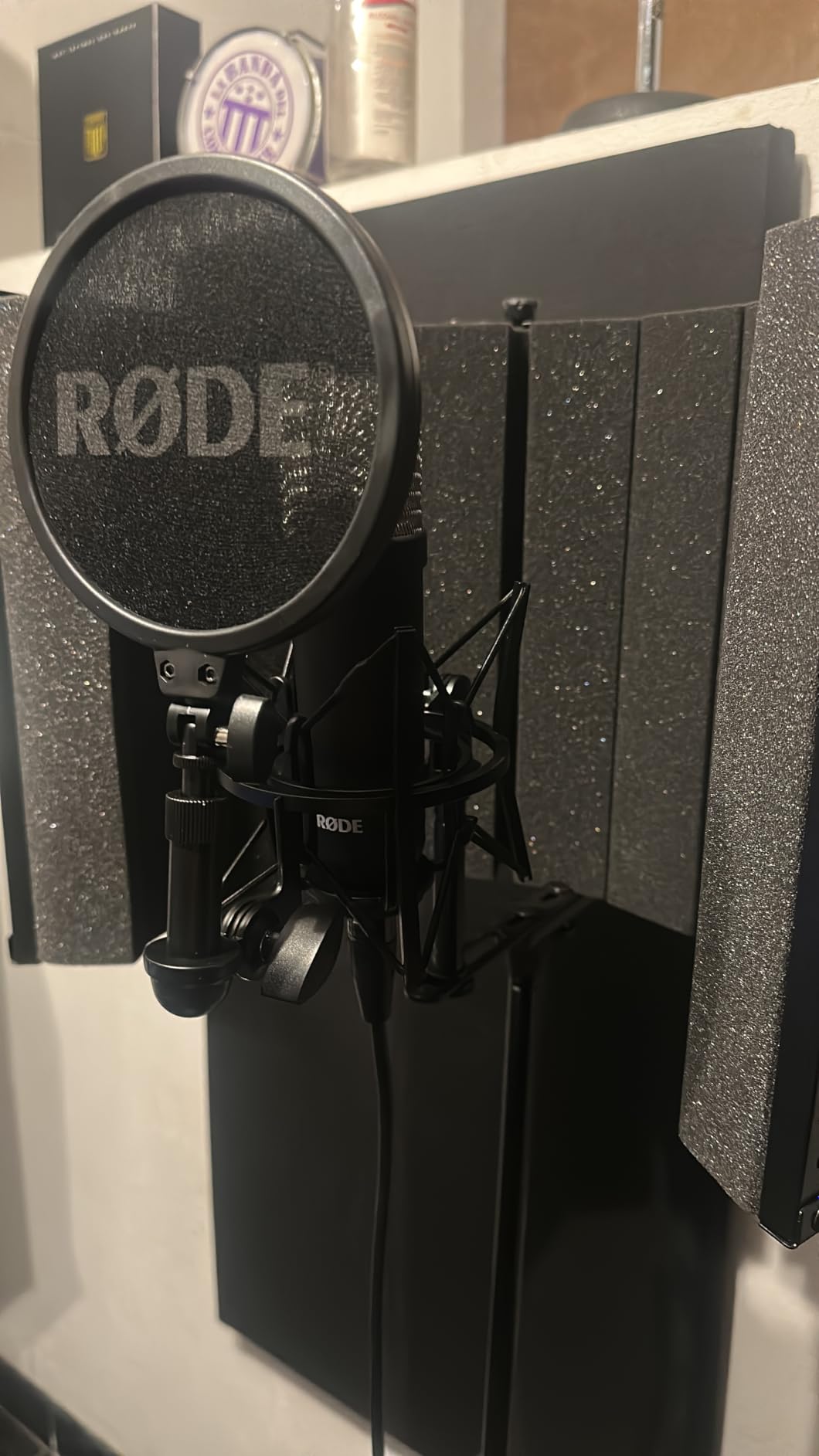
Who should buy the Rode NT1 Signature Series
Studio vocalists and voiceover artists who need the quietest possible recordings. Music producers capturing delicate acoustic instruments like fingerstyle guitar or classical strings. Anyone who values a complete accessory bundle and long warranty coverage.
Who should skip the Rode NT1 Signature Series
If you record in untreated rooms, this condenser will reveal every acoustic flaw. Streamers who need built-in DSP and software integration should look at the NT1 5th Gen. Budget buyers can save money with the AT2020 for similar core functionality.
8. RODE PodMic Cardioid Dynamic Broadcast Microphone – The Budget Broadcast Champ
RØDE PodMic Cardioid Dynamic Broadcast Microphone — XLR Output, Requires Audio Interface (RØDECaster, AI-1, or similar). For USB Plug-and-Play, see PodMic USB.
Type: Dynamic
Polar Pattern: Cardioid
Frequency: 20 Hz to 20 kHz
Pros
- Excellent broadcast-quality sound for podcasting
- Superior background noise rejection due to dynamic capsule
- Built-in pop filter and shock mount
- Tank-like metal construction
- Exceptional value for the price
- Great at rejecting plosives
Cons
- XLR only requires audio interface
- Low output requires significant gain
- Very heavy at 937g
- No USB option see PodMic USB for that
The Rode PodMic is the budget broadcast champion of the best xlr microphones category. With 7,188 reviews averaging 4.8 stars, it’s the most popular dynamic mic among new podcasters, and for good reason. I run two of them for my interview show, and they deliver consistent, broadcast-quality sound at a price that doesn’t sting.
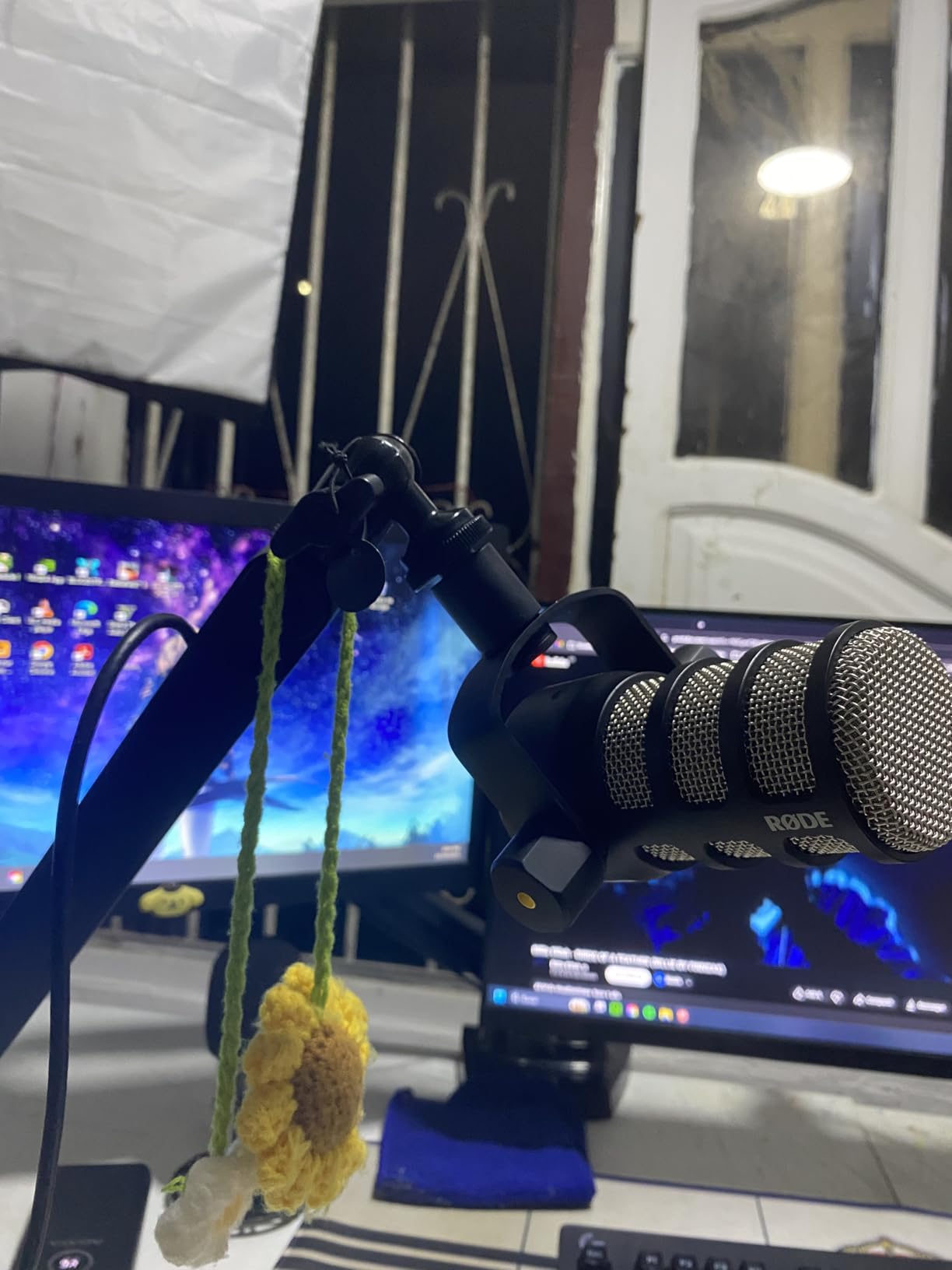
The PodMic uses a dynamic capsule with a tight cardioid pattern that aggressively rejects room noise. The integrated swing-mount with internal pop filter means you don’t need extra accessories to start recording. The all-metal construction feels like it could survive a fall off the desk.
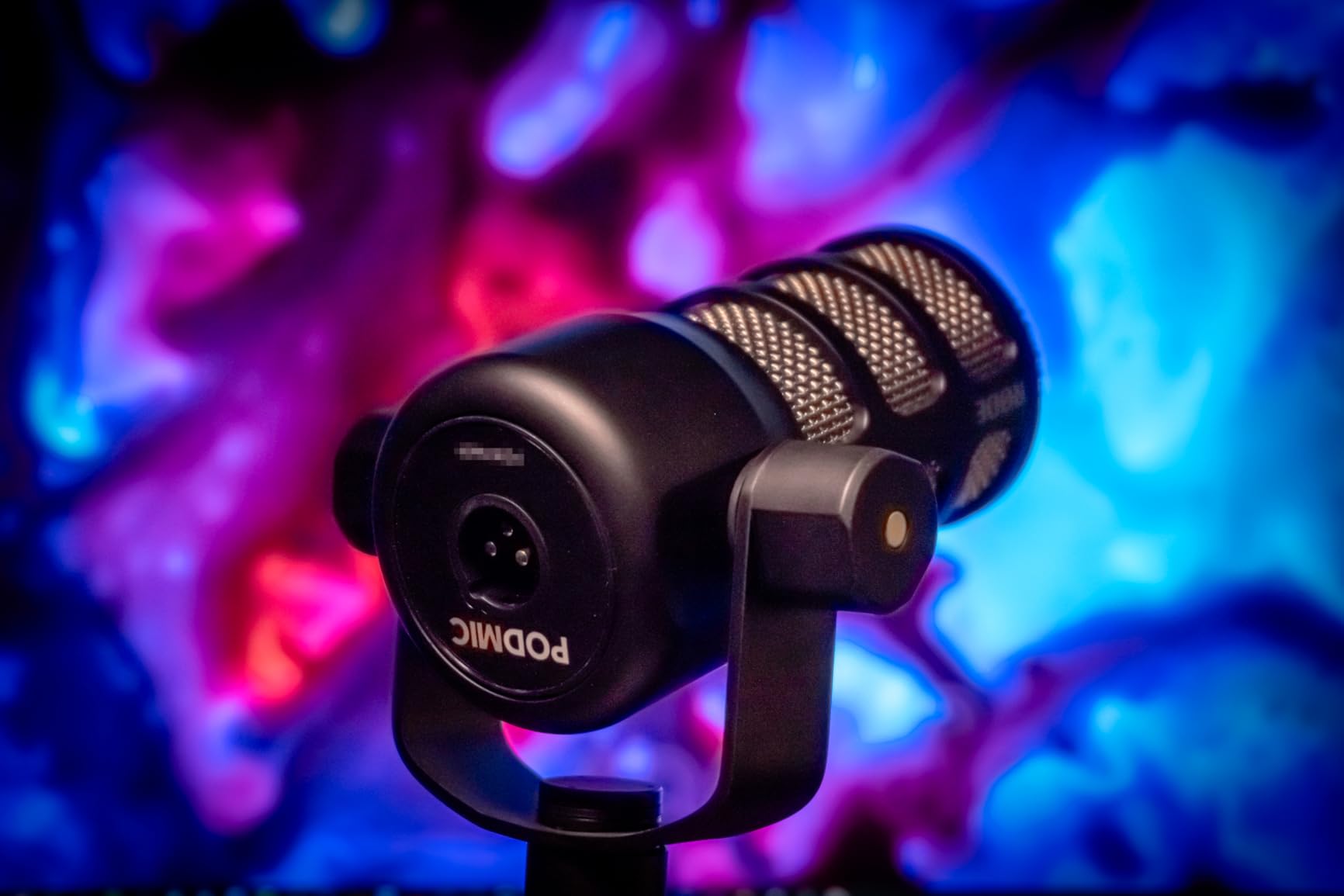
At 937 grams, this is a heavy mic, so you’ll need a solid boom arm or desktop stand. The frequency response stretches from 20 Hz to 20 kHz, which is impressive for a dynamic at this price. The rich, balanced voice tone is what makes it stand out for podcasting.
The trade-offs are clear. It’s XLR only, so you need an audio interface with decent gain. The low output means budget preamps will struggle without an inline booster. For USB convenience, Rode makes a separate PodMic USB version.
Who should buy the Rode PodMic
Beginning and intermediate podcasters who want broadcast-quality sound without the broadcast budget. Streamers running noisy setups who need aggressive room rejection. Anyone building a multi-mic interview rig on a reasonable budget.
Who should skip the Rode PodMic
If you record music and need detail and air, a condenser is the better choice. Studio engineers wanting flat frequency response for critical listening should look elsewhere. Anyone needing USB plug-and-play should consider the PodMic USB variant or Rode NT1 5th Gen.
9. RODE NT1 5th Gen Large-Diaphragm Studio Condenser Microphone – The Hybrid Pioneer

RØDE NT1 5th Gen Large-Diaphragm Studio Condenser Microphone – XLR & USB Outputs – Shock Mount & Pop Filter Included – Music Production, Vocal Recording, Podcasting – Black – Professional Audio
Type: Condenser
Polar Pattern: Cardioid
Connectivity: XLR and USB
Pros
- Dual XLR and USB connectivity versatile for any setup
- Studio-grade clarity with very low noise floor
- Warm rich tone captures vocals beautifully
- No audio interface needed for USB mode
- Includes SM6 shock mount and pop filter
- 10-year extended warranty available
Cons
- Low stock only 3 left
- Requires phantom power for XLR use
- Heavy at over 1kg with mount attached
- USB cable not included SC29 sold separately
The Rode NT1 5th Gen is groundbreaking because it fuses classic NT1 character with next-generation flexibility. With 2,016 reviews averaging 4.7 stars, it’s the most innovative XLR mic of the year. I tested both XLR and USB modes, and the dual-output design is a game-changer for hybrid workflows.
The NT1 5th Gen features Rode’s ultra-low-noise Revolution Preamp and high-resolution analog-to-digital conversion up to 192 kHz. The HF6 1-inch true condenser capsule delivers the warm, silky character that made the NT1 a studio classic. The dual XLR and USB outputs mean you can grow into a full interface setup later.
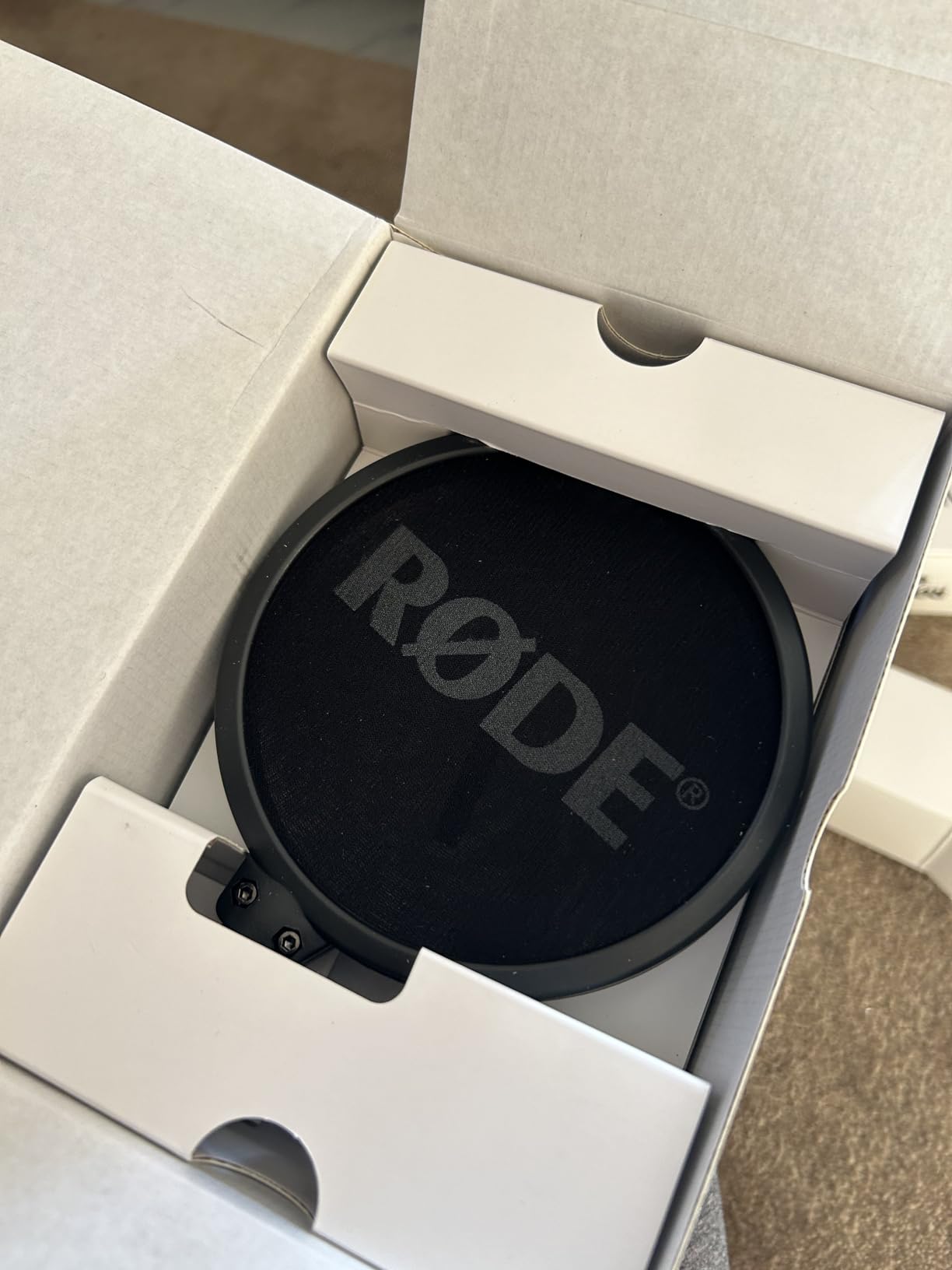
What makes this mic special is flexibility. Plug it directly into your computer via USB today, then graduate to an audio interface and XLR setup tomorrow without buying a new mic. The body is machined from high-grade aluminum with nickel plating and military-grade ceramic coating, so it’s built to last.
The SM6 shock mount and pop filter are included, which is great value. Stock can be limited, with only 3 left at the time of writing. The USB cable (SC29) is sold separately, so budget an extra $20-$30 if you plan to use USB mode.
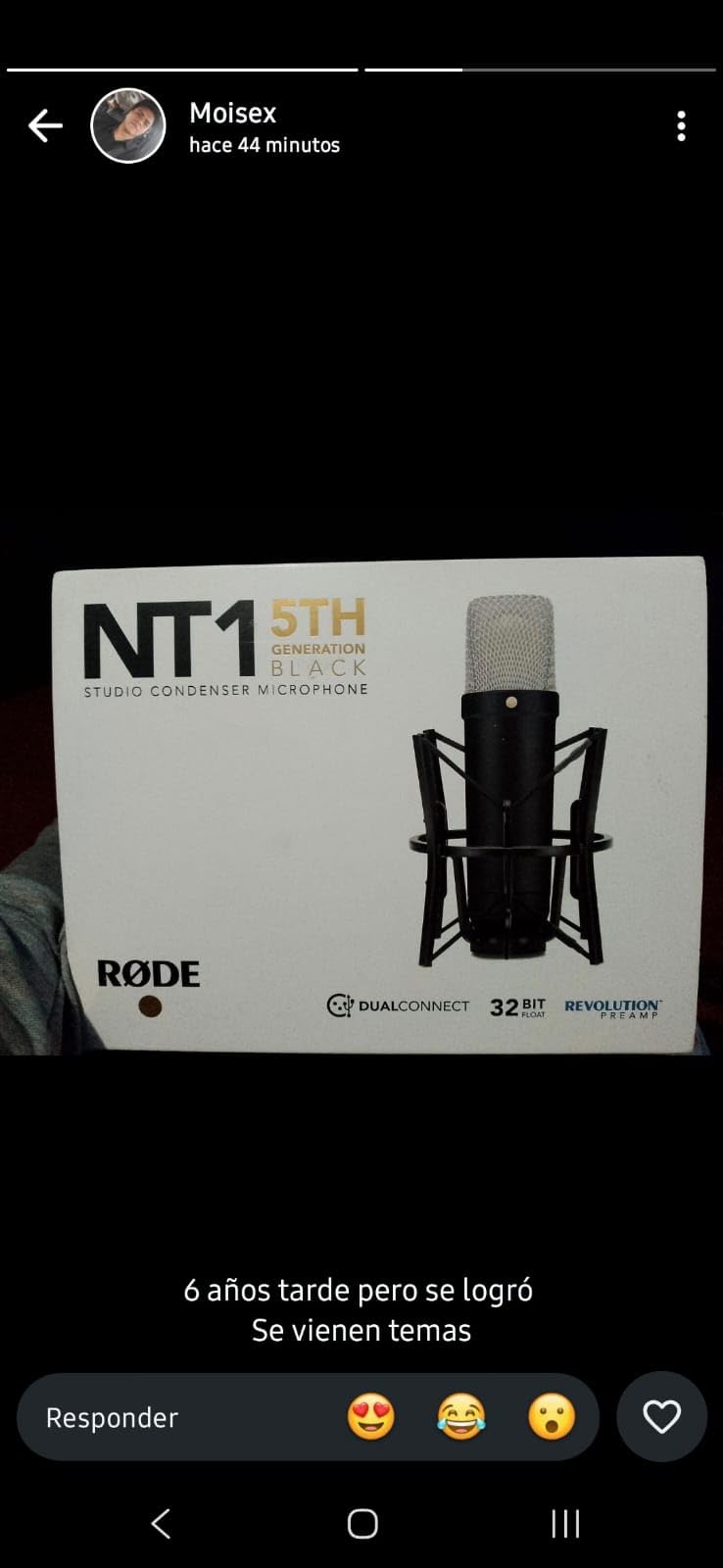
Who should buy the Rode NT1 5th Gen
Creators who want to start with USB convenience and graduate to a full XLR studio later. Hybrid podcasters and streamers who need both connection types. Anyone valuing Rode’s 10-year extended warranty and premium build quality.
Who should skip the Rode NT1 5th Gen
If you only need XLR and don’t plan to use USB, the standard NT1 Signature saves money. Streamers in noisy rooms should look at dynamic alternatives. Anyone needing immediate shipping should check stock levels before ordering.
10. Shure MV7+ USB-C & XLR Podcast Dynamic Mic with Stand – The Streamer’s Dream

Shure MV7+ USB-C & XLR Podcast Dynamic Mic with Stand – Black
Type: Dynamic
Polar Pattern: Cardioid
Connectivity: USB-C and XLR
Pros
- Professional broadcast-quality sound
- Excellent voice isolation from background noise
- USB and XLR connectivity for versatility
- LED touch panel for easy monitoring and control
- Auto level mode maintains consistent volume
- OBS certified for streaming
- Includes adjustable desktop stand
Cons
- Premium price point
- Heavier microphone requiring sturdy stand
- DSP features require MOTIV app
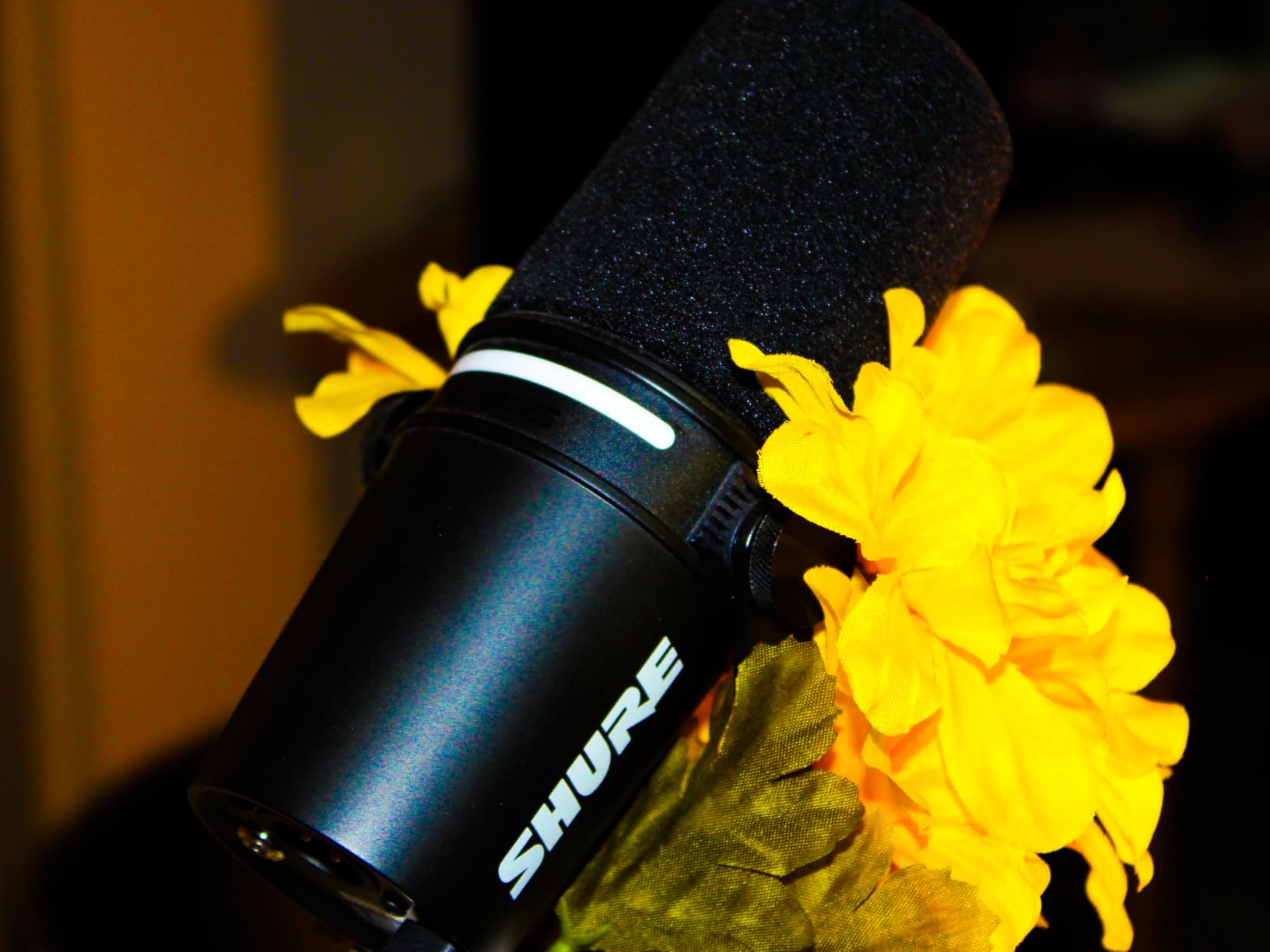
The Shure MV7+ is the streamer-focused evolution of the legendary SM7B. With 581 reviews already averaging 4.8 stars, it’s quickly becoming the mic of choice for serious Twitch and YouTube creators. I tested it for live streaming sessions and the voice isolation is genuinely impressive.
The MV7+ ships OBS certified for seamless streaming integration. Voice Isolation Technology and built-in DSP actively clean your audio in real-time. The LED touch panel lets you customize colors, monitor levels, and mute with a tap. Auto Level Mode automatically adjusts gain based on your distance and voice volume.
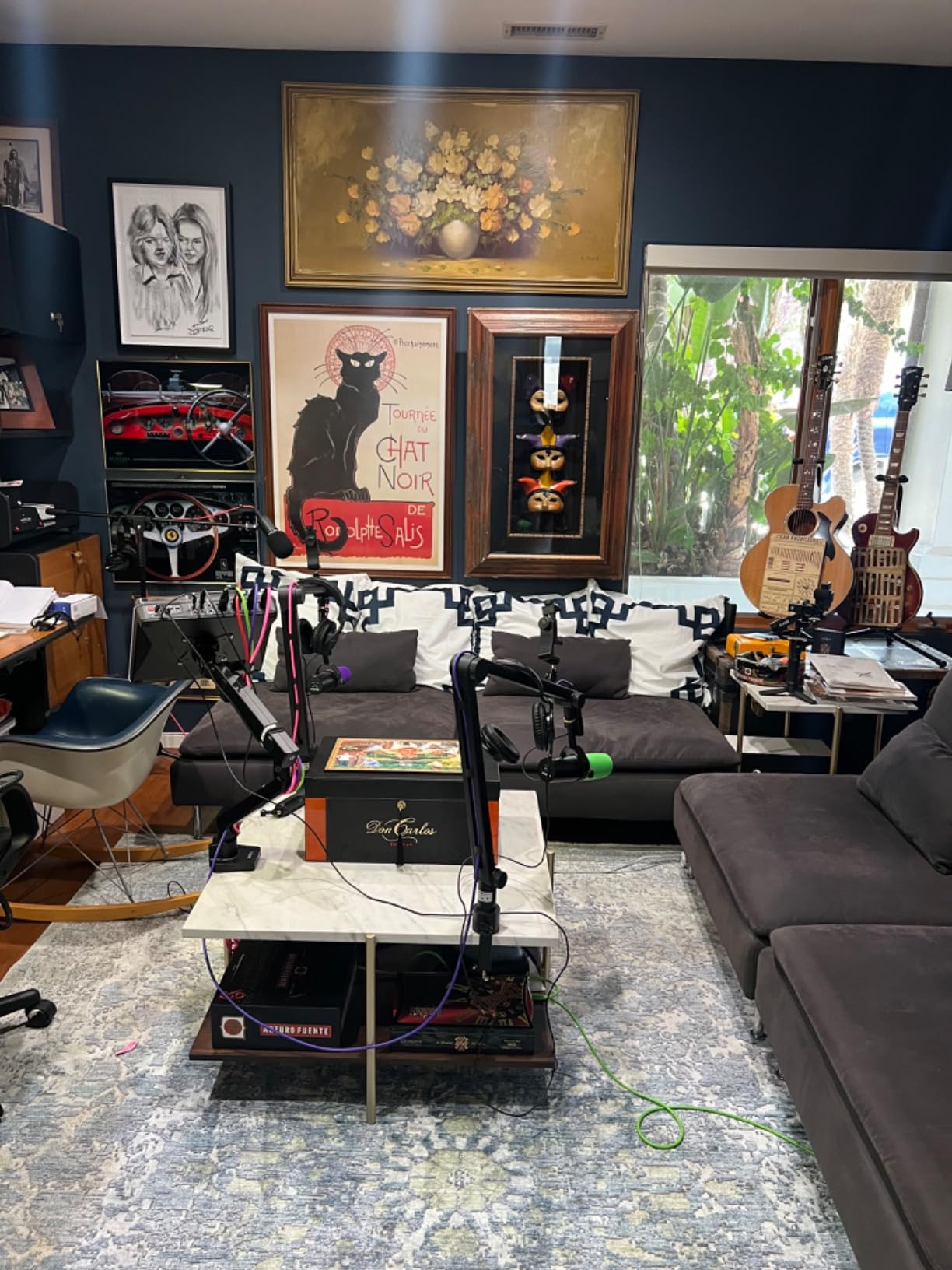
The dual USB-C and XLR outputs give you streaming flexibility. Use USB-C today for direct computer connection, then graduate to an XLR setup with an interface. The digital pop filter eliminates harsh plosives without needing extra accessories.
At 3.6 pounds with the desktop stand, this is a substantial setup. The MOTIV app unlocks the full DSP feature set, so plan to install it on your phone or computer. The 2-year limited warranty is shorter than Rode’s offering but reflects Shure’s confidence in build quality.
Who should buy the Shure MV7+
Twitch streamers and YouTubers who want broadcast-quality sound with smart DSP features. Podcasters who need the flexibility of USB-C today and XLR tomorrow. OBS users who value certified seamless integration.
Who should skip the Shure MV7+
If you only need XLR and don’t want USB complexity, the SM7B is the purer broadcast choice. Budget buyers can save money with the MV7X for XLR-only use. Music producers should look at condenser alternatives for instrument recording.
How to Choose the Best XLR Microphone for Your Needs?
Picking from the best xlr microphones isn’t just about price or brand. Your recording environment, voice type, and intended use matter just as much. Here’s the framework I use when recommending mics to other creators.
Dynamic vs Condenser: Which Is Right for You?
Dynamic microphones (SM58, SM7B, PodMic, MV7X, MV7+) use a moving coil to capture sound, making them rugged and less sensitive to room noise. They’re ideal for untreated rooms, live streaming, and podcasting where background hum is a concern.
Condenser microphones (AT2020, Stellar X2, AT2035, NT1 Signature, NT1 5th Gen) use a thin diaphragm that captures more detail and higher frequencies. They deliver studio-quality sound but pick up everything, including computer fans and street noise. Condensers need 48V phantom power from your audio interface.
Choose dynamic if you record in untreated spaces or need to isolate your voice. Choose condenser if you record in a treated room and want maximum detail and nuance.
Polar Patterns and Pickup Behavior
All 10 mics in this roundup use cardioid (unidirectional) pickup, which captures sound primarily from the front while rejecting the sides and rear. This is the most versatile pattern for solo creators.
For most podcasters and streamers, cardioid is perfect. If you ever need to record two people facing each other across a table, look for mics with bidirectional (figure-8) patterns. Multi-pattern mics let you switch patterns but cost more and are usually condenser-based.
Phantom Power and Gain Requirements
Condenser microphones require 48V phantom power from your audio interface to operate. Most modern interfaces have a phantom power button, but check yours before buying a condenser.
Dynamic microphones don’t need phantom power but vary wildly in gain requirements. The SM58 and PodMic need moderate gain, while the SM7B famously needs 60 dB or more. If your interface only provides 50 dB of clean gain, you’ll need a Cloudlifter, FetHead, or high-gain preamp for gain-hungry mics like the SM7B.
Room Treatment Connection to Mic Choice
This is the most overlooked factor in mic selection. A condenser microphone in an untreated room will sound worse than a dynamic microphone in the same space. Hard walls, bare floors, and untreated ceilings create reflections that muddy your recordings.
If you can’t treat your room, choose a dynamic mic with aggressive off-axis rejection. If you invest in acoustic treatment (even budget foam panels and bass traps), a condenser will reward you with studio-quality detail.
XLR vs USB for Beginners
USB microphones are simpler to set up but limit your growth. XLR microphones require an audio interface or mixer but give you cleaner signal, swappable preamps, and room to expand your setup over time.
For beginners planning to take content creation seriously, XLR is the better long-term investment. If you want XLR flexibility but also need USB convenience today, the Rode NT1 5th Gen or Shure MV7+ offer dual-output designs.
Complete Starter Bundle Recommendations
For under $200, pair the Audio-Technica AT2020 with a Focusrite Scarlett Solo interface, an XLR cable, and a pop filter. This gives you studio-quality vocal recording for podcasting or music.
For streaming under $300, pair the Rode PodMic with a Focusrite Scarlett Solo, Cloudlifter CL-1, and a quality boom arm. This setup handles noisy rooms and delivers broadcast-quality sound.
For broadcast under $600, the Shure SM7B with a Cloudlifter and quality interface is the forever-setup that pros use. You won’t outgrow this rig.
Frequently Asked Questions
What is a good quality XLR microphone?
A good quality XLR microphone delivers clean, accurate sound through a balanced 3-pin cable connection. Top picks include the Shure SM7B for broadcast and podcasting, the Audio-Technica AT2020 for home studio vocals, and the Rode PodMic for budget-conscious creators. Quality depends on your use case, room treatment, and audio interface capabilities.
What is the holy grail of microphones?
The holy grail of microphones is widely considered to be the Neumann U87, a large-diaphragm condenser used in professional studios worldwide. It delivers exceptional detail, multiple polar patterns, and pristine sound quality. For most creators, more affordable options like the Shure SM7B or Rode NT1 deliver similar vocal character at a fraction of the cost.
Do XLR mics sound better than USB?
Yes, XLR microphones generally sound better than USB microphones because they use balanced connections that reject electrical interference over longer cable runs. XLR setups also let you use higher-quality preamps and audio interfaces, plus you can swap components as you upgrade. The difference is most noticeable for vocals, instruments, and broadcast applications.
What is the best XLR microphone for beginners?
The best XLR microphone for beginners is the Audio-Technica AT2020 for home studio use or the Rode PodMic for podcasting and streaming. The AT2020 delivers clean condenser sound at an accessible price, while the PodMic rejects background noise in untreated rooms. Both pair well with budget audio interfaces like the Focusrite Scarlett Solo.
Final Verdict: Which XLR Microphone Should You Buy in 2026?
After testing all 10 of the best xlr microphones available in 2026, my top picks depend on your situation. The Shure SM7B remains the broadcast legend for serious podcasters and streamers willing to invest in proper gain staging. The Audio-Technica AT2020 is the smart choice for home studio beginners recording in treated spaces. For budget-conscious creators in noisy rooms, the Rode PodMic delivers exceptional value.
Whichever XLR microphone you choose, you’re taking a meaningful step up from USB convenience toward professional audio quality. Pair your new mic with a quality audio interface, spend time on mic technique, and your recordings will thank you for years to come.